Our Mission
The Moviegoer is a student-run organization at the University of Pennsylvania dedicated to film and media criticism. Our mission is to provide insightful coverage of popular culture, written by and for the Penn community. We publish articles on our website and on social media, organize screening events for our members, and hold weekly meetings in the Kelly Writer’s House–open to all. The Moviegoer seeks to provide a safe and inviting space for writers and movie buffs to come together and share their opinions.
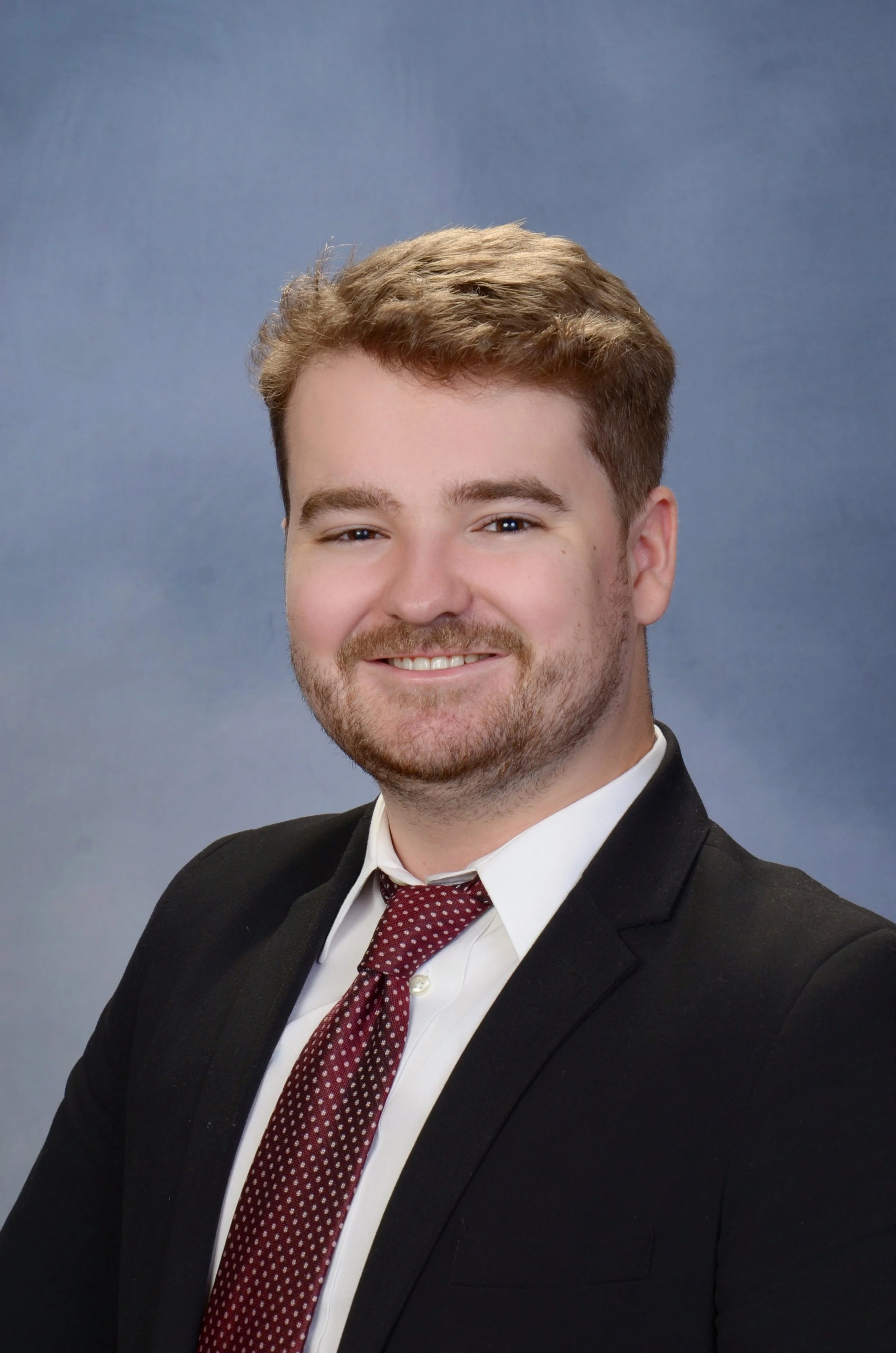
Henry Franklin
Editor In Chief
Henry Franklin is a senior in the School of Arts and Sciences double-majoring in Economics and Cinema and Media Studies. In his free time you can find Henry writing scripts, watching movies, and talking endlessly about Huey Long. Though ever-changing, his favorite movies are most often Bring Me the Head of Alfredo Garcia, The Devils, and Taste of Cherry.
Articles by Henry Franklin

It’s 2026. The AI arms race is fully underway, and all the major tech players are rolling out new and better generative products. You hear that Aaron Sorkin, the Academy-trophied Tiresias who wrote The Social Network, has penned (and directed) a sequel of sorts that continues the Facebook story.
Then you find out it’s about The Facebook Files, what turned out to be an explosive but less-than-apocalyptic episode in the company’s history, and something within you deflates.
No one reading this has to imagine that scenario, because it is, of course, what happened.The Social Reckoninghas just hit theaters—and it’s a colossal misfire.
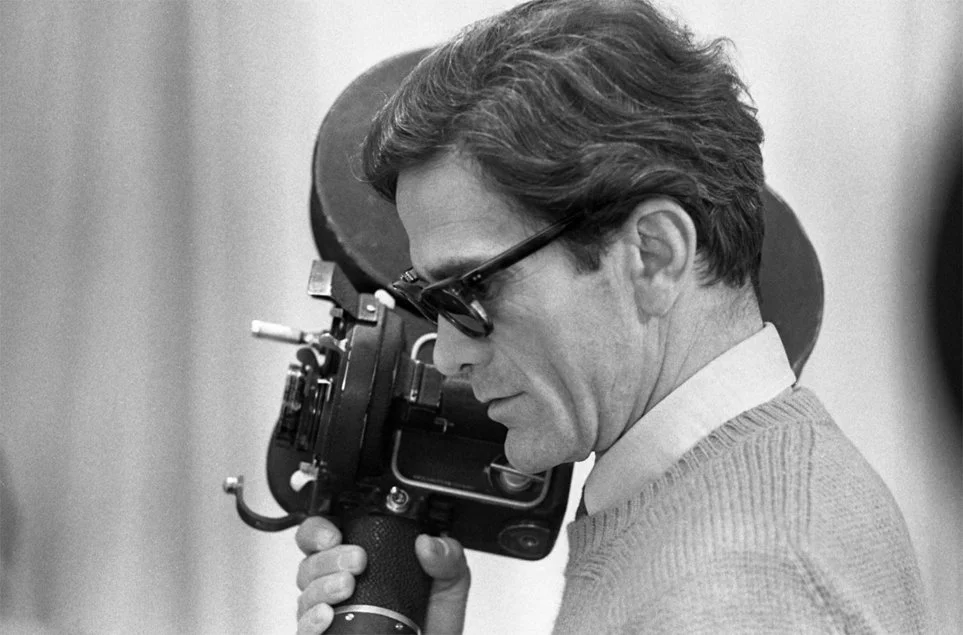
Last year marked the fiftieth anniversary of the death of one of the most important filmmakers of all time. In early November 1975, Pier Paolo Pasolini was murdered. Perhaps the killing was carried out by the militant right-wing group Banda della Magliana–or maybe by an overzealous fan. The case remains open in Rome after the original suspect retracted his confession more than twenty years ago.
I undertake to rank all twelve of Pasolini’s feature films. Of course, the scope of his oeuvre extends beyond these; I recommend in particular his street documentary Love Meetings and his excellent meta short film La Ricotta.
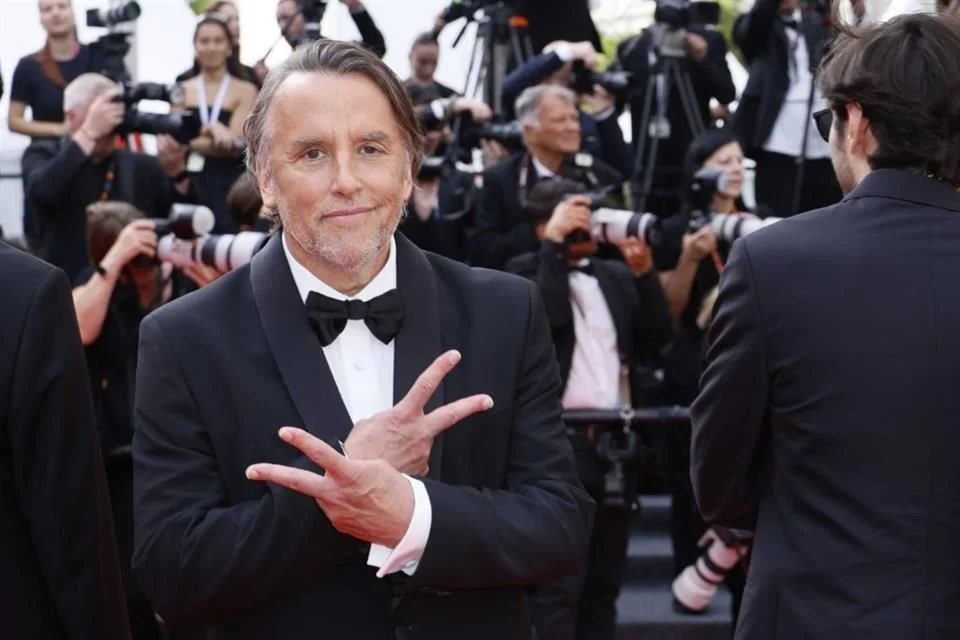
This year, Linklater opened and closed the festival season with two films: Blue Moon, which hit stateside cinemas this past weekend, and Nouvelle Vague (to be released theatrically on Halloween and then streaming on Netflix, the film’s US distributor, by the middle of next month). Though radically different formally and thematically, both films freeze exquisite moments in time—evoking more than just texture and sound, but a feeling of living in a time and place divorced very much from our own.
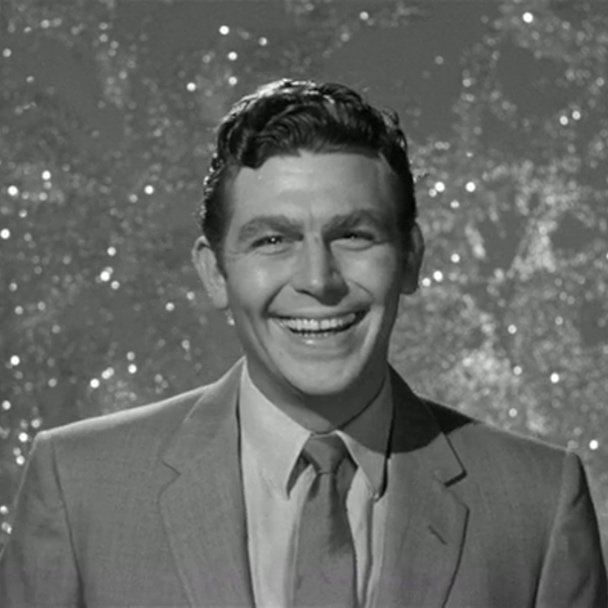
There is one film, though, that I believe deserves the modern parallels it often invokes: A Face in the Crowd. Released in 1957 to moderate acclaim, the film is the work of Hollywood envelope-pusher Elia Kazan and screenwriter and novelist Budd Schulberg, whose eponymous collection of short stories the film is based on. A Face in the Crowd focuses on the meteoric rise of a jailbird from Arkansas.
Sam Peckinpah occupies a unique station in the canon of American film directors because he found success just before the creative floodgates of New Hollywood. He then went on to push the boundaries of what could and couldn’t be shown on film—crafting works more transgressive than many of his younger peers. This made him the target of studio meddling and censorship, but his legacy is nonetheless founded on grit, ingenuity, and daring.
The basic premise of They Live is borrowed from a short story published in The Magazine of Fantasy & Science Fiction: a race of malevolent alien beings has infiltrated the highest ranks of human society. These creatures send out a signal that disguises them from ordinary people, and they use their considerable influence—wealth and political power—to will humanity into submission.
Luke Weidemoyer
Event Chair
Luke is a senior double-majoring in Philosophy and English, with a concentration in literary theory. In his free time he enjoys watching movies (duh!), listening to music, and reading. Some of his favorite films include Eyes Wide Shut, Twin Peaks: Fire Walk with Me, and Magnolia.
Articles by Luke Weidemoyer
Luca Guadagnino is no stranger to critical acclaim - or Oscar snubs. In 2024, the Italian director delivered two strikingly different but equally lauded films: Challengers, a steamy, slow-burn tennis romance, and Queer, a moody adaptation of the William S. Burroughs novella. Both films were praised by critics, yet neither received a single Oscar nomination.
Yes, The Brutalist is long. It’s pretentious. It’s ambitious and unapologetically grand. But this is what makes it interesting. It’s a film that forces you to bear witness to an unchecked ego and sit with that discomfort. Far from being a stock tale of genius, the film is a complex (and flawed) meditation on the forces that can elevate and destroy a man.
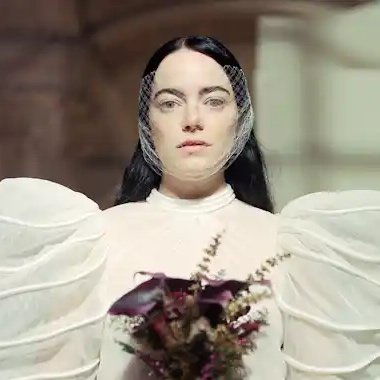
Lanthimos’s strength, to me, seemed to lie in crafting thought-provoking concepts, even when his execution was markedly wanting in depth. Poor Things continues this trend, featuring an intriguing set-up (based off the novel by Alasdair Gray) and a resulting film that is underwhelming eye-candy at best and morally transgressive at worst.
Dune: Part Two doesn’t need any help in immersing the viewer. This is a film that trusts its audience and isn’t afraid to throw them directly into a new world without any entrance ramp. From the nightmarish opening Harkonnen attack scene, we are fully on Arrakis with Paul Atreides and Lady Jessica. The direction is assured and confident, the performances are admirable, and the editing is flawless.
There are few villains in cinema more iconic than Michael Myers. From his misshapen William Shatner mask to his trademark kitchen knife, mere suggestions of these images are enough to send chills down the spines of generations of Americans, even for those who haven’t seen the Halloween films. I’ll be honest with you from the start: I don’t like Halloween very much, but give me a chance to explain.
Arica Himmel
Treasurer
Arica is pursuing her Bachelor of Applied Arts & Sciences degree, concentrating in Data Analytics and Psychology Sciences. Her natural habitats include Metrograph and Citizens Bank Park. If she’s not at either, she’s likely on set or roaming the city with her Super 8 camera in hand. Among her favorite films are Gloria (1980), Madame Wang’s, and The Cassandra Cat.
Lucas Jeffrey
PR Chair
Lucas Jeffrey is a student in the College of Arts & Sciences, Class of 2029 on a Pre-Law track. In addition to watching movies, he also loves writing them, as well as playing guitar and trumpet. His top five favorite movies are The Usual Suspects, Rebel Without a Cause, The Maltese Falcon, Amadeus, and The Social Network.
Articles by Lucas Jeffery

Project Hail Mary is an adaptation of Andy Weir’s 2021 novel of the same name. It follows science teacher Ryland Grace (Ryan Gosling) after he wakes up on a spaceship with no memory of how he got there. As his memory returns, he also gains an unlikely friendship in Rocky the Eridian alien. The acting is great, the screenplay is charming and full of heart, and the visuals are striking.
Is This Thing On? stars Will Arnett as a middle-aged father going through a divorce who finds solace in stand-up comedy. And while, yes, Alex (Arnett) may not be particularly great at stand-up (to begin the film, anyway), the movie is surprisingly very funny. I walked in with relatively low expectations, assuming I’d get a laugh here or there, but I was laughing constantly through the movie.