When You Know You’ve Made All The Right Choices: The Jigsaws of Puzzle
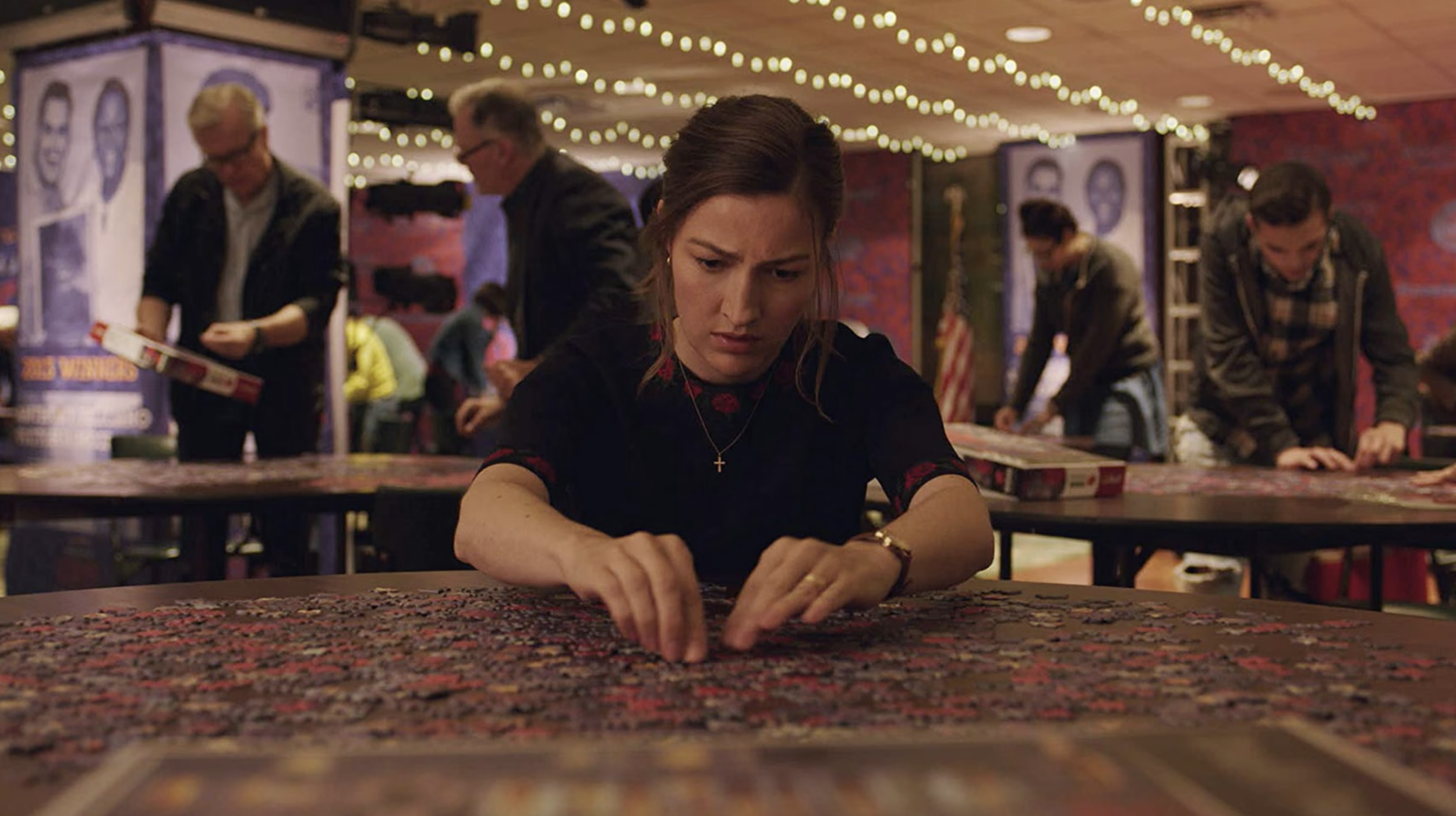
I think the best moments in movies are when it’s a cold, gloomy, rainy Sunday afternoon, and you decide to roll the dice on an independent movie at The Ritz based solely on the poster. You’re usually in there with a few other people, frequently older couples who smuggled in some sandwiches, perhaps also using the cozy embrace of the theater to get out of the elements. The theater runs through its usual collection of foreign language trailers, which often only serve as a great ‘wait… wasn’t he in that other thing?’ game that is guaranteed to torture you for the rest of the movie until you can safely put your mind to rest with some solid online sleuthing.
But it’s these moments, these trips to the theater, these leaps of faith literally into the darkness, that can turn up some of the best moviegoing moments in film. Marc Turtletaub’s Puzzle (2018) is for me one such movie. A remake of an original Argentine independent movie of the same name from 2010, in it we spend time with bored housewife Agnes, beautifully played by the often overlooked but wonderful Kelly Macdonald (Trainspotting, Brave, Boardwalk Empire). Agnes is consumed with the menial tasks of running a household for her unappreciative family, but every so often we get a glimpse of an internal brilliance and a hint that she’s capable of much more than making sure dinner is on the table every night.
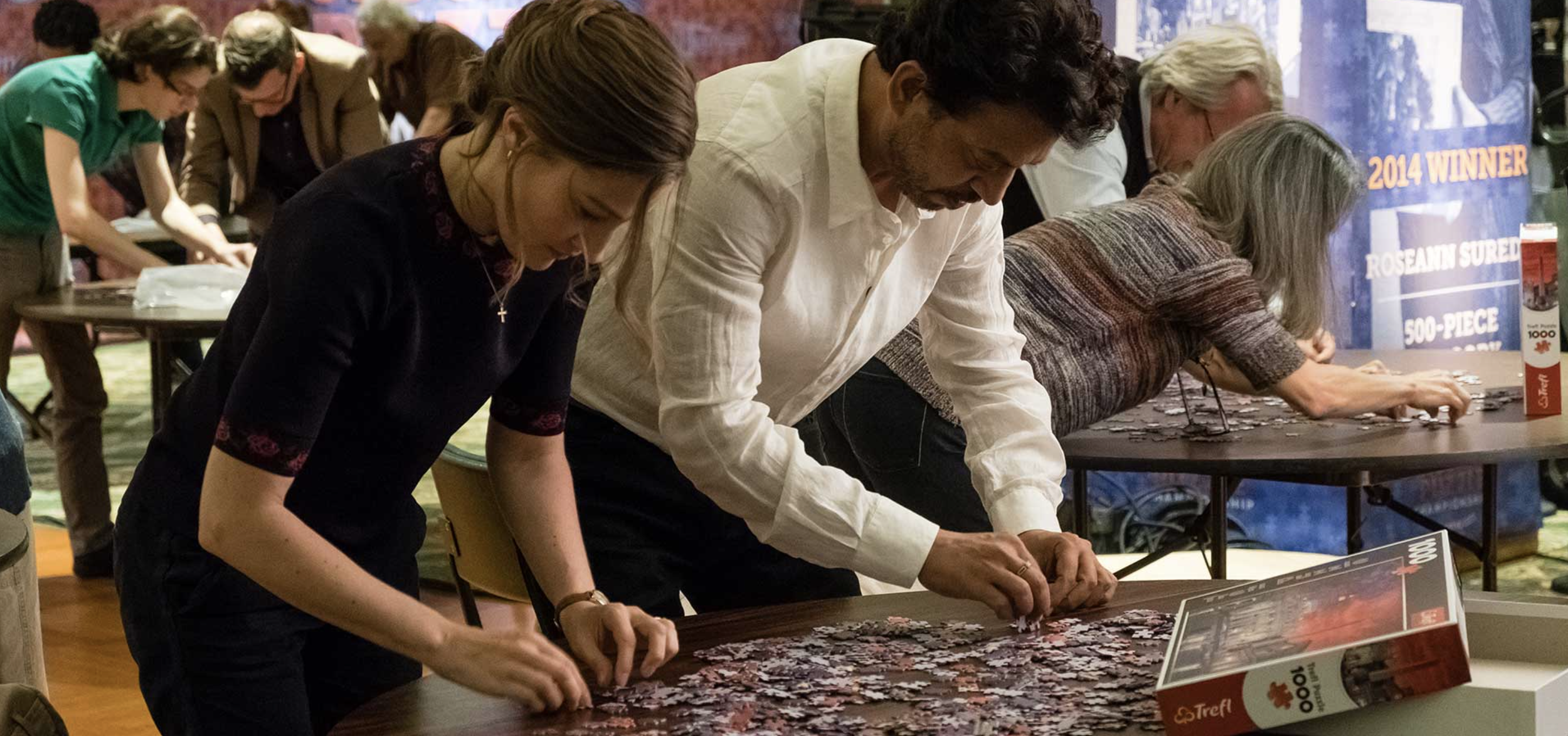
She receives a jigsaw puzzle as a gift, and the fuse gets lit. Instead of spending her day on the chores of the home, she spends it solving, and re-solving an enormous jigsaw puzzle. It consumes her mentally, but energizes her, and we see her at her most alive, her most in flow. The puzzle is literally life-giving to her, and she thrives and delights at her capacity to swiftly and methodically solve the puzzle. But her triumph over the puzzle, and the temporary victory over the mundane is short-lived when an argument breaks out over why dinner isn’t ready when the family comes home. As her unappreciative husband reminds her ‘puzzles are for children, Agnes’.
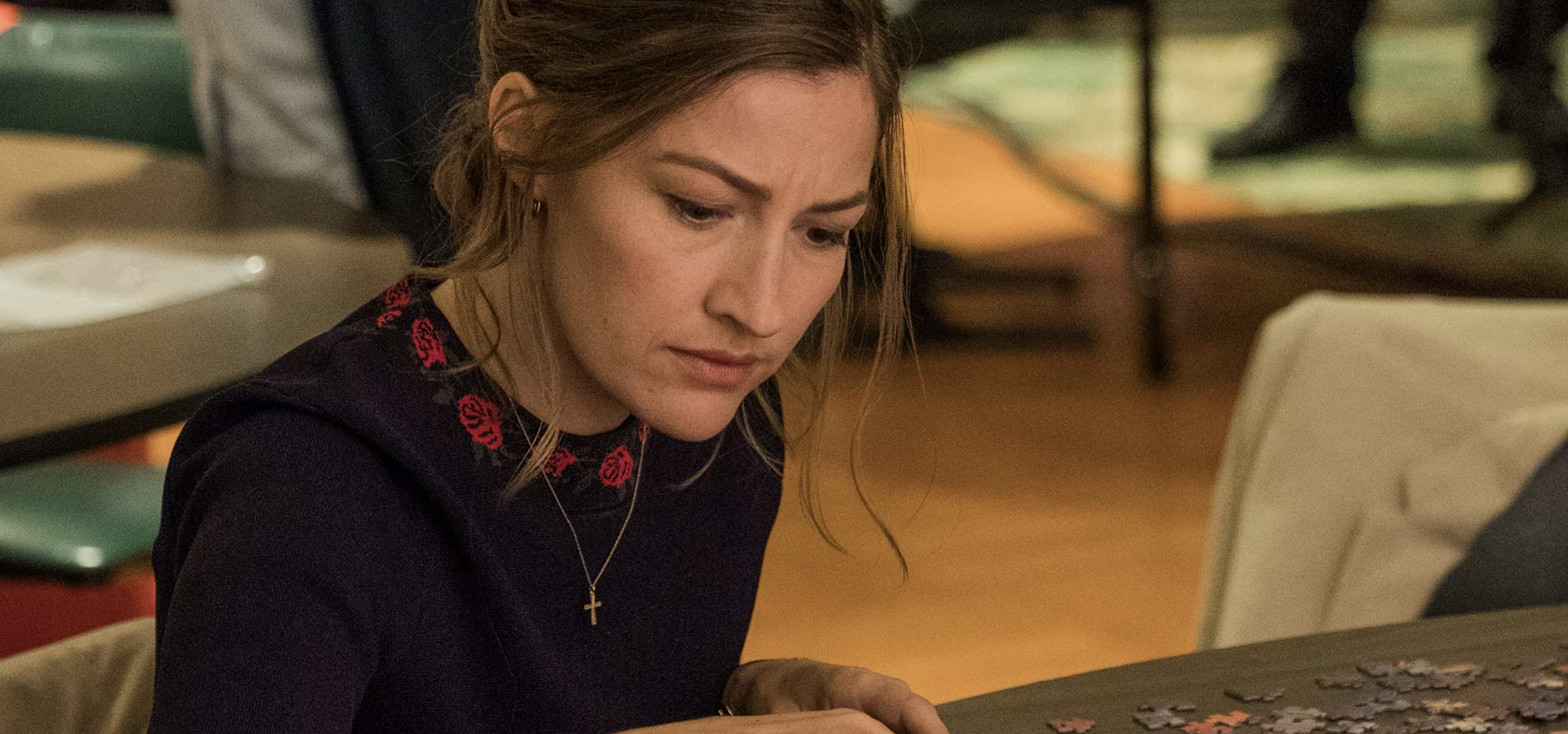
Inspired by her experience, she fakes an unwell aunt, and travels to Manhattan for the day in order to visit a puzzle store downtown. Against every introverted characteristic, here she responds to an ad, ‘Champion desperately seeking puzzle partner’. The champion who seeks is Robert (Irrfan Khan, Life of Pi, Slumdog Millionaire, The Darjeeling Limited), a brilliant engineer, and the two strike up a friendship based on their mutual love of solving the most difficult puzzles in the shortest space of time. The friendship blossoms as Agnes continues to pursue her relationship with Robert in secret, and suspicions grow at home. Inevitably the friendship becomes much more, and on the morning of the national championships, their romance becomes physical.
I’ll not share more, as the end is a tender, heartfelt place for Agnes to take us, but her treatment is a wonderful, fitting, hopeful letter to her future independence and optimistic, creative spirit. Underneath it all is Dustin O’Halloran’s incredible score, and as the credits take Agnes away from us, Ane Brun’s vocals take us to a place with her we never want to come back from, a soaring future filled with hope. The vocalization track is called ‘Horizons’, the perfect name for where we say goodbye to Agnes. She lifts us up, and the song is the perfect complement.
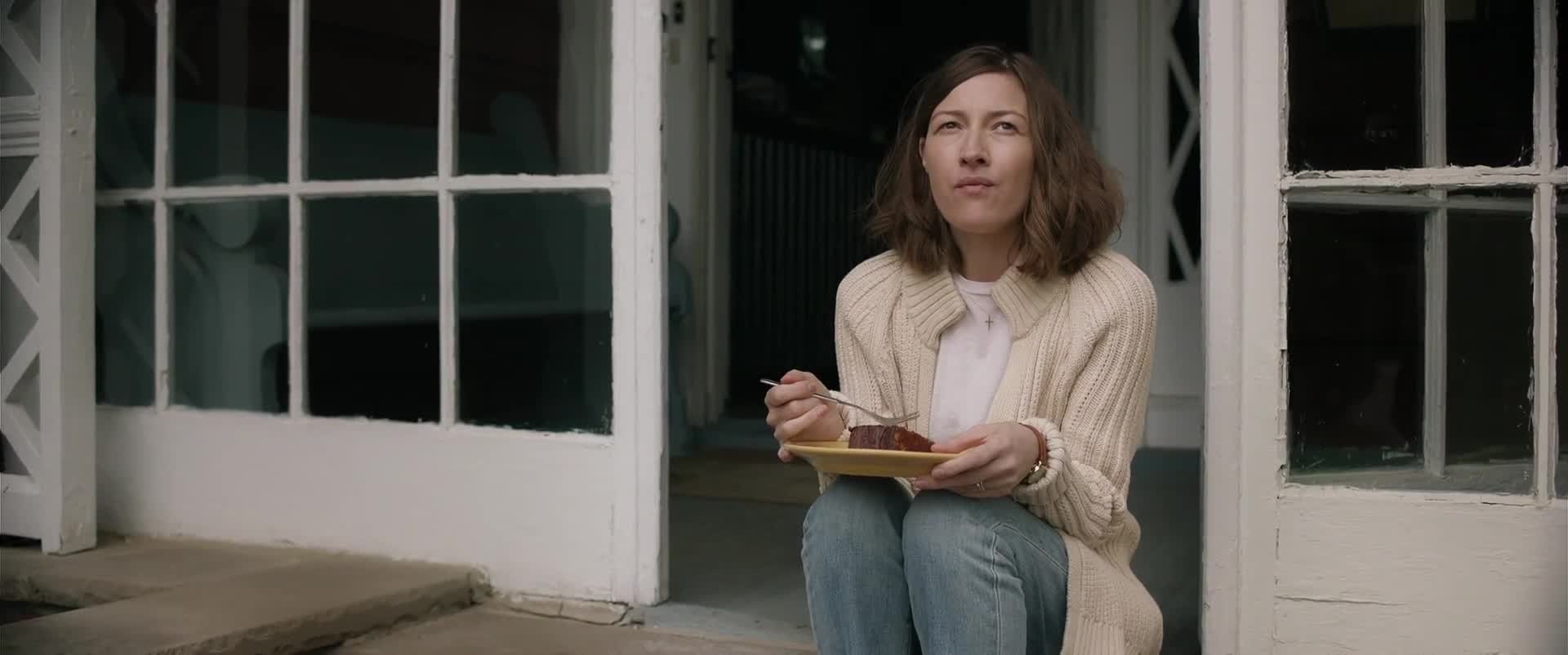
I’ve thought a lot about Puzzle ever since I first saw it on a rainy Sunday at The Ritz back in 2018. I’ve since watched it several times at home, and I often listen to the soundtrack while I’m studying. There’s something very special about this small tale of creative bravery in breaking from the mundane and just pursuing what you really want to do in life. Agnes doesn’t always get it right, but she comes to realize that she’s a lot more powerful than she thought she was, or that her loved ones believed she was. She finally hears her inner voice and thrives before our eyes, first with Robert as her champion and cheerleader, but far beyond that on her own in the end.
So the moral of the story here is that the best moments in the movies are the ones you least expect. When you just go to the theater and let the wind take you to the screen that feels the best. We live in a world of easter eggs, teasers, post-credits reveals, premier access, spoilers, reaction videos, frame-by-frame analysis, expanded universes and trailer by troll. In many instances watching the trailer is enough. Everything around the viewing experience, especially at home, is so managed, that actively resisting it can feel like a real breath of rebellious fresh air. For me, Puzzle was one of hundreds of experiences like this, and when smaller cinemas open up safely again, I can’t wait to see where the posters will take me next.
Popular Reviews
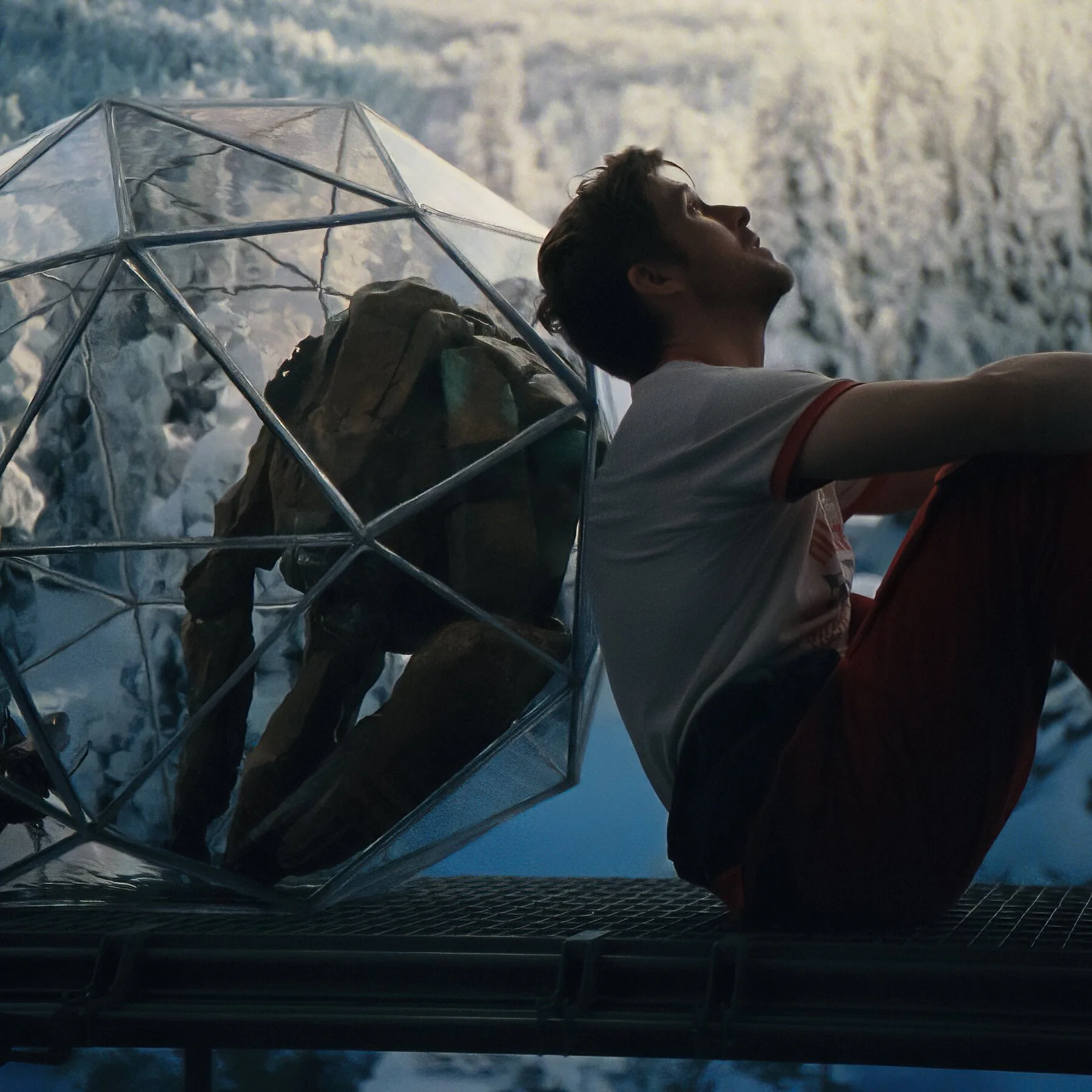
Project Hail Mary is an adaptation of Andy Weir’s 2021 novel of the same name. It follows science teacher Ryland Grace (Ryan Gosling) after he wakes up on a spaceship with no memory of how he got there. As his memory returns, he also gains an unlikely friendship in Rocky the Eridian alien. The acting is great, the screenplay is charming and full of heart, and the visuals are striking.
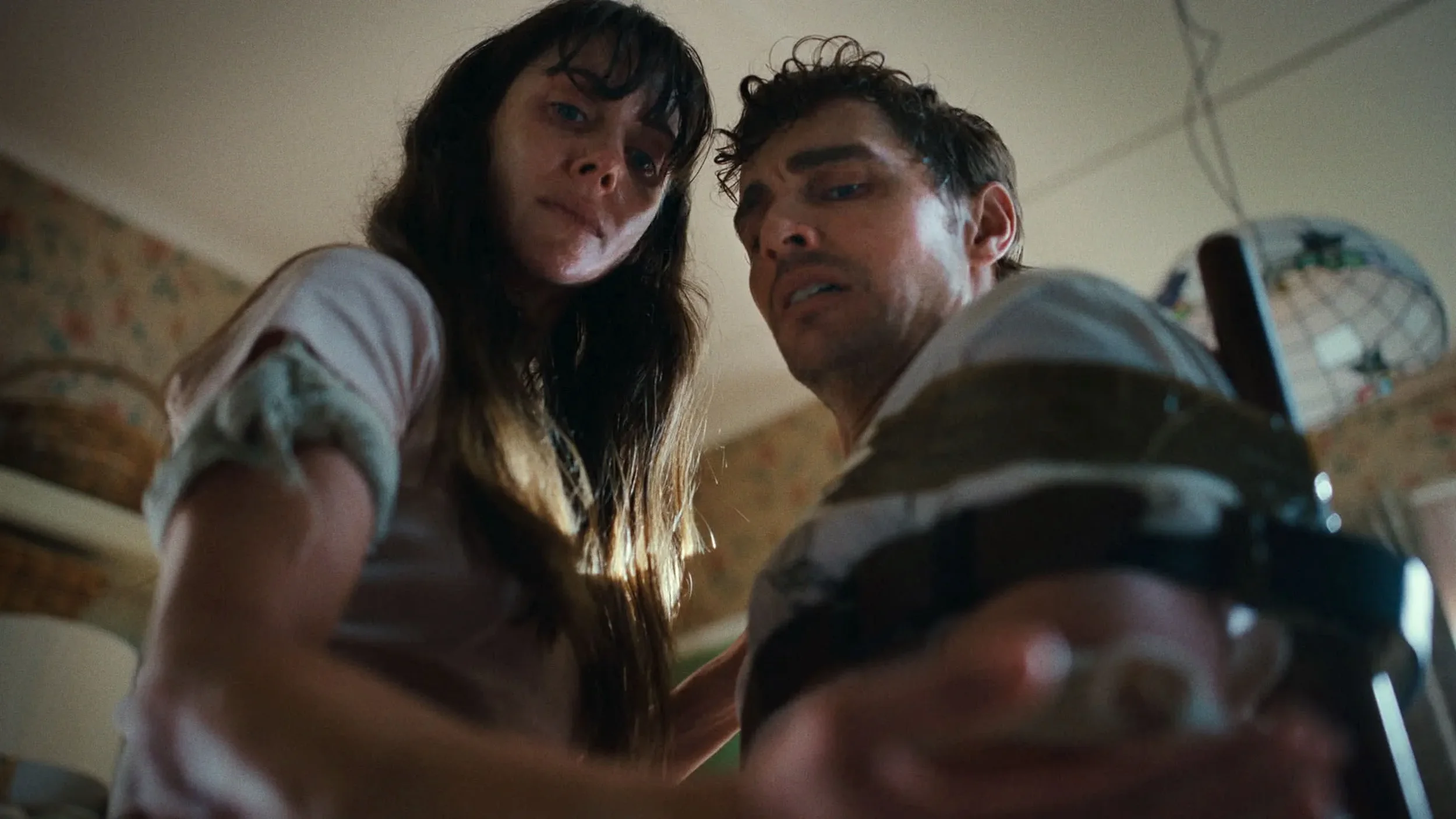
If you asked most people a few years ago who was “winning” indie horror, the answer would've been obvious: A24, of course. But between 2021 and now, something shifted. Not all at once and not always clearly, but deliberately. While A24 horror started to feel scattered, Neon built something more strategic.
What’s interesting is that Neon didn’t start with a clear horror identity at all. It was built over time, and I track that evolution in three distinct pseudo-phases: pre-Titane, post-Titane, and post-Longlegs. Each phase had a different strategy. First it was discovering talent, then experimenting with identity, and finally scaling into something that looks a lot like dominance.
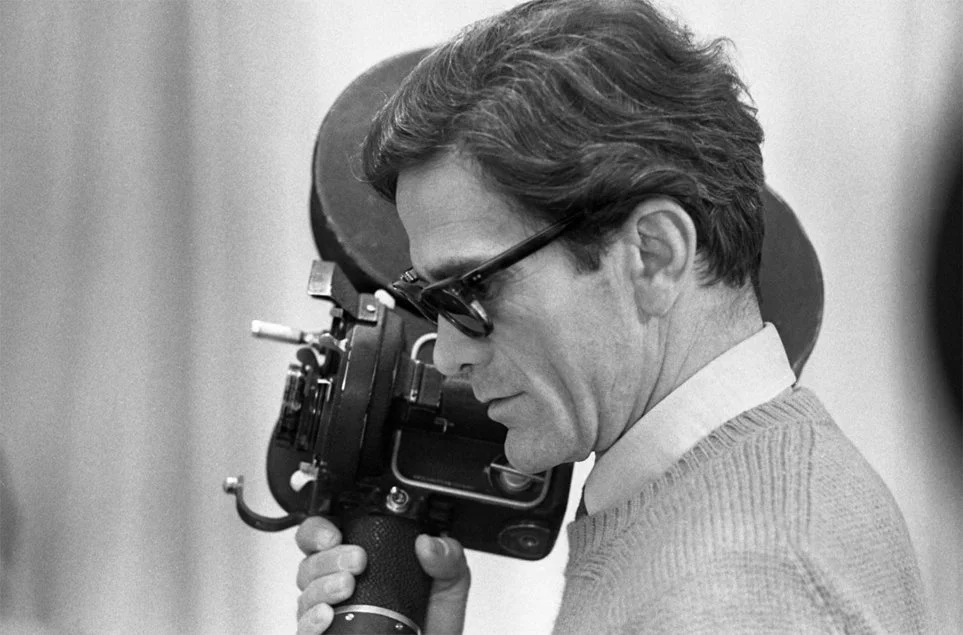
Last year marked the fiftieth anniversary of the death of one of the most important filmmakers of all time. In early November 1975, Pier Paolo Pasolini was murdered. Perhaps the killing was carried out by the militant right-wing group Banda della Magliana–or maybe by an overzealous fan. The case remains open in Rome after the original suspect retracted his confession more than twenty years ago.
I undertake to rank all twelve of Pasolini’s feature films. Of course, the scope of his oeuvre extends beyond these; I recommend in particular his street documentary Love Meetings and his excellent meta short film La Ricotta.
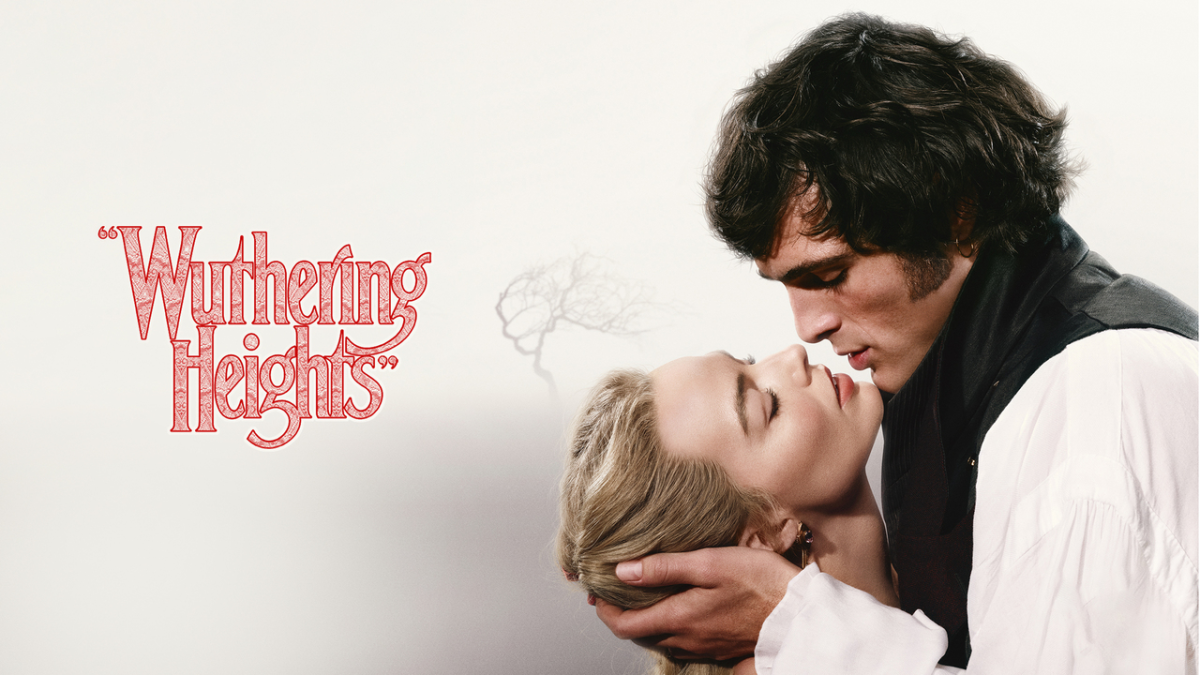
Emerald Fennell said as much herself: "The thing for me is that you can't adapt a book as dense and complicated and difficult as this book. I can't say I'm making ‘Wuthering Heights.’ It's not possible. What I can say is I'm making a version of it." She put the title in quotation marks intentionally, providing a disclaimer that this film is not the classic text. Every adaptation imposes a vision, turning the source material into something else.
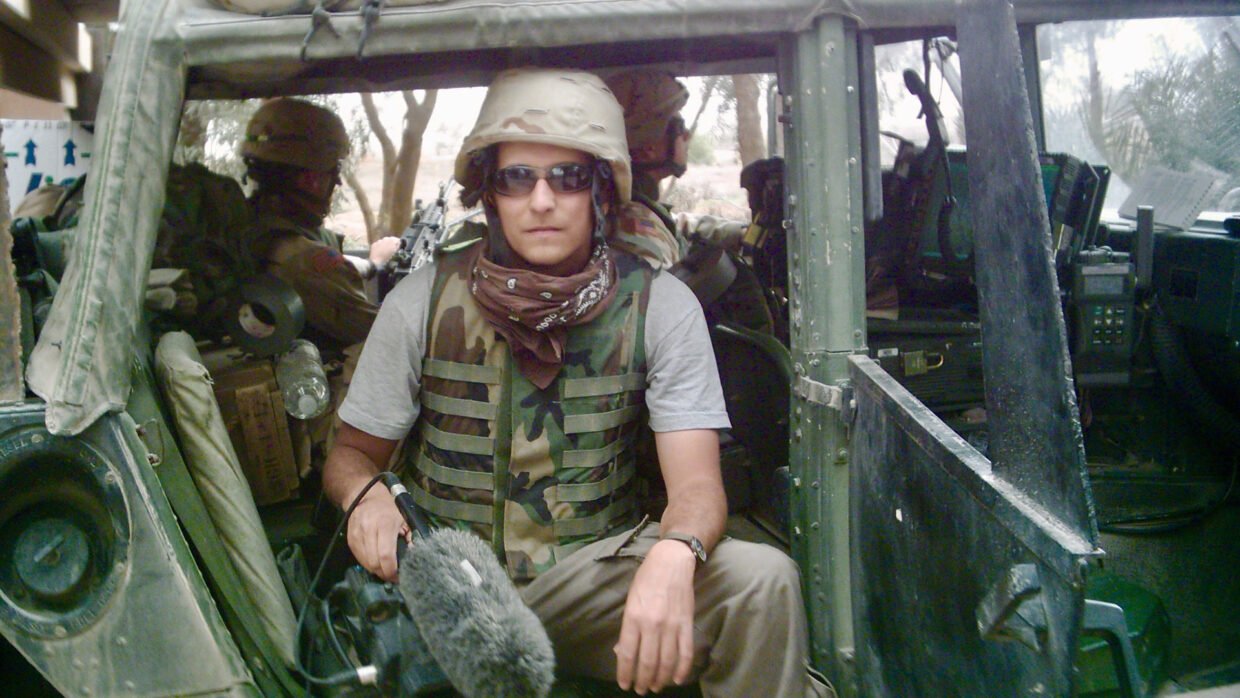
Even the most devoted cinephiles rarely tune in to the nominees for the Academy Award for Best Documentary Short. Most film buffs, myself included, don’t make it to the short film programs or indie showcases where these films typically screen, and many of them quickly disappear into obscurity after their premieres. Perhaps because of this invisibility, documentary shorts have the potential to carry some of the sharpest political messages in today’s cinema. This year’s nominees certainly exemplify this potential, covering urgent topics like gun violence, war, protest, reproductive rights, and, um, wandering donkeys. Despite their small audiences, these films deserve a closer look. They are brimming with provocative voices, even if this year’s particular batch sometimes fails to stick the landing.
More in Drama Reviews
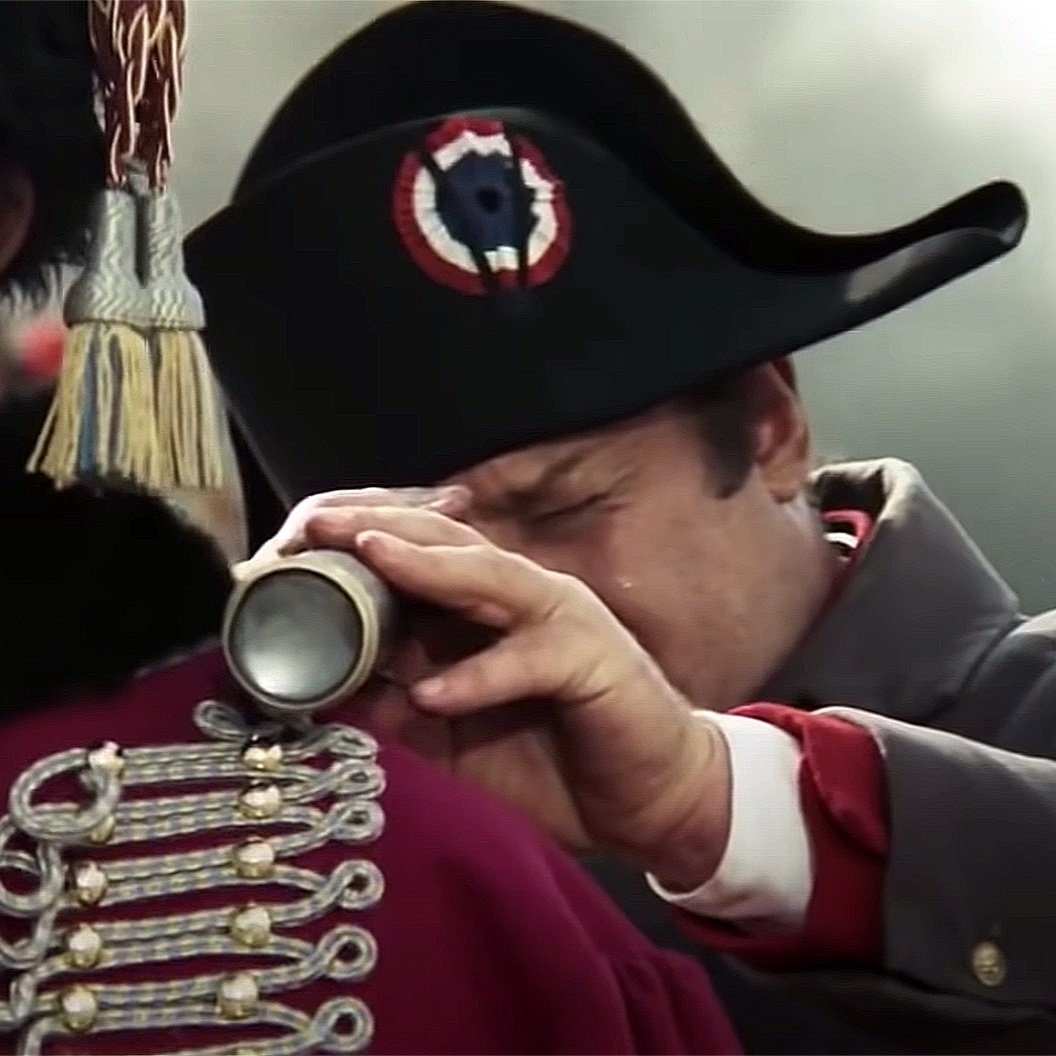
This year, Linklater opened and closed the festival season with two films: Blue Moon, which hit stateside cinemas this past weekend, and Nouvelle Vague (to be released theatrically on Halloween and then streaming on Netflix, the film’s US distributor, by the middle of next month). Though radically different formally and thematically, both films freeze exquisite moments in time—evoking more than just texture and sound, but a feeling of living in a time and place divorced very much from our own.
Luca Guadagnino is no stranger to critical acclaim - or Oscar snubs. In 2024, the Italian director delivered two strikingly different but equally lauded films: Challengers, a steamy, slow-burn tennis romance, and Queer, a moody adaptation of the William S. Burroughs novella. Both films were praised by critics, yet neither received a single Oscar nomination.
Yes, The Brutalist is long. It’s pretentious. It’s ambitious and unapologetically grand. But this is what makes it interesting. It’s a film that forces you to bear witness to an unchecked ego and sit with that discomfort. Far from being a stock tale of genius, the film is a complex (and flawed) meditation on the forces that can elevate and destroy a man.
There is one film, though, that I believe deserves the modern parallels it often invokes: A Face in the Crowd. Released in 1957 to moderate acclaim, the film is the work of Hollywood envelope-pusher Elia Kazan and screenwriter and novelist Budd Schulberg, whose eponymous collection of short stories the film is based on. A Face in the Crowd focuses on the meteoric rise of a jailbird from Arkansas.
The French New Wave was a radical departure from conventional filmmaking. Utilizing jump cuts and location shooting on a yet-unseen scale, the movement prioritized low-budget, singular films that allowed creatives to break out of the confines of the studio system. New Wave films were further proof for domestic and international audiences that film was more than mere entertainment.
Sam Peckinpah occupies a unique station in the canon of American film directors because he found success just before the creative floodgates of New Hollywood. He then went on to push the boundaries of what could and couldn’t be shown on film—crafting works more transgressive than many of his younger peers. This made him the target of studio meddling and censorship, but his legacy is nonetheless founded on grit, ingenuity, and daring.
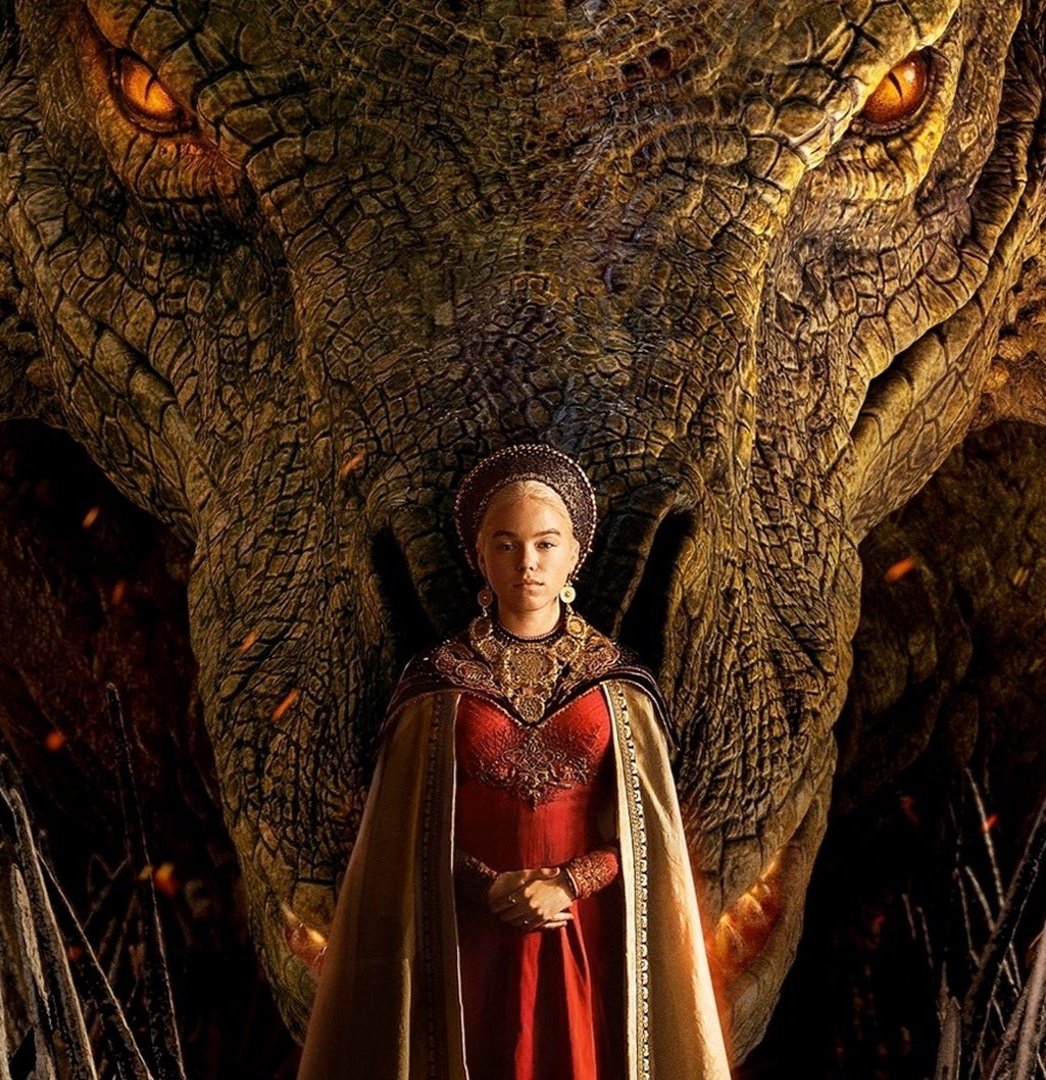
Succeeding Game of Thrones (GoT), one of the most widely discussed and watched shows in television history, is no easy job. The shows will be compared, and previous baggage always remembered. House of the Dragon, a show about the rise and fall of a ruling house in the GoT universe, stares down that daunting prospect with aplomb and more.
More last testament than love letter, Derek Jarman’s 1993 experimental film Blue was as unique and challenging then as it continues to be today. More radio play than movie, it’s 79 minutes of an entirely blue saturated screen, over which two interwoven stories braid together to weave a story of Jarman’s recollected, daydreamed, restless experiences of living with AIDS in 1990s London, and the adventures of blue itself as a color and a character. Punctuated throughout are the ghostly names of Jarman’s former friends and lovers already lost to the disease.
Every time I go to Las Vegas, usually for work to spend time in a light-locked, soulless conference room listening to the obvious masquerading as professional advice, I think the same thing. That there’s a deep, longing melancholy to the place. A sadness behind the bright neon lights of the strip, the omnipresent din of the casinos, and the faces of those who’ve come to Sin City seemingly to let loose and get away from it all. Far from the oasis in the desert in promises, the city aches with loss. An unfulfilled hope of gambled pleasure, and drawn like moths to the flame by the flashing billboards, and where darkness never truly descends, we wander around in the half-light neon glow of the desperate attempts to separate us from our time and money.
The dissipating buzz surrounding The Whale (2022) was inevitable considering that its only major attraction post its film festival run were the names attached, namely those of the director, Darren Aronofsky, and star, Brendan Fraser. Although their star power can be felt in this film, it is not nearly enough to make The Whale seem like anything more than it is: a typical Oscar-baity, A24, indie “think-piece.”
German film director Werner Herzog often reminisces of the lost art of being able to trust our eyes. How everything we see in modern movies is informed by digital manipulation, sophisticated editing, and the sheer total commercial management of putting something on the screen. He laments the early days of cinema, where what was projected was so believable that, so the stories go, audiences would flee terrified from their seats at the prospect of a train coming towards the camera. Somewhere along the way, we lost this terror.
Irma Vep is the film lover’s dream – to get to watch a fictional production with all the troubles and beauty of the filmmaking process put on full display.
When older generations say that they don’t make movies like they used to, they’re talking about Sergei Bondarchuk’s War and Peace films, released between 1966 and 1967. An absolutely breathtaking series of four individual movies spread out over seven hours, they recount Tolstoy’s epic tale of Russian aristocratic and military perspective during the Napoleonic invasion of the early nineteenth century in elaborate, authentic and highly orchestrated detail.
Attempting to adequately interpret David Lynch’s Twin Peaks is a fool’s errand, but since its release in 1990 it hasn’t stopped thousands of well-intentioned sleuths from trying. The attempts to connect the numerous disparate threads of story and character with broader themes of anything from societal collapse, the interpretation of dreams, alternate realities and autobiography itself have far eclipsed the original two seasons.
In late 1969, Stanley Kubrick was busy. His career-defining 2001: A Space Odyssey had been an enormous directorial and technical success, he was in the middle of editing the dystopian A Clockwork Orange, and beginning to circle what he thought would be his next grand project, a definitive biographic story of Napoleon. Like all Kubrick projects, especially those following 2001: A Space Odyssey, the process for developing the script, and the sheer effort which went into the production was total. For years, Kubrick had planned to create a biographical film of Napoleon’s life, and had engaged hundreds of production staff in gathering as much information as possible about the era. From costumes, interiors, historical records, surviving written evidence, academic historiography, everything was completely exhaustive, and all of it would go into the creation of what Kubrick believed would be one of the greatest historical films ever made.
It’s rare to have out-of-body experiences, and it’s even rarer to have an out-of-body experience in anticipation of the actual out-of-body experience. I had several such experiences in anticipation of the 4K UHD Restoration Premiere of action epic Heat at the Tribeca Film Festival. The anticipation was a product of both seeing a movie that came so highly recommended and also getting to see in person revered screen legends Al Pacino and Robert De Niro talk about their craft and career. And it did not disappoint. Watching them I was not only transported at once to many of my favorite films but was able to understand the deep and painstaking filmmaking process that gave us so many timeless classics.
And just like that… I watched every episode of Sex and the City. I must be a really good judge on how to spend my time!
I think the best moments in movies are when it’s a cold, gloomy, rainy Sunday afternoon, and you decide to roll the dice on an independent movie at The Ritz based solely on the poster. You’re usually in there with a few other people, frequently older couples who smuggled in some sandwiches, perhaps also using the cozy embrace of the theater to get out of the elements. The theater runs through its usual collection of foreign language trailers, which often only serve as a great ‘wait… wasn’t he in that other thing?’ game that is guaranteed to torture you for the rest of the movie until you can safely put your mind to rest with some solid online sleuthing.