What We Do in the Shadows is Back for Season 3
What is the recipe for success for a half-hour comedy these days? Apparently, it's to take a beloved New Zealand mockumentary about vampires and adapt it to American television.
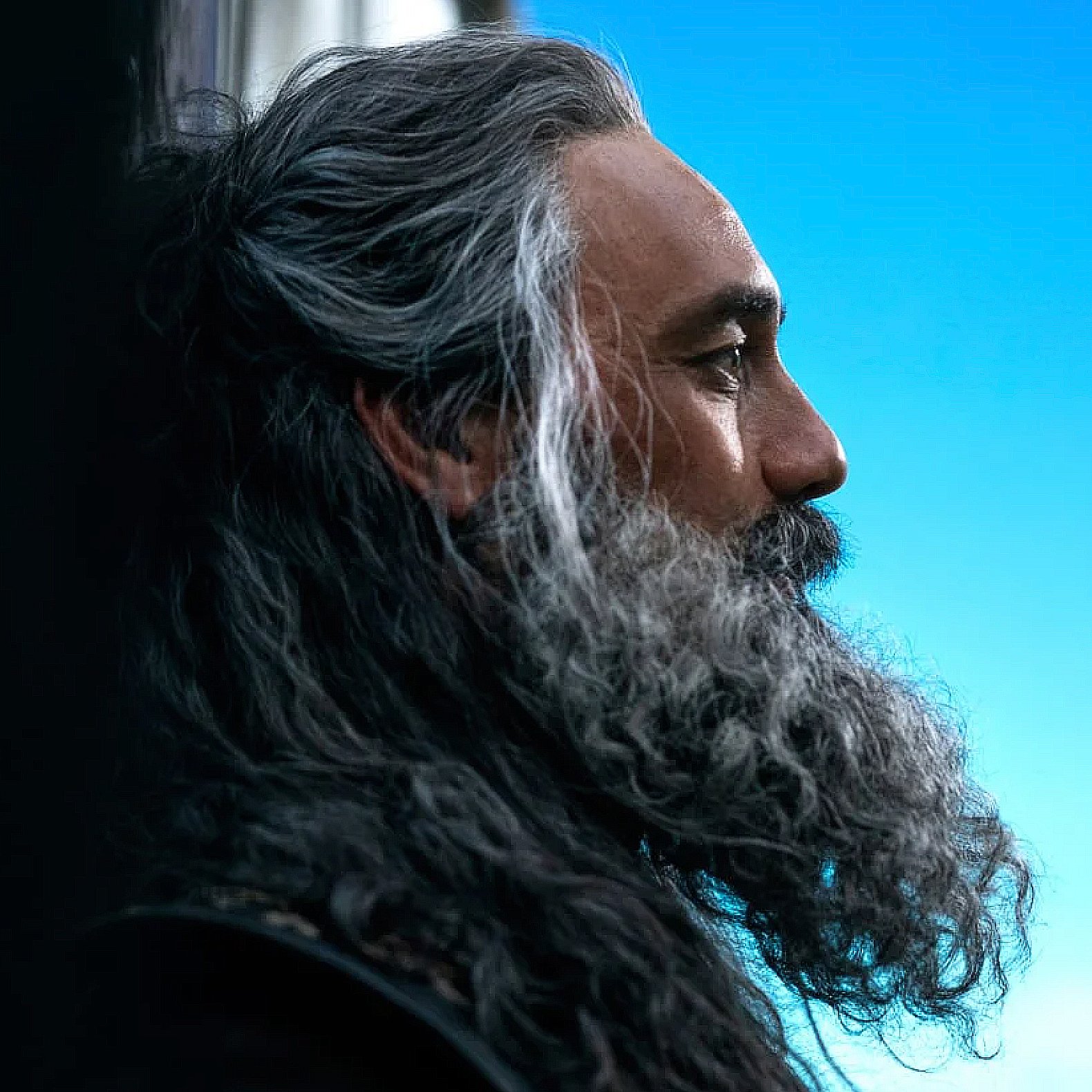
What We Do in the Shadows, helmed by Oscar-winning Taika Watiti and Jermaine Clement of the original 2014 film of the same name, is a vampire-centric mockumentary-style show entering its third season. For those unfamiliar with the show, the main premise is that a group of centuries-old vampires emigrate to Staten Island from Europe, hoping to conquer the New World, but end up just being roommates in a dilapidated manor, getting into weekly shenanigans. It follows three traditional vampires, Nadja (Natasia Demetriou), Laszlo (Matt Berry), and Nandor (Kayvan Novak), their boring energy-vampire housemate Colin Robinson (Mark Proksch), and their familiar, Guillermo (Harvey Guillén). Nadja and Laszlo are a loving married couple, while Nandor is the self-appointed ringleader, despite his lack of leadership skills. Colin is their energy vampire roommate, meaning instead of drinking blood, he gains his nutrients from boring people out of their energy. Lastly, Guillermo is a human familiar, someone who serves the vampires in the hopes that he will one day become a vampire. The cast has an undeniable—albeit strange—chemistry. After two strong seasons, What We Do in the Shadows is entering its third season with fervor.
Season two left fans with quite a cliffhanger for a typically non-canonical show. Upon the finale of the last season, Guillermo takes out most of the Vampiric Council, a form of local vampire government, with his newfound Van Helsing blood. In a show where each episode wraps up neatly by the end of the half-hour, this ending was uncharacteristically climactic. In typical What We Do in the Shadows style, the high climax of season two was matched with domesticity in the season 3 premiere. Things picked up right where they left off and the vampires got back to business. Thankfully, only the Season 3 premiere was dedicated to wrapping up this storyline.
The best moments of the show are self-contained episodes, and this premiere was tasked with actual plot referring back to the previous season. In the establishing episodes of season 3, Nandor, Laszlo, and Nadja get appointed to lead the Vampiric Council as they were some of the only vampires spared, and Guillermo gets appointed official bodyguard but is still treated as a familiar. After a dramatic plotline, the familiar dynamics of the show are back one episode in.
Upon entering its junior season, What We Do in the Shadows is taking absurd risks. From vampires dancing to Bob Seger to a lengthy Twilight tribute kickball scene, there is no holding back. What makes these vampires so refreshingly funny is that the show does not take itself too seriously. In season 3, episode 3, “Gail”, physical humor comes to the fore. With a show so reliant on clever dialogue and off-kilter humor, physical comedy does usually not abound. But when Lazlo repeatedly hits Colin Robinson with his rediscovered vintage car, the writers are evidently taking worthy risks. These scenes are the most memorable and the season is not even over.
When the main vampires, shrouded in vague Eastern European accents, meet the modern world, Shadows finds its most idiosyncratic humor. An early highlight, episode four, “The Casino'', is one of the best in the whole series. The vampires take an Ocean’s 11-inspired trip to Atlantic City with their neighbor’s vow renewal party. Seeing these archaic vampires playing Big Bang Theory-themed slot machines and generally enjoying themselves in Staten Island is wildly funny. This episode was reminiscent of fan-favorite Season 2 episode, “On the Run” which features Laszlo running away from a debt to a small town, taking on the persona of Jackie Daytona, a beloved local bartender. This episode was one of the best because of its innovative and silly storylines, but also because it took place in a different setting. In “The Casino”, it is exciting to see the cast in a different setting compared to the usual gothic manor and to see them interact with modern people.
While season 3 is generally proving to be entertaining and well worth the wait, there are some problems with the show. Kristen Schaal’s character is largely cringe-worthy. Her character, a guide working for the Vampiric Council, appeared as a guest acting slot in past seasons but is now becoming a regular voice in the show. While it is a great sight to see more female main characters, her character’s dialogue and accent often come off as stale.
The ultimate highlight of the third season is the new character pairings. In this season, Colin is often paired with Laszlo in many adventures, creating an unlikely friendship between the awkward Colin and the overly proud Laszlo. On the other hand, Nandor and Nadja spend their time fighting for power of the Vampiric Council. In episode 7, “The Siren”, these new pairings are explored with Laszlo and Colin falling under the spell of a siren and Nandor and Nadja searching for Nadja’s enchanted doll. This episode is bizarre but characteristic of the show’s strange appeal.
While a vampire mockumentary may prove to be just a novelty, this novelty has not worn off just yet. From quarrels with the puppy-dog-like werewolf crew to establishing a website for the Vampiric Council, the over-the-top comedy of What We Do in the Shadows is a highlight of current TV and season 3 is proving to be its best one yet. With 2 and 8 Emmy nominations for seasons 1 and 2 respectively, I wouldn’t be surprised if season 3 gets nominated in multiple categories. I may be biased since I’m a sucker (pun intended) for vampire content, but What We Do in the Shadows is genuinely one of the funniest things on TV right now. In the dreary world we live in, sometimes all we need is a little vampire mockumentary.
Popular Reviews
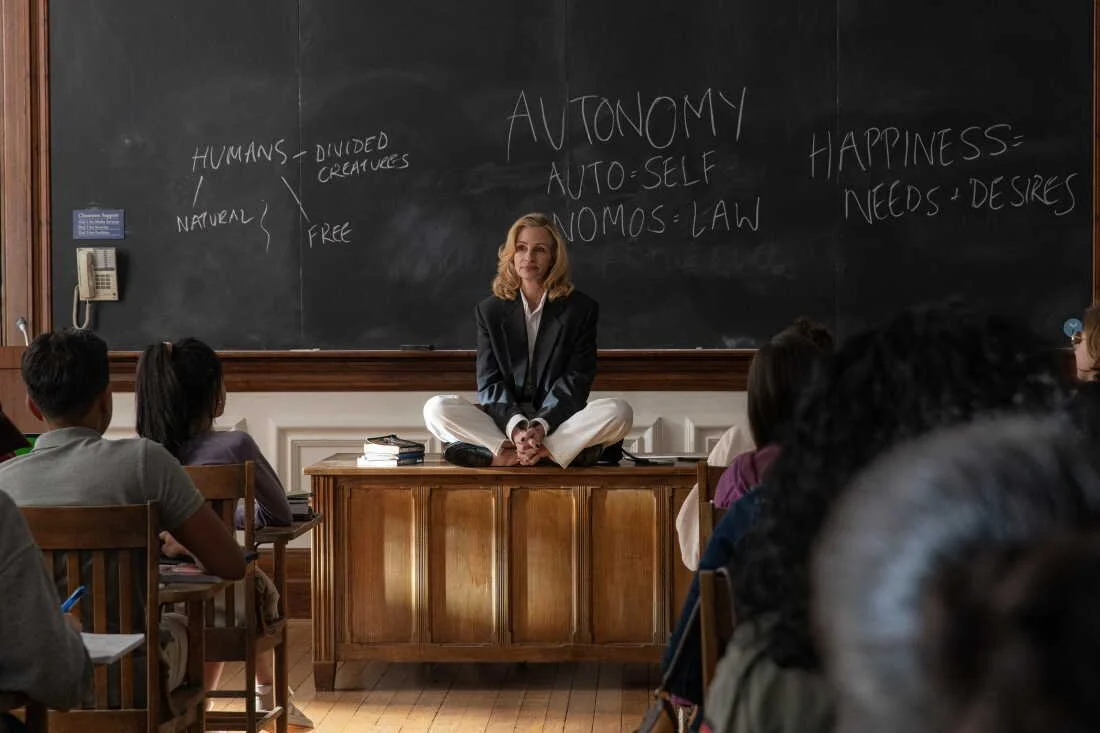
Project Hail Mary is an adaptation of Andy Weir’s 2021 novel of the same name. It follows science teacher Ryland Grace (Ryan Gosling) after he wakes up on a spaceship with no memory of how he got there. As his memory returns, he also gains an unlikely friendship in Rocky the Eridian alien. The acting is great, the screenplay is charming and full of heart, and the visuals are striking.
If you asked most people a few years ago who was “winning” indie horror, the answer would've been obvious: A24, of course. But between 2021 and now, something shifted. Not all at once and not always clearly, but deliberately. While A24 horror started to feel scattered, Neon built something more strategic.
What’s interesting is that Neon didn’t start with a clear horror identity at all. It was built over time, and I track that evolution in three distinct pseudo-phases: pre-Titane, post-Titane, and post-Longlegs. Each phase had a different strategy. First it was discovering talent, then experimenting with identity, and finally scaling into something that looks a lot like dominance.
Last year marked the fiftieth anniversary of the death of one of the most important filmmakers of all time. In early November 1975, Pier Paolo Pasolini was murdered. Perhaps the killing was carried out by the militant right-wing group Banda della Magliana–or maybe by an overzealous fan. The case remains open in Rome after the original suspect retracted his confession more than twenty years ago.
I undertake to rank all twelve of Pasolini’s feature films. Of course, the scope of his oeuvre extends beyond these; I recommend in particular his street documentary Love Meetings and his excellent meta short film La Ricotta.
Emerald Fennell said as much herself: "The thing for me is that you can't adapt a book as dense and complicated and difficult as this book. I can't say I'm making ‘Wuthering Heights.’ It's not possible. What I can say is I'm making a version of it." She put the title in quotation marks intentionally, providing a disclaimer that this film is not the classic text. Every adaptation imposes a vision, turning the source material into something else.
Even the most devoted cinephiles rarely tune in to the nominees for the Academy Award for Best Documentary Short. Most film buffs, myself included, don’t make it to the short film programs or indie showcases where these films typically screen, and many of them quickly disappear into obscurity after their premieres. Perhaps because of this invisibility, documentary shorts have the potential to carry some of the sharpest political messages in today’s cinema. This year’s nominees certainly exemplify this potential, covering urgent topics like gun violence, war, protest, reproductive rights, and, um, wandering donkeys. Despite their small audiences, these films deserve a closer look. They are brimming with provocative voices, even if this year’s particular batch sometimes fails to stick the landing.
More in Horror & Comedy Reviews
If you asked most people a few years ago who was “winning” indie horror, the answer would've been obvious: A24, of course. But between 2021 and now, something shifted. Not all at once and not always clearly, but deliberately. While A24 horror started to feel scattered, Neon built something more strategic.
What’s interesting is that Neon didn’t start with a clear horror identity at all. It was built over time, and I track that evolution in three distinct pseudo-phases: pre-Titane, post-Titane, and post-Longlegs. Each phase had a different strategy. First it was discovering talent, then experimenting with identity, and finally scaling into something that looks a lot like dominance.
15 years ago today, Daren Aronofsky’s psychological thriller Black Swan hit theaters for the first time. The film was seen as a return to form for the director, bringing back much of the neurotic style that his infamous 2000 film Requiem for a Dream had–now dressed in the suffocating clothes of ballet instead of drug induced paranoia. In the time between these two films, Aronofsky released the oddball sci-fi film The Fountain (2006) to mixed reviews, and the quiet and candid The Wrestler (2008) to slightly better reception. Both of these films were a stark departure from Aronofsky’s Requiem for a Dream and Aronofsky’s affinity for reveling in his audience's misery. Now 15 years since its release, Black Swan has seen continued life in the misguided discourses of social media comment sections. Before I critique these discourses however, I would like to critically discuss the film detached from its legacy and reception.
Is This Thing On? stars Will Arnett as a middle-aged father going through a divorce who finds solace in stand-up comedy. And while, yes, Alex (Arnett) may not be particularly great at stand-up (to begin the film, anyway), the movie is surprisingly very funny. I walked in with relatively low expectations, assuming I’d get a laugh here or there, but I was laughing constantly through the movie.
I didn’t like The Substance at first, likely because I was trying to avoid the reality that most women, indeed, are victims. That conversations around women’s bodies go beyond mere comments or jokes—they compose our being. They dictate how long others deem us worthwhile partners or employees. They tell us to spend our New Year’s at the gym instead of with our families. To spend that extra minute dawdling in front of the bathroom mirror. To gawk when we see a woman over 60 on our movie screen. And that no matter how good at your job you are, everyone is talking about your boobs.
There is one film, though, that I believe deserves the modern parallels it often invokes: A Face in the Crowd. Released in 1957 to moderate acclaim, the film is the work of Hollywood envelope-pusher Elia Kazan and screenwriter and novelist Budd Schulberg, whose eponymous collection of short stories the film is based on. A Face in the Crowd focuses on the meteoric rise of a jailbird from Arkansas.
I first argue for extending the class of common constructs for analyzing horror media to two more constructs: constraints and character responses. I then analyze horror films belonging to the Fourth Cinema, i.e. Indigenous cinema as described by Barry Barclay. I plan to argue that these films have a distinct conceptualization of these three constructs that stems from ideas about community.
Lanthimos’s strength, to me, seemed to lie in crafting thought-provoking concepts, even when his execution was markedly wanting in depth. Poor Things continues this trend, featuring an intriguing set-up (based off the novel by Alasdair Gray) and a resulting film that is underwhelming eye-candy at best and morally transgressive at worst.
There are few villains in cinema more iconic than Michael Myers. From his misshapen William Shatner mask to his trademark kitchen knife, mere suggestions of these images are enough to send chills down the spines of generations of Americans, even for those who haven’t seen the Halloween films. I’ll be honest with you from the start: I don’t like Halloween very much, but give me a chance to explain.
I was one of those kids at school who needed the crayons to be taken away from them. My mom tells the story of my first day of school, and how I cried at the end of the day when I wasn’t able to bring the picture I’d drawn home with me. I was the artsy kid in high school, even more artistic kid by the time I got to enrolling into a Fine Art degree in college. For as long as I can remember, I’ve always made things. But when I think about the kinds of things which have influenced me along the way, one of the earliest memories I have is of gloomy Sunday afternoons growing up in the bleak seventies of rural England, and watching the sketch comedy series, Monty Python’s Flying Circus with my Dad.
There is something so utterly ridiculous and yet so completely sweet about Billy Eichner’s Bros. Only Eichner could write a movie about a podcast host, working as one of the museum curators at a new LGBTQ+ museum, falling in love with an estate attorney/aspiring chocolatier. Bobby Lieber (Eichner) must navigate not only the complex world of modern dating but also the nuances and changing discourse around gay culture. And it all works just about perfectly.
This visually striking film isn’t as scary as the trailers make it out to be, but instead it is a story about family bond, the history and importance of the black community in filmmaking, and of course, alien invasion.
If you were driving down a highway and saw a sign that said “Honk for Jesus” would you honk? Would you go to a church that advertised itself? Would you even go to a church that was located on a highway? Despite being non religious, I considered these questions while watching the climax of Honk for Jesus, Save Your Soul, directed by Adamma Ebo, as Trinitie Childs practically begs the passersby to honk for her sanity (and Jesus).
And just like that… I watched every episode of Sex and the City. I must be a really good judge on how to spend my time!
The best show of the year is an LGBTQ+ pirate rom-com. Our Flag Means Death tells the story of real-life pirate Stede Bonnet, the 18th-century aristocrat who gave up his luxurious life for an adventure on the seas. He earned the name “The Gentleman Pirate'' for his peculiar approach to piracy, building his ship the Revenge rather than seizing one by mutiny and paying his crew in wages.
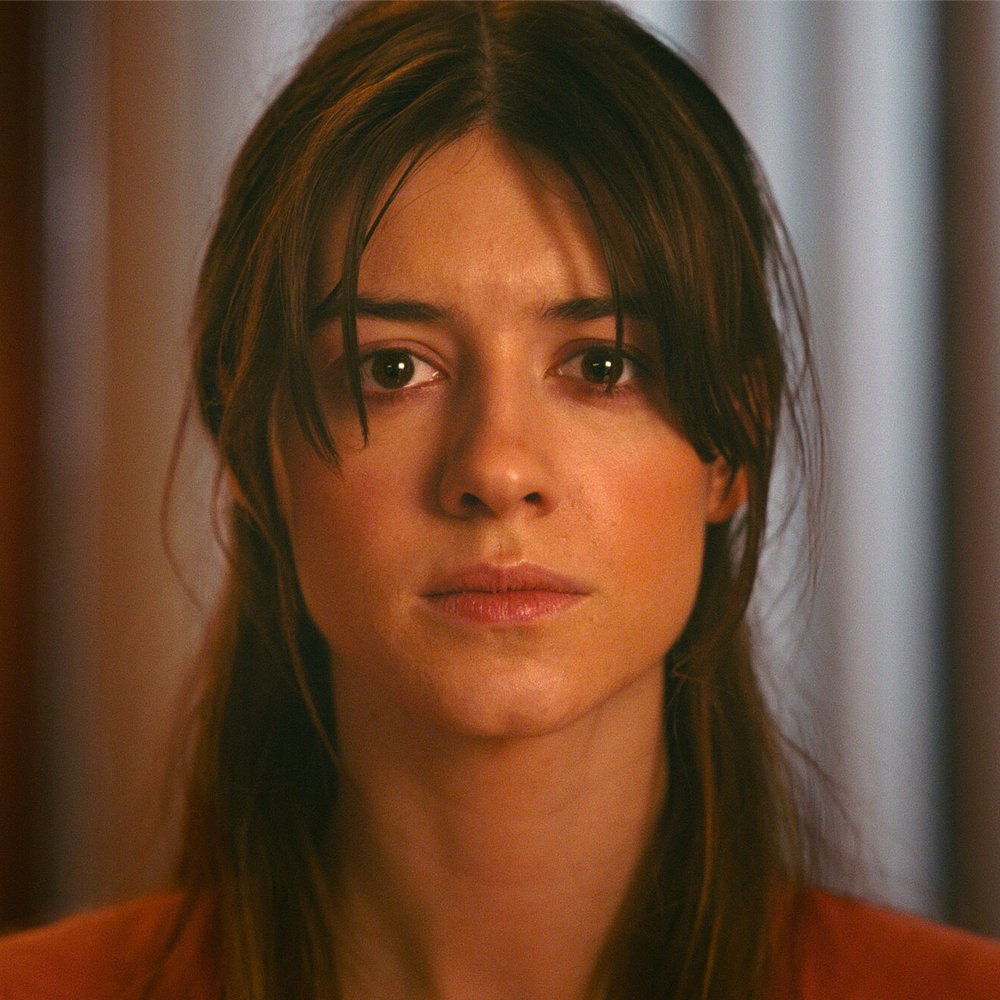
Fresh has all the ingredients to be the perfect modern thriller. It’s a black comedy about the horrors of modern dating starring Daisy Edgar-Jones and Sebastian Stan. There are plenty of mundane horrors to be had in the dating world, but Fresh ups the stakes and throws a cannibal into the dating pool.
Only the Scream franchise would introduce the word “re-quel” – a term so cinematically dense – into its already meta screenplay and premise. I expect nothing less from a series that has psycho-analyzed the totality of the horror genre while simultaneously creating its own expansive, trope-filled storyline. And in an age of tired reboots and sequels of once original and groundbreaking cinema, you would think that the new Scream would be equally as tired, especially with the franchise being in the state it was in prior to this installment. But 2022’s Scream proudly proclaims that this reboot is exactly what the franchise needed.
Of all the movies you’ve ever seen, how many of them can you specifically remember? Not just when and where you saw them, but who you were with, maybe even where you were sitting and what you chose to eat. For me there’s a lot of nostalgia tied up with doing this. I remember my life changing as a four year old being taken to see Star Wars in 1977 by my dad, as a special afternoon treat away from the hospital where I was undergoing long-term treatment for a collapsed lung.
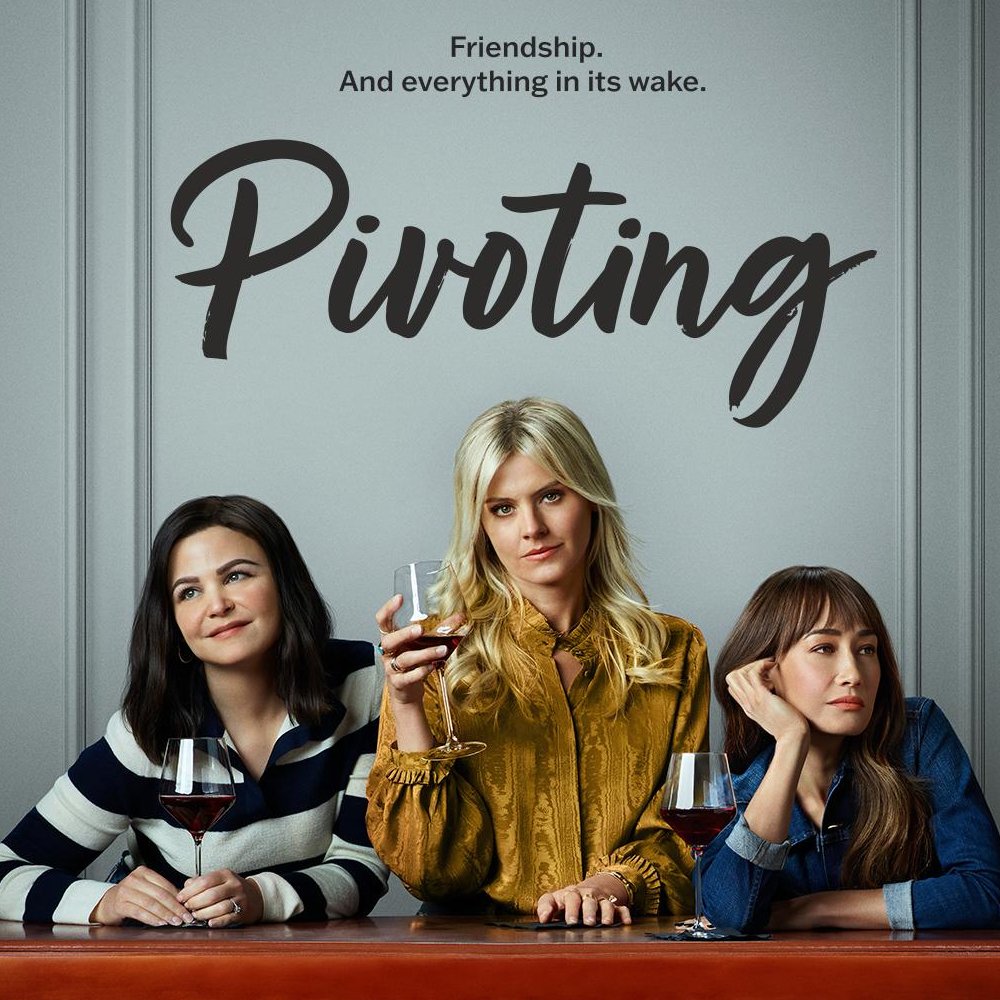
FOX’s newest comedy Pivoting, tells the story of three women in their thirties whose best friend Coleen, has just died. Awakened by the realization that life is short, they each decide to make big life changes.
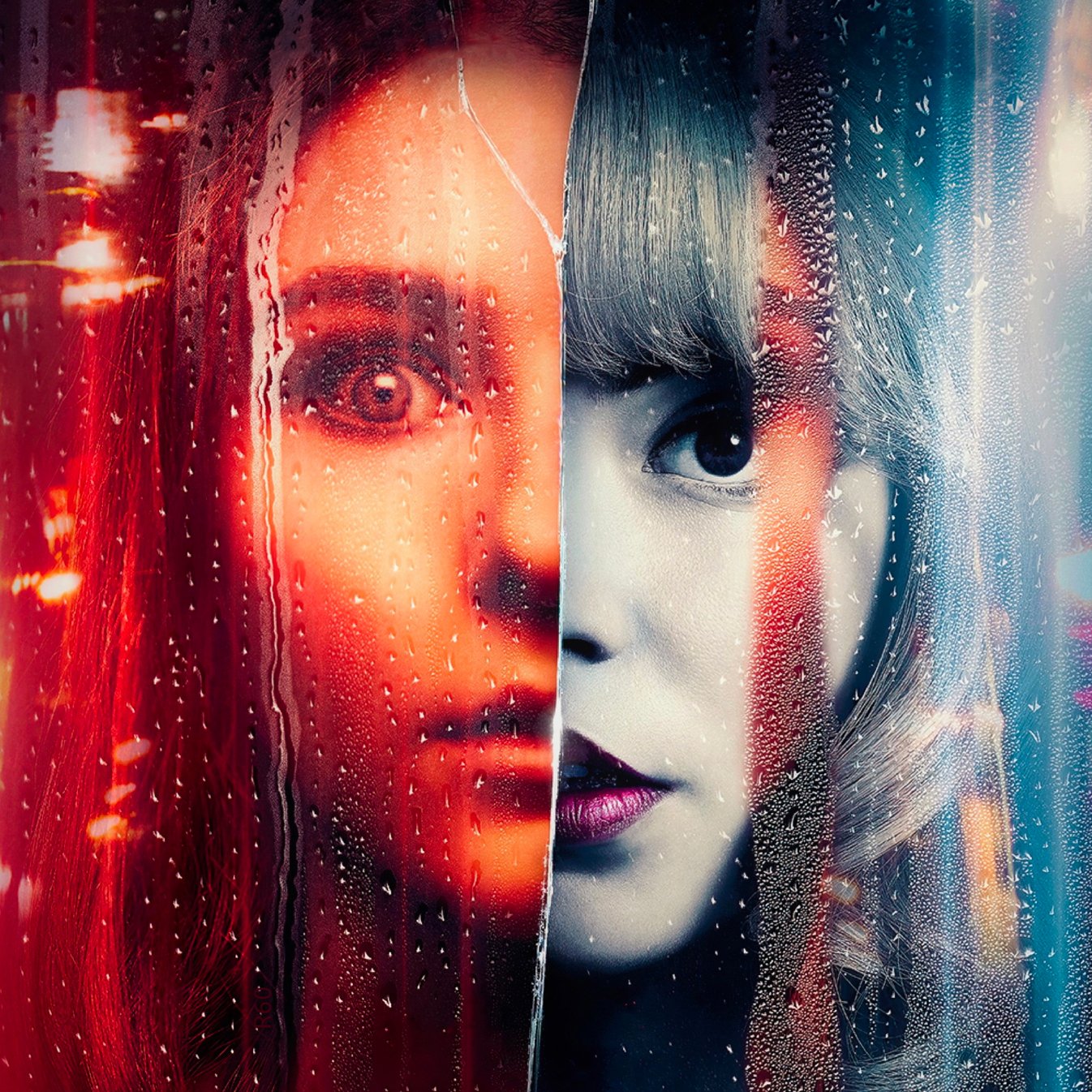
Last Night in Soho, a film directed by British filmmaker Edgar Wright, lives in between the 1960s and modern times in London, England. Starring staples of British stardom Anya-Taylor Joy (Sandie), Matt Smith (Jack), briefly Sam Claflin (Lindsey), and Thomasin McKenzie (Eloise/Ellie), this film follows the life of Eloise Turner, a young aspiring fashion designer with an infatuation with the swinging sixties of London as she navigates her extraordinary ability to body-jump into another young woman in her dreams.
When I was a kid, I used to lose myself in the Fighting Fantasy ‘choose your own adventure’ books. I’d map out the best paths through the story, making copious notes on optimal outcomes with deadly creatures trying to cut my reading short and my limbs shorter. I’d play along with dice, and unlike my reckless friends, try not to skip ahead to see if my choices were the right ones. If I died, I started over, and there was a tremendous sense of achievement in being able to successfully remember how to get to the end with one’s life intact.
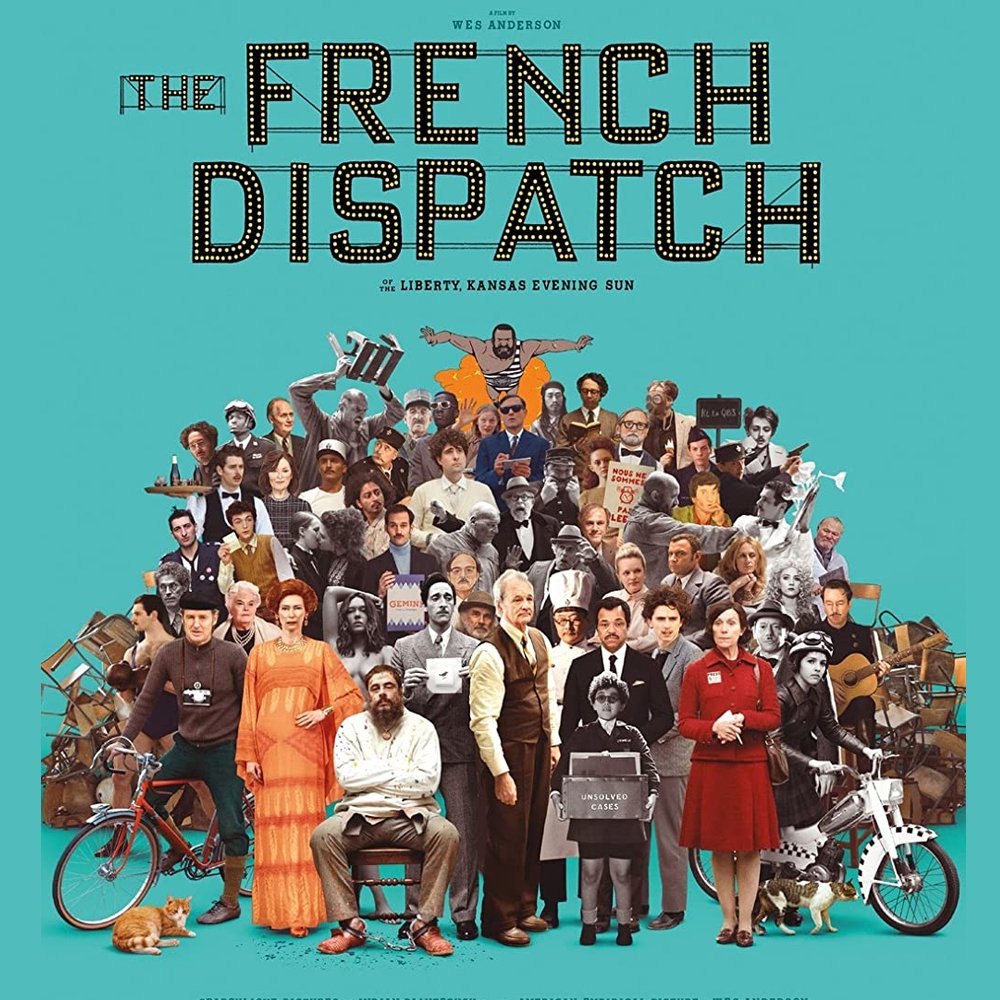
Wes Anderson is capable of more than his usual fantastical endeavours. In his newest film, he creates something entirely different, even from his nine other films of similar style. The French Dispatch, written, directed, and produced by Wes Anderson, is an anthology of several shorter stories tied together through a writer’s room of the fictional newspaper, Liberty, Kansas Evening Sun. Seemingly inspired by The New Yorker, this film is a tribute to journalism and eccentric storytelling.
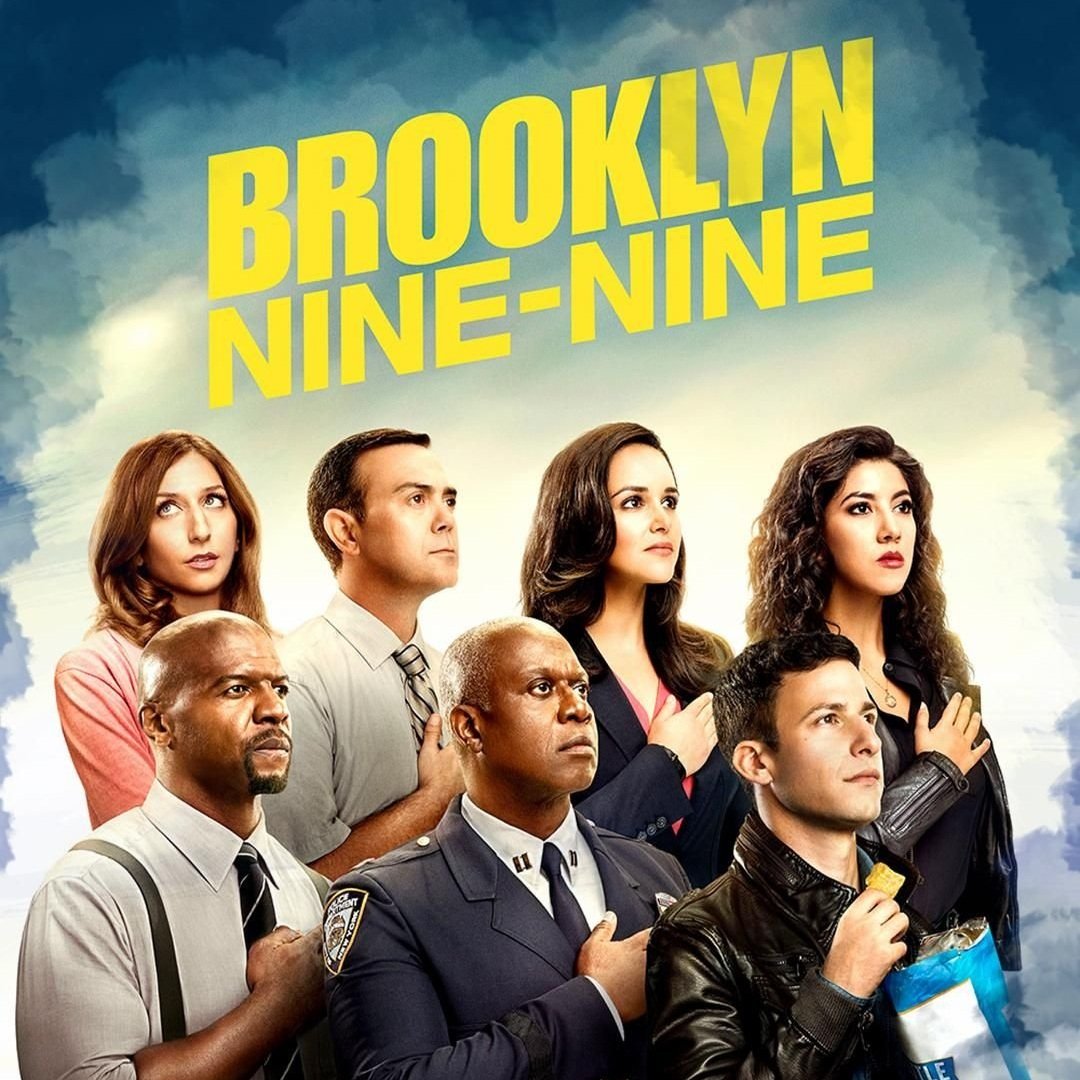
Nothing good can last forever -- including Brooklyn 99. Since the very beginning, I have always been a fan of the 99. From watching it when I was younger with my family, to finishing the final season amongst friends, it has been a constant in my life. I was devastated when Fox cancelled the show but ecstatic when NBC decided to give it another chance. When I heard the news that Brooklyn 99’s eighth season would be the show’s finale one, I understood that all good things must come to an end.
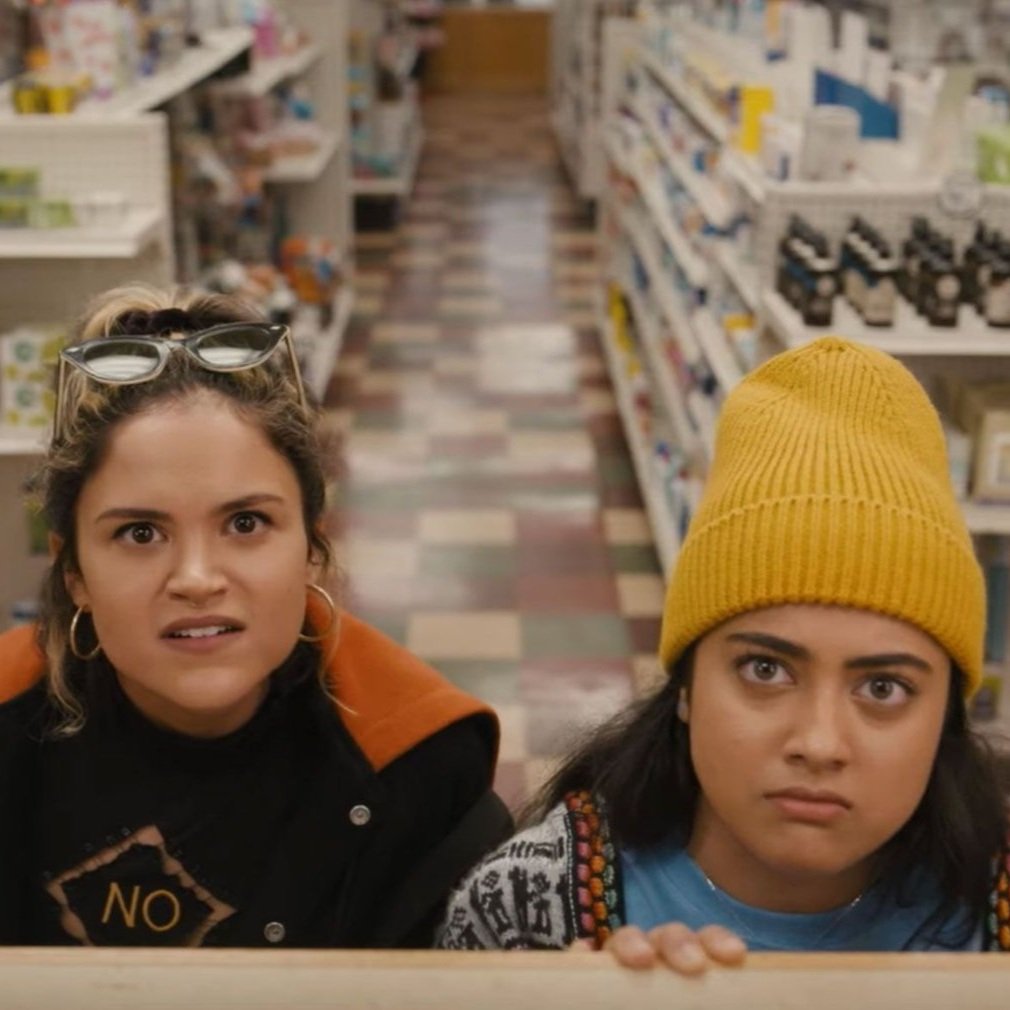
In 108 minutes, Plan B, directed by Natalie Morales, perfectly sums up the utter panic and chaos that is teenagerhood. The film follows two girls on an epically hyperventilating and winding road-trip to find the Plan B pill within their 24-hour window. There is not a ticking clock on the screen, but through the hyperactive dialogue and split-second decisions gone wrong, viewers can feel the powders of the Plan B pill disintegrating grain by grain.
Everyone loves a whodunit — or at least that’s what the steady growth of murder mysteries à la Knives Out and the true-crime rage I’ve written about for nearly 3 years tells me. The newest hit of the sort, stacked with stars from both screen and stage, finds favor across generations and genres. Only Murders in the Building, created by Steve Martin and John Hoffman, follows three unlikely friends as they create a podcast investigating, well, a murder in their building.
What is the recipe for success for a half-hour comedy these days? Apparently, it's to take a beloved New Zealand mockumentary about vampires and adapt it to American television.
What We Do in the Shadows, helmed by Oscar-winning Taika Watiti and Jermaine Clement of the original 2014 film of the same name, is a vampire-centric mockumentary-style show entering its third season. For those unfamiliar with the show, the main premise is that a group of centuries-old vampires emigrate to Staten Island from Europe, hoping to conquer the New World, but end up just being roommates in a dilapidated manor, getting into weekly shenanigans.