Not a fan of horror? Well, this is the perfect ghost-themed show for you.
Full disclosure: I hate horror movies. Whether it’s because of the jump-scares, eerie music or avoidable bad choices made by the protagonist, horror movies have never been my style. I have, however, always been fascinated by the idea of spirits and ghosts and can’t help but ask the same question whenever I watch a horror movie: what happens to all the normal people who die? Are all ghosts really vengeful spirits or creepy kids?
BBC’s Ghosts, a three-season sitcom, puts a charming spin on the afterlife, giving us a witty and comedic take on the life of a group of ghosts who were, for all intents and purposes, regular people from various time periods.
The series follows Alison (Charlotte Ritchie) and Mike (Kiell Smith-Bynoe), an unwitting couple whose dreams of owning a home come true when they inherit a beautiful country manor from a recently deceased distant relative. Unbeknownst to them, the manor is already home to a group of squabbling ghosts, comprised of a decently articulate caveman, a lovesick yet lacklustre 1800s poet, a Stuart-era witch trial victim, a friendly scout leader, an uptight World War 2 captain, a decapitated Tudor and a 90’s British politician, amongst others.

Upon hearing Mike and Alison’s plans to renovate the house into a hotel, the ghosts fear their quiet home being overrun by tourists and begin their pathetic attempts at “haunting” the house to drive the new homeowners away. Though they soon realise that they are rather incompetent at scaring away the newcomers, an accident occurs that enables Alison to communicate and interact with them, creating excitement and much-needed change in the lives of these bored spirits.
In a time when most sitcoms seem generic and repetitive, BBC’s Ghosts (ironically) breathes some life back into the genre. The family-friendly sitcom maintains its light, comedic tone without cheapening the seriousness of its heavier themes, including death, forgiveness and compassion.
One of the things that I love about the show is its pacing. With only six episodes a season, BBC’s Ghosts doesn’t seem forced or rushed. Each of its three seasons zeroes in on a few ghosts, exploring their lives and deaths and giving each of them the screen time needed to flesh out their characters. Season 1, for instance, takes time away from the daily misadventures of Alison and the ghosts to explore the death of cheerful scout leader Pat (Jim Howick) who died when one of his young scouts accidentally misfired an arrow during an archery lesson in the house compound, leaving Pat forever impaled with an arrow through his neck. Though his death is portrayed with an element of comedic relief, the show later allows Pat to get the closure he needs throughout the season. Ghosts stays anchored in its comedic roots while exploring the mistakes we make in our everyday lives and the sobering reality of what those mistakes result in once we’re gone

Don’t get me wrong, Ghosts is still filled with ridiculous plots, witty banter and jokes at every opportunity. At its core, it’s a comedy about an unlikely found family who are trying to be a little better each day.
One criticism that I have of Ghosts is that although it doesn’t rush its character development or plot, it often tries to stuff a few too many subplots into a single episode to include as many of the characters on screen as possible. It works well if you’re looking for a show to laugh and unwind, but it comes at the expense of consistency in worldbuilding. How are the ghosts able to pass through some things and not the others? Why do only some people turn into ghosts? Hopefully, these questions will be answered in upcoming seasons of the show, but for now it’s best not to think too much about them.
One of the main reasons that the show fairs so well as a comedy is because of its quirky yet complex and engaging characters that are written and portrayed by the talented cast. The core cast is composed of six British comedians who got their big break on the live-action sketch show Horrible Histories, a children's comedy that explores the gritty and hilarious details of British history. Consisting of Mathew Baynton, Simon Farnaby, Martha Howe-Douglas, Jim Howick, Laurence Rickard, and Ben Willbond, the group quickly gained popularity and have since come together for numerous collaborations, with BBC’s Ghosts being the latest in their list of shared works.
Their familiarity with one another plays off well on screen and remains one of my favourite aspects of the show. You can almost see through the screen the fun that they’re having working with each other, which translates well to the viewers. I also personally enjoyed the pairs and dynamics between the characters themselves as well. A caveman and a politician who enjoy playing chess together? The jokes write themselves!
I don’t think this show is for die-hard horror junkies looking for their next thrill or drama fans in search of something heavy. However, if you’re looking for something heartwarming to make you laugh, then BBC’s Ghost’s delivers - especially if you can’t resist the ol’ found family trope.
P.S. CBS has recently acquired the rights to the show in the US and is making a more “American” adaptation of the show that’s set to launch in October 2021, though I’d highly recommend watching the original BBC version of it that’s available on HBO Max first.

Popular Reviews
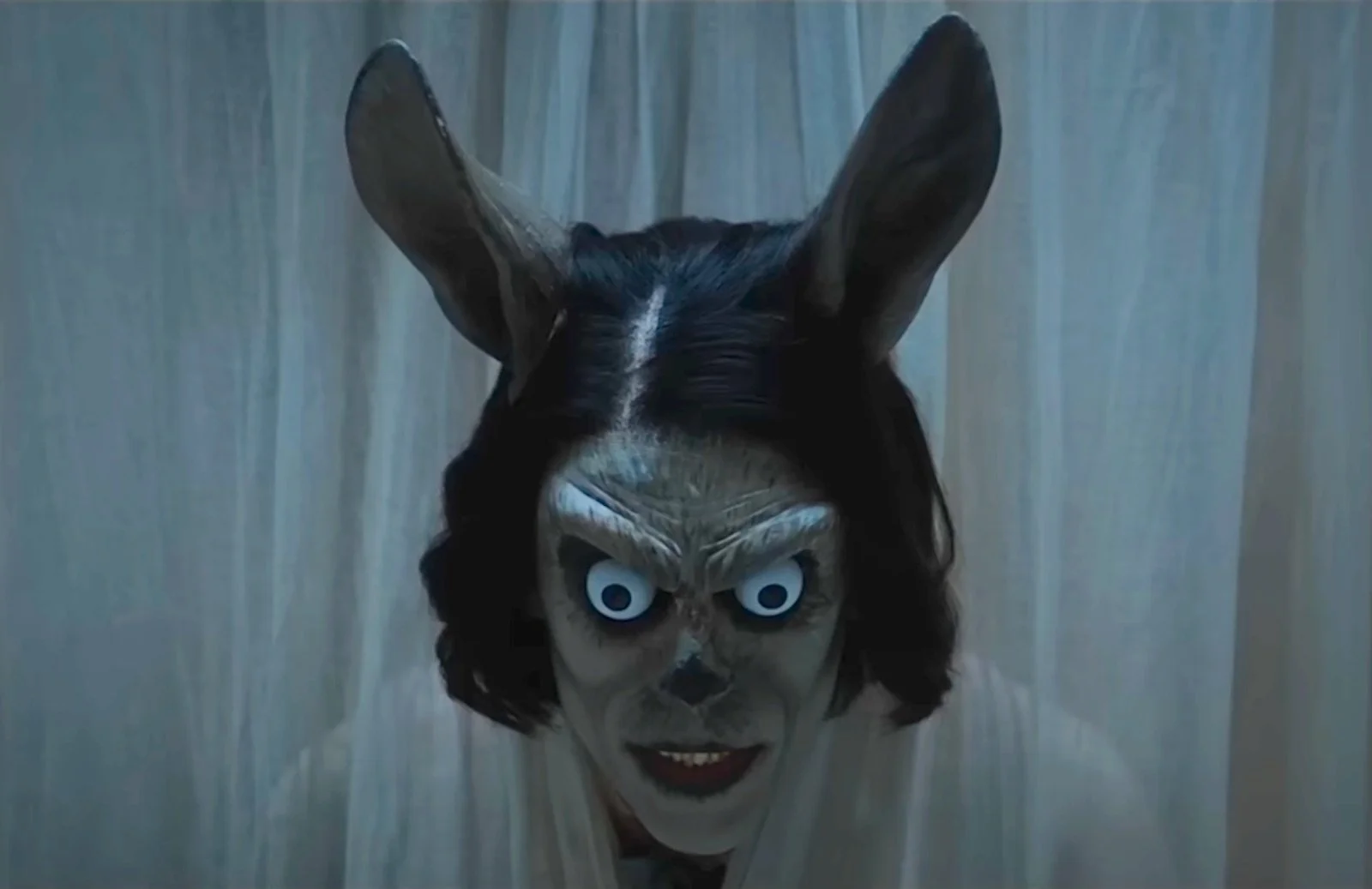
There are three things you should never do in a Damian McCarthy movie: Accept an odd job offer, touch an antique object, and most importantly, never go into a building that seems even remotely interesting. Damian McCarthy, the Irish horror director behind Caveat (2020), Oddity (2024), and Hokum (2026), has a very special talent for constructing physical spaces that feel fundamentally wrong. Watching his three movies provides a vivid illustration of how McCarthy has grown as a director and how he has mastered the art of the haunted house.
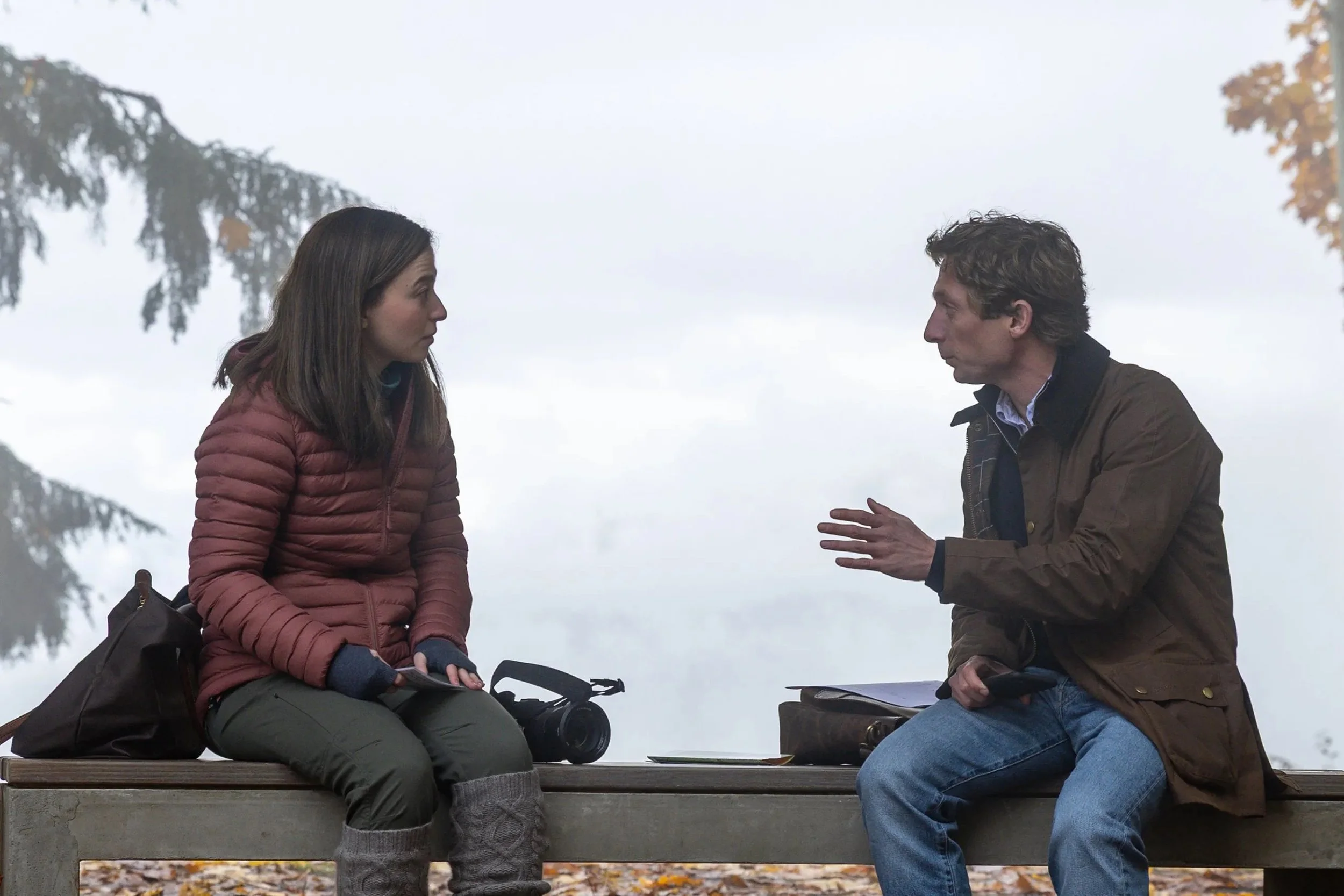
It’s 2026. The AI arms race is fully underway, and all the major tech players are rolling out new and better generative products. You hear that Aaron Sorkin, the Academy-trophied Tiresias who wrote The Social Network, has penned (and directed) a sequel of sorts that continues the Facebook story.
Then you find out it’s about The Facebook Files, what turned out to be an explosive but less-than-apocalyptic episode in the company’s history, and something within you deflates.
No one reading this has to imagine that scenario, because it is, of course, what happened.The Social Reckoninghas just hit theaters—and it’s a colossal misfire.
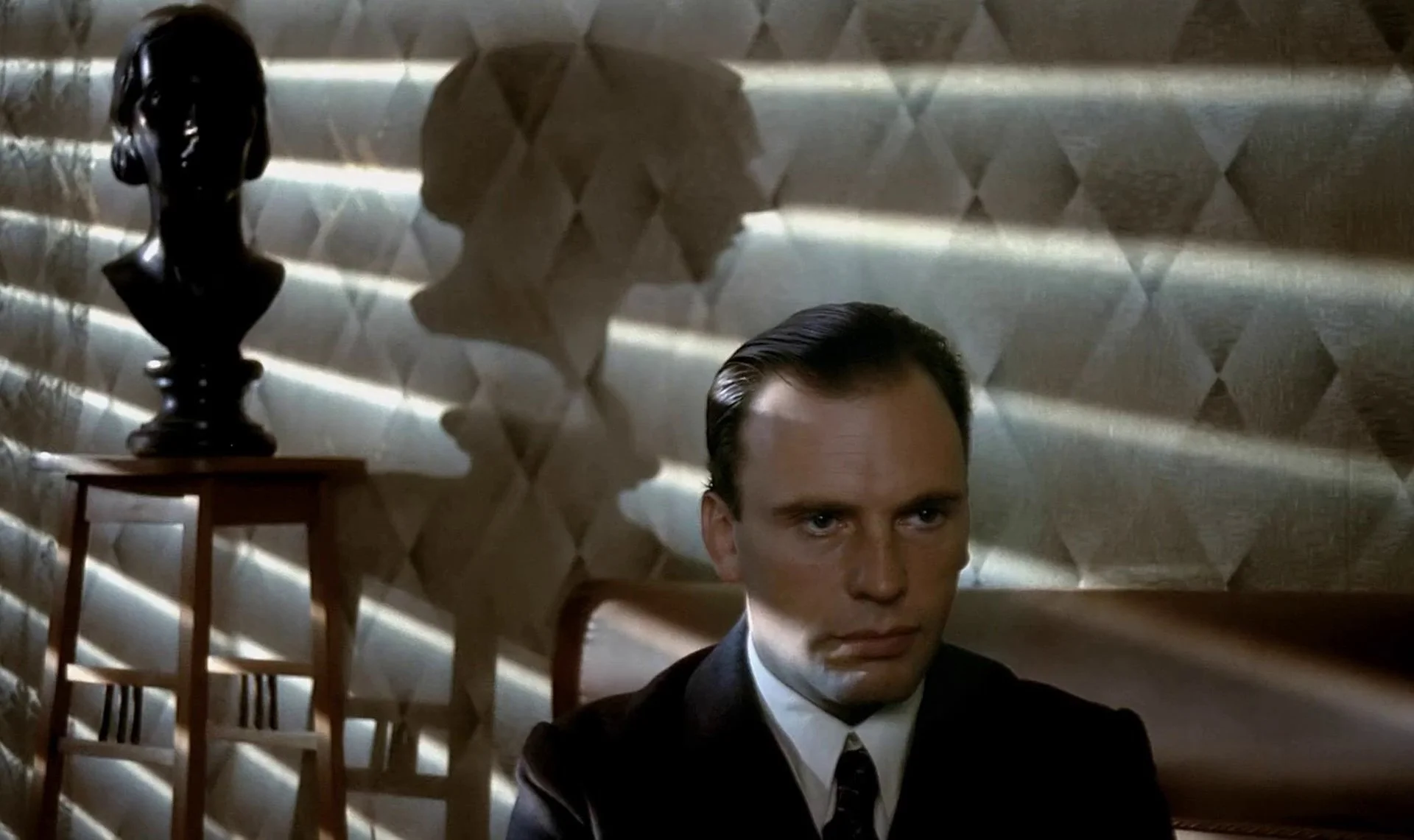
Bernardo Bertolucci’s Il Conformista tells the story of fascist spy named Marcello on an assassination mission, as memories from his past haunt him in the present. One of the film’s central ideas is Marcello’s faith in the image of fascist Rome. Bertolucci weakens this image through a distortion of time and space and powerful imagery
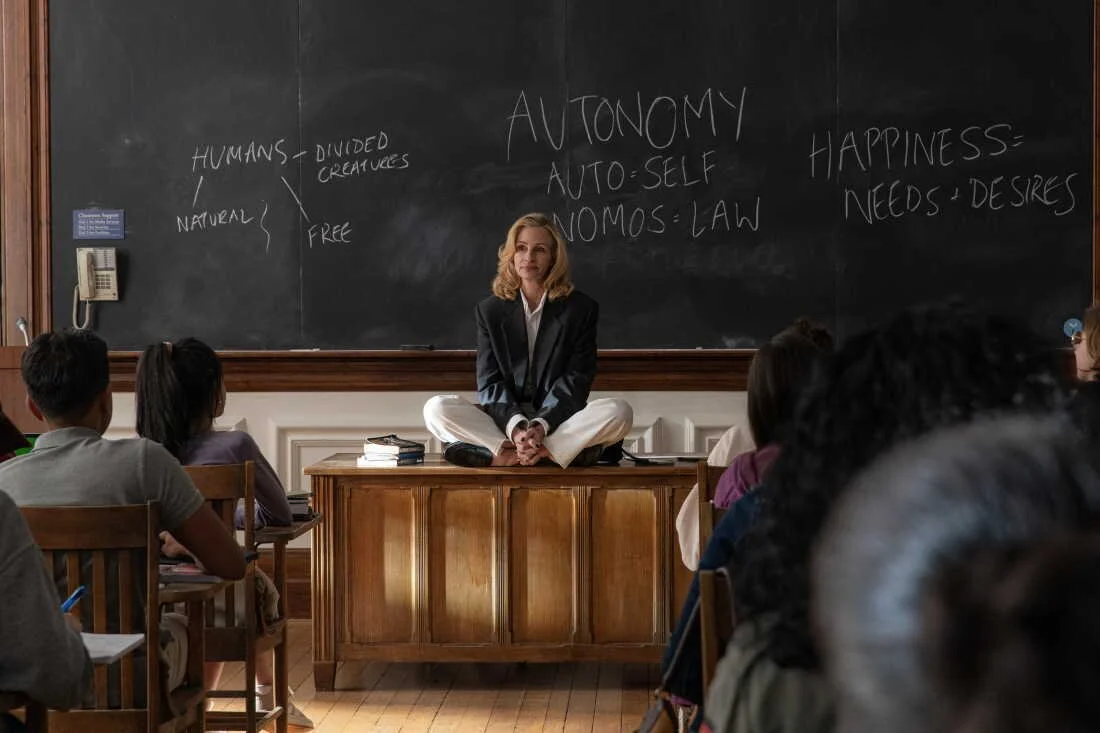
Summer is over once again, and to ring in the new season–and our new members–The Moviegoer lists the best and most iconic college movies (with special emphasis paid to the ones that are about the back to school season). The following fifteen classics are in no particular order.
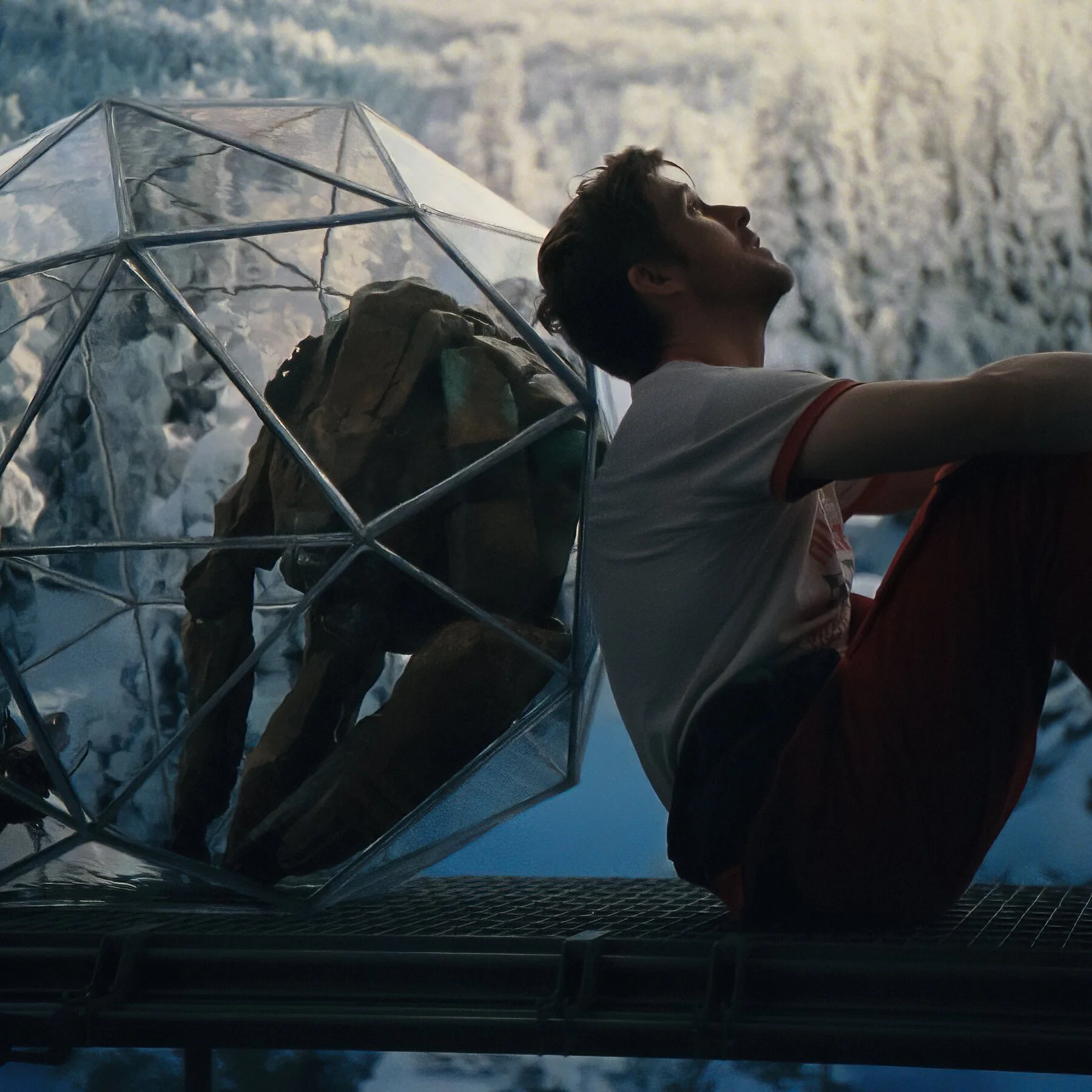
Project Hail Mary is an adaptation of Andy Weir’s 2021 novel of the same name. It follows science teacher Ryland Grace (Ryan Gosling) after he wakes up on a spaceship with no memory of how he got there. As his memory returns, he also gains an unlikely friendship in Rocky the Eridian alien. The acting is great, the screenplay is charming and full of heart, and the visuals are striking.
More in Horror Reviews
There are three things you should never do in a Damian McCarthy movie: Accept an odd job offer, touch an antique object, and most importantly, never go into a building that seems even remotely interesting. Damian McCarthy, the Irish horror director behind Caveat (2020), Oddity (2024), and Hokum (2026), has a very special talent for constructing physical spaces that feel fundamentally wrong. Watching his three movies provides a vivid illustration of how McCarthy has grown as a director and how he has mastered the art of the haunted house.
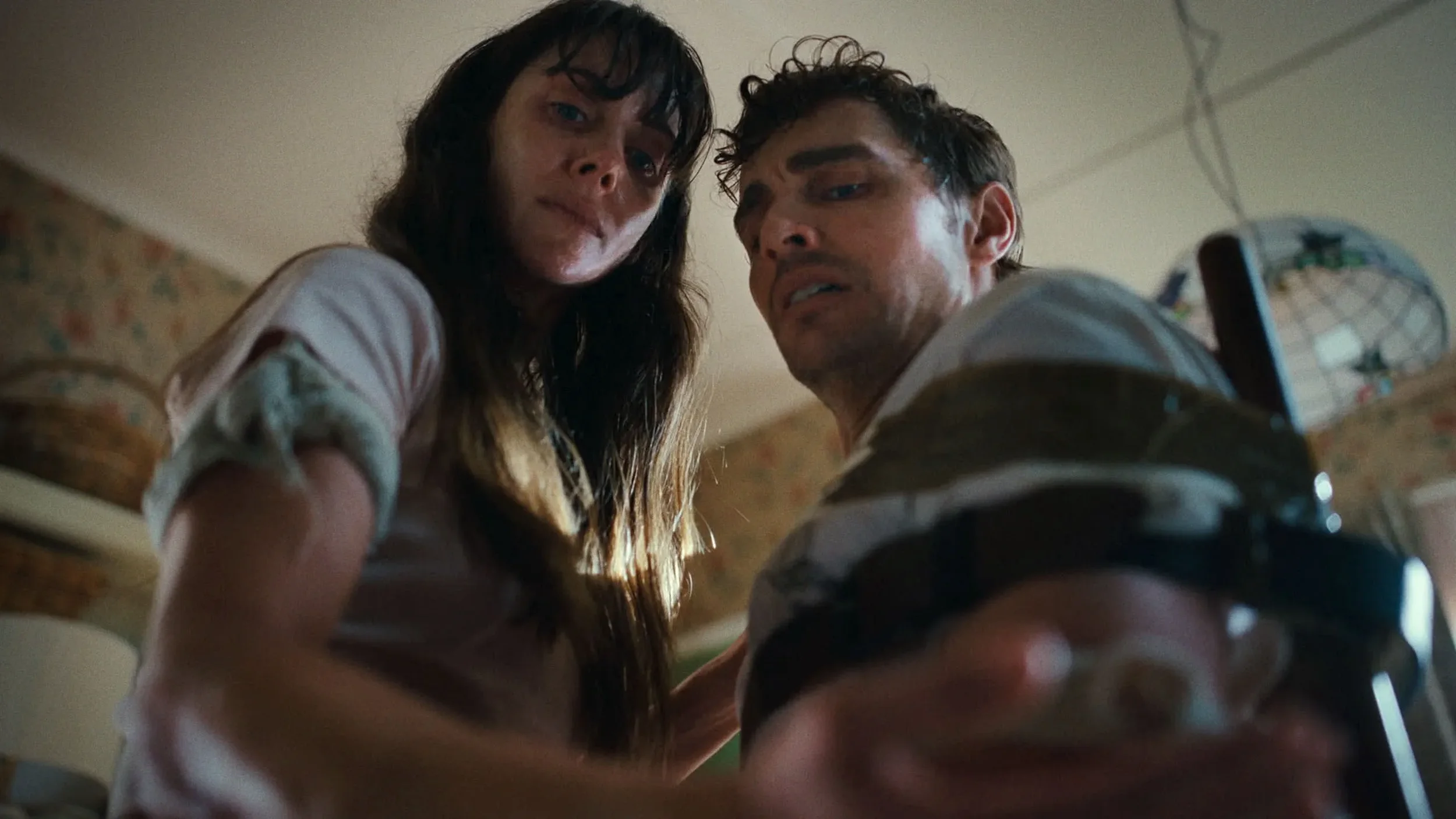
If you asked most people a few years ago who was “winning” indie horror, the answer would've been obvious: A24, of course. But between 2021 and now, something shifted. Not all at once and not always clearly, but deliberately. While A24 horror started to feel scattered, Neon built something more strategic.
What’s interesting is that Neon didn’t start with a clear horror identity at all. It was built over time, and I track that evolution in three distinct pseudo-phases: pre-Titane, post-Titane, and post-Longlegs. Each phase had a different strategy. First it was discovering talent, then experimenting with identity, and finally scaling into something that looks a lot like dominance.
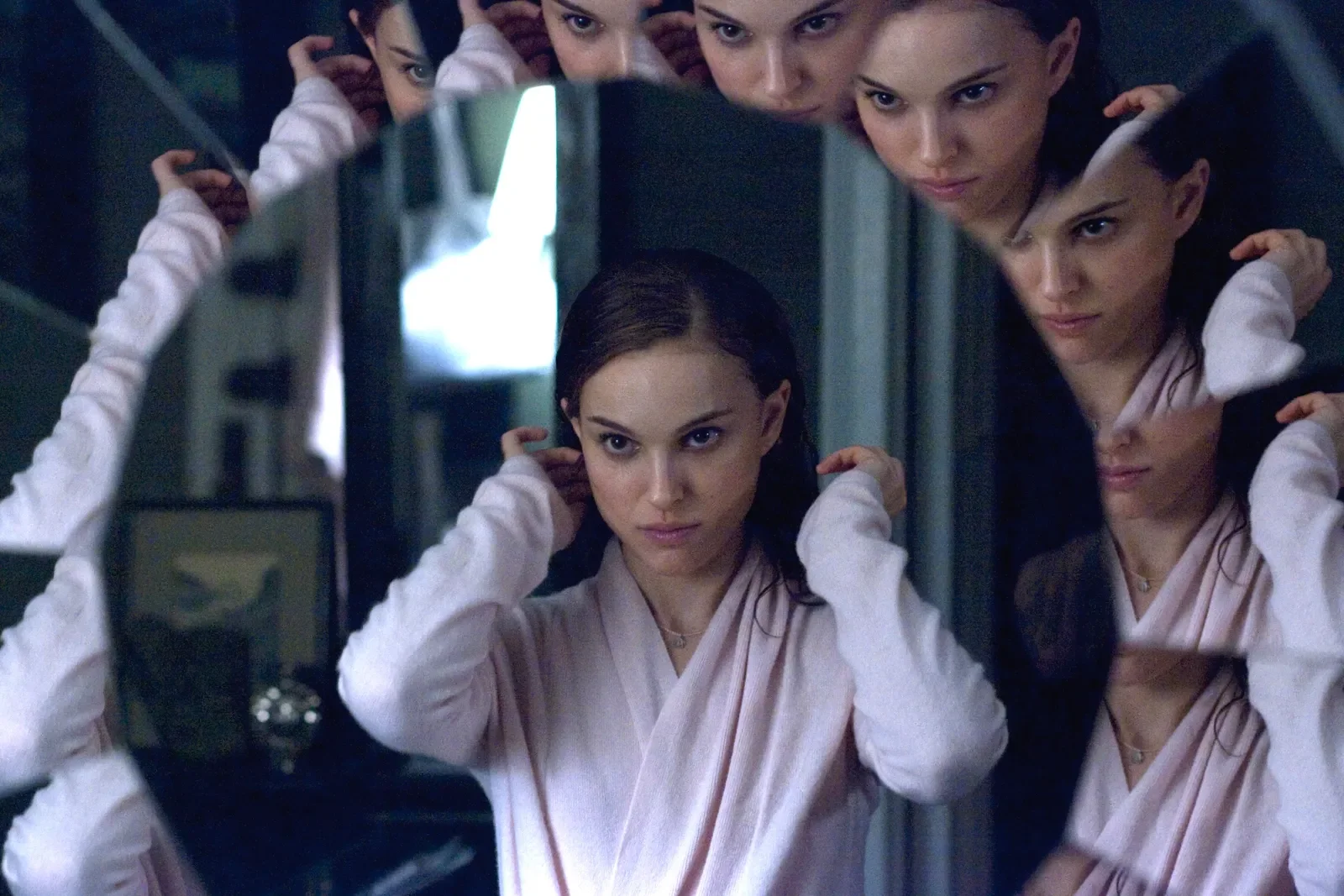
15 years ago today, Daren Aronofsky’s psychological thriller Black Swan hit theaters for the first time. The film was seen as a return to form for the director, bringing back much of the neurotic style that his infamous 2000 film Requiem for a Dream had–now dressed in the suffocating clothes of ballet instead of drug induced paranoia. In the time between these two films, Aronofsky released the oddball sci-fi film The Fountain (2006) to mixed reviews, and the quiet and candid The Wrestler (2008) to slightly better reception. Both of these films were a stark departure from Aronofsky’s Requiem for a Dream and Aronofsky’s affinity for reveling in his audience's misery. Now 15 years since its release, Black Swan has seen continued life in the misguided discourses of social media comment sections. Before I critique these discourses however, I would like to critically discuss the film detached from its legacy and reception.
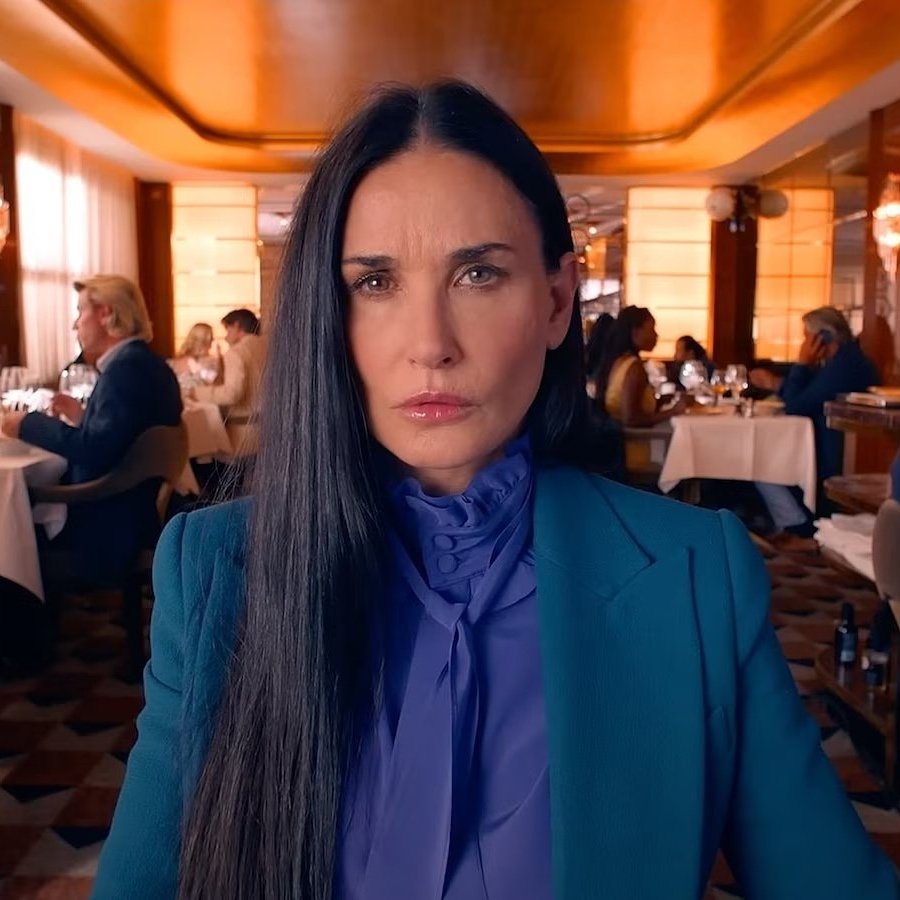
I didn’t like The Substance at first, likely because I was trying to avoid the reality that most women, indeed, are victims. That conversations around women’s bodies go beyond mere comments or jokes—they compose our being. They dictate how long others deem us worthwhile partners or employees. They tell us to spend our New Year’s at the gym instead of with our families. To spend that extra minute dawdling in front of the bathroom mirror. To gawk when we see a woman over 60 on our movie screen. And that no matter how good at your job you are, everyone is talking about your boobs.
I first argue for extending the class of common constructs for analyzing horror media to two more constructs: constraints and character responses. I then analyze horror films belonging to the Fourth Cinema, i.e. Indigenous cinema as described by Barry Barclay. I plan to argue that these films have a distinct conceptualization of these three constructs that stems from ideas about community.

There are few villains in cinema more iconic than Michael Myers. From his misshapen William Shatner mask to his trademark kitchen knife, mere suggestions of these images are enough to send chills down the spines of generations of Americans, even for those who haven’t seen the Halloween films. I’ll be honest with you from the start: I don’t like Halloween very much, but give me a chance to explain.
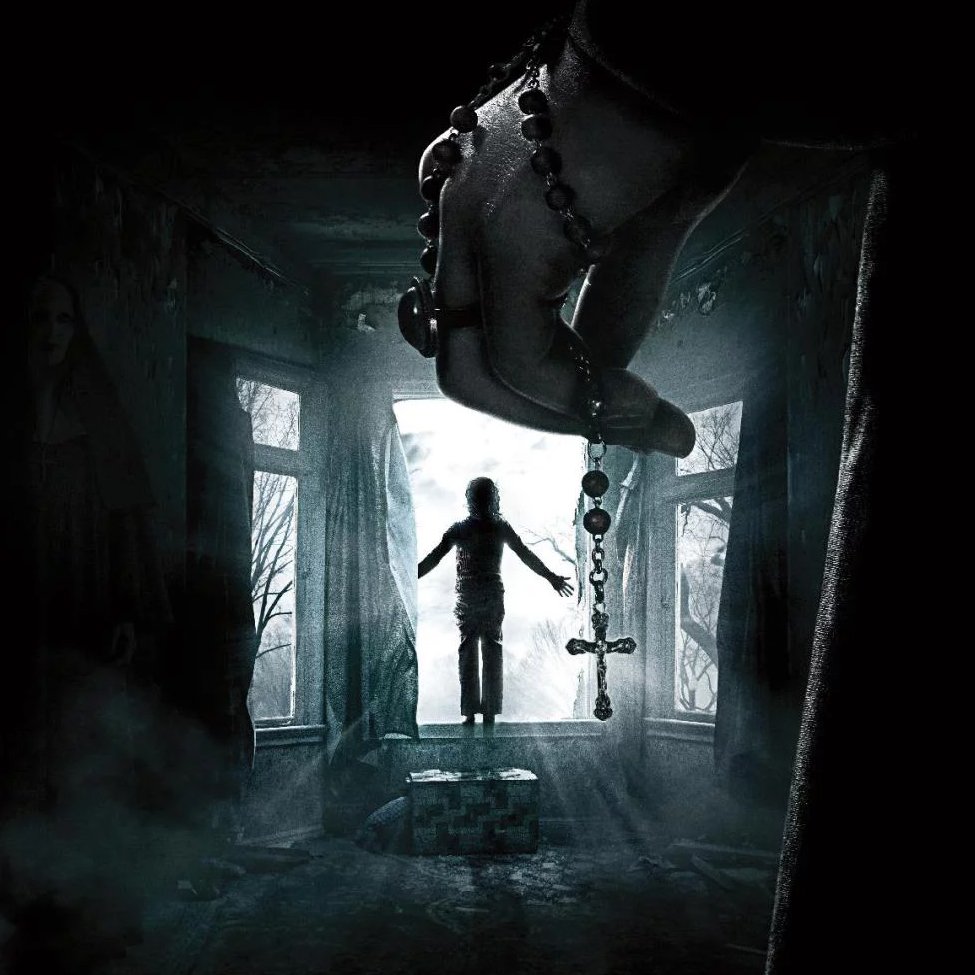

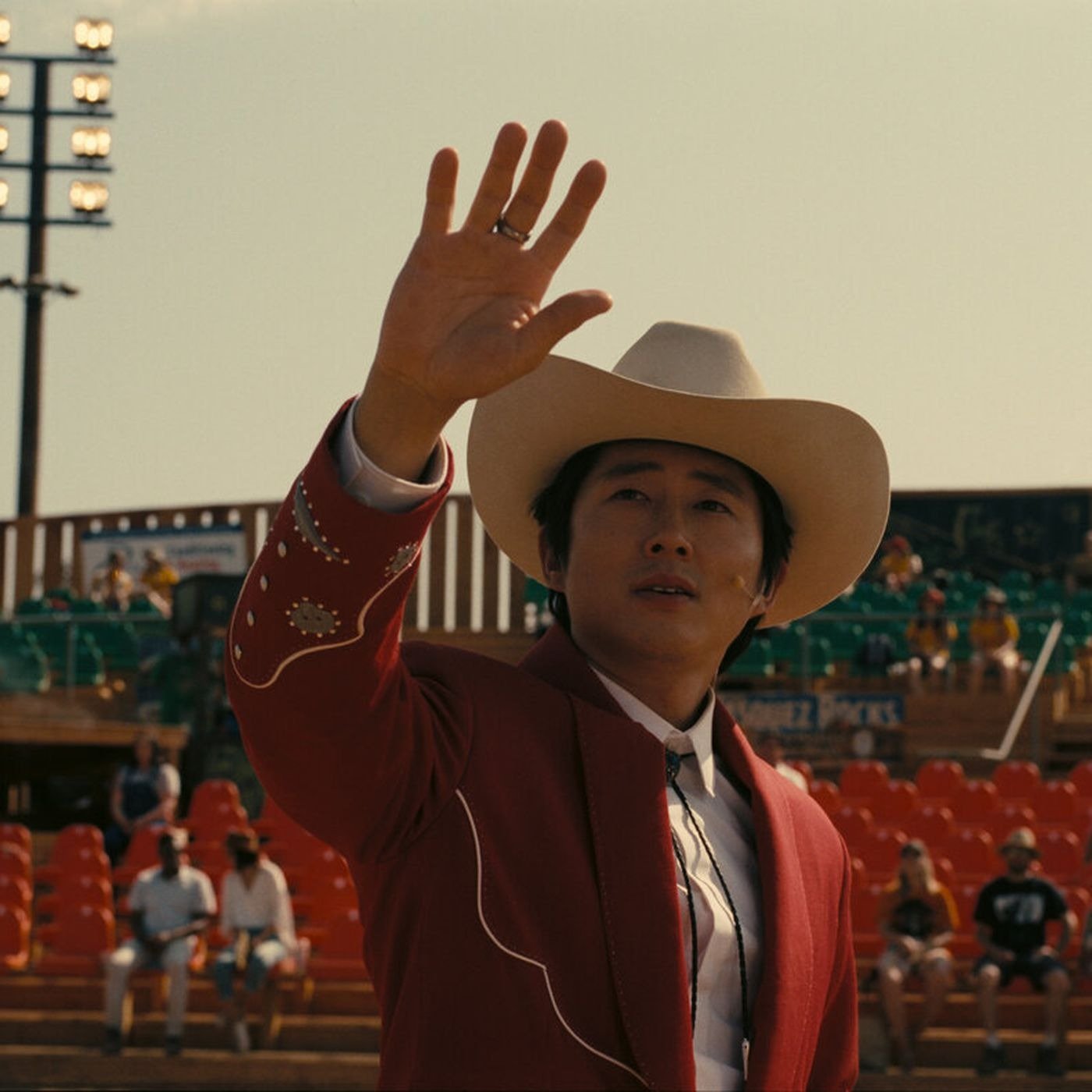
This visually striking film isn’t as scary as the trailers make it out to be, but instead it is a story about family bond, the history and importance of the black community in filmmaking, and of course, alien invasion.
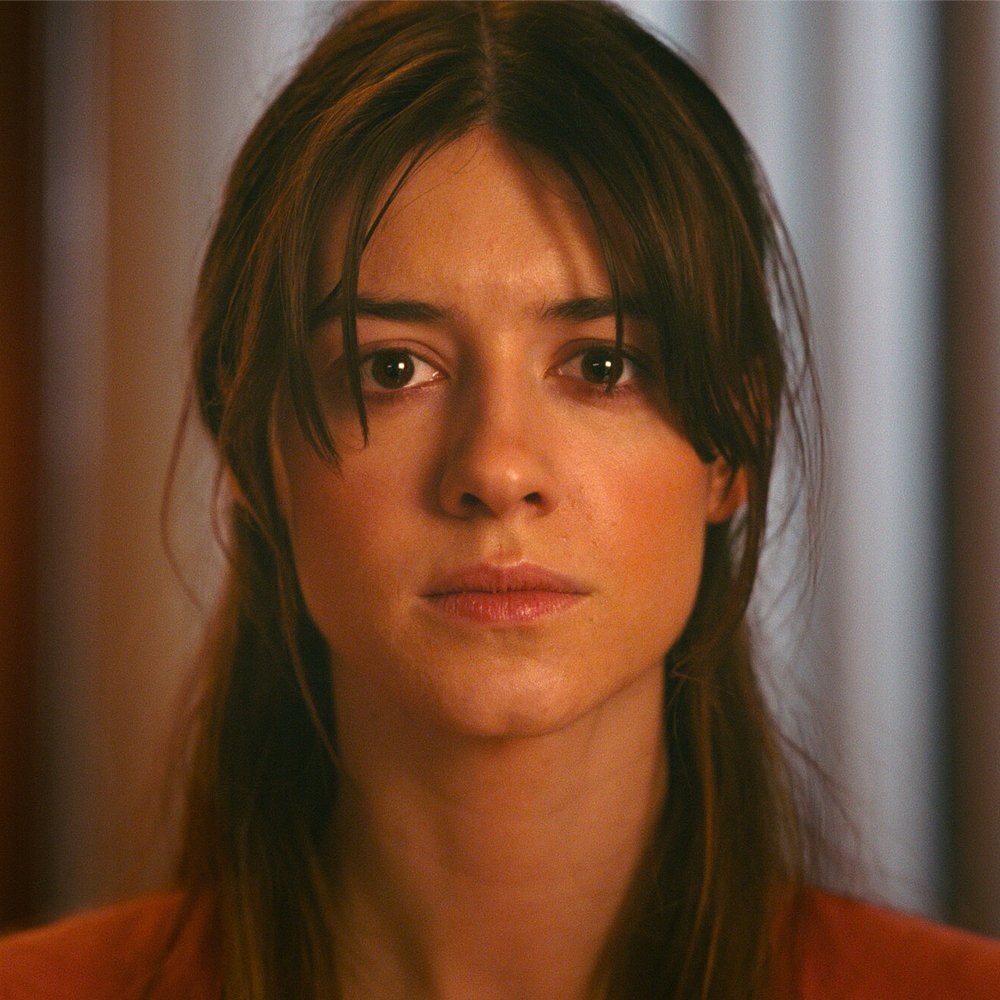
Fresh has all the ingredients to be the perfect modern thriller. It’s a black comedy about the horrors of modern dating starring Daisy Edgar-Jones and Sebastian Stan. There are plenty of mundane horrors to be had in the dating world, but Fresh ups the stakes and throws a cannibal into the dating pool.

Only the Scream franchise would introduce the word “re-quel” – a term so cinematically dense – into its already meta screenplay and premise. I expect nothing less from a series that has psycho-analyzed the totality of the horror genre while simultaneously creating its own expansive, trope-filled storyline. And in an age of tired reboots and sequels of once original and groundbreaking cinema, you would think that the new Scream would be equally as tired, especially with the franchise being in the state it was in prior to this installment. But 2022’s Scream proudly proclaims that this reboot is exactly what the franchise needed.

Of all the movies you’ve ever seen, how many of them can you specifically remember? Not just when and where you saw them, but who you were with, maybe even where you were sitting and what you chose to eat. For me there’s a lot of nostalgia tied up with doing this. I remember my life changing as a four year old being taken to see Star Wars in 1977 by my dad, as a special afternoon treat away from the hospital where I was undergoing long-term treatment for a collapsed lung.
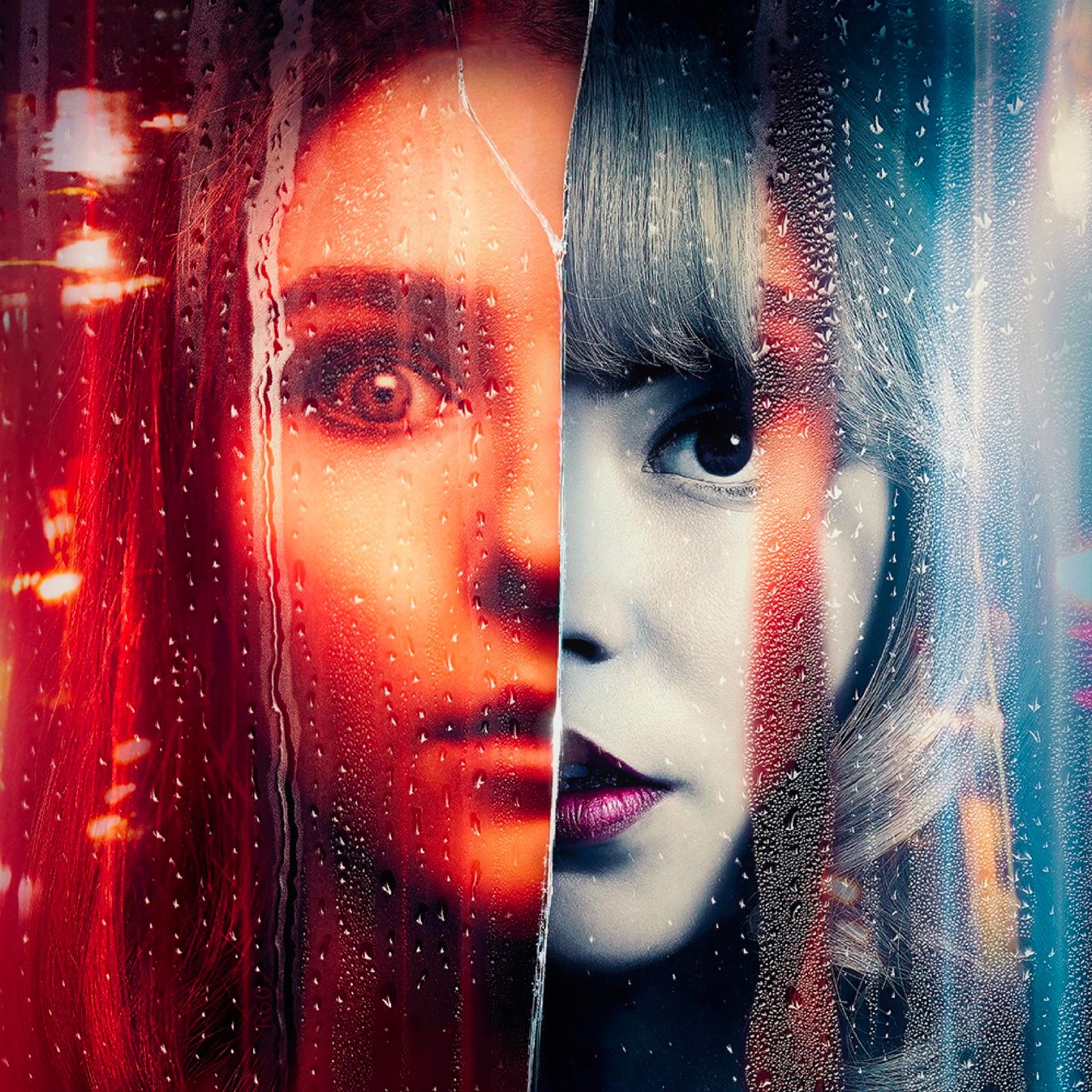
Last Night in Soho, a film directed by British filmmaker Edgar Wright, lives in between the 1960s and modern times in London, England. Starring staples of British stardom Anya-Taylor Joy (Sandie), Matt Smith (Jack), briefly Sam Claflin (Lindsey), and Thomasin McKenzie (Eloise/Ellie), this film follows the life of Eloise Turner, a young aspiring fashion designer with an infatuation with the swinging sixties of London as she navigates her extraordinary ability to body-jump into another young woman in her dreams.

When I was a kid, I used to lose myself in the Fighting Fantasy ‘choose your own adventure’ books. I’d map out the best paths through the story, making copious notes on optimal outcomes with deadly creatures trying to cut my reading short and my limbs shorter. I’d play along with dice, and unlike my reckless friends, try not to skip ahead to see if my choices were the right ones. If I died, I started over, and there was a tremendous sense of achievement in being able to successfully remember how to get to the end with one’s life intact.

What is the recipe for success for a half-hour comedy these days? Apparently, it's to take a beloved New Zealand mockumentary about vampires and adapt it to American television.
What We Do in the Shadows, helmed by Oscar-winning Taika Watiti and Jermaine Clement of the original 2014 film of the same name, is a vampire-centric mockumentary-style show entering its third season. For those unfamiliar with the show, the main premise is that a group of centuries-old vampires emigrate to Staten Island from Europe, hoping to conquer the New World, but end up just being roommates in a dilapidated manor, getting into weekly shenanigans.
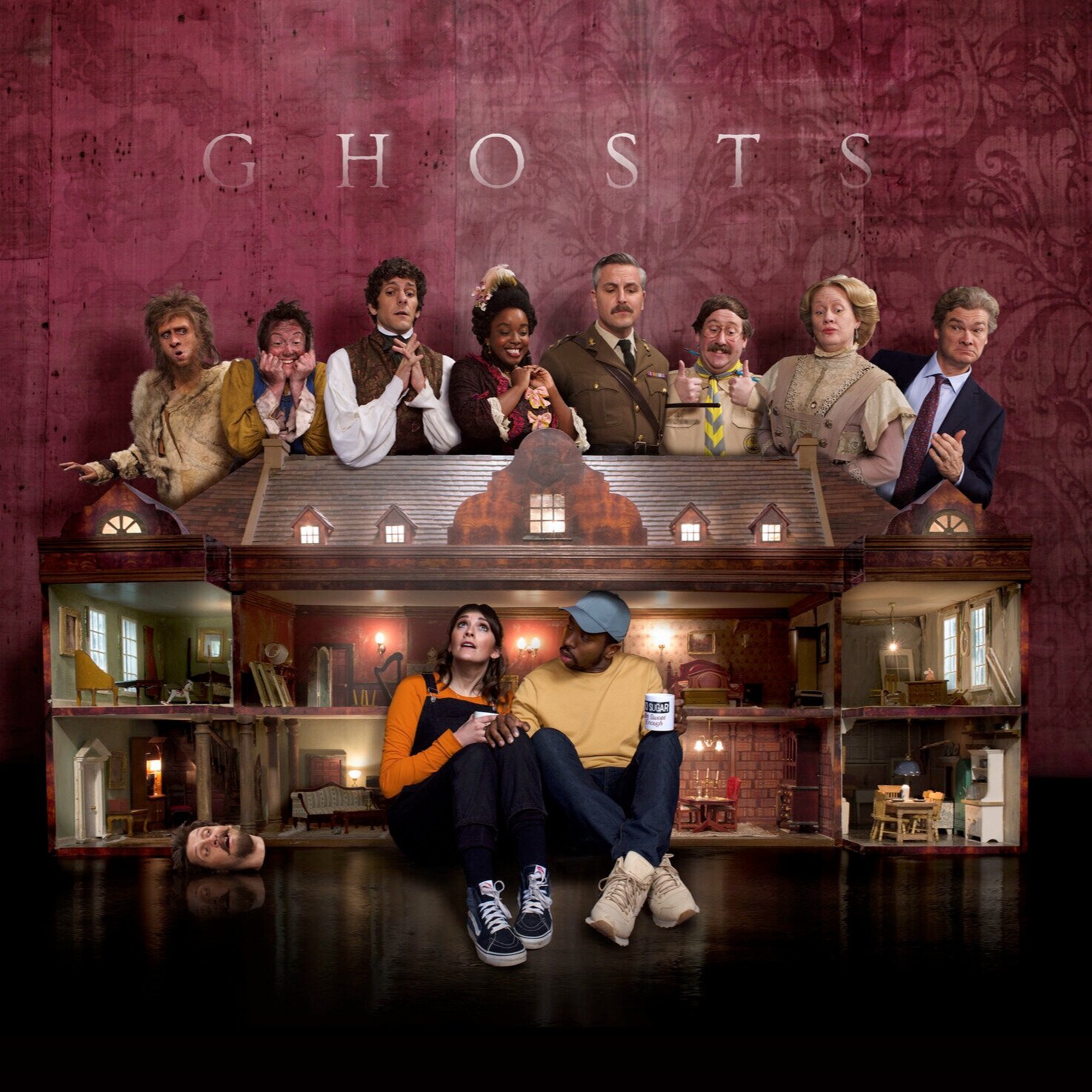
Not a fan of horror? Well, this is the perfect ghost-themed show for you. Full disclosure: I hate horror movies. Whether it’s because of the jump-scares, eerie music or avoidable bad choices made by the protagonist, horror movies have never been my style. I have, however, always been fascinated by the idea of spirits and ghosts and can’t help but ask the same question whenever I watch a horror movie: what happens to all the normal people who die? Are all ghosts really vengeful spirits or creepy kids?

I Blame Society is a terrifyingly brilliant satirical film that touches upon many important issues of our time: sexism, art, crime, and Hollywood disillusion. Directed by Gillian Horvat & co-written by herself and Chase Williamson, the semi-fictional story follows ‘Gillian’ (a semi-fictional character played by Horvat herself), as she works on a film based on a semi-compliment from a few of her friends that she would make a good murderer. Frustrated by the constant rejection and belittling of her talent, Gillian decides to take the film to the finish line completely on her own, exploring how far her character can go in planning murders, while taking a camera with her wherever she goes no matter how her friends or boyfriend feel about it.