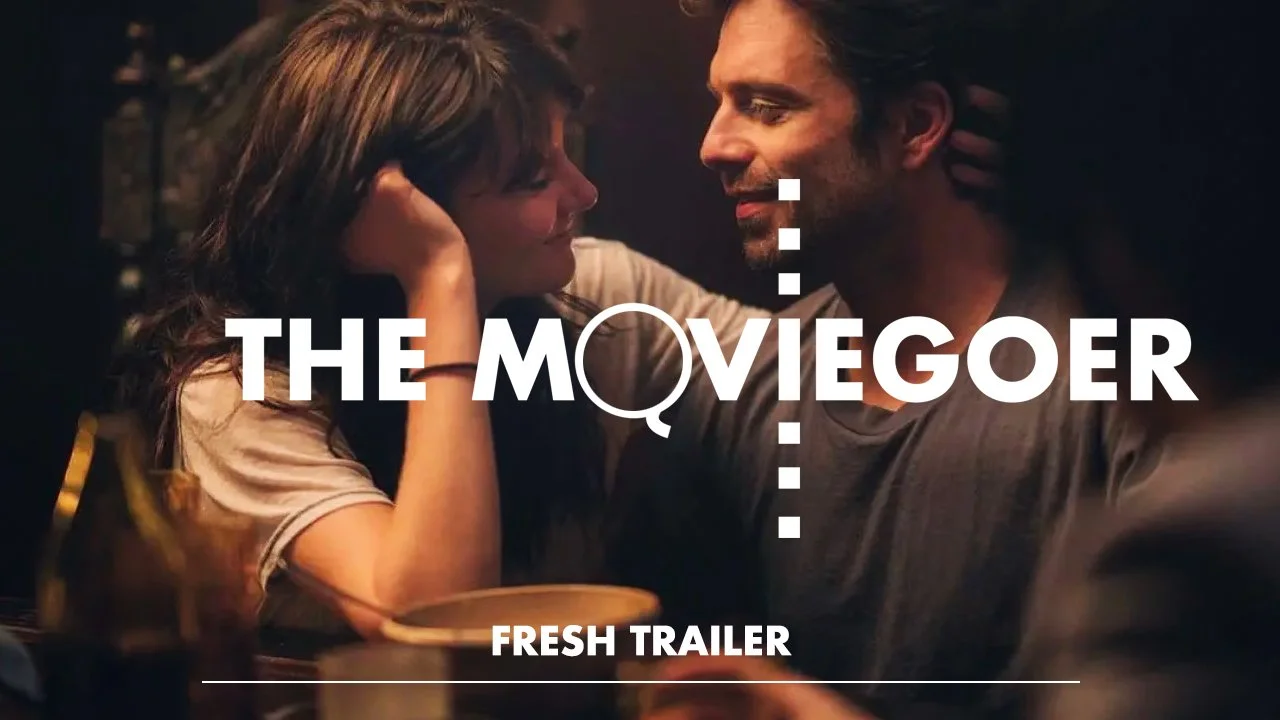
Fresh has all the ingredients to be the perfect modern thriller. It’s a black comedy about the horrors of modern dating starring Daisy Edgar-Jones (who will soon feature in Where the Crawdads Sing and Under the Banner of Heaven) and Sebastian Stan (fresh off his role in Pam and Tommy). There are plenty of mundane horrors to be had in the dating world, but Fresh ups the stakes and throws a cannibal into the dating pool.
I was so excited to see Daisy Edgar-Jones at the helm as Noa. She has such a knack for playing stoic and somewhat mysterious characters, like Marianne in the Hulu drama Normal People. Marianne is restrained and uncommunicative, so it was such a welcome change to see Edgar-Jones play Noa with such assuredness and cunning. Sebastian Stan is creepily charming as Steve, a seemingly nice guy who asks Noa out at a grocery store. It’s a meet-cute that trumps the artificiality of dating apps and it’s enough for Noa to agree to exchange numbers. She even says to her friend Mollie (Jonica T. Gibbs), “I didn’t think people met people in real life anymore,” a sentiment shared by most anyone who’s tried their hand at entering the dating world. Noa begins seeing Steve, and soon Steve whisks Noa away for a romantic weekend… to his home in the middle of nowhere. My head was screaming stranger danger!, but my heart was rooting for any choice that would allow Edgar-Jones and Stan more screen time. Their chemistry is undoubtedly Fresh’s strongest asset, and their onscreen magnetism continues long after Steven reveals his true carnivorous intentions.
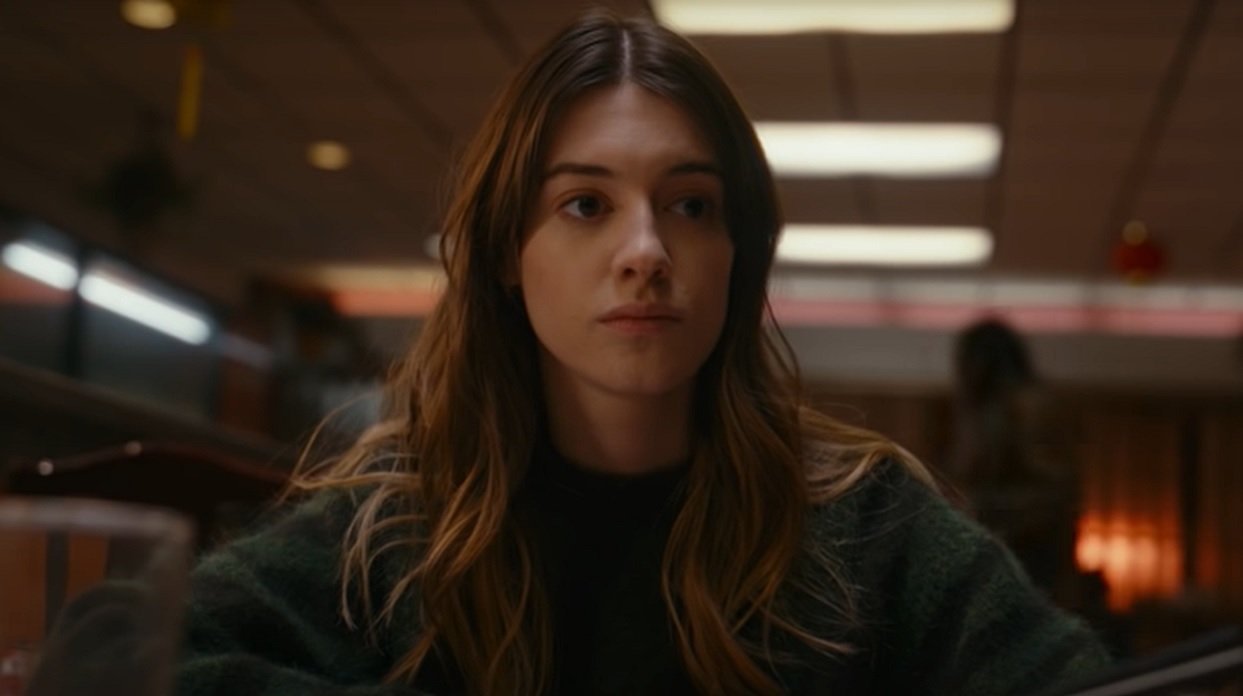
Gibbs is also delightful as Noa’s extroverted counterpart. Through Noa’s conversations with Mollie, we learn a lot about Noa’s disillusionment with dating. Also, Mollie stands as a strong and comedic character on her own when she embarks on a quest to find and rescue Noa. Mollie’s search for Noa is the most realistic approach I’ve seen in horror: she discerns changes in Noa’s texting patterns, tracks Noa with location services, and Facebook stalks Steve. She’s Liam Neeson in Taken, except her only special skill is online stalking.
What sets Fresh apart from other modern thrillers is its devotion to aesthetics. In the intro sequence, Noa’s on a date with a moderately misogynistic narcissist aptly named Chad. We get repeated close-ups of the surrounding men licking their lips and chewing meat, and birds roasting on spits, disgusting visuals in the context of the cannibalism to come. In her directorial debut, Mimi Cave knows how to catch your eye. The attention to detail makes for a deliciously tense atmosphere that vilifies the male dating pool before we even meet Steve.
This devotion to aesthetics continues at Steve’s isolated home. The movie’s goriest scenes are backed by upbeat 80s pop music and red lighting. The juxtapositions are consistently unsettling. Small touches make the movie feel effortlessly classic, like the modest pink dress Steve has Noa wear to dinner (you can guess what’s on the menu). In one of the most memorable scenes, Noa and Steve dance together after dining (a callback to an earlier date) and their synchronized movements are so visually pleasing it’s eerie.

Fresh does occasionally stumble in fulfilling its role as a horror. It suffers from odd pacing and incomplete storylines. Big moments didn’t feel as dramatic as they should have, and even Steve’s cannibalistic reveal was abrupt. Fresh reminds me of The Invisible Man for its focus on relationship power dynamics, and I wish Fresh would lean into moments of tension like the 2020 thriller does. We finally hit the opening credits a half hour into the movie when Noa’s already at Steve’s house, which is a striking stylistic choice to signal that the true horror’s only just begun. But I almost felt that Noa’s initial interactions with Steve were packed with more suspense than anything that transpires at his home.
Fresh opts for straightforward storytelling and rarely had me on the edge of my seat. There’s plenty of blood and gore but hardly any stakes for our main character. Noa’s surgery, a massive plot point and the primary driver of fear in the story, had virtually no consequences. She’s sitting, walking, and even up and dancing a couple days later. Was there no budget for a pair of compression shorts?
I also wanted more from Steve’s other victims. Noa begins talking to Penny through the wall of Steve’s basement. Their dialogue was stilted, unrealistic, and void of much emotion or information relevant to the plot. Their relationship fell totally flat for me, which was a surprise given how much I enjoyed the rapport between Noa and Mollie. Though Mollie’s search for Noa does create some odd tonal shifts. She’ll crack jokes in one scene, and in the next Steve cuts up a woman’s body.
Apart from these few missteps, Fresh is… fresh. It approaches modern dating with much needed cynicism, toying with the idea that women are just delicious pieces of meat for male consumption. While the metaphor is straightforward, it never feels too force-fed in this smart, stylish thriller. But be warned: from Noa’s first date to her very last “U up?” text, if you’re a woman who dates men the scariest part of Fresh is how relatable you’ll find it.
Popular Reviews
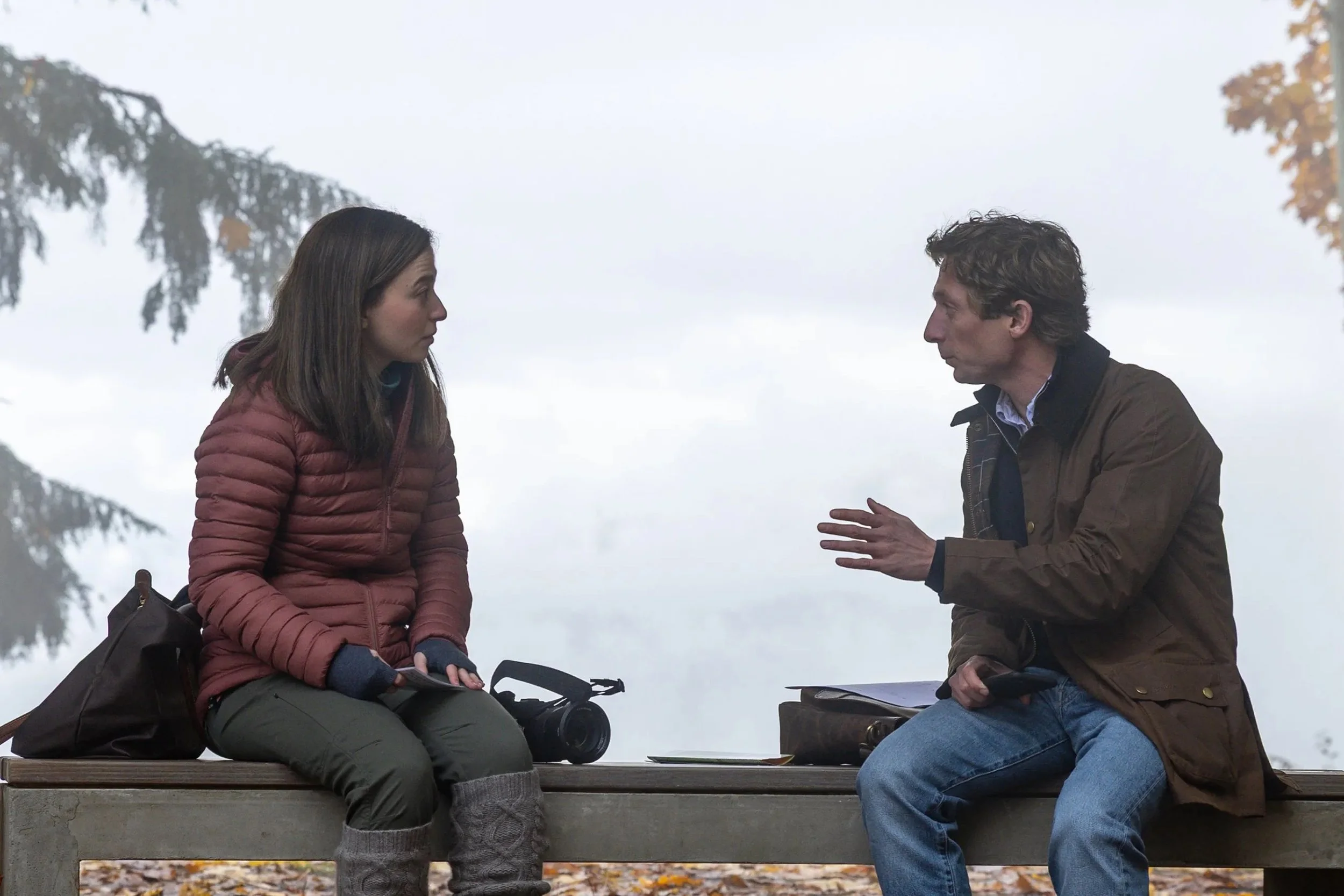
It’s 2026. The AI arms race is fully underway, and all the major tech players are rolling out new and better generative products. You hear that Aaron Sorkin, the Academy-trophied Tiresias who wrote The Social Network, has penned (and directed) a sequel of sorts that continues the Facebook story.
Then you find out it’s about The Facebook Files, what turned out to be an explosive but less-than-apocalyptic episode in the company’s history, and something within you deflates.
No one reading this has to imagine that scenario, because it is, of course, what happened.The Social Reckoninghas just hit theaters—and it’s a colossal misfire.
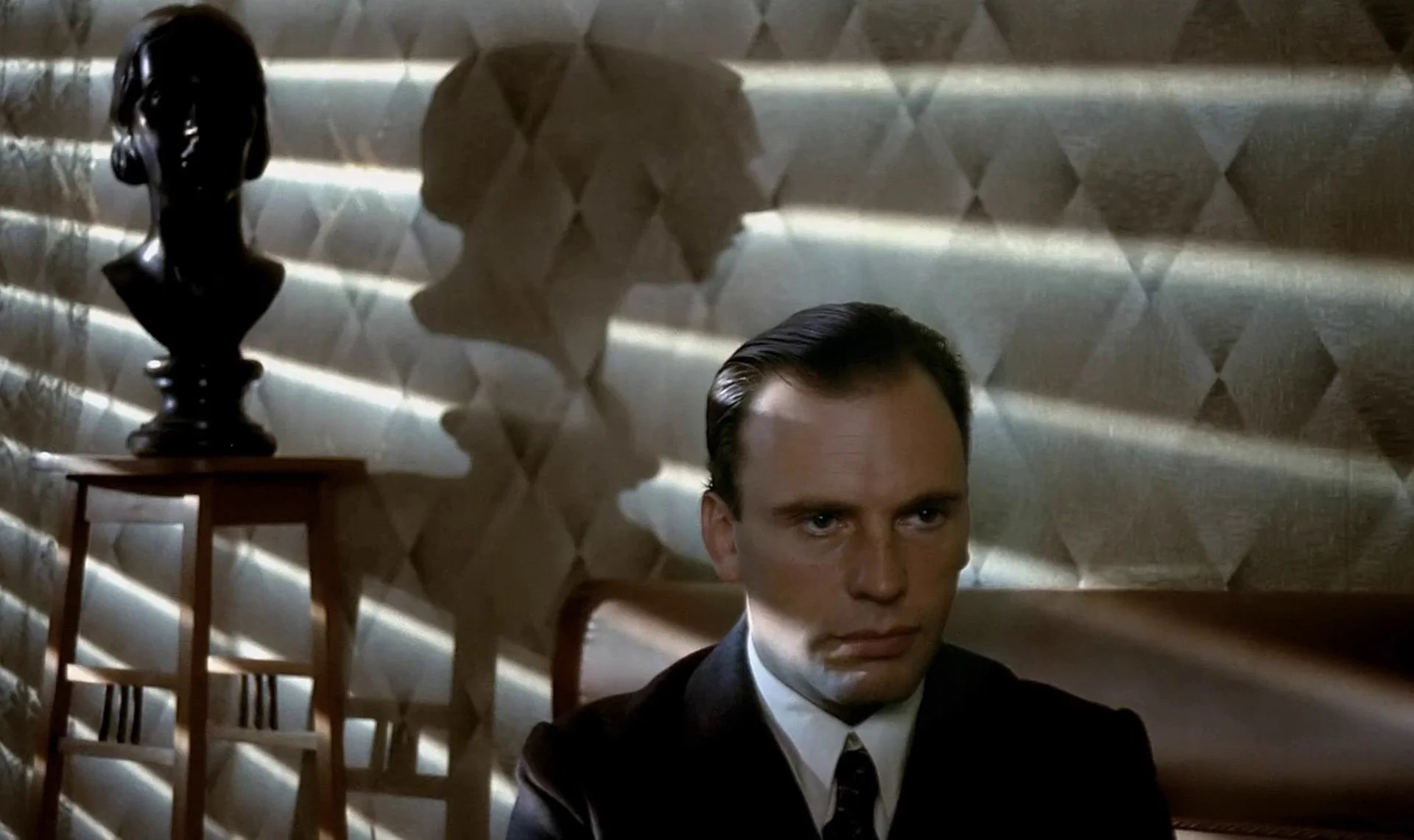
Bernardo Bertolucci’s Il Conformista tells the story of fascist spy named Marcello on an assassination mission, as memories from his past haunt him in the present. One of the film’s central ideas is Marcello’s faith in the image of fascist Rome. Bertolucci weakens this image through a distortion of time and space and powerful imagery
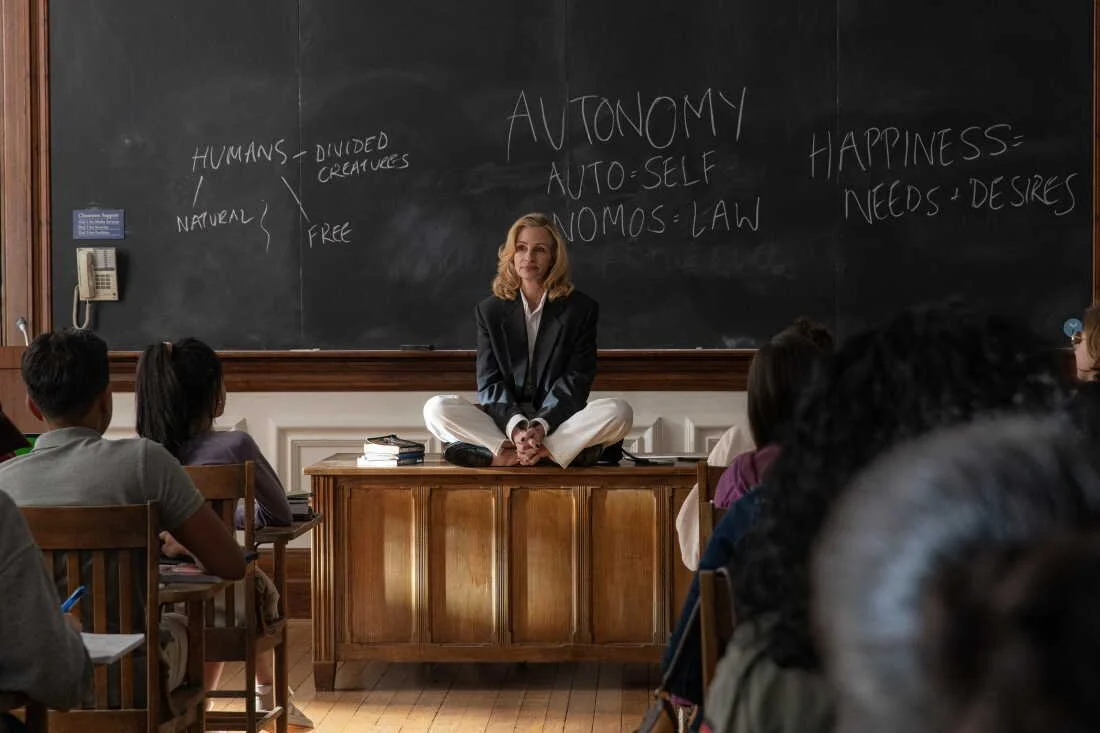
Summer is over once again, and to ring in the new season–and our new members–The Moviegoer lists the best and most iconic college movies (with special emphasis paid to the ones that are about the back to school season). The following fifteen classics are in no particular order.

Project Hail Mary is an adaptation of Andy Weir’s 2021 novel of the same name. It follows science teacher Ryland Grace (Ryan Gosling) after he wakes up on a spaceship with no memory of how he got there. As his memory returns, he also gains an unlikely friendship in Rocky the Eridian alien. The acting is great, the screenplay is charming and full of heart, and the visuals are striking.
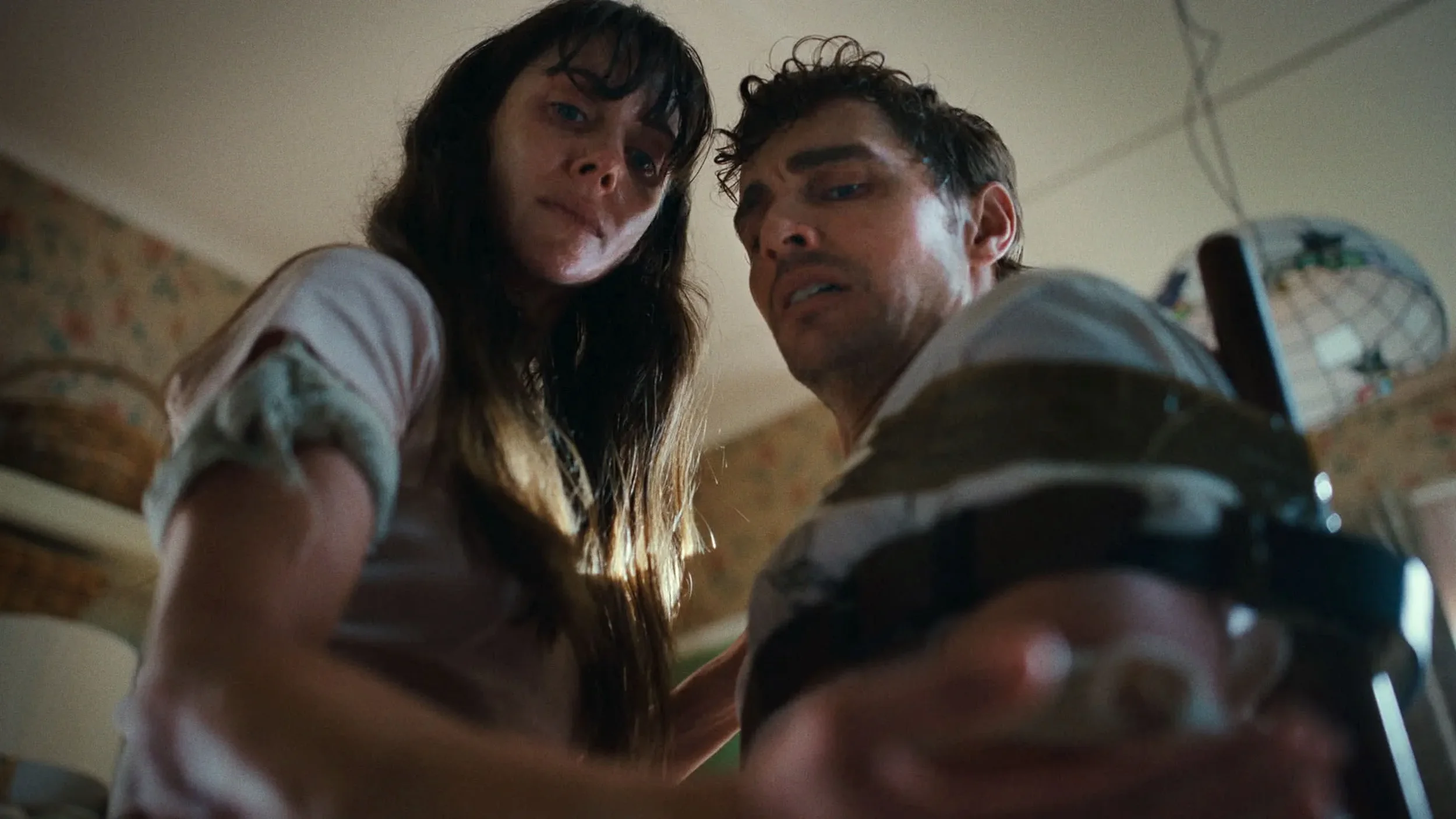
If you asked most people a few years ago who was “winning” indie horror, the answer would've been obvious: A24, of course. But between 2021 and now, something shifted. Not all at once and not always clearly, but deliberately. While A24 horror started to feel scattered, Neon built something more strategic.
What’s interesting is that Neon didn’t start with a clear horror identity at all. It was built over time, and I track that evolution in three distinct pseudo-phases: pre-Titane, post-Titane, and post-Longlegs. Each phase had a different strategy. First it was discovering talent, then experimenting with identity, and finally scaling into something that looks a lot like dominance.
More in Comedy & Thriller Reviews
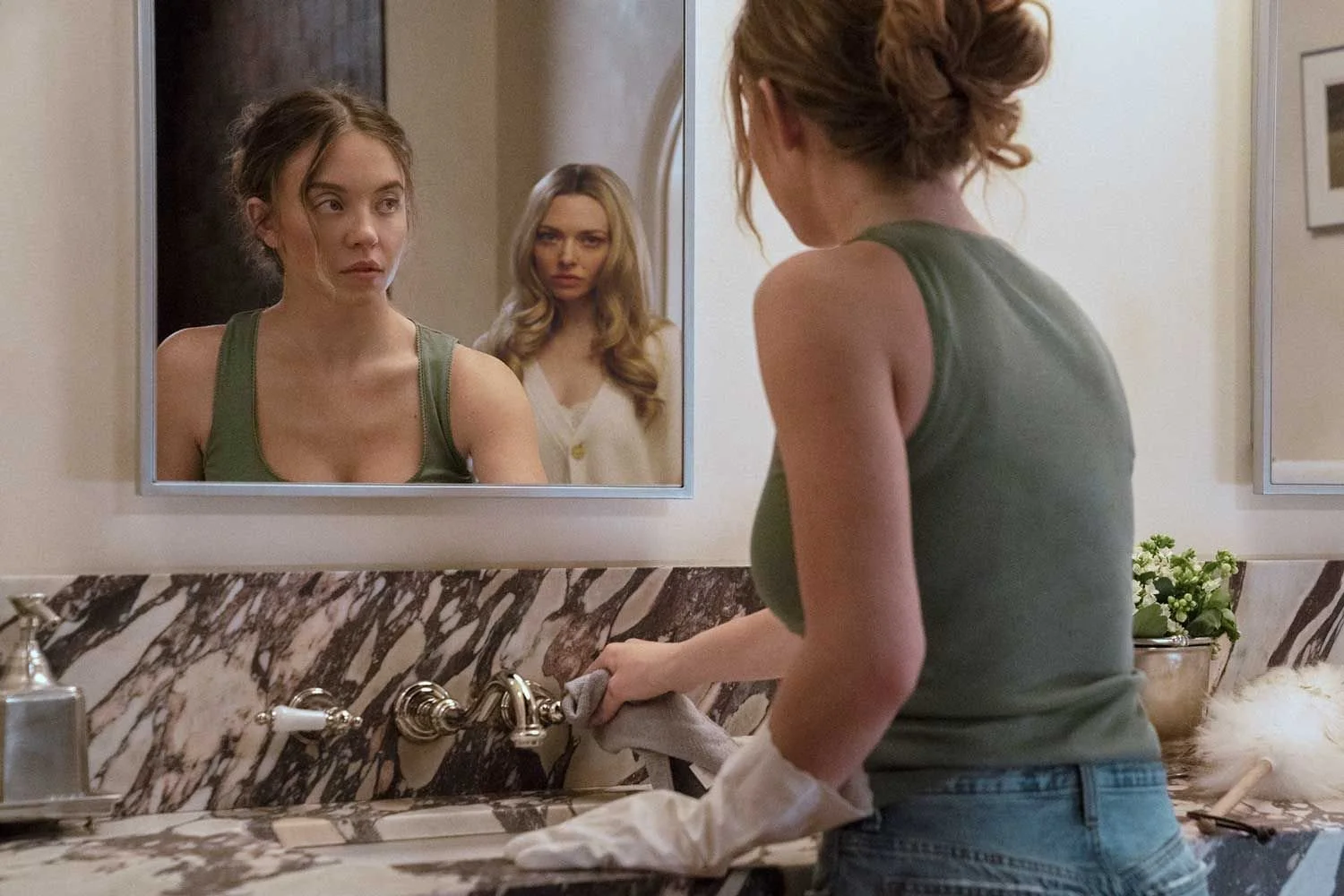
There are two different movies inside The Housemaid. One stars Amanda Seyfried, who turns in a performance so surprisingly controlled, so layered, and so quietly unnerving that every time she appears the film sharpens. The other stars Sydney Sweeney, who is asked to anchor the entire story but never finds a pulse for the role. The gap between them becomes the film’s defining tension—and not the kind it intended.

Is This Thing On? stars Will Arnett as a middle-aged father going through a divorce who finds solace in stand-up comedy. And while, yes, Alex (Arnett) may not be particularly great at stand-up (to begin the film, anyway), the movie is surprisingly very funny. I walked in with relatively low expectations, assuming I’d get a laugh here or there, but I was laughing constantly through the movie.
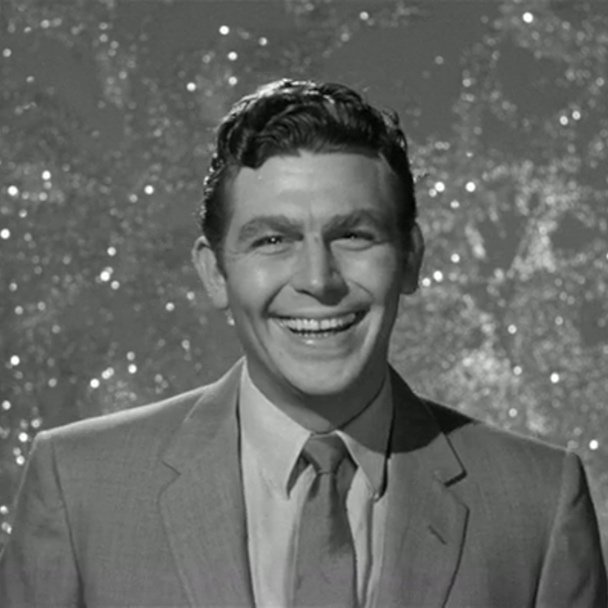
There is one film, though, that I believe deserves the modern parallels it often invokes: A Face in the Crowd. Released in 1957 to moderate acclaim, the film is the work of Hollywood envelope-pusher Elia Kazan and screenwriter and novelist Budd Schulberg, whose eponymous collection of short stories the film is based on. A Face in the Crowd focuses on the meteoric rise of a jailbird from Arkansas.
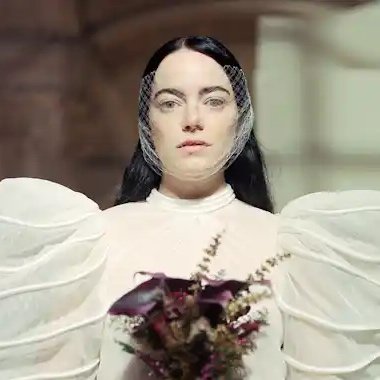
Lanthimos’s strength, to me, seemed to lie in crafting thought-provoking concepts, even when his execution was markedly wanting in depth. Poor Things continues this trend, featuring an intriguing set-up (based off the novel by Alasdair Gray) and a resulting film that is underwhelming eye-candy at best and morally transgressive at worst.
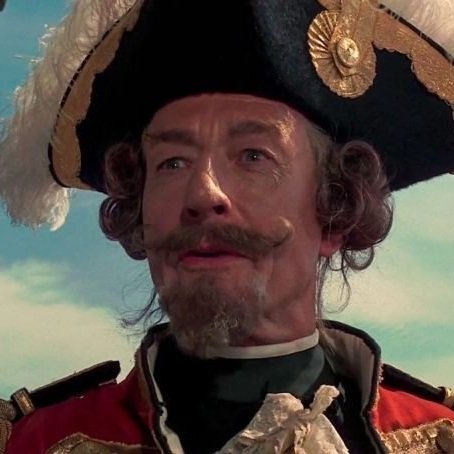
I was one of those kids at school who needed the crayons to be taken away from them. My mom tells the story of my first day of school, and how I cried at the end of the day when I wasn’t able to bring the picture I’d drawn home with me. I was the artsy kid in high school, even more artistic kid by the time I got to enrolling into a Fine Art degree in college. For as long as I can remember, I’ve always made things. But when I think about the kinds of things which have influenced me along the way, one of the earliest memories I have is of gloomy Sunday afternoons growing up in the bleak seventies of rural England, and watching the sketch comedy series, Monty Python’s Flying Circus with my Dad.


There is something so utterly ridiculous and yet so completely sweet about Billy Eichner’s Bros. Only Eichner could write a movie about a podcast host, working as one of the museum curators at a new LGBTQ+ museum, falling in love with an estate attorney/aspiring chocolatier. Bobby Lieber (Eichner) must navigate not only the complex world of modern dating but also the nuances and changing discourse around gay culture. And it all works just about perfectly.
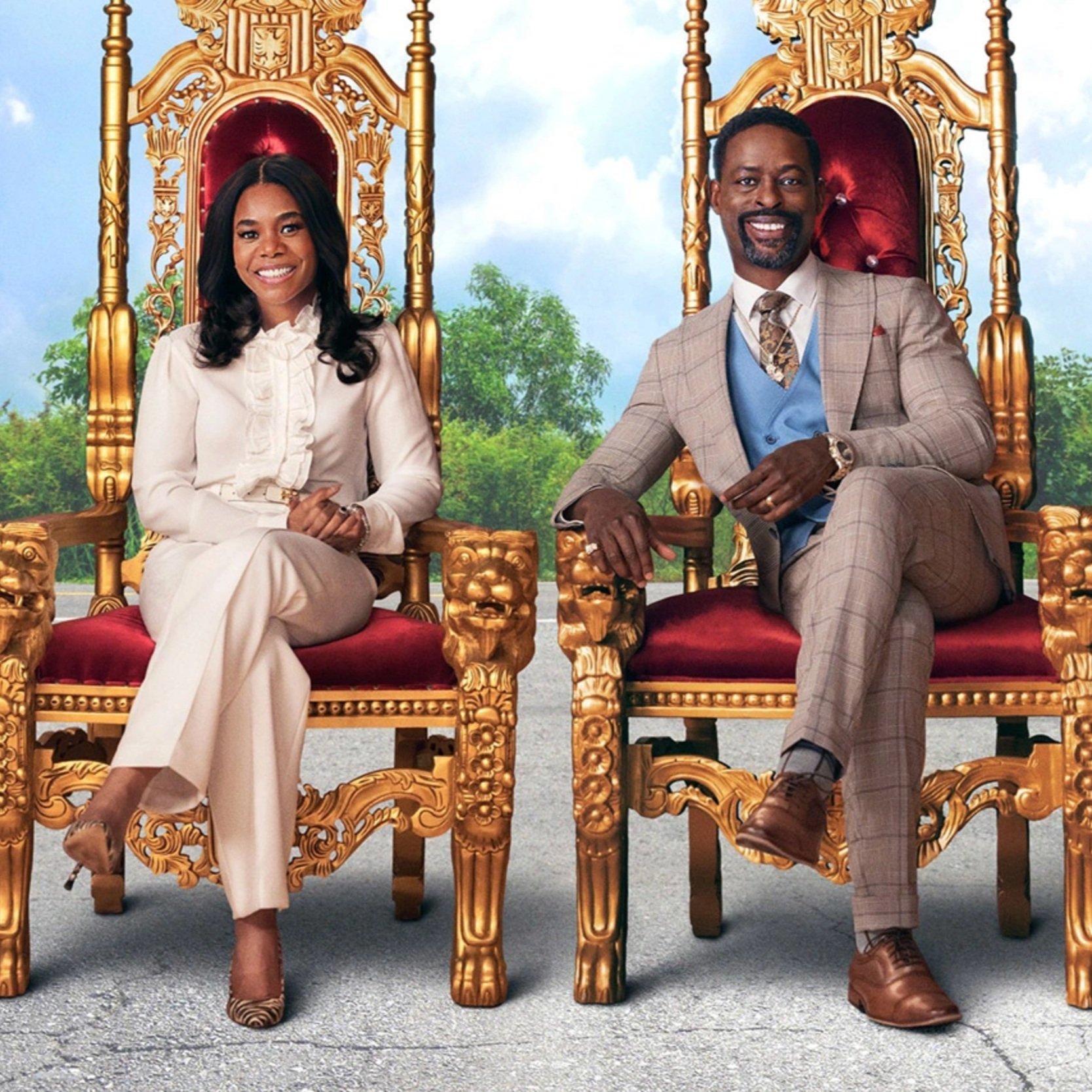
If you were driving down a highway and saw a sign that said “Honk for Jesus” would you honk? Would you go to a church that advertised itself? Would you even go to a church that was located on a highway? Despite being non religious, I considered these questions while watching the climax of Honk for Jesus, Save Your Soul, directed by Adamma Ebo, as Trinitie Childs practically begs the passersby to honk for her sanity (and Jesus).
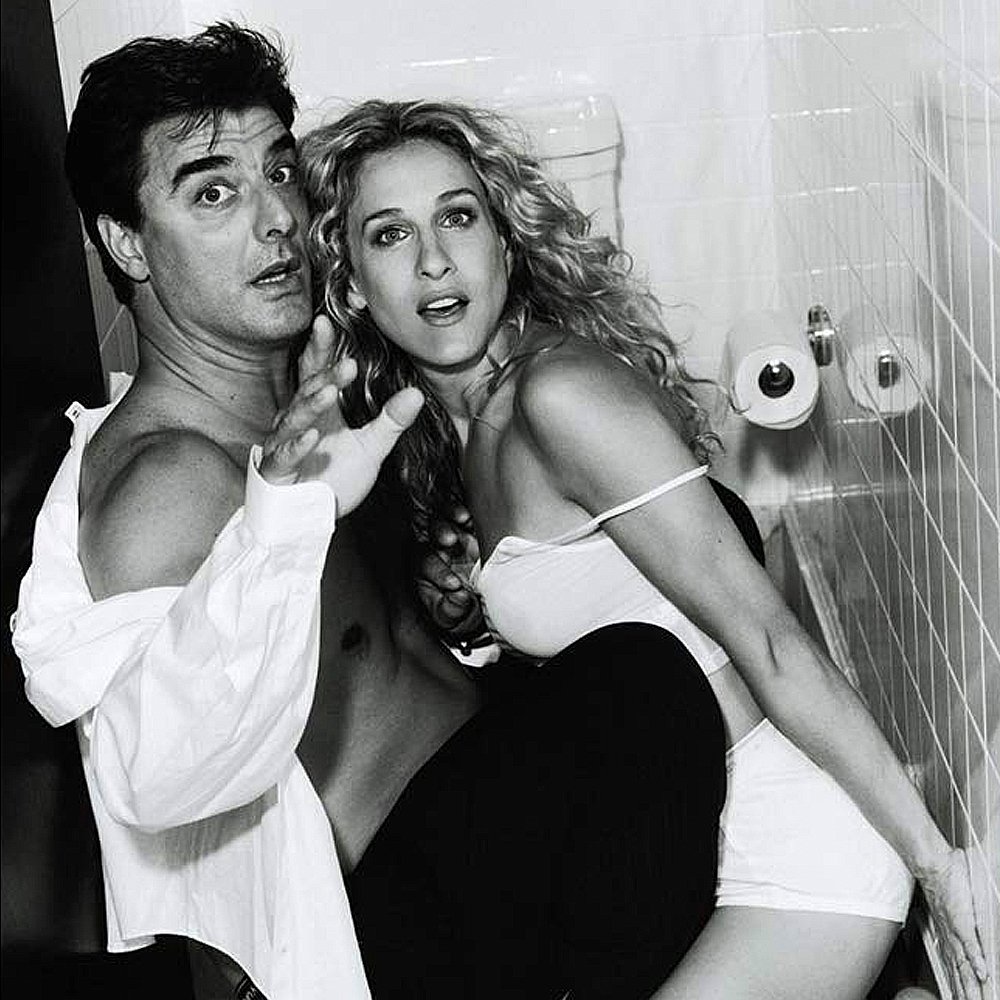
And just like that… I watched every episode of Sex and the City. I must be a really good judge on how to spend my time!
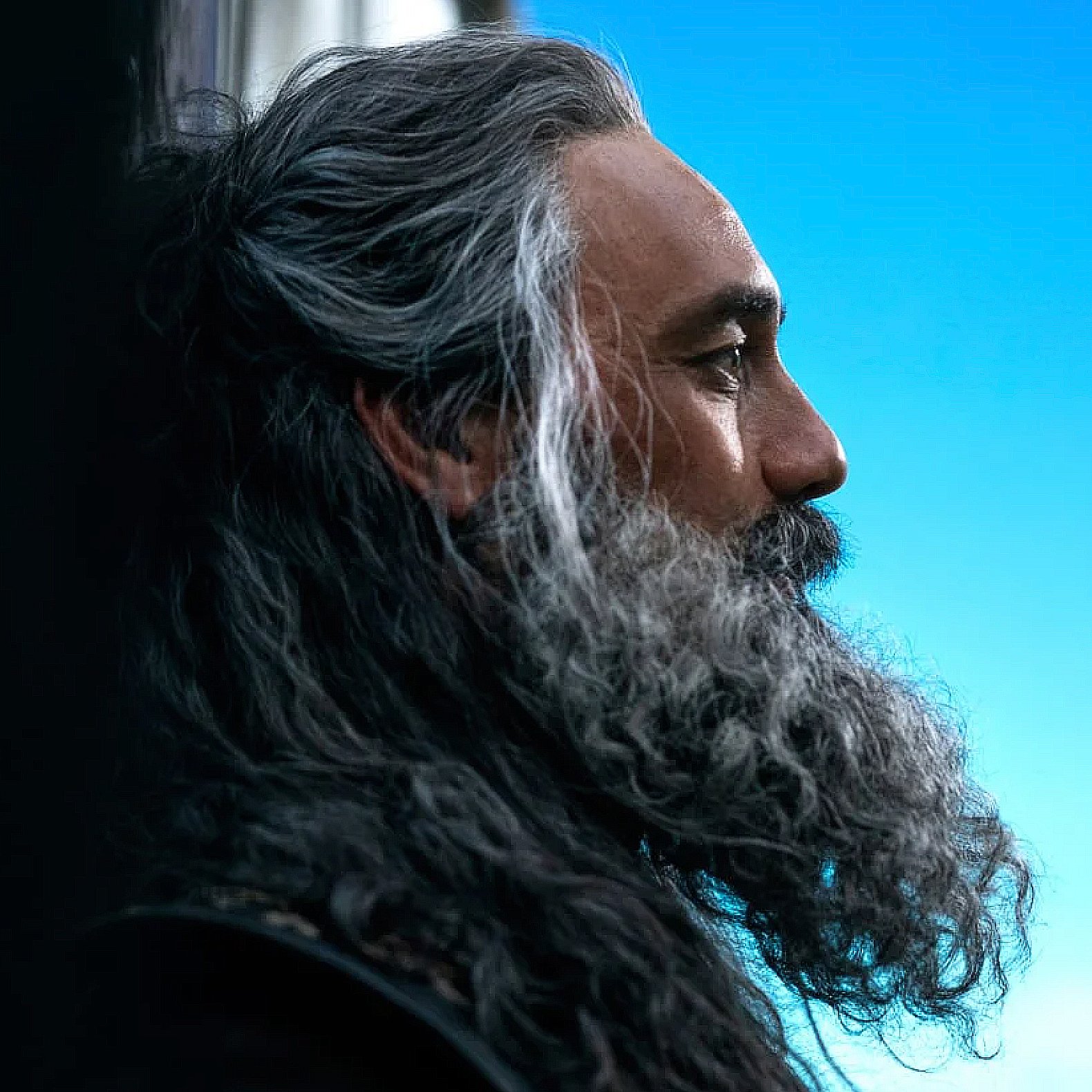
The best show of the year is an LGBTQ+ pirate rom-com. Our Flag Means Death tells the story of real-life pirate Stede Bonnet, the 18th-century aristocrat who gave up his luxurious life for an adventure on the seas. He earned the name “The Gentleman Pirate'' for his peculiar approach to piracy, building his ship the Revenge rather than seizing one by mutiny and paying his crew in wages.
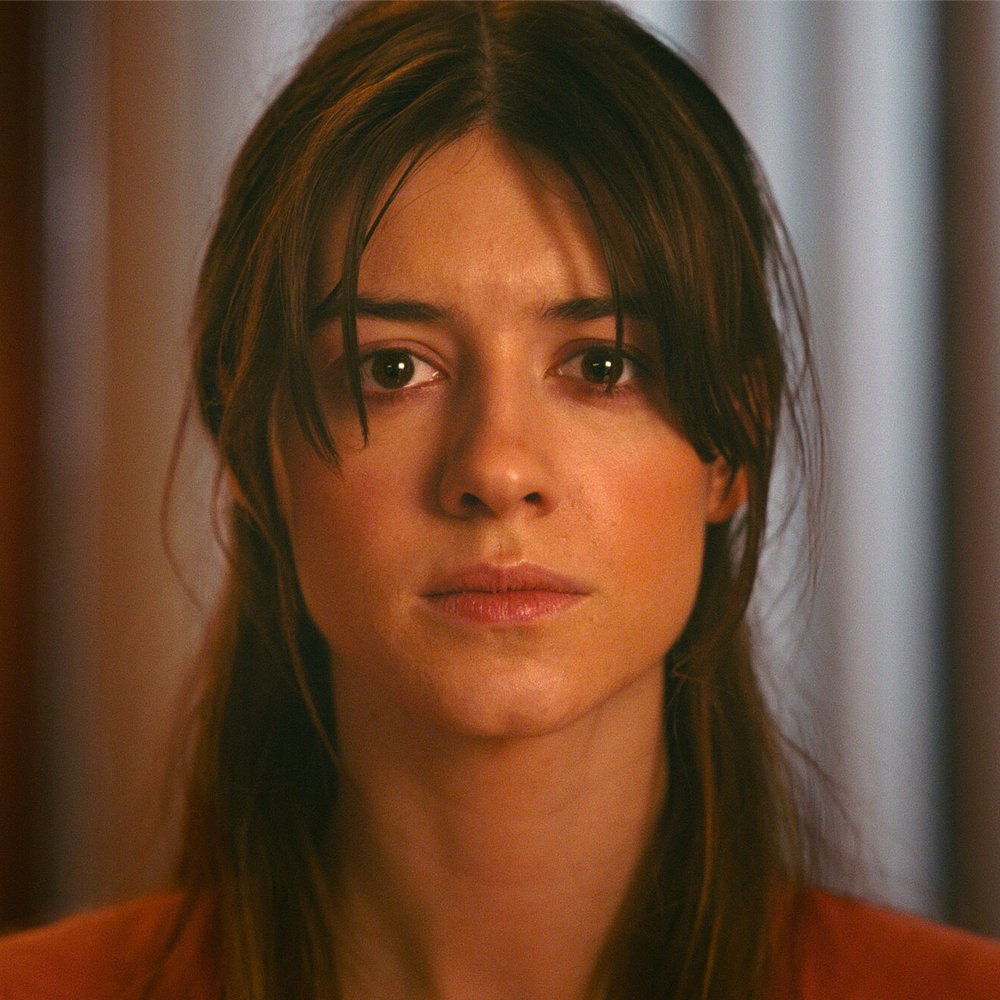
Fresh has all the ingredients to be the perfect modern thriller. It’s a black comedy about the horrors of modern dating starring Daisy Edgar-Jones and Sebastian Stan. There are plenty of mundane horrors to be had in the dating world, but Fresh ups the stakes and throws a cannibal into the dating pool.

Only the Scream franchise would introduce the word “re-quel” – a term so cinematically dense – into its already meta screenplay and premise. I expect nothing less from a series that has psycho-analyzed the totality of the horror genre while simultaneously creating its own expansive, trope-filled storyline. And in an age of tired reboots and sequels of once original and groundbreaking cinema, you would think that the new Scream would be equally as tired, especially with the franchise being in the state it was in prior to this installment. But 2022’s Scream proudly proclaims that this reboot is exactly what the franchise needed.
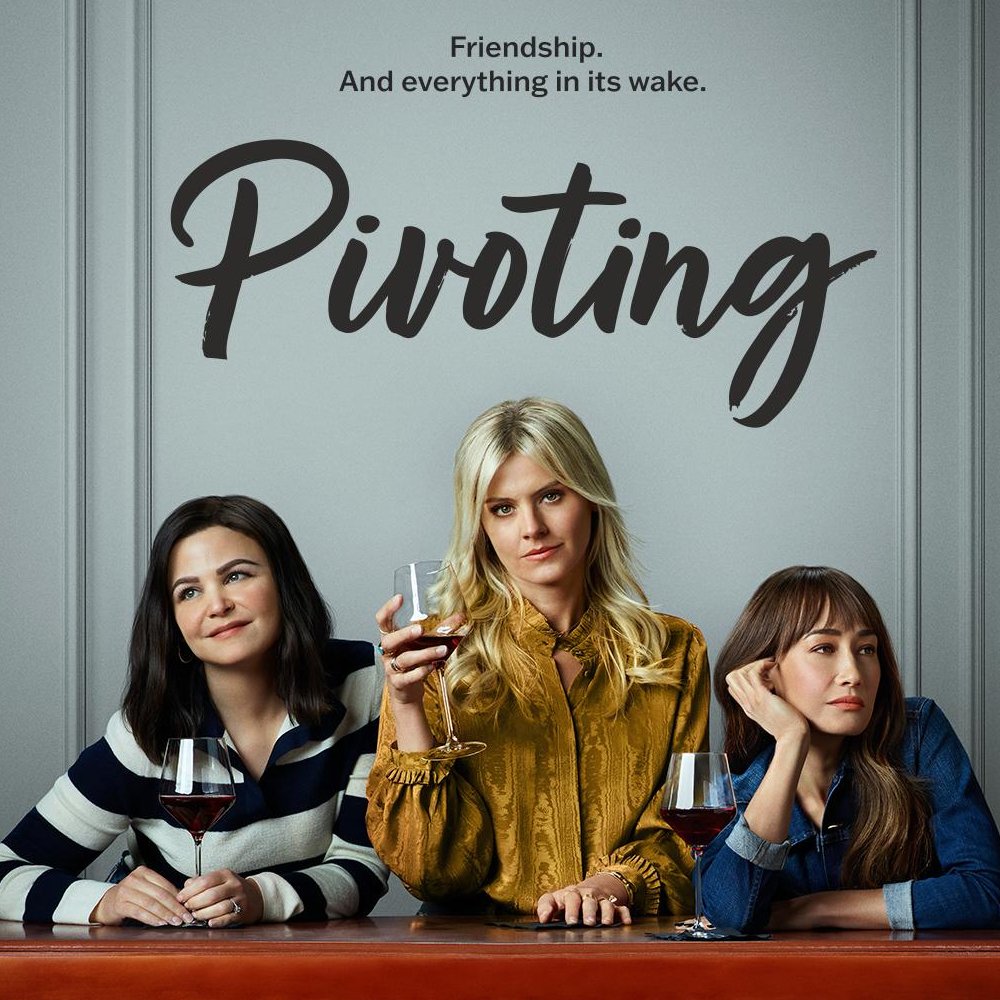
FOX’s newest comedy Pivoting, tells the story of three women in their thirties whose best friend Coleen, has just died. Awakened by the realization that life is short, they each decide to make big life changes.
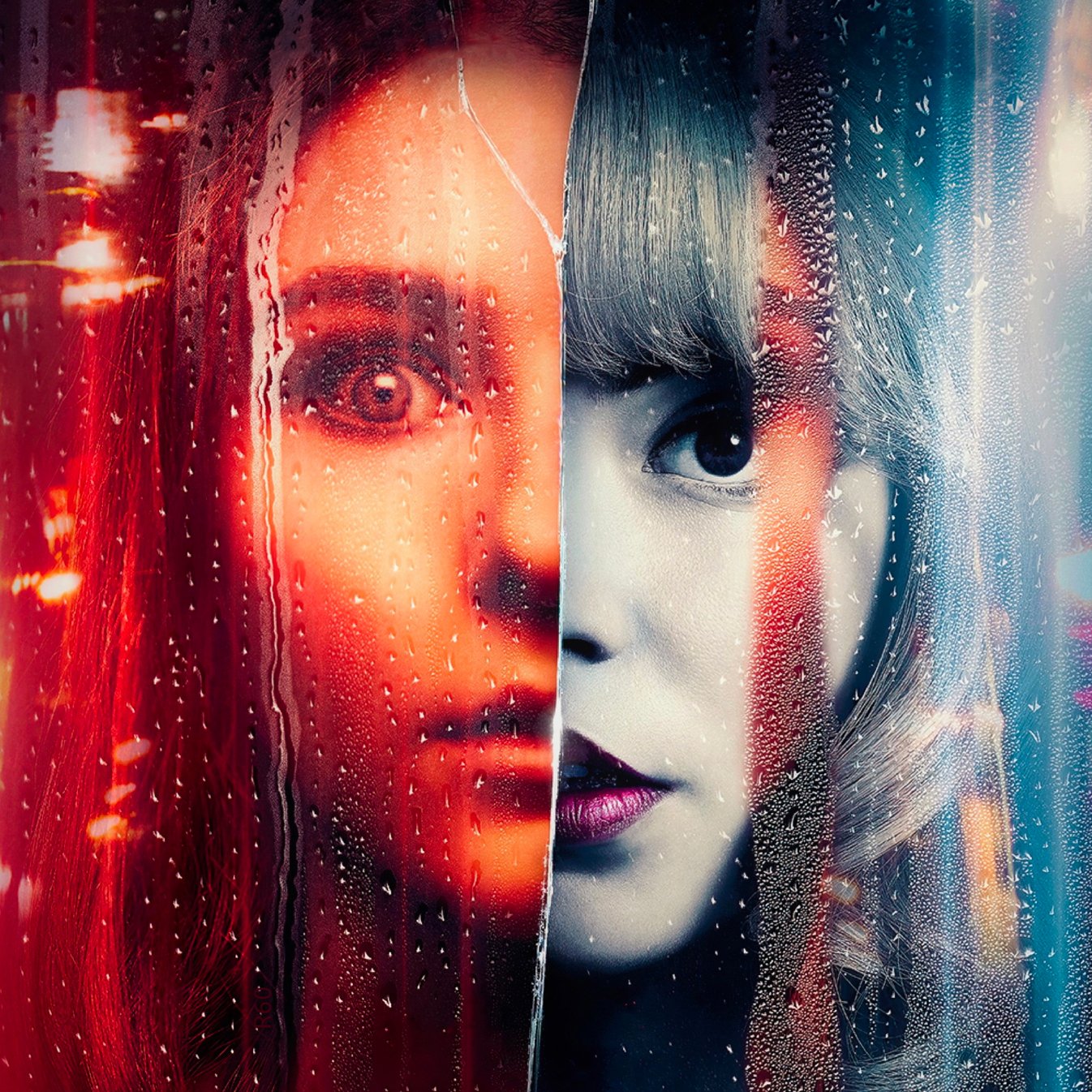
Last Night in Soho, a film directed by British filmmaker Edgar Wright, lives in between the 1960s and modern times in London, England. Starring staples of British stardom Anya-Taylor Joy (Sandie), Matt Smith (Jack), briefly Sam Claflin (Lindsey), and Thomasin McKenzie (Eloise/Ellie), this film follows the life of Eloise Turner, a young aspiring fashion designer with an infatuation with the swinging sixties of London as she navigates her extraordinary ability to body-jump into another young woman in her dreams.
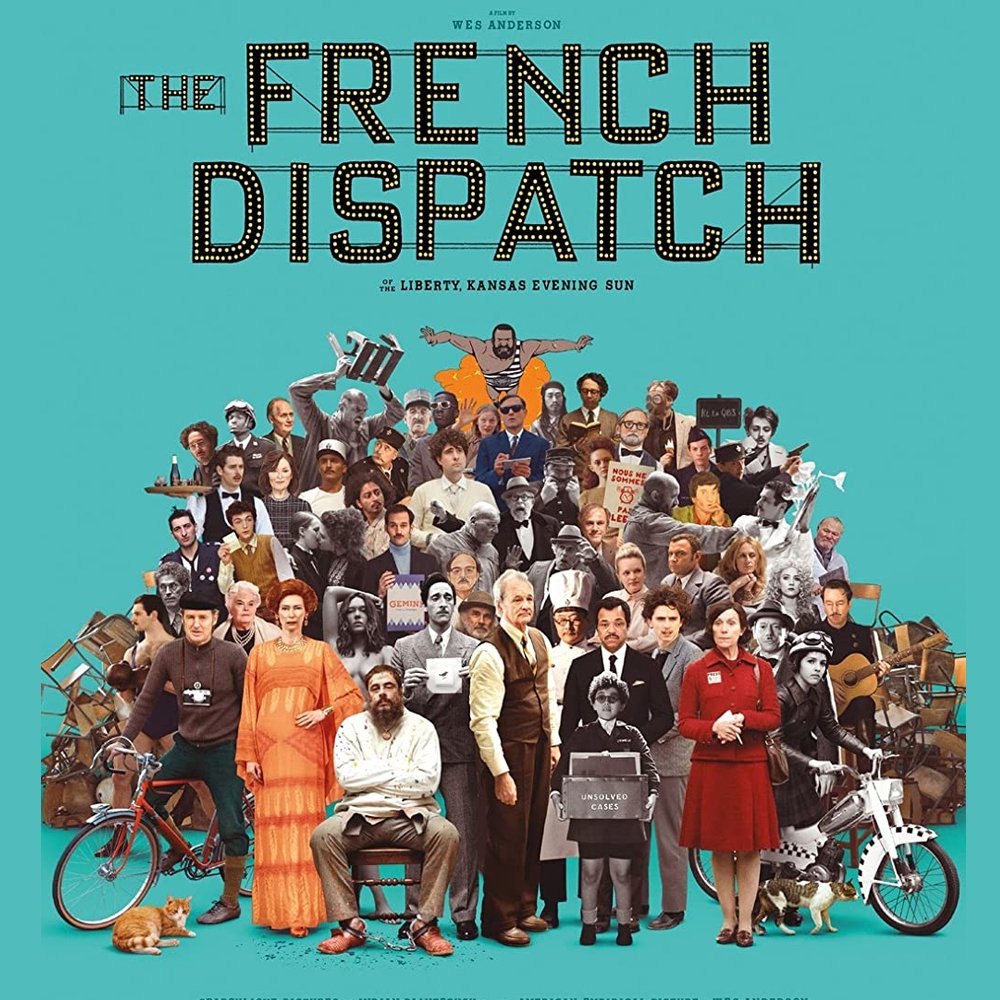
Wes Anderson is capable of more than his usual fantastical endeavours. In his newest film, he creates something entirely different, even from his nine other films of similar style. The French Dispatch, written, directed, and produced by Wes Anderson, is an anthology of several shorter stories tied together through a writer’s room of the fictional newspaper, Liberty, Kansas Evening Sun. Seemingly inspired by The New Yorker, this film is a tribute to journalism and eccentric storytelling.
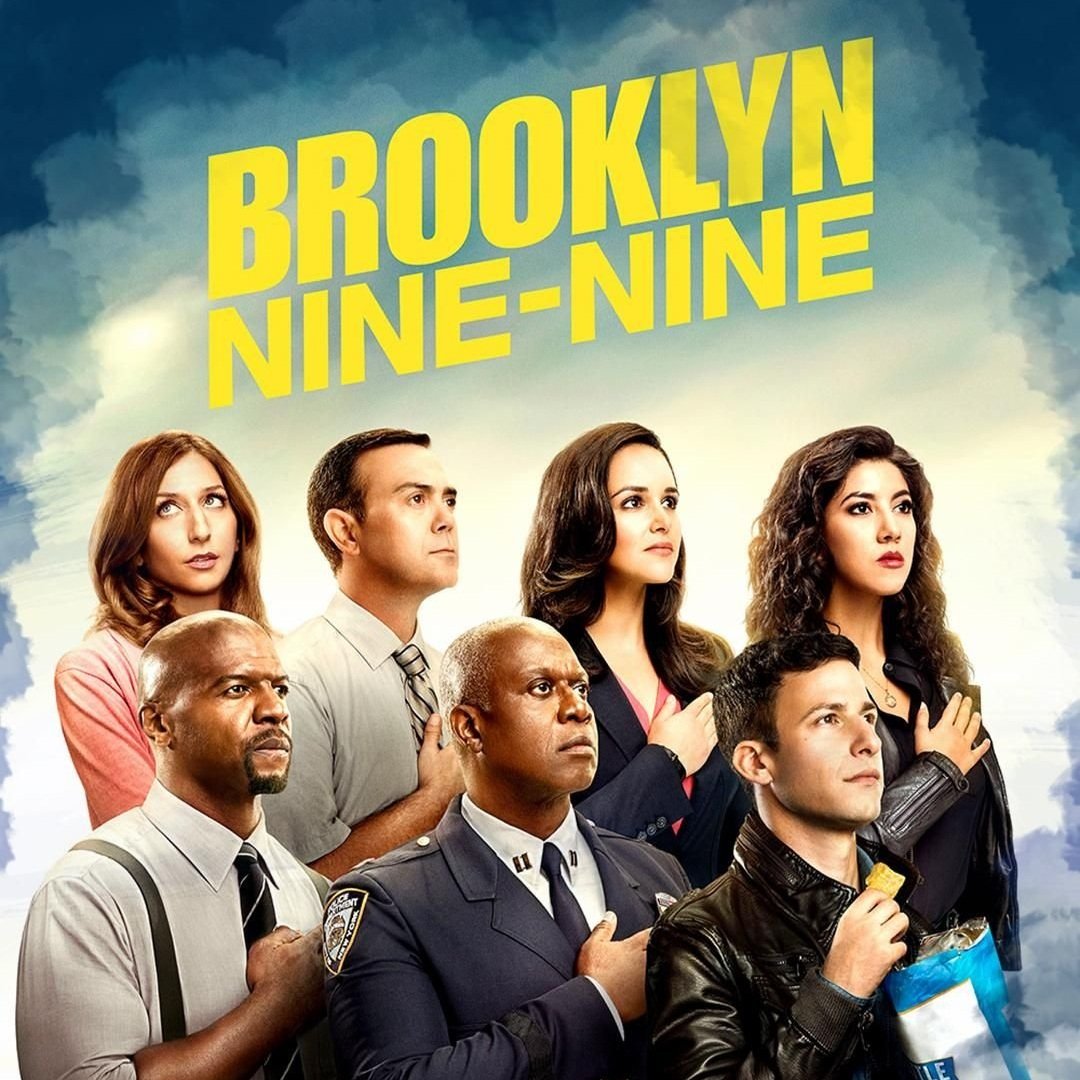
Nothing good can last forever -- including Brooklyn 99. Since the very beginning, I have always been a fan of the 99. From watching it when I was younger with my family, to finishing the final season amongst friends, it has been a constant in my life. I was devastated when Fox cancelled the show but ecstatic when NBC decided to give it another chance. When I heard the news that Brooklyn 99’s eighth season would be the show’s finale one, I understood that all good things must come to an end.
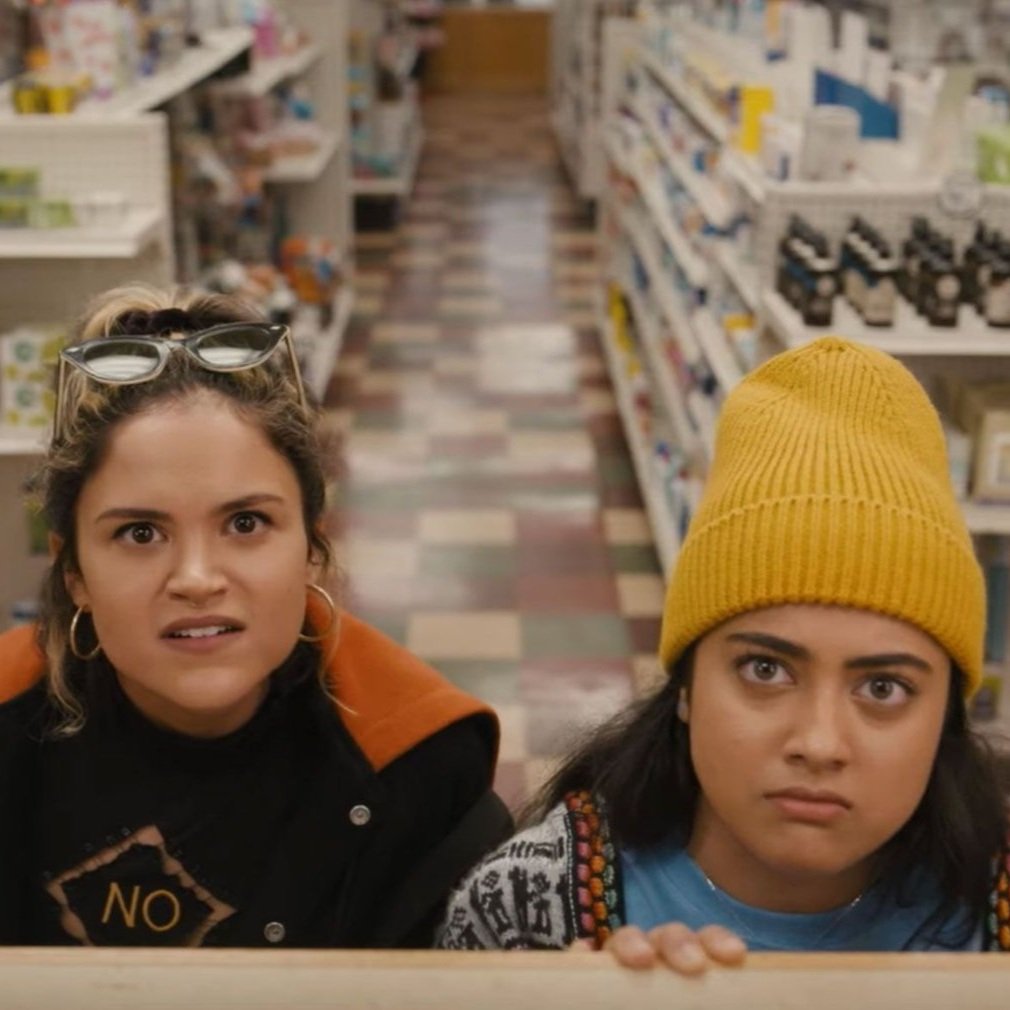
In 108 minutes, Plan B, directed by Natalie Morales, perfectly sums up the utter panic and chaos that is teenagerhood. The film follows two girls on an epically hyperventilating and winding road-trip to find the Plan B pill within their 24-hour window. There is not a ticking clock on the screen, but through the hyperactive dialogue and split-second decisions gone wrong, viewers can feel the powders of the Plan B pill disintegrating grain by grain.

Everyone loves a whodunit — or at least that’s what the steady growth of murder mysteries à la Knives Out and the true-crime rage I’ve written about for nearly 3 years tells me. The newest hit of the sort, stacked with stars from both screen and stage, finds favor across generations and genres. Only Murders in the Building, created by Steve Martin and John Hoffman, follows three unlikely friends as they create a podcast investigating, well, a murder in their building.

Squid Game has taken the recipe for a bingeable Netflix show and seasoned it to perfection. The Korean drama follows Seong Gi-hun, a father who has gambled with both his life and his relationship with his young daughter. With little left to lose and everything to gain, he enters to compete in a series of children’s games, along with 455 other debt-ridden and desperate contestants, enticed by a handsome cash prize. The twist? Losing gets you killed.

What is the recipe for success for a half-hour comedy these days? Apparently, it's to take a beloved New Zealand mockumentary about vampires and adapt it to American television.
What We Do in the Shadows, helmed by Oscar-winning Taika Watiti and Jermaine Clement of the original 2014 film of the same name, is a vampire-centric mockumentary-style show entering its third season. For those unfamiliar with the show, the main premise is that a group of centuries-old vampires emigrate to Staten Island from Europe, hoping to conquer the New World, but end up just being roommates in a dilapidated manor, getting into weekly shenanigans.
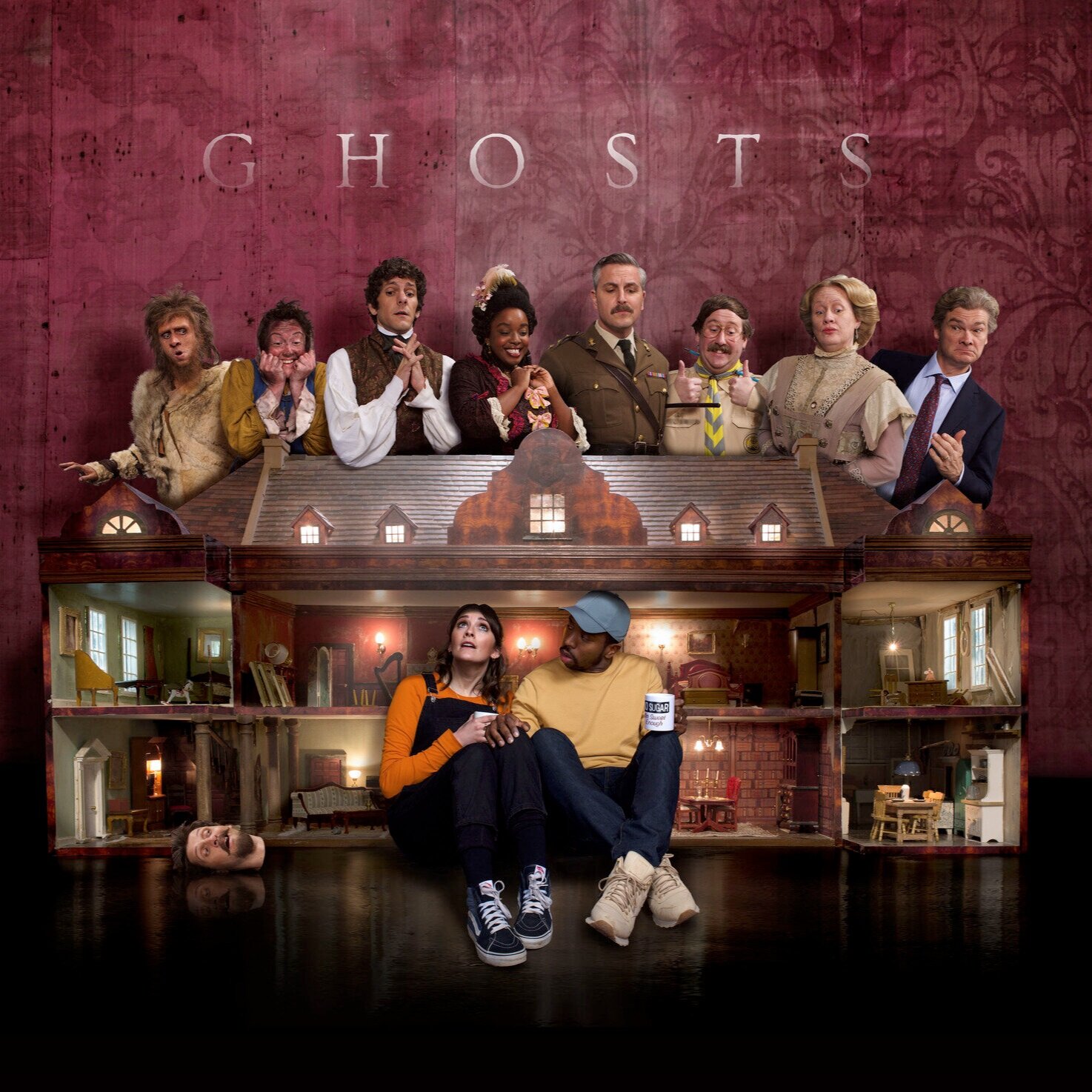
Not a fan of horror? Well, this is the perfect ghost-themed show for you. Full disclosure: I hate horror movies. Whether it’s because of the jump-scares, eerie music or avoidable bad choices made by the protagonist, horror movies have never been my style. I have, however, always been fascinated by the idea of spirits and ghosts and can’t help but ask the same question whenever I watch a horror movie: what happens to all the normal people who die? Are all ghosts really vengeful spirits or creepy kids?
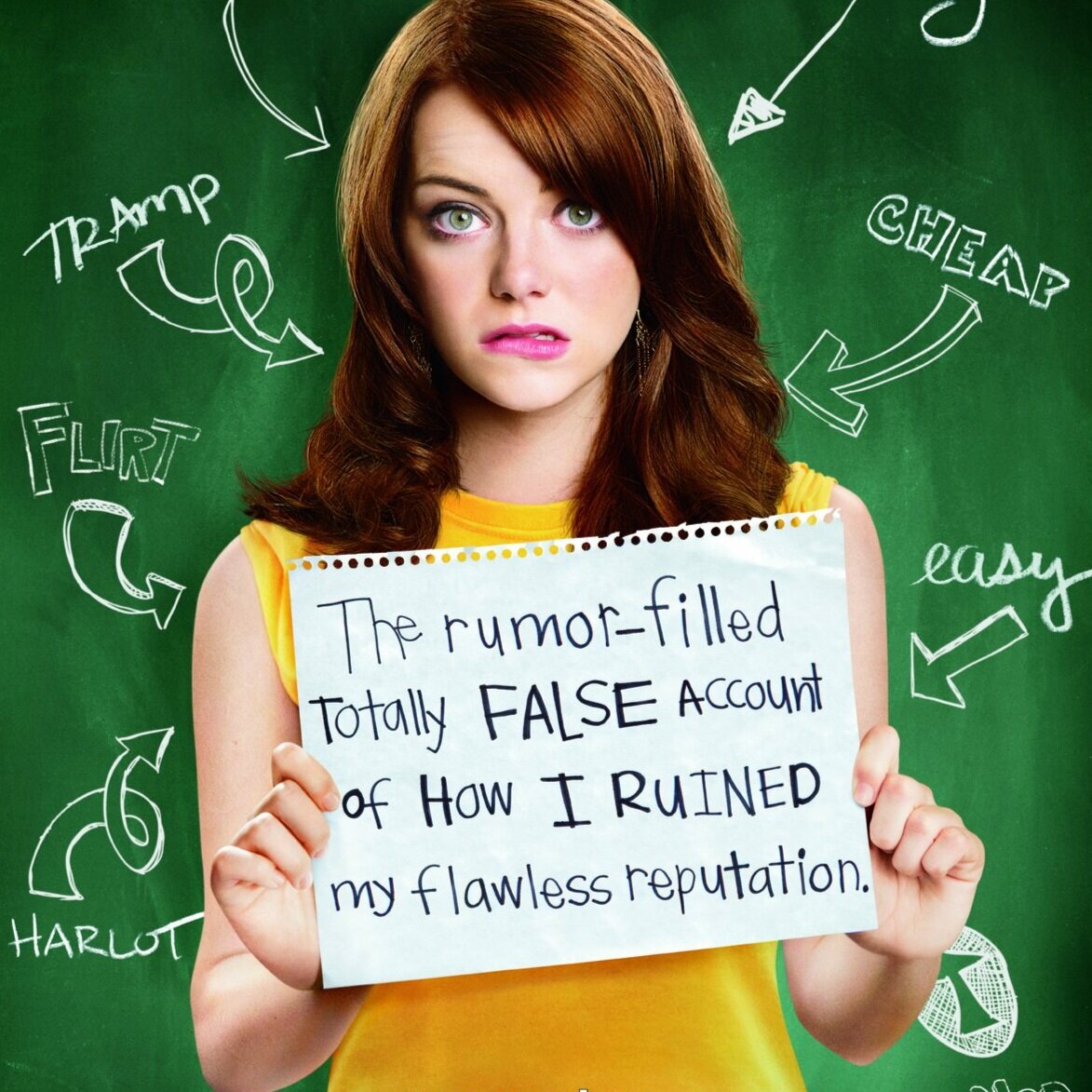
Let me start by acknowledging how unusual the plot is. The movie centers around a lonely teenage girl becoming an outcast after being shamed and bullied about losing her virginity. Not exactly Ferris Bueller's Day Off material. With that said, Emma Stone brings a certain sense of perky wit and sarcasm that makes the journey enjoyable and pleasant.
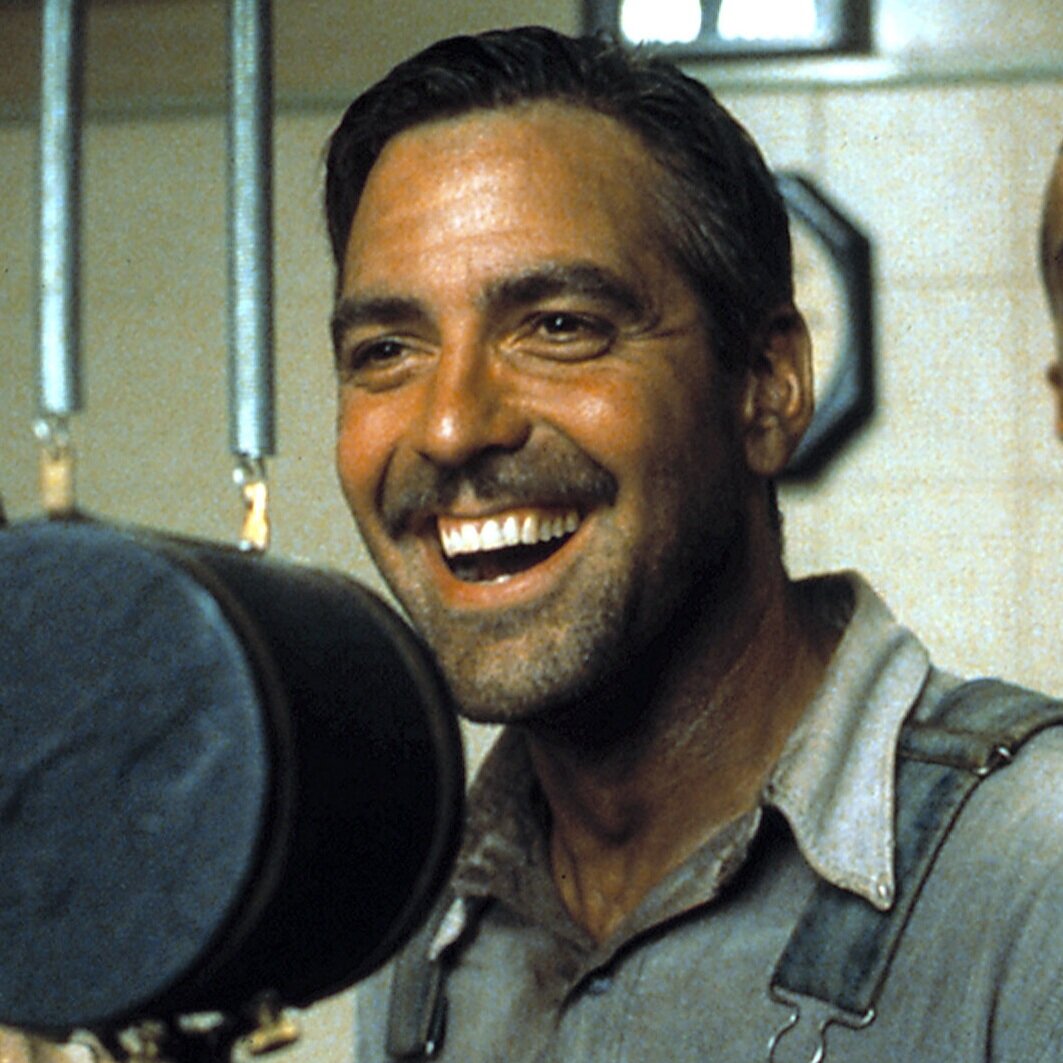
I think we can all agree that there’s something uniquely, well, peculiar about the Coen brothers’ movies. And yet, Joel and Ethan Coen are considered two of the greatest writers and directors of American cinema -- and for good reason. Their films combine quirky and lovable characters, laugh-out-loud humor, and an intriguing aesthetic. O Brother, Where Art Thou? presents all of these and more. Still, our modern understanding of race and representation require us to examine it with a critical lens.