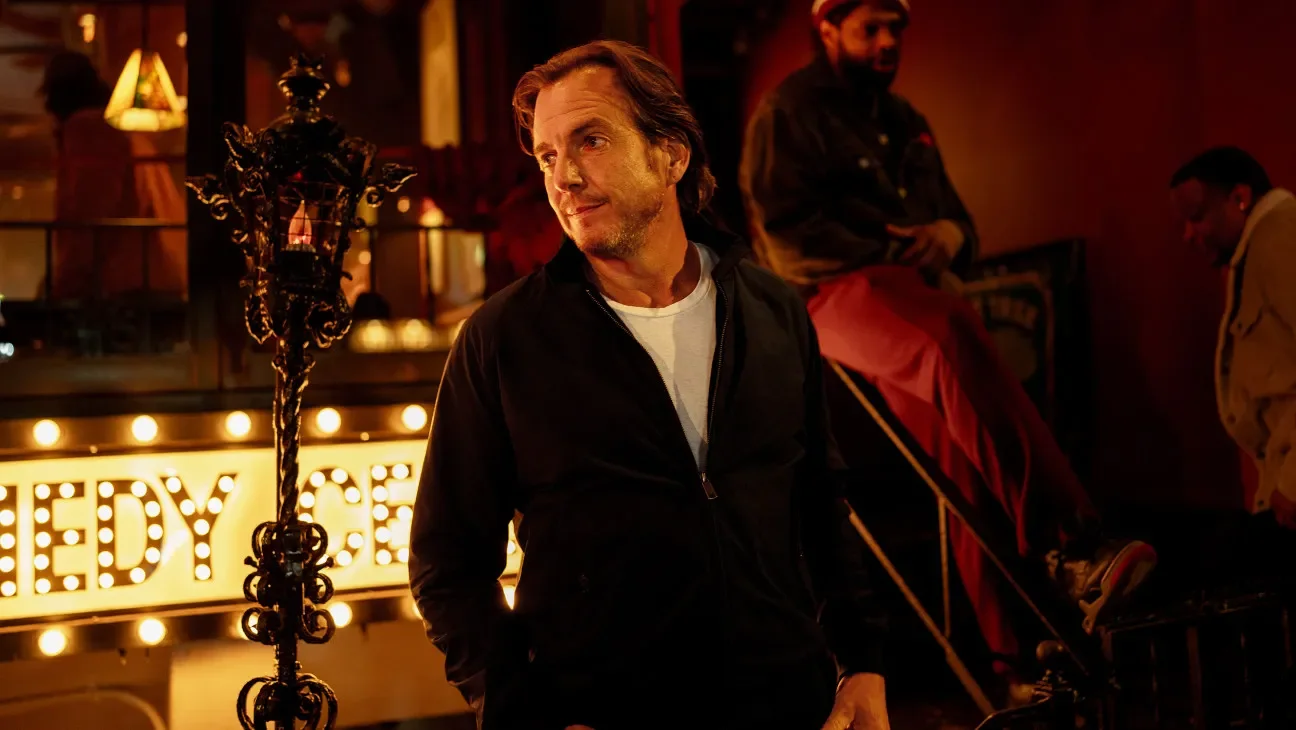
After making a melodramatic Oscar-bait film that took itself too seriously (Maestro), Bradley Cooper decided to cast himself as a character named “Balls” in his next. This name is never addressed in the film.
Maestro, Cooper’s sophomore film, was largely seen as trying too hard to be a spiraling epic following the life of Leonard Bernstein, so much so that audiences thought it wasn’t very good, boasting an unimpressive audience score of 57% on Rotten Tomatoes . Among the reviews I read for Maestro, they all agreed it was “doing too much.” Is This Thing On? is not doing too much.
Is This Thing On? stars Will Arnett as a middle-aged father going through a divorce who finds solace in stand-up comedy. And while, yes, Alex (Arnett) may not be particularly great at stand-up (to begin the film, anyway), the movie is surprisingly very funny. I walked in with relatively low expectations, assuming I’d get a laugh here or there, but I was laughing constantly through the movie. The screenplay is tight and witty (I mean, c’mon it makes a Jacob’s Ladder reference?), and the movie is charming more than anything else. I didn’t leave the theater thinking I had just watched the greatest movie ever made, but I was instead just happy. And though Is This Thing On? isn’t trying to be the greatest movie ever – it’s trying to be a simple mid-life crisis rom-com – it manages to be more than that.
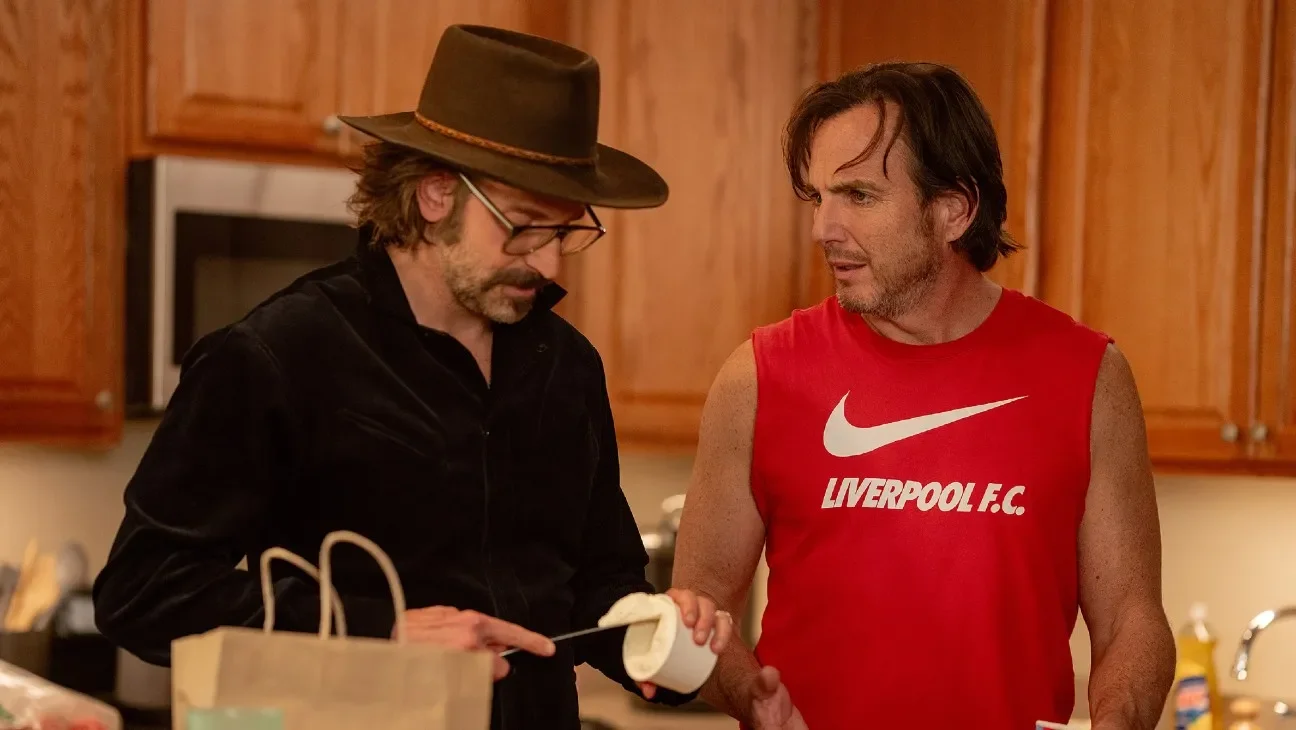
Bradley Cooper opted not to cast himself as the lead, and I think it was his best decision for two reasons. The first is that Will Arnett is fantastic in this movie. As a huge fan of Arrested Development, I didn’t think Arnett would ever be able to outdo his performance of Gob Bluth, but I think he managed to do it. Arnett balances comedy and drama effortlessly, and I really would like to see more dramatic roles from him. Arnett has an uncanny ability to perfectly deliver hilarious lines, but still hold deep pain beneath the laughter and jokes. His performance reminded me a lot of Kieran Culkin in A Real Pain: Funny, but going through some shit.
The second reason that Cooper’s decision to not make himself the spotlight of the film works is that it allowed him to focus a lot more on refining his directing. Is This Thing On? utilizes almost entirely handheld cameras and closeup shots (and when I say close, I mean it; a hell of a lot of the movie is just Will Arnett’s face). And while it takes some getting used to, I ended up really liking the style Cooper went with. It lends itself really nicely to making the film feel really raw and human because I felt the suffocation and anxiety that Arnett’s character feels throughout the movie. And this style does not prevent Cooper from showing off some bravado here and there because he certainly does. There is one notable shot in which Arnett opens an attic door and exits through it only to walk right onto stage to start performing. It may not be groundbreaking stuff, but it works really well because it isn’t trying to be. I do think Cooper should continue to cast himself in smaller roles to let his directing prowess shine.

That said, while Cooper may not be starring, he still delivers a downright hysterical performance. He plays the “Shakespearean fool” really well. It fits him perfectly. But Cooper is not the only actor beside Arnett to give a good performance. Co-lead Laura Dern is equally as human and real as Arnett is and despite rooting for Arnett all the way, I still found myself understanding why Dern’s character wanted a divorce–and most of that is due to her sympathetic portrayal of a wife and mother who feels abandoned. One gripe I have with the movie is also related to casting, namely the underutilization of two of the best actors in the movie. Sean Hayes and Ciaran Hinds get a combined screentime of maybe eight minutes, and it’s unfortunate because both are really good actors and I would’ve liked to have seen more of them. Peyton Manning probably gets more lines than the two of them combined.
My other issue is with the screenplay (which I did really like overall). I found some of the dialogue clunky. There’s a scene in which Andra Day’s character has a sitdown/heart-to-heart with Arnett and the conversation is almost entirely an exposition dump. The film also struggles to understand that ten year old kids don’t talk like adults. The kids understand that their parents are splitting up way too quickly and also get over it pretty quickly too. I would’ve liked to have seen more moments of both Arnett and Dern comforting the children, or at the very least guiding them through such a confusing time. We get the occasional scene of that, but I can’t help but think there’s some missed opportunity there.
While the second act of the movie may be where it shines (the first act is pretty slow to get started and the third feels cliche and overly long), the whole film succeeds. It’s funny, it’s heartwarming, it’s human, and it isn’t trying to be anything it’s not. In my opinion, it’s the kinda thing Bradley Cooper really needed to get back on his feet. His direction is subdued and not over the top, the screenplay is quite good, and the performances are just fun to watch. I don’t expect any Oscar nominations to come from this film, but then again, maybe that’s what Bradley Cooper needs. Just a nice and fun movie he made with his friend Will Arnett (even if he totally stole the “Under Pressure” needle drop from Aftersun).
Popular Reviews
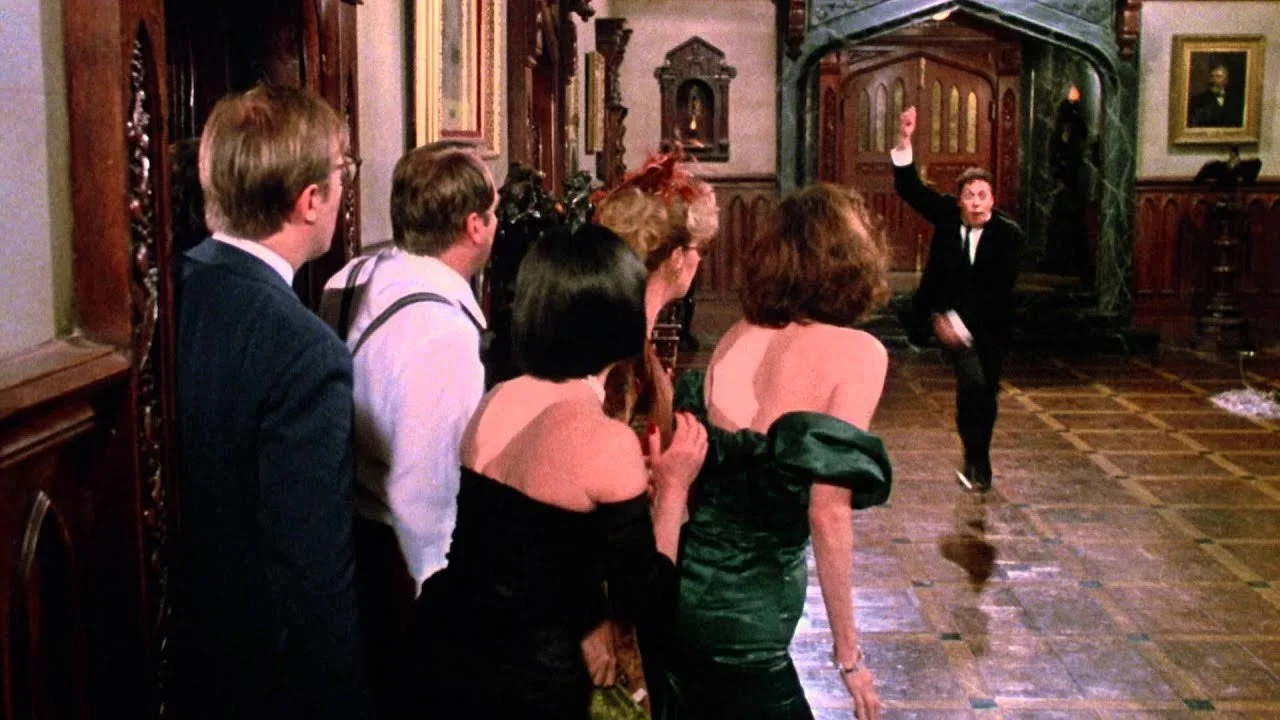
In Clue (1986), based on the board game of the same name, a colorful assortment of bumbling and secretive government workers in the middle of the Cold War era get mysteriously invited to dine at a secluded mansion, with murder, hijinks and lots of chaotic running around to ensue. The movie spawned many notable quotes and is a standout of the cinematic parody genre, turning a murder mystery into a comedic farce where the bodies pile up without much investigation. However, one of the most unique parts of the movie is also what hurt it at the box office.

Yet with Miyazaki’s The Boy and the Heron, everything we have come to trust in Ghibli movies is turned upside down. Rather than returning to comforting magic, Miyazaki delivers a deeply personal, dark, self-reflective interrogation of his own career. He moves away from the enchanting escapism that defined his peak eras, turning toward a darker view of society and making the viewer question whether art can truly fix a broken world.
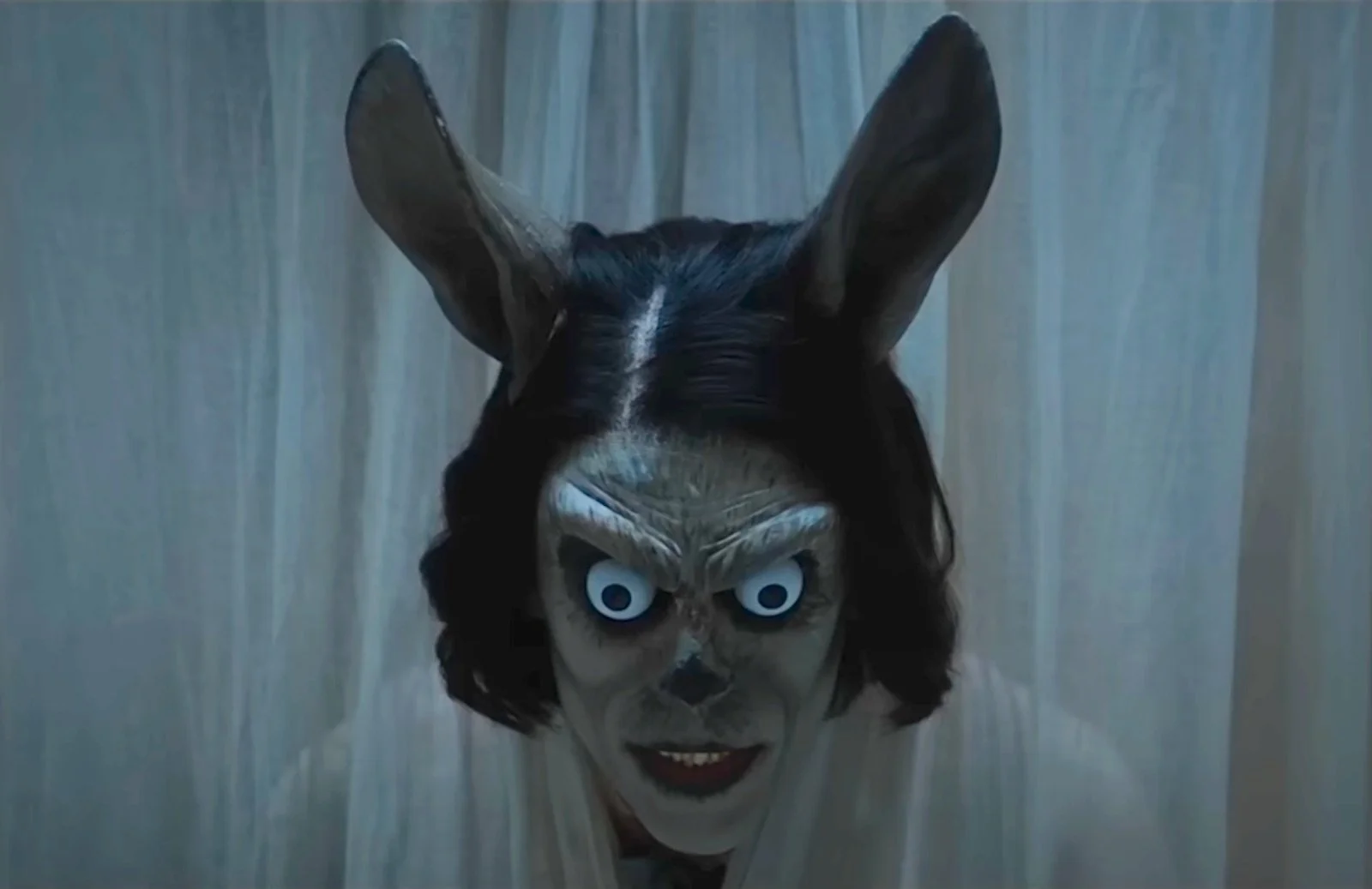
There are three things you should never do in a Damian McCarthy movie: Accept an odd job offer, touch an antique object, and most importantly, never go into a building that seems even remotely interesting. Damian McCarthy, the Irish horror director behind Caveat (2020), Oddity (2024), and Hokum (2026), has a very special talent for constructing physical spaces that feel fundamentally wrong. Watching his three movies provides a vivid illustration of how McCarthy has grown as a director and how he has mastered the art of the haunted house.
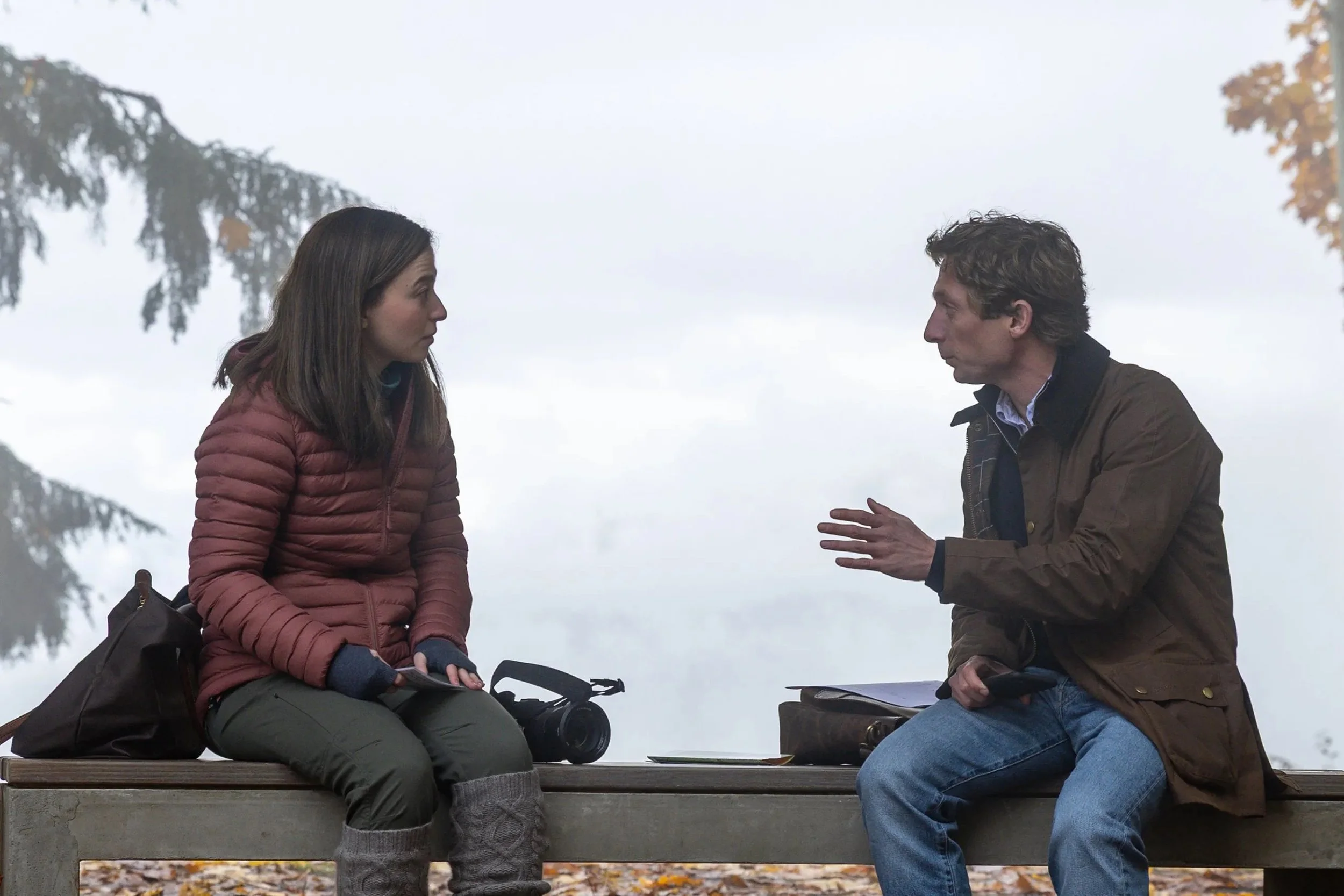
It’s 2026. The AI arms race is fully underway, and all the major tech players are rolling out new and better generative products. You hear that Aaron Sorkin, the Academy-trophied Tiresias who wrote The Social Network, has penned (and directed) a sequel of sorts that continues the Facebook story.
Then you find out it’s about The Facebook Files, what turned out to be an explosive but less-than-apocalyptic episode in the company’s history, and something within you deflates.
No one reading this has to imagine that scenario, because it is, of course, what happened.The Social Reckoninghas just hit theaters—and it’s a colossal misfire.
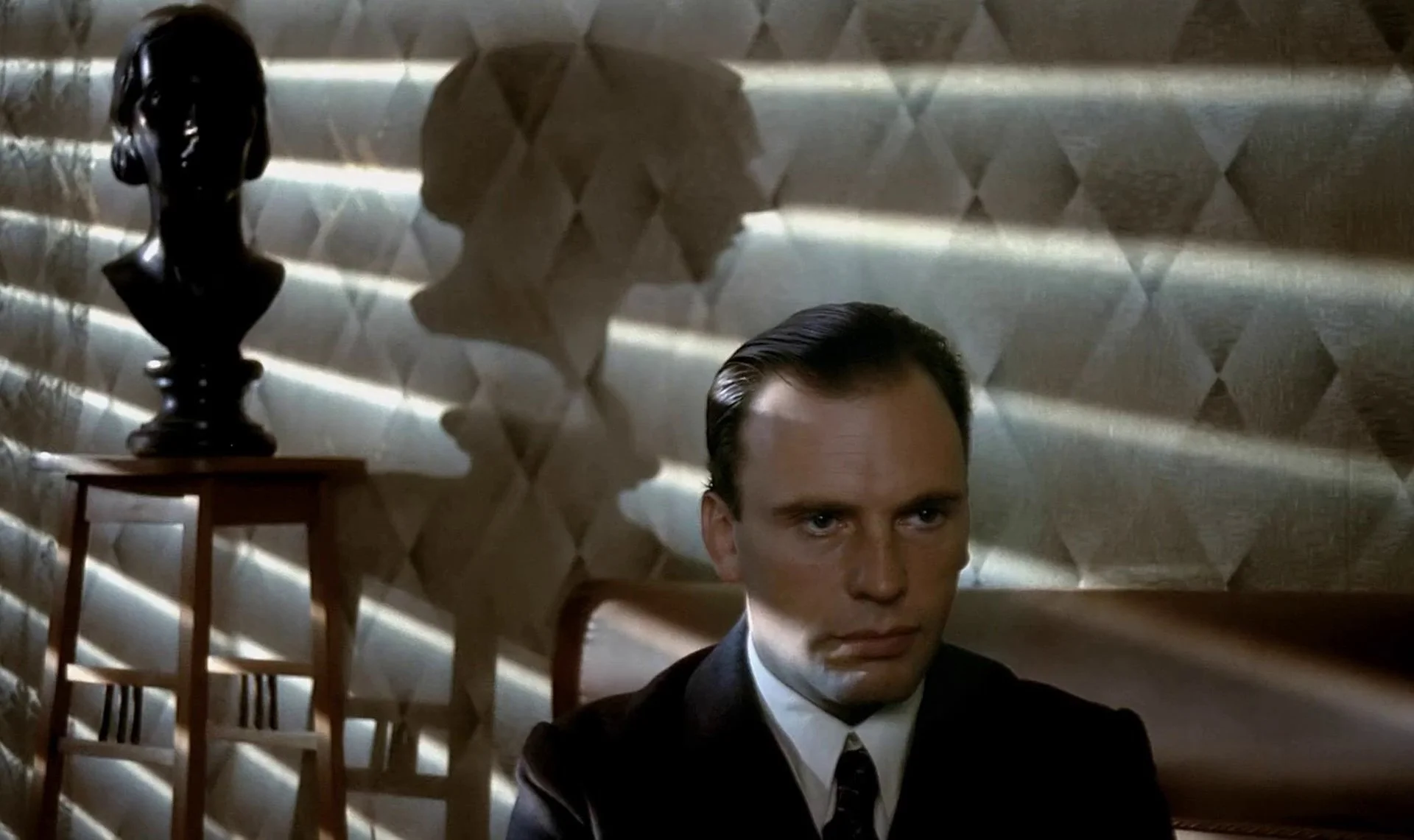
Bernardo Bertolucci’s Il Conformista tells the story of fascist spy named Marcello on an assassination mission, as memories from his past haunt him in the present. One of the film’s central ideas is Marcello’s faith in the image of fascist Rome. Bertolucci weakens this image through a distortion of time and space and powerful imagery
More in Comedy Reviews
In Clue (1986), based on the board game of the same name, a colorful assortment of bumbling and secretive government workers in the middle of the Cold War era get mysteriously invited to dine at a secluded mansion, with murder, hijinks and lots of chaotic running around to ensue. The movie spawned many notable quotes and is a standout of the cinematic parody genre, turning a murder mystery into a comedic farce where the bodies pile up without much investigation. However, one of the most unique parts of the movie is also what hurt it at the box office.

Is This Thing On? stars Will Arnett as a middle-aged father going through a divorce who finds solace in stand-up comedy. And while, yes, Alex (Arnett) may not be particularly great at stand-up (to begin the film, anyway), the movie is surprisingly very funny. I walked in with relatively low expectations, assuming I’d get a laugh here or there, but I was laughing constantly through the movie.
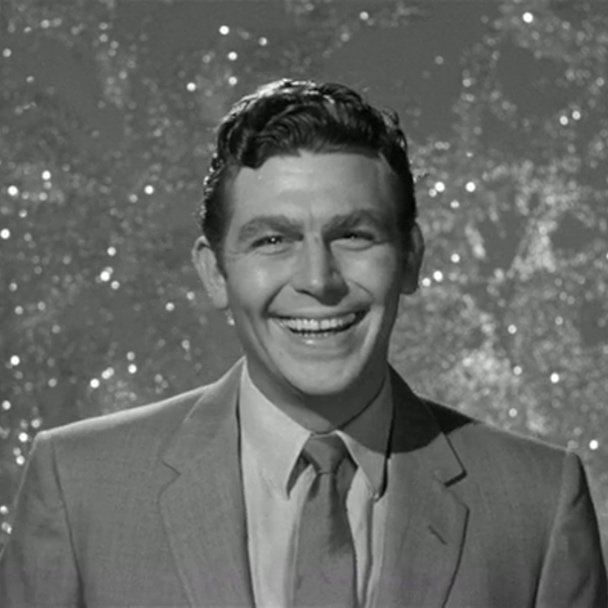
There is one film, though, that I believe deserves the modern parallels it often invokes: A Face in the Crowd. Released in 1957 to moderate acclaim, the film is the work of Hollywood envelope-pusher Elia Kazan and screenwriter and novelist Budd Schulberg, whose eponymous collection of short stories the film is based on. A Face in the Crowd focuses on the meteoric rise of a jailbird from Arkansas.
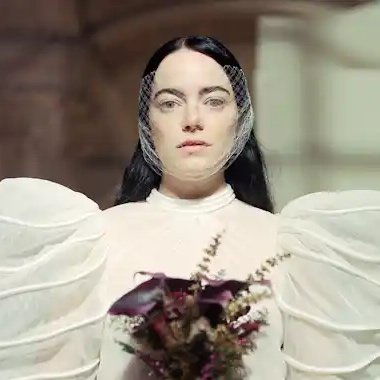
Lanthimos’s strength, to me, seemed to lie in crafting thought-provoking concepts, even when his execution was markedly wanting in depth. Poor Things continues this trend, featuring an intriguing set-up (based off the novel by Alasdair Gray) and a resulting film that is underwhelming eye-candy at best and morally transgressive at worst.
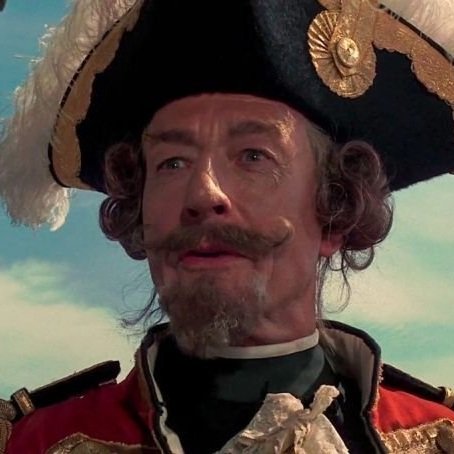
I was one of those kids at school who needed the crayons to be taken away from them. My mom tells the story of my first day of school, and how I cried at the end of the day when I wasn’t able to bring the picture I’d drawn home with me. I was the artsy kid in high school, even more artistic kid by the time I got to enrolling into a Fine Art degree in college. For as long as I can remember, I’ve always made things. But when I think about the kinds of things which have influenced me along the way, one of the earliest memories I have is of gloomy Sunday afternoons growing up in the bleak seventies of rural England, and watching the sketch comedy series, Monty Python’s Flying Circus with my Dad.


There is something so utterly ridiculous and yet so completely sweet about Billy Eichner’s Bros. Only Eichner could write a movie about a podcast host, working as one of the museum curators at a new LGBTQ+ museum, falling in love with an estate attorney/aspiring chocolatier. Bobby Lieber (Eichner) must navigate not only the complex world of modern dating but also the nuances and changing discourse around gay culture. And it all works just about perfectly.
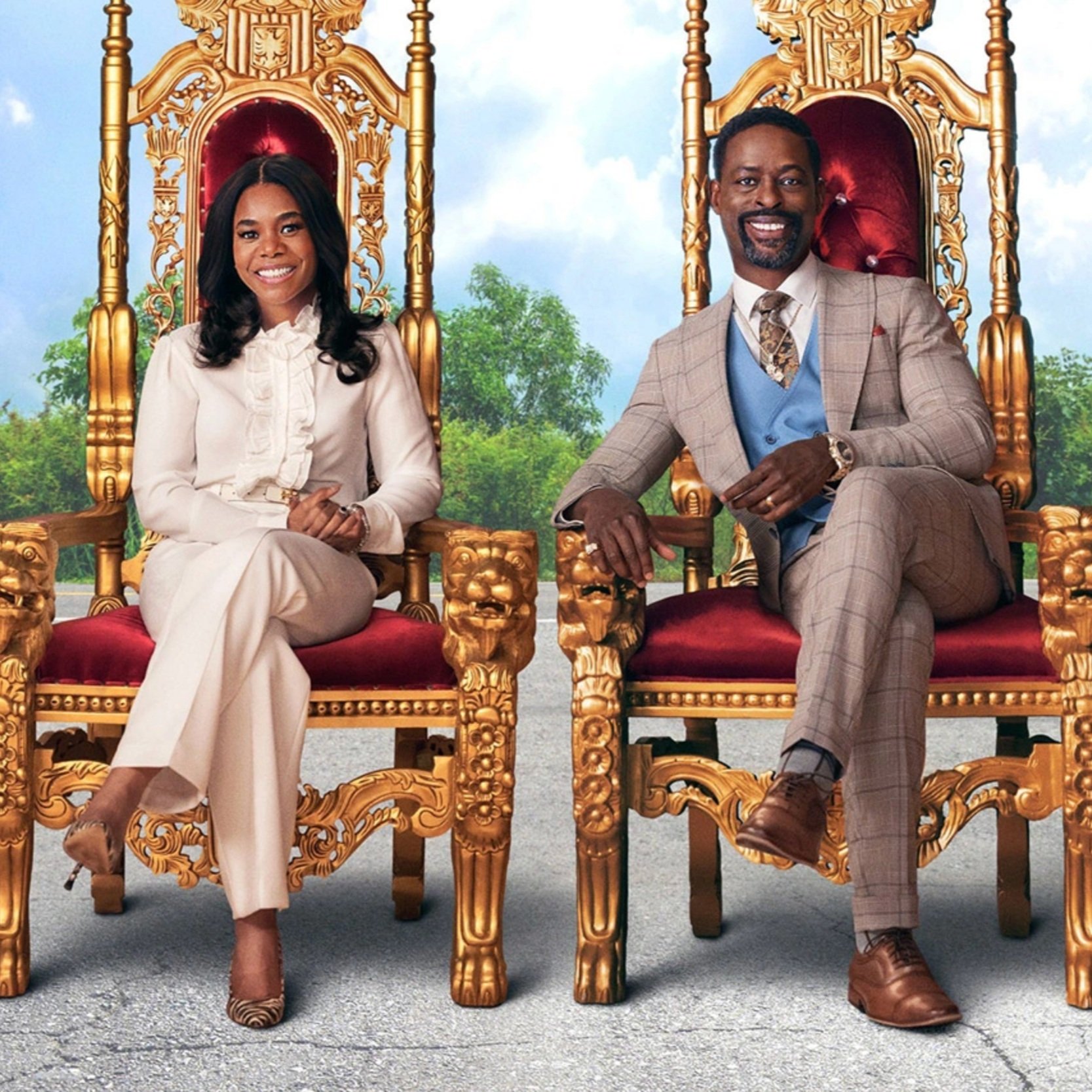
If you were driving down a highway and saw a sign that said “Honk for Jesus” would you honk? Would you go to a church that advertised itself? Would you even go to a church that was located on a highway? Despite being non religious, I considered these questions while watching the climax of Honk for Jesus, Save Your Soul, directed by Adamma Ebo, as Trinitie Childs practically begs the passersby to honk for her sanity (and Jesus).
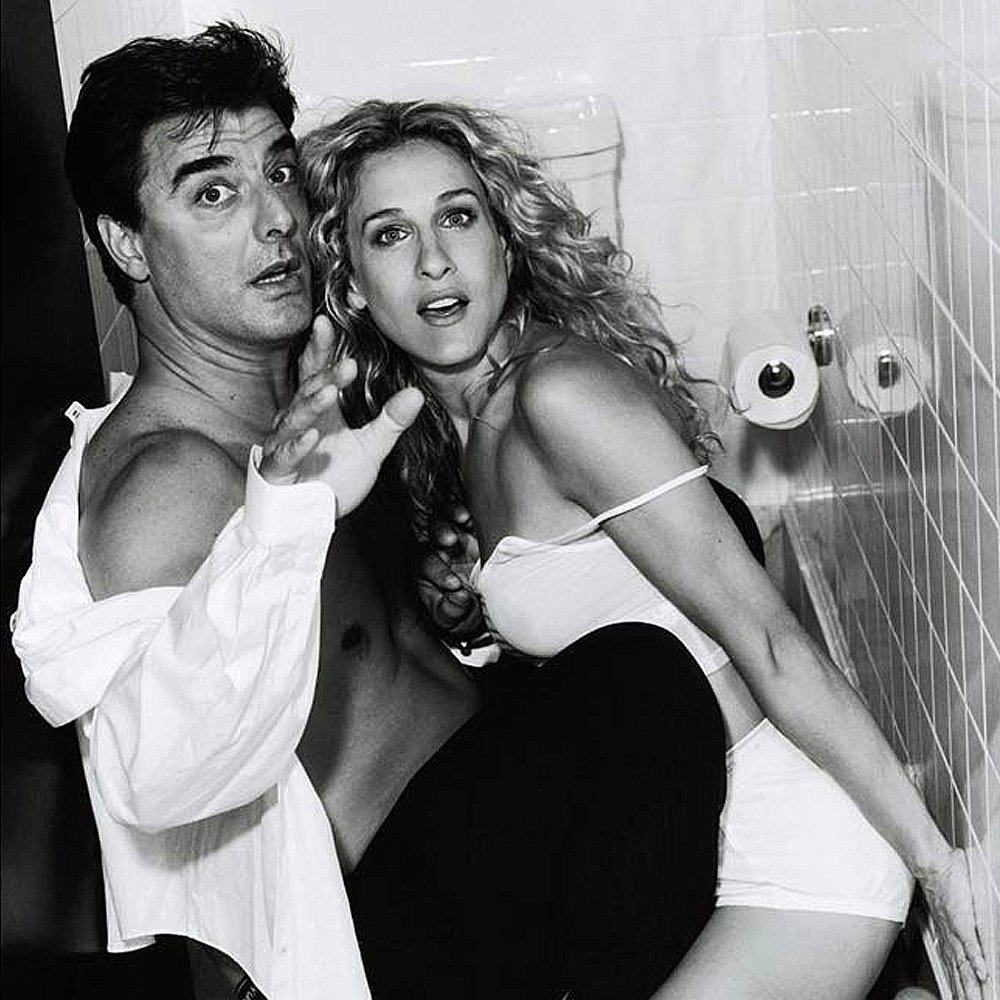
And just like that… I watched every episode of Sex and the City. I must be a really good judge on how to spend my time!
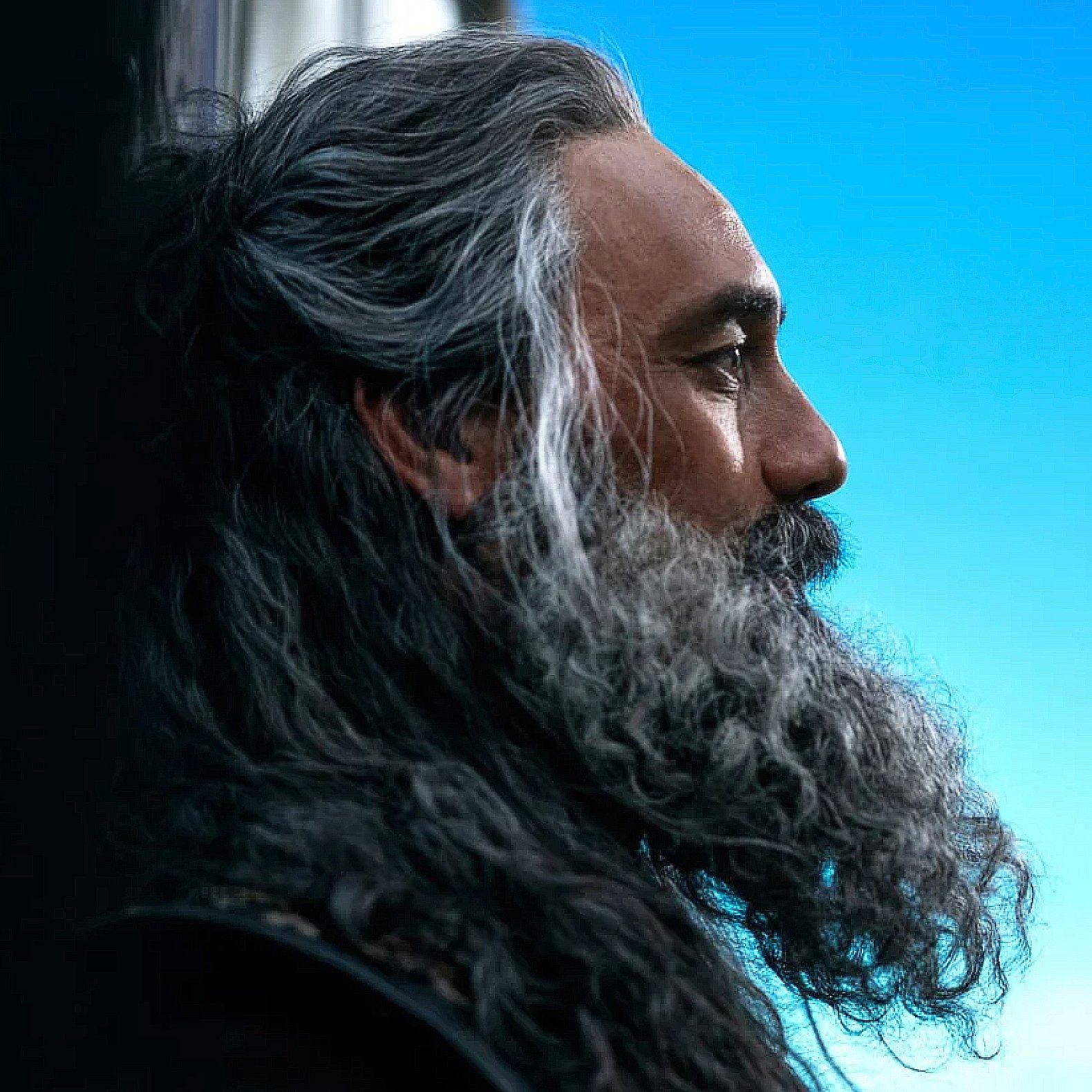
The best show of the year is an LGBTQ+ pirate rom-com. Our Flag Means Death tells the story of real-life pirate Stede Bonnet, the 18th-century aristocrat who gave up his luxurious life for an adventure on the seas. He earned the name “The Gentleman Pirate'' for his peculiar approach to piracy, building his ship the Revenge rather than seizing one by mutiny and paying his crew in wages.
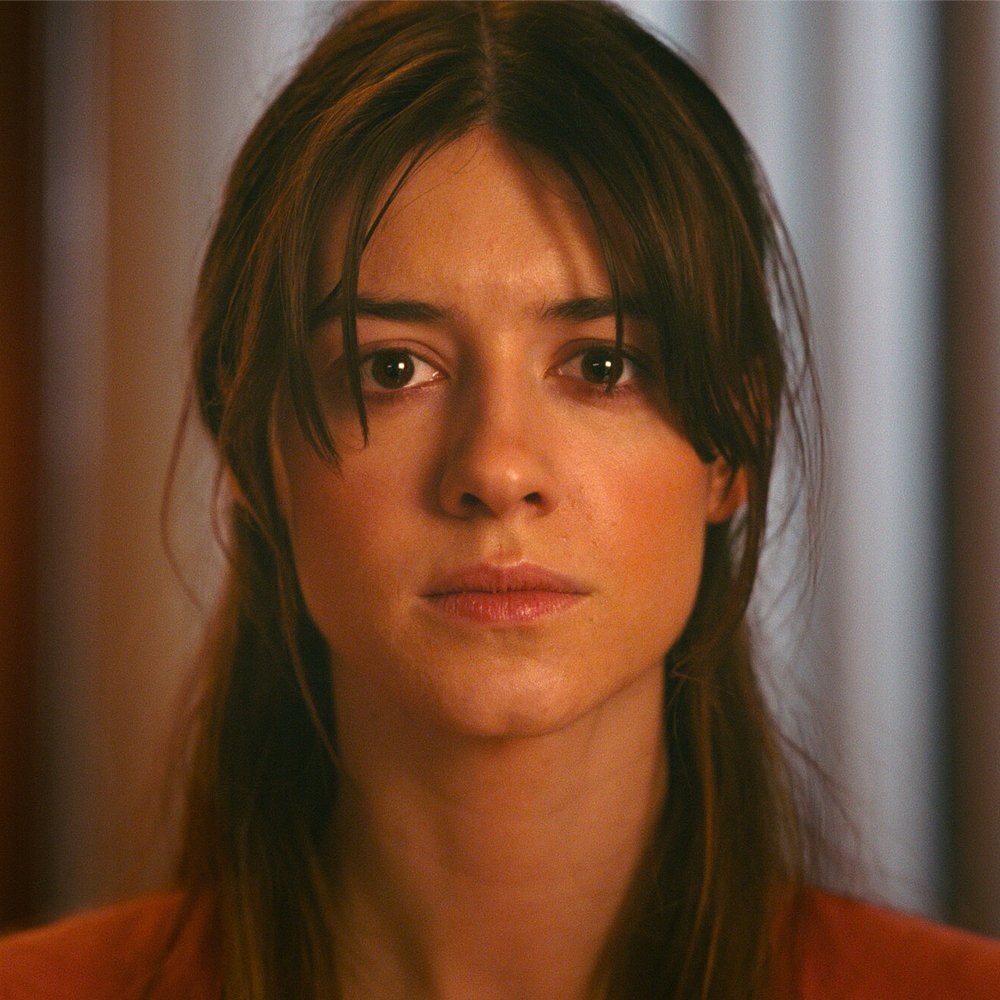
Fresh has all the ingredients to be the perfect modern thriller. It’s a black comedy about the horrors of modern dating starring Daisy Edgar-Jones and Sebastian Stan. There are plenty of mundane horrors to be had in the dating world, but Fresh ups the stakes and throws a cannibal into the dating pool.
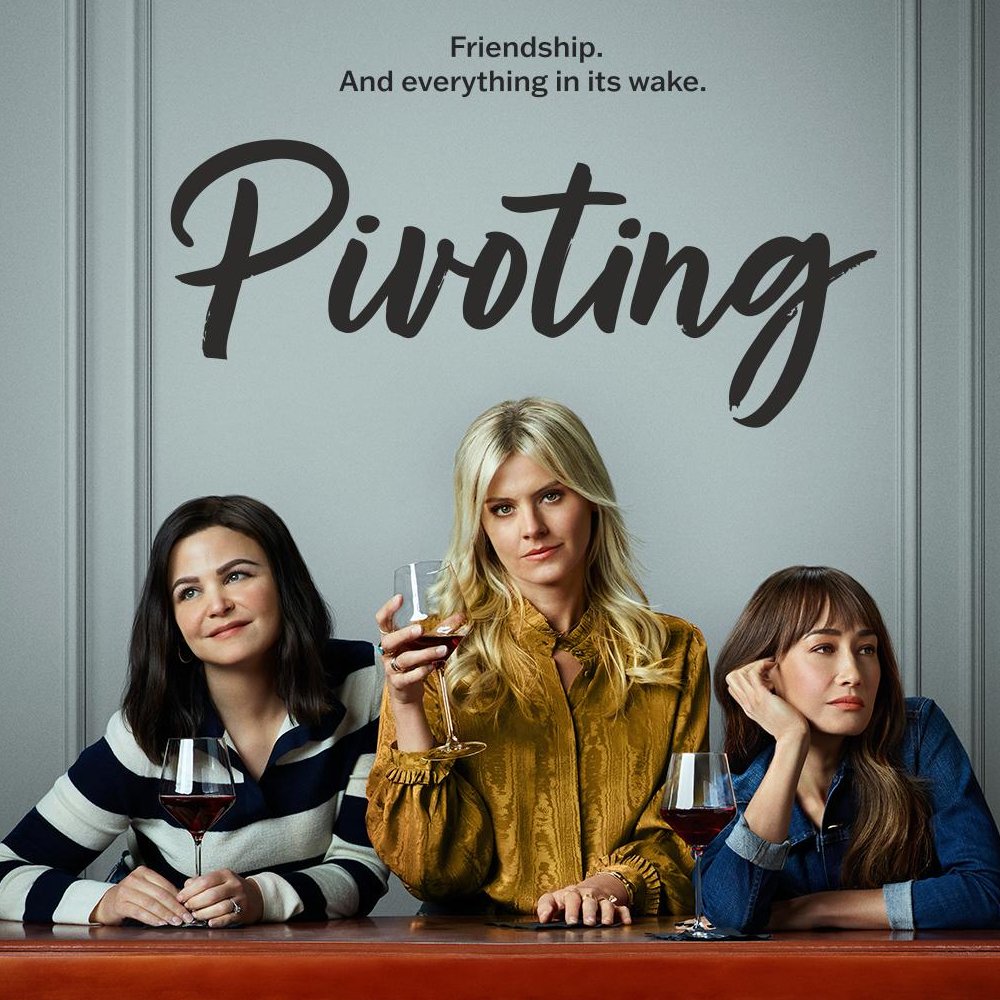
FOX’s newest comedy Pivoting, tells the story of three women in their thirties whose best friend Coleen, has just died. Awakened by the realization that life is short, they each decide to make big life changes.
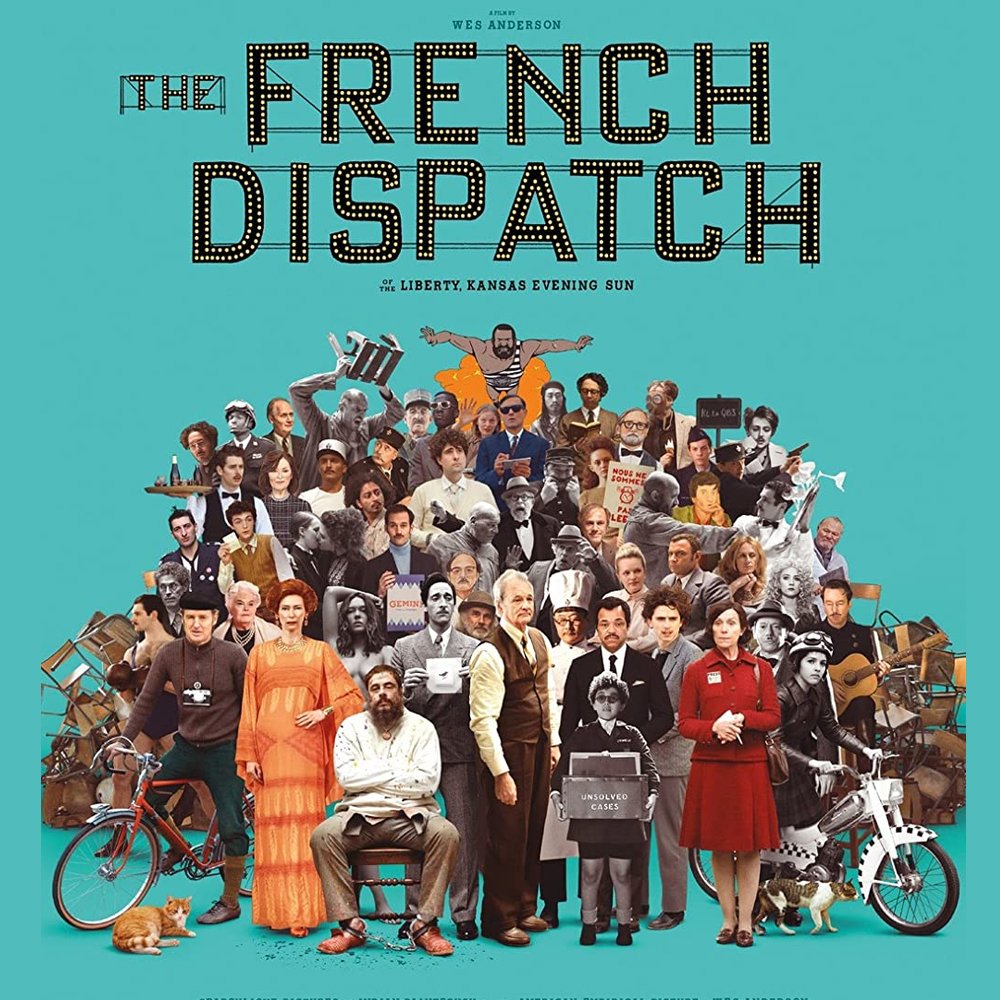
Wes Anderson is capable of more than his usual fantastical endeavours. In his newest film, he creates something entirely different, even from his nine other films of similar style. The French Dispatch, written, directed, and produced by Wes Anderson, is an anthology of several shorter stories tied together through a writer’s room of the fictional newspaper, Liberty, Kansas Evening Sun. Seemingly inspired by The New Yorker, this film is a tribute to journalism and eccentric storytelling.
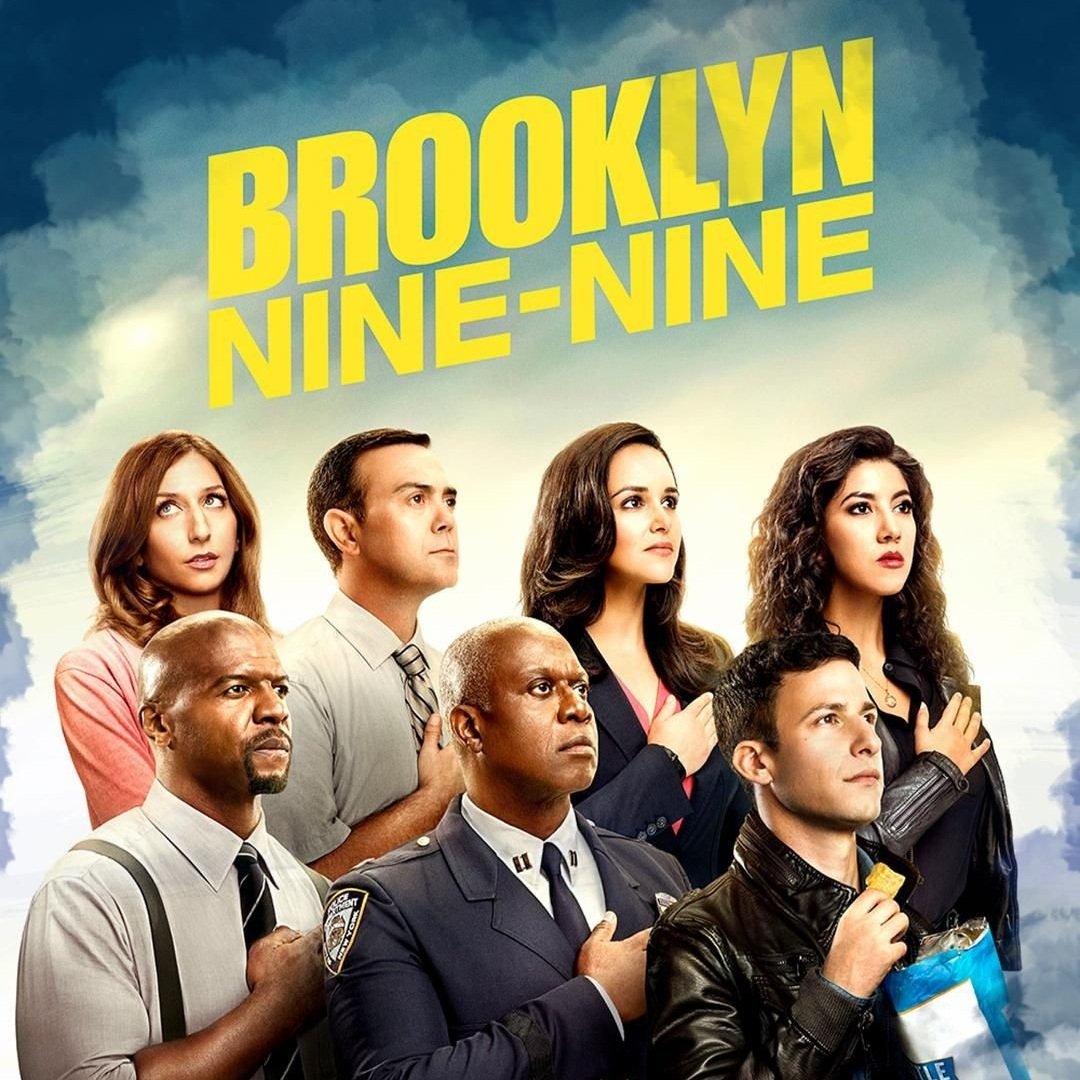
Nothing good can last forever -- including Brooklyn 99. Since the very beginning, I have always been a fan of the 99. From watching it when I was younger with my family, to finishing the final season amongst friends, it has been a constant in my life. I was devastated when Fox cancelled the show but ecstatic when NBC decided to give it another chance. When I heard the news that Brooklyn 99’s eighth season would be the show’s finale one, I understood that all good things must come to an end.
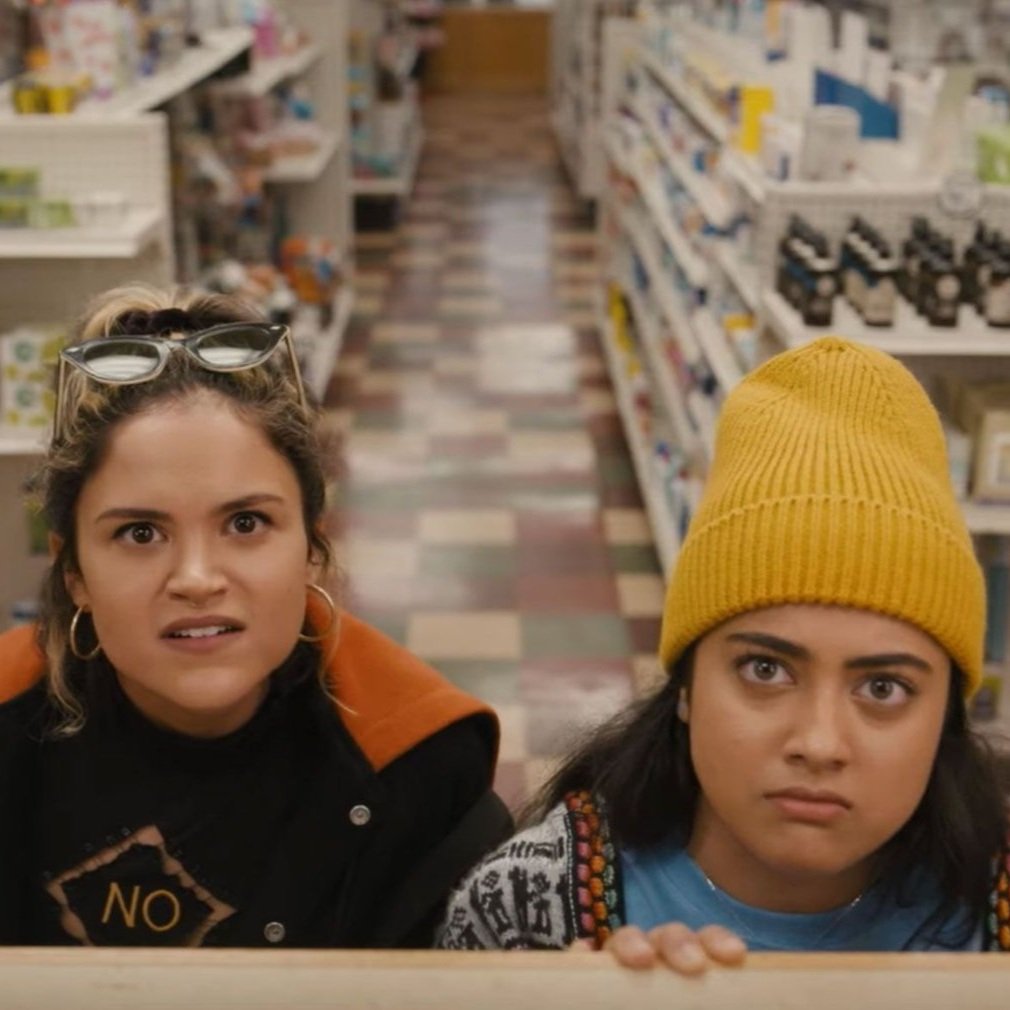
In 108 minutes, Plan B, directed by Natalie Morales, perfectly sums up the utter panic and chaos that is teenagerhood. The film follows two girls on an epically hyperventilating and winding road-trip to find the Plan B pill within their 24-hour window. There is not a ticking clock on the screen, but through the hyperactive dialogue and split-second decisions gone wrong, viewers can feel the powders of the Plan B pill disintegrating grain by grain.

Everyone loves a whodunit — or at least that’s what the steady growth of murder mysteries à la Knives Out and the true-crime rage I’ve written about for nearly 3 years tells me. The newest hit of the sort, stacked with stars from both screen and stage, finds favor across generations and genres. Only Murders in the Building, created by Steve Martin and John Hoffman, follows three unlikely friends as they create a podcast investigating, well, a murder in their building.

What is the recipe for success for a half-hour comedy these days? Apparently, it's to take a beloved New Zealand mockumentary about vampires and adapt it to American television.
What We Do in the Shadows, helmed by Oscar-winning Taika Watiti and Jermaine Clement of the original 2014 film of the same name, is a vampire-centric mockumentary-style show entering its third season. For those unfamiliar with the show, the main premise is that a group of centuries-old vampires emigrate to Staten Island from Europe, hoping to conquer the New World, but end up just being roommates in a dilapidated manor, getting into weekly shenanigans.
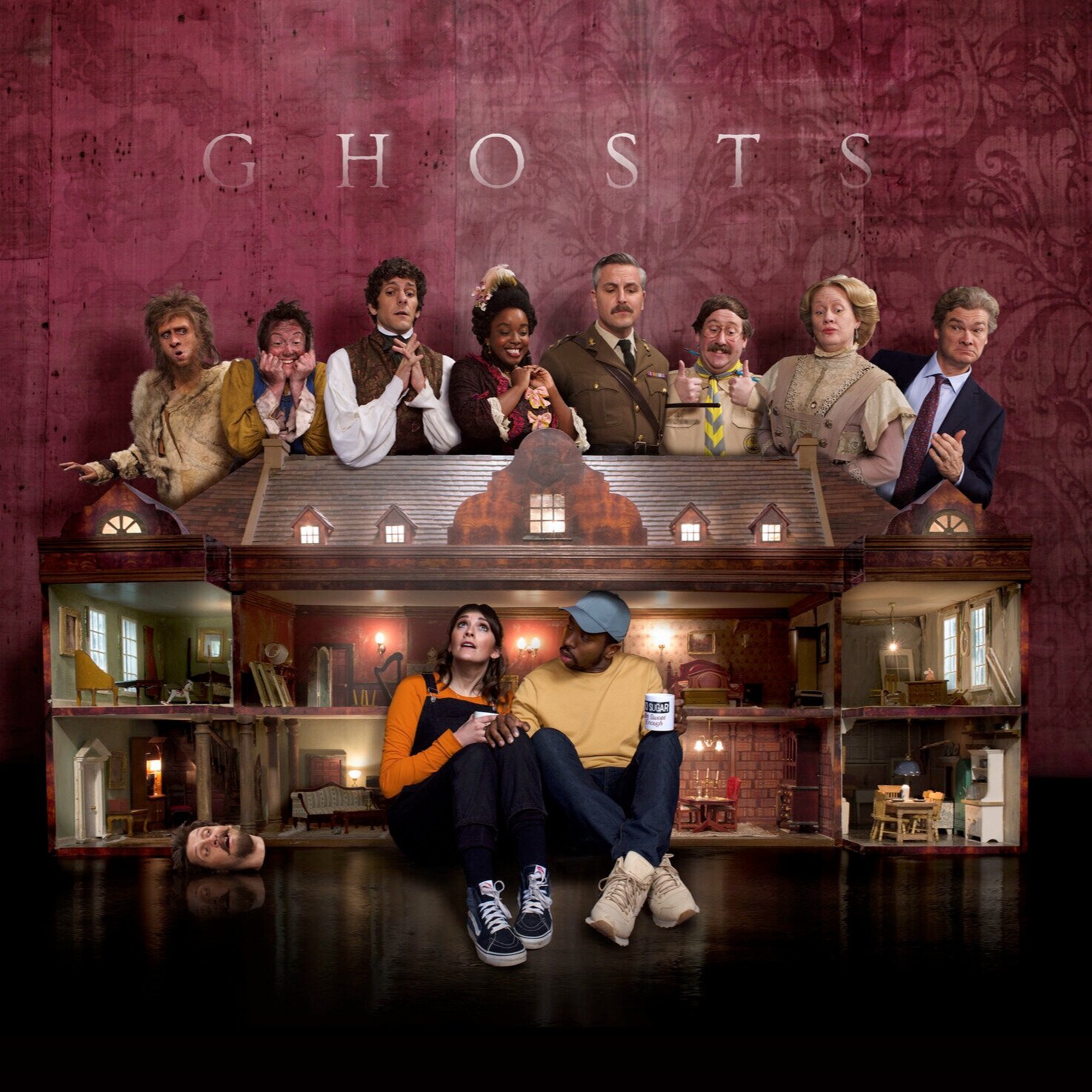
Not a fan of horror? Well, this is the perfect ghost-themed show for you. Full disclosure: I hate horror movies. Whether it’s because of the jump-scares, eerie music or avoidable bad choices made by the protagonist, horror movies have never been my style. I have, however, always been fascinated by the idea of spirits and ghosts and can’t help but ask the same question whenever I watch a horror movie: what happens to all the normal people who die? Are all ghosts really vengeful spirits or creepy kids?
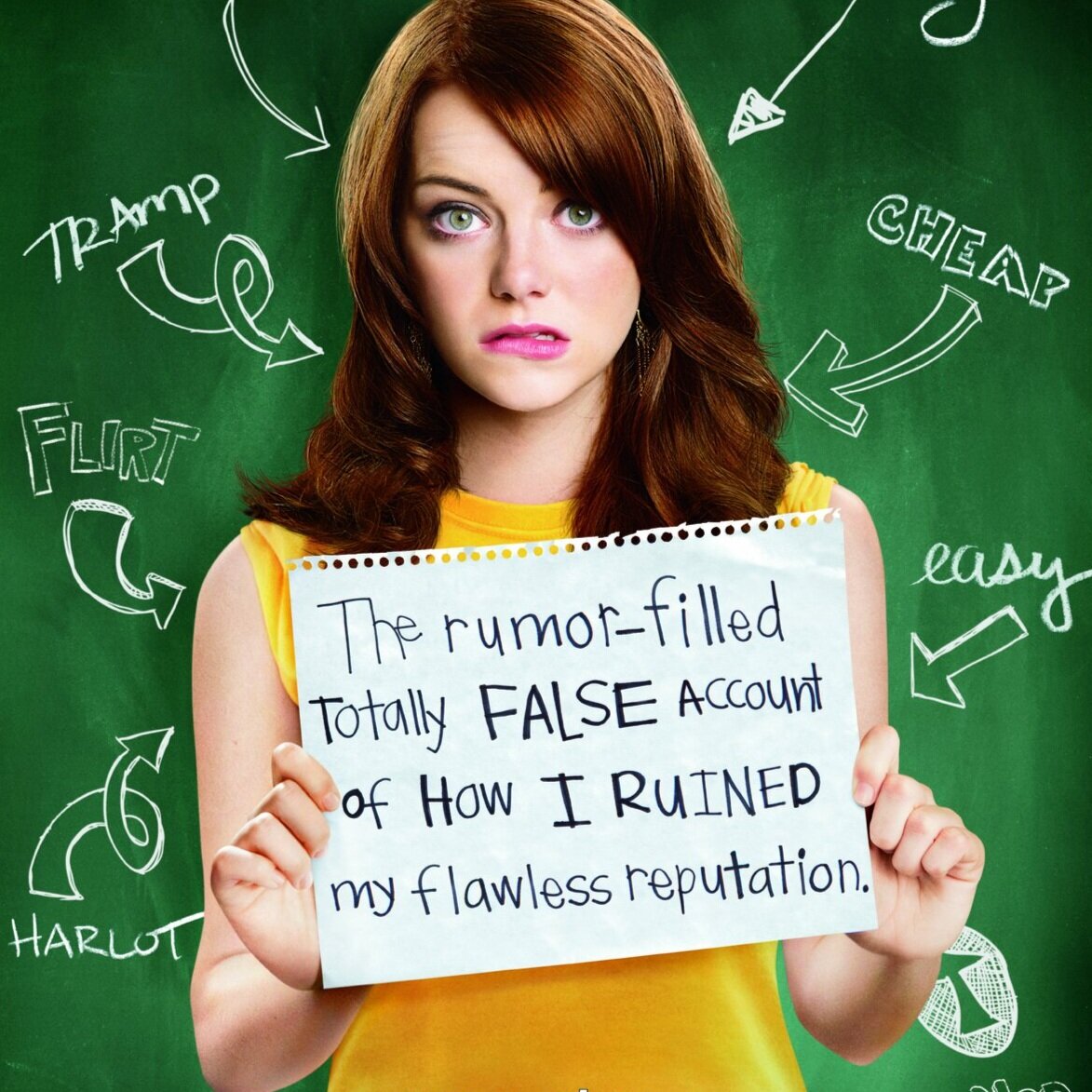
Let me start by acknowledging how unusual the plot is. The movie centers around a lonely teenage girl becoming an outcast after being shamed and bullied about losing her virginity. Not exactly Ferris Bueller's Day Off material. With that said, Emma Stone brings a certain sense of perky wit and sarcasm that makes the journey enjoyable and pleasant.
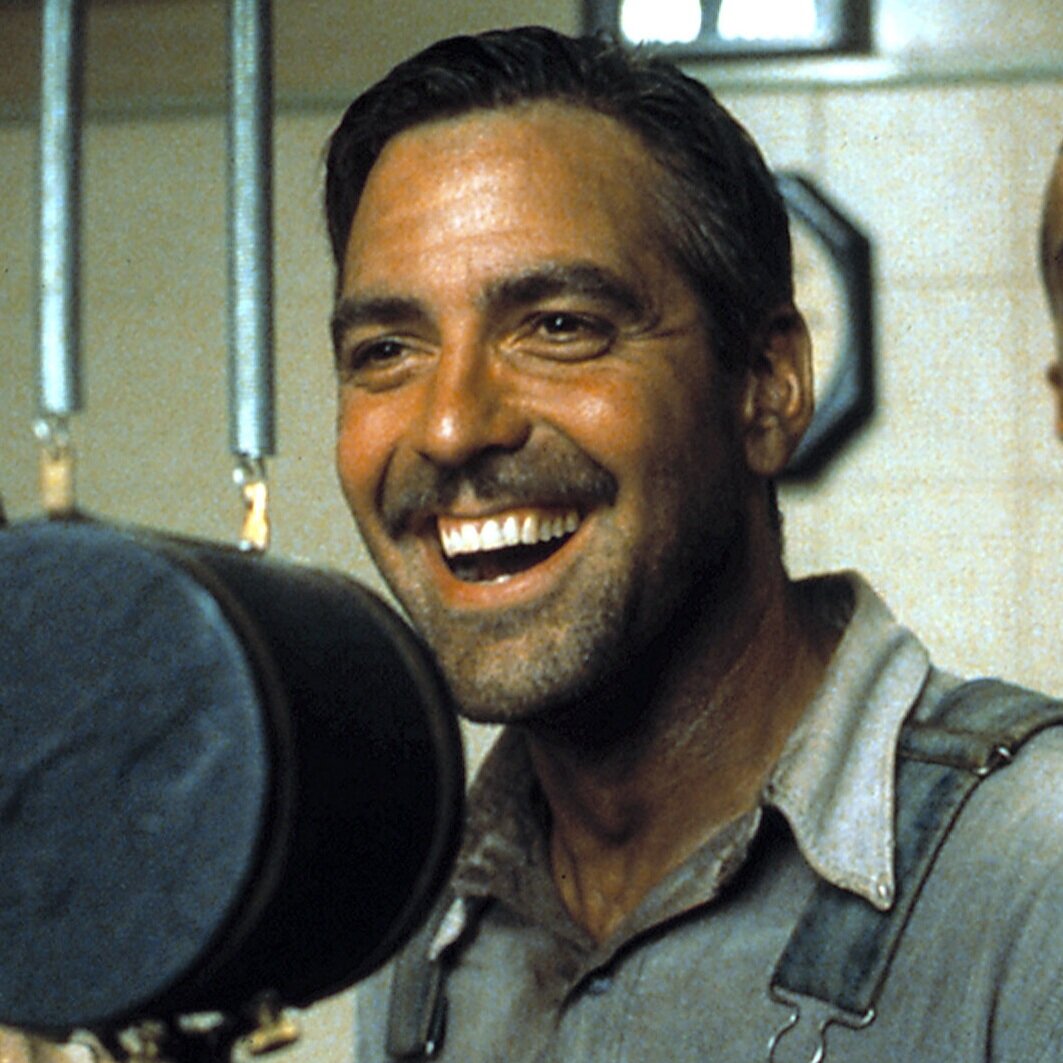
I think we can all agree that there’s something uniquely, well, peculiar about the Coen brothers’ movies. And yet, Joel and Ethan Coen are considered two of the greatest writers and directors of American cinema -- and for good reason. Their films combine quirky and lovable characters, laugh-out-loud humor, and an intriguing aesthetic. O Brother, Where Art Thou? presents all of these and more. Still, our modern understanding of race and representation require us to examine it with a critical lens.