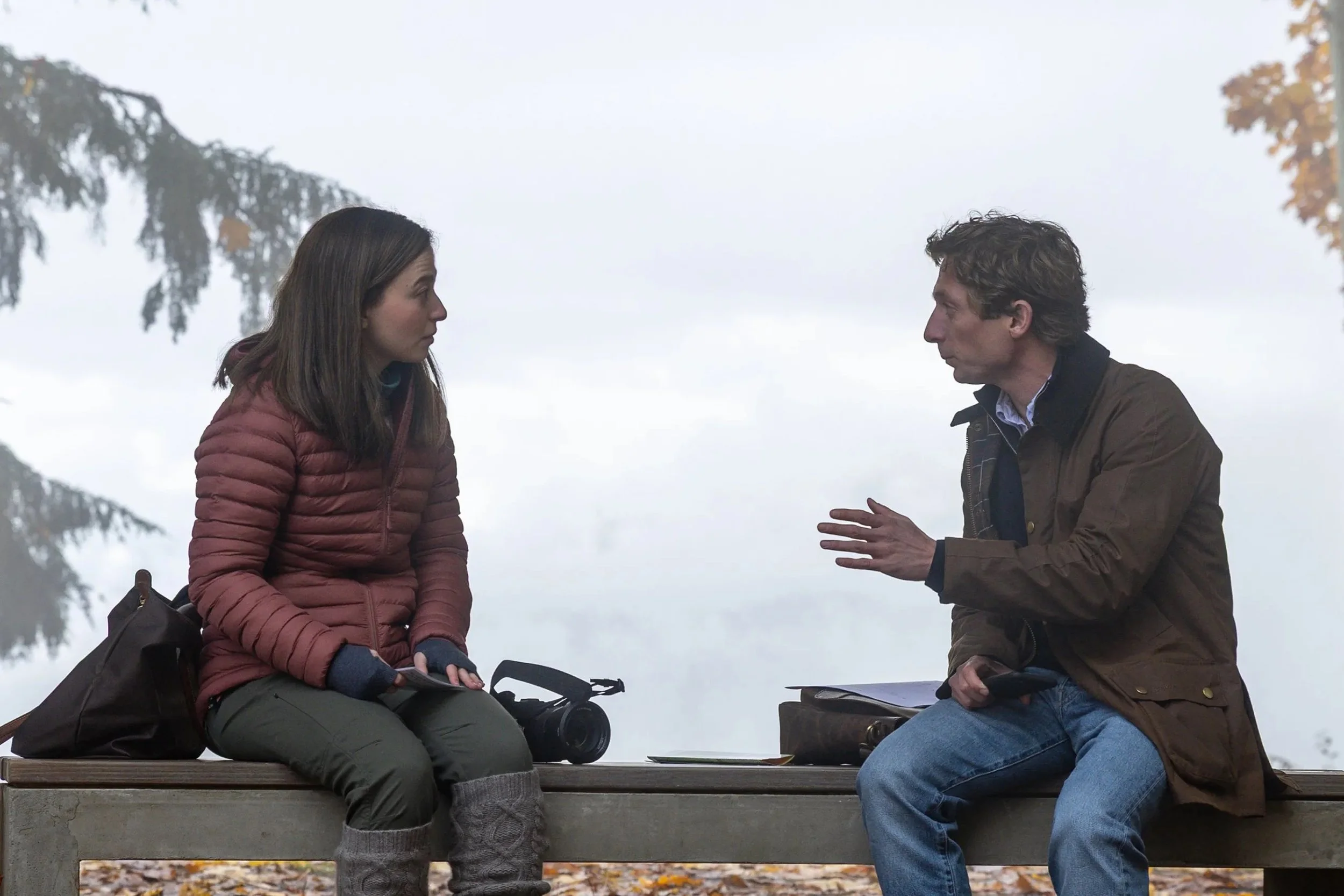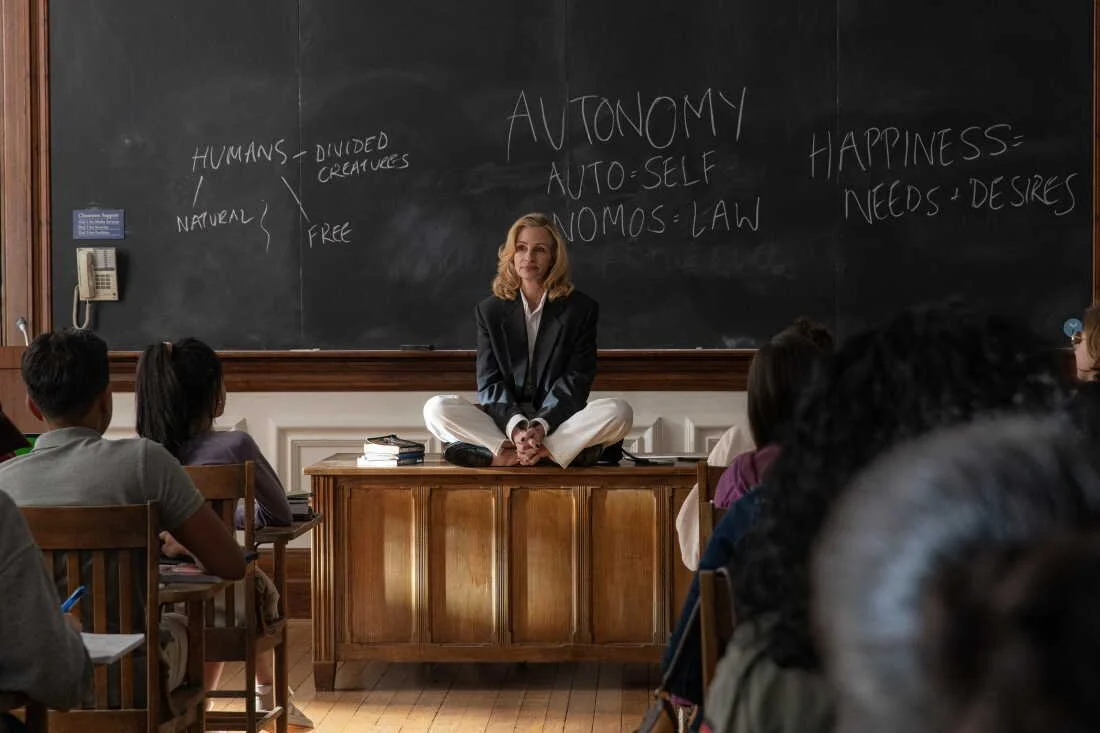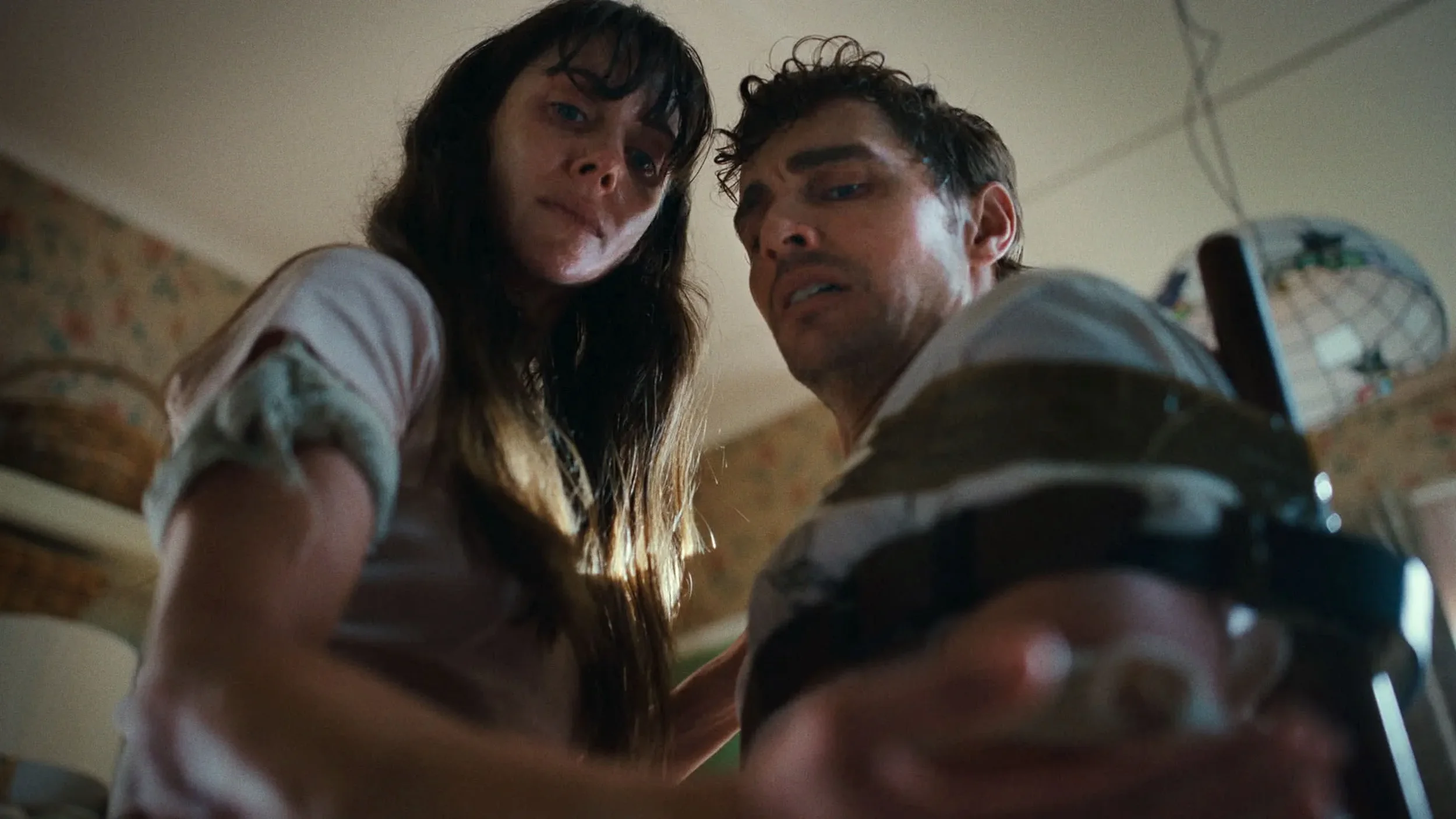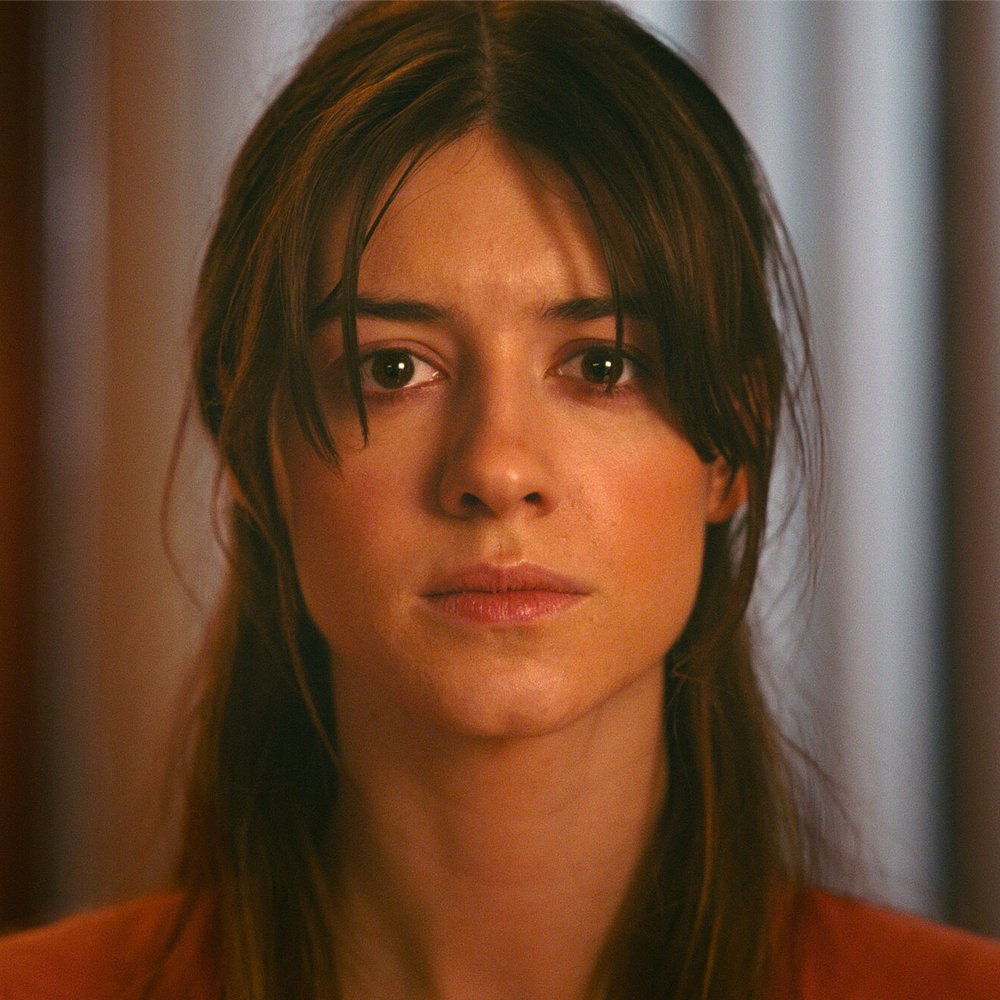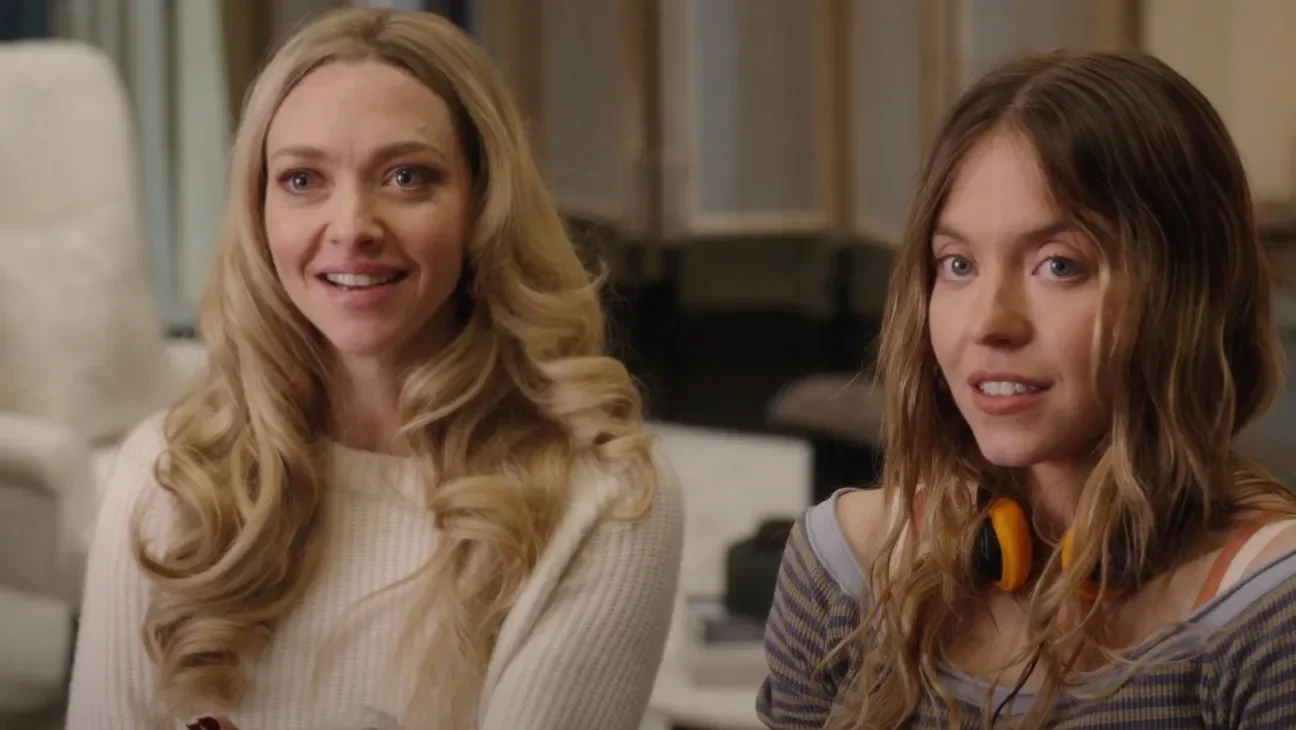
There are two different movies inside The Housemaid. One stars Amanda Seyfried, who turns in a performance so surprisingly controlled, so layered, and so quietly unnerving that every time she appears the film sharpens. The other stars Sydney Sweeney, who is asked to anchor the entire story but never finds a pulse for the role. The gap between them becomes the film’s defining tension—and not the kind it intended.
At its core, The Housemaid follows Sweeney as a young woman hired to work for a troubled, upper-class family whose polished home life hides a knot of manipulations, infidelities, and psychological traps. What begins as a straightforward job spirals into a mess of shifting allegiances, unspoken threats, and moral compromises, with Seyfried’s character pulling her into a situation that’s equal parts opportunity and danger. It’s the kind of premise that should build pressure cleanly and tighten as it goes—a chamber thriller about two women circling the same secret—but the execution never matches the setup.
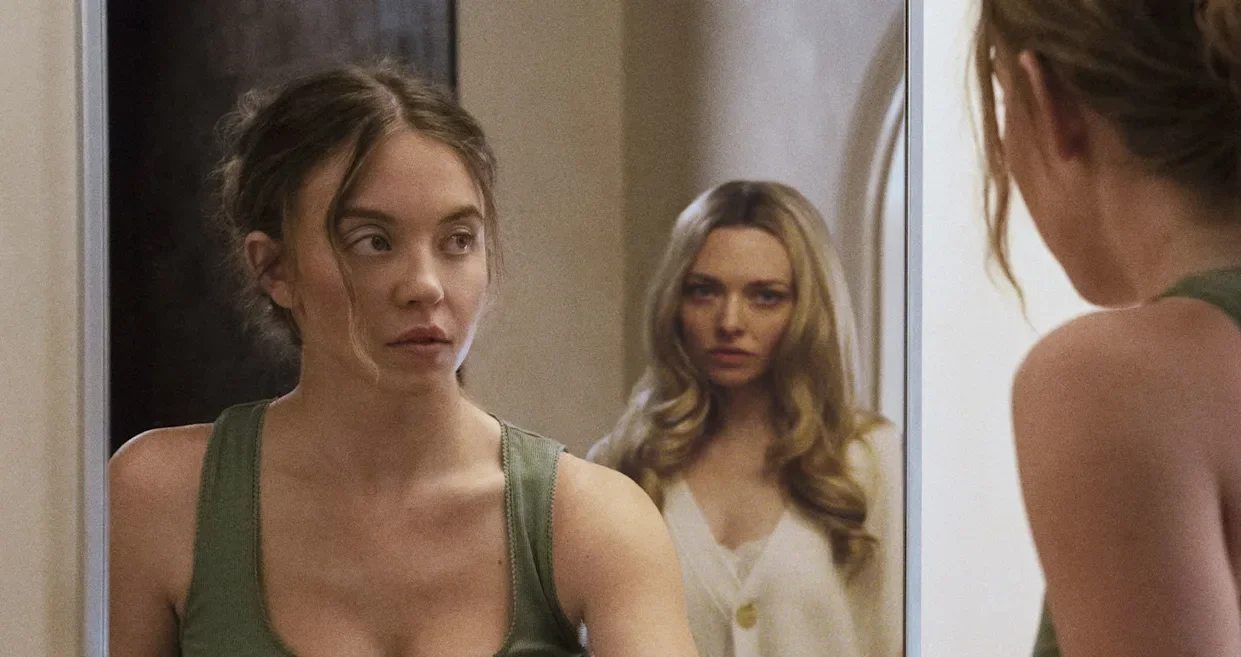
Seyfried plays the (apparently) wealthy mother with a mix of fragility and menace that always feels one beat away from cracking. She makes her character’s contradictions believable: off-putting in one scene, genuinely sympathetic in the next. You lean in when she’s on screen because she seems to know the movie she’s in.
Sweeney, meanwhile, never locates anything internal. The performance stays stuck on the surface—stiff, monotone, drained of agency. Her character has a recurring tick where she parrots back lines she heard earlier, now repurposed as declarations of strength, but each repetition lands the same: flat. The film needs her arc to feel dangerous. Instead, it feels like she’s reading aloud.
Then there’s the runtime. This should have been a tight sub-two-hour thriller. Instead, it drifts toward 2 hours and 20 minutes, and you feel every extra minute. Whole sequences—montages, repeated confrontations, filler scenes cycling the same emotional beats—could vanish without changing the plot. The story has a twist baked into it, and it’s a decent one, but the film waits so long to reveal it that the rhythm collapses. You end up watching a movie that keeps stalling to preserve a surprise it only half earns.
What’s stranger is the visual language. The Housemaid looks less like a feature and more like a movie reverse-engineered to be clipped for TikTok: perfectly centered compositions, symmetrical blocking, and scenes staged so cleanly they feel pre-cropped for vertical viewing. The screenplay follows the same logic—dialogue shaved down to premise-level simplicity, emotional turns timed so an AI narrator can summarize them in fifteen seconds. It’s a thriller shaped by the aesthetics of content, not cinema.
And then we reach the ending.

SPOILERS BELOW
At a certain point in the third act, when Sweeney and Seyfried team up to kill the unhinged husband—and are cleared of any suspicion because the lead detective happens to be the husband’s ex-fiancée’s sister—I leaned over to my friend and joked, “Imagine if it ends with Sydney Sweeney becoming a professional psycho-husband killer as her job, like John Wick-style.” It was a throwaway bit, the kind of absurd hypothetical you pitch only because the movie seems to be running out of ideas.
Ten minutes later, the movie does exactly that. The final beat—a referral for Sweeney to dispatch yet another abusive husband—isn’t a twist. It’s a punchline. It reframes the entire story as the origin of a franchise concept no one asked for, the kind of ending built not to resolve a narrative but to tee up SEO. It’s the clearest sign of what the film had been telegraphing the whole time: this is not a thriller. It’s a pitch deck disguised as one.
There are shades of a good movie here, mostly whenever Seyfried is allowed to take control. But The Housemaid never trusts itself—or its audience—enough to slow down, deepen, or complicate its ideas. Instead, it opts for a slick version of a slick genre, shaped to be cut into clips, stripped of texture, and delivered in algorithm-ready slices. It could have been lean. It could have been tense. Instead, it’s vertical-video cinema: broad, bloated, and built for the feed. If the film had the courage to follow Seyfried’s instincts instead of chasing platform-friendly framing, we might have ended up with something sharp. Instead, we got the ending I joked about—and my joke landed better.
Popular Reviews