I knew I had to pee about ten minutes into the previews. Instead of taking care of the matter right then and there, I thought I could suppress the urges of my bladder for another two hours and be fine. Boy, was I wrong. While I in no way recommend watching Us with a full tank, as it will likely result in you getting a UTI (exhibit A: me), this experience allowed me to hone in on three main traits of the film: the humor, the horror, and the scene length composition. Before I get into my analysis, here’s a quick and admittedly oversimplified synopsis of the mystery-thriller:
Us depicts a terrifying scenario in which the Wilson family is hunted by their killer doppelgangers. While fighting for their lives, the Wilsons eventually learn that all of Santa Cruz, and likely America, is polluted with these doubles, also known as the Tethered. What do the Tethered want? It’s simple. After generations of living underground in the thousands of miles of abandoned train and subway tunnels in America, the Tethered want to kill their human doubles, or “untether” themselves, in order to get their chance to live a free life above ground.
To start, I nearly peed myself several times due to Peele’s clever comic relief, which was scattered throughout the film. Just like in Get Out, Us portrays a tasteful balance between quick-witted humor and skin-crawling terror, sending viewers on a rollercoaster of emotions. Indeed, I adore Peele’s combination of comedy and horror. However, there was one area in which I felt that the humor diluted the fear-factor of the film; in my opinion, the character of Gabe Wilson (Winston Duke), the dad of the Wilson family, failed to leave the comedy sphere and enter that of horror. While the comedic character worked for TSA worker Rod Williams (Lil Rel Howery) in Get Out, the main difference there is that Rod was a side-character. Gabe, on the other hand, is a main character, and therefore his continuous lack of seriousness strips the sense of realism and threat of horror felt by the audience. While sprinkled comedic relief is valuable, too much can sabotage the entire genre of a film.
Second comes the horror. With my bladder filling by the minute, I was too scared to be scared during the movie. In other words, I didn’t want to pee myself when screaming from a scary scene. However, to my relief and my dismay, I quickly realized that I could prepare myself for most of the scary scenes. Many of the pop-out and close-call moments are predictable and lacked compelling suspense. That said, Lupita Nyong’o’s performance as Adelaide Wilson and Red (Adelaide’s double), left me scared for days. Her character work was convincing and fear-inducing. Much like Daniel Kaluuya’s chilling performance in Get Out when his character Chris enters sunken place, Nyong’o conveyed dark and twisted emotions that seemed to seep from deep within.
Third comes the duration of the scenes. I’ll admit it: with a full bladder, you are much more cognizant of how long things take. So, what comes next may be biased, but I still think it has to be said. Throughout the film, and especially towards the end, I felt that many of the scenes dragged on. For example, when Adelaide finally confronts Red in Act Three, Red recites a long, overly-explanatory monologue that, instead of revving up the momentum for the final act, ultimately portrays an attempt to tie together the loose ends and unanswered questions that were neglected to be answered earlier on. Then there is the dance fight sequence. While is is unique and boasts an art-house vibe, I’m not sure it belonged at the end of this film. Indeed, the song editing and composition for this scene was innovative and possibly revolutionary; however, the scene as a whole felt out of place after the entire film we had just watched. Was Peele trying to do too much?
So, was Us worth the UTI? Yes and no. It was good and spooky and left me thinking about all of the alternate meanings of the end scene. However, I ultimately think Us fell flat at some points and, if we’re being brutally honest, I was more scared watching Key and Peele’s three-minute sketch “Baby Forest” than I was throughout this entire film.
More in Horror Reviews
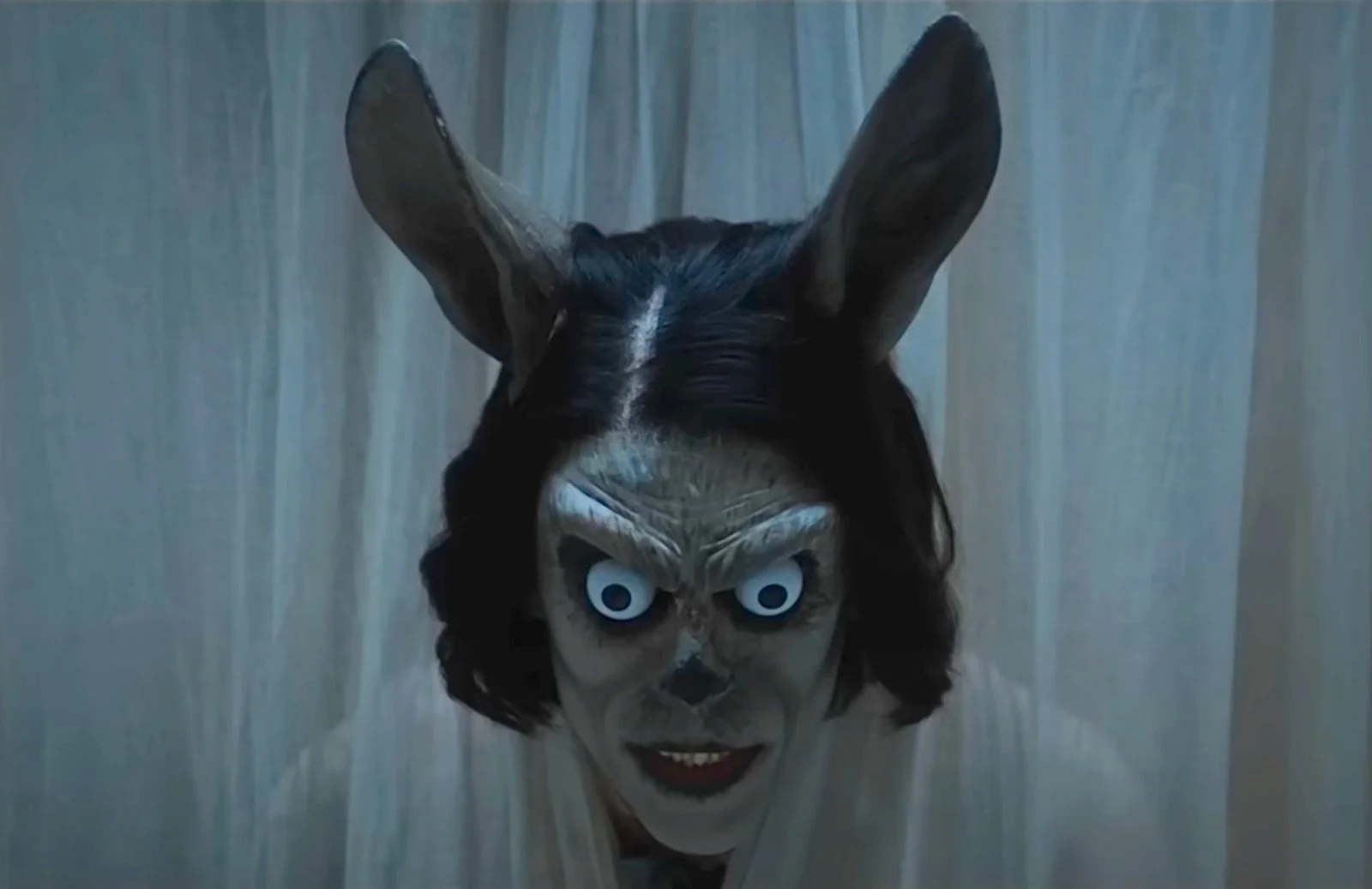
There are three things you should never do in a Damian McCarthy movie: Accept an odd job offer, touch an antique object, and most importantly, never go into a building that seems even remotely interesting. Damian McCarthy, the Irish horror director behind Caveat (2020), Oddity (2024), and Hokum (2026), has a very special talent for constructing physical spaces that feel fundamentally wrong. Watching his three movies provides a vivid illustration of how McCarthy has grown as a director and how he has mastered the art of the haunted house.
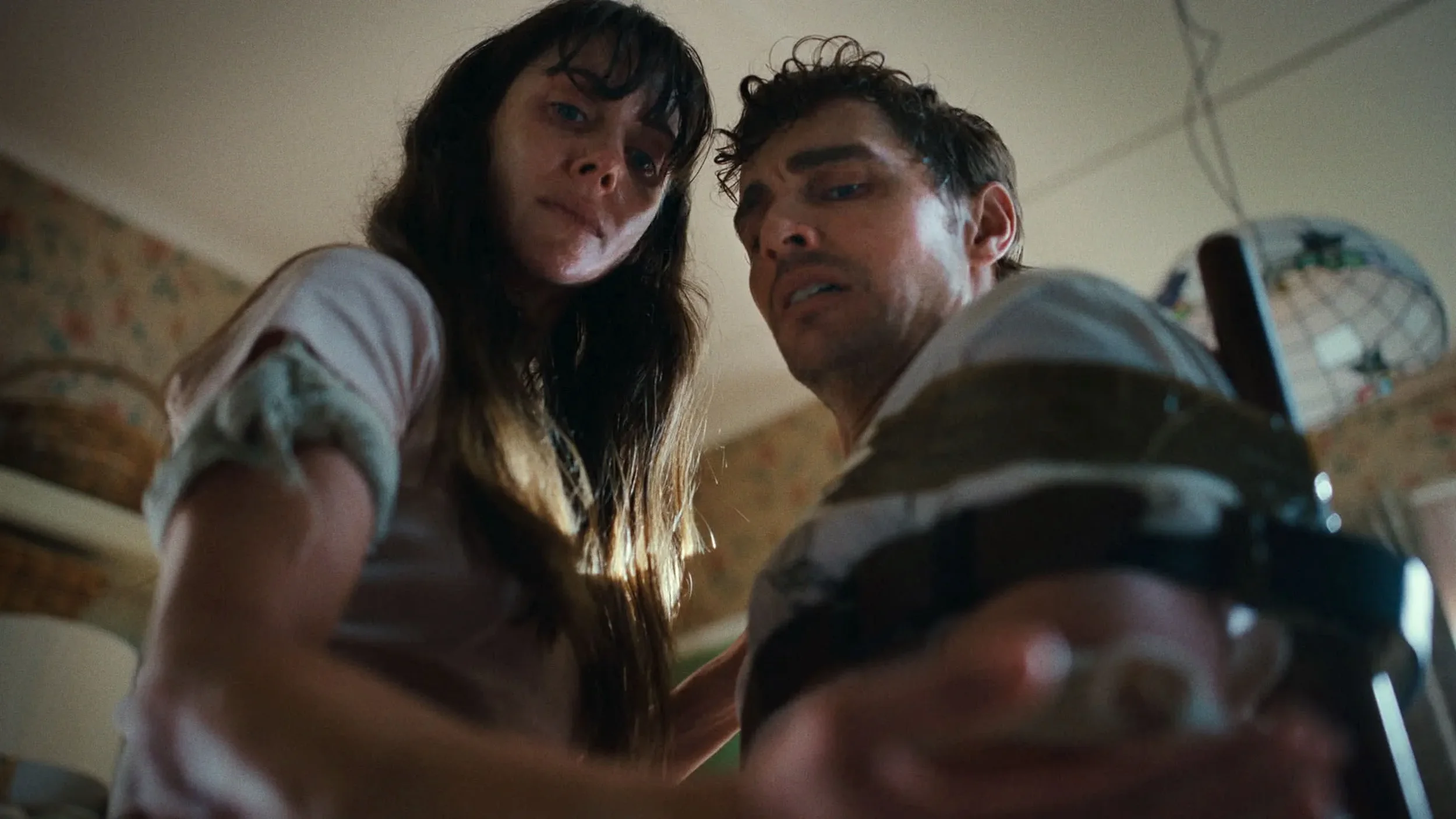
If you asked most people a few years ago who was “winning” indie horror, the answer would've been obvious: A24, of course. But between 2021 and now, something shifted. Not all at once and not always clearly, but deliberately. While A24 horror started to feel scattered, Neon built something more strategic.
What’s interesting is that Neon didn’t start with a clear horror identity at all. It was built over time, and I track that evolution in three distinct pseudo-phases: pre-Titane, post-Titane, and post-Longlegs. Each phase had a different strategy. First it was discovering talent, then experimenting with identity, and finally scaling into something that looks a lot like dominance.
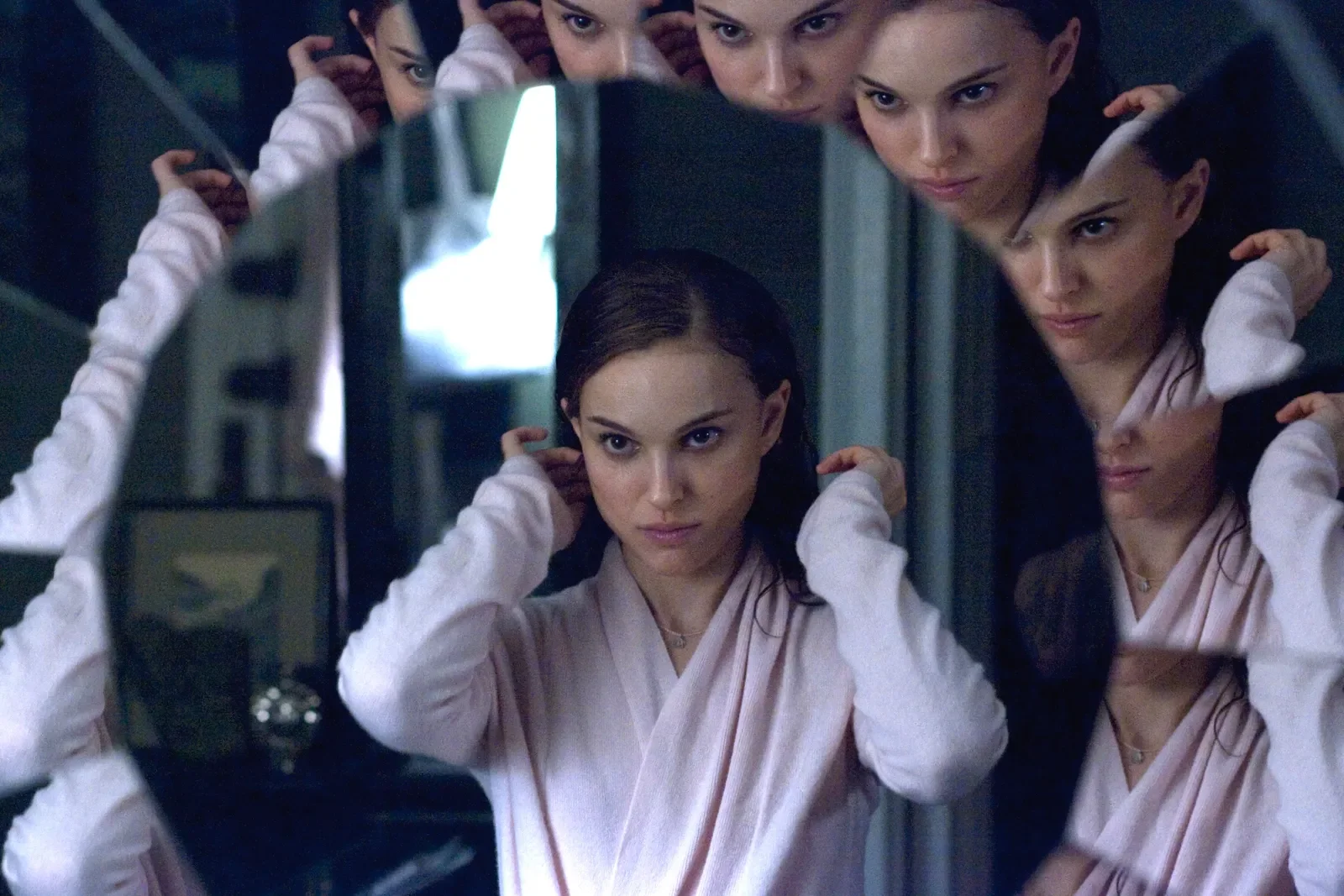
15 years ago today, Daren Aronofsky’s psychological thriller Black Swan hit theaters for the first time. The film was seen as a return to form for the director, bringing back much of the neurotic style that his infamous 2000 film Requiem for a Dream had–now dressed in the suffocating clothes of ballet instead of drug induced paranoia. In the time between these two films, Aronofsky released the oddball sci-fi film The Fountain (2006) to mixed reviews, and the quiet and candid The Wrestler (2008) to slightly better reception. Both of these films were a stark departure from Aronofsky’s Requiem for a Dream and Aronofsky’s affinity for reveling in his audience's misery. Now 15 years since its release, Black Swan has seen continued life in the misguided discourses of social media comment sections. Before I critique these discourses however, I would like to critically discuss the film detached from its legacy and reception.
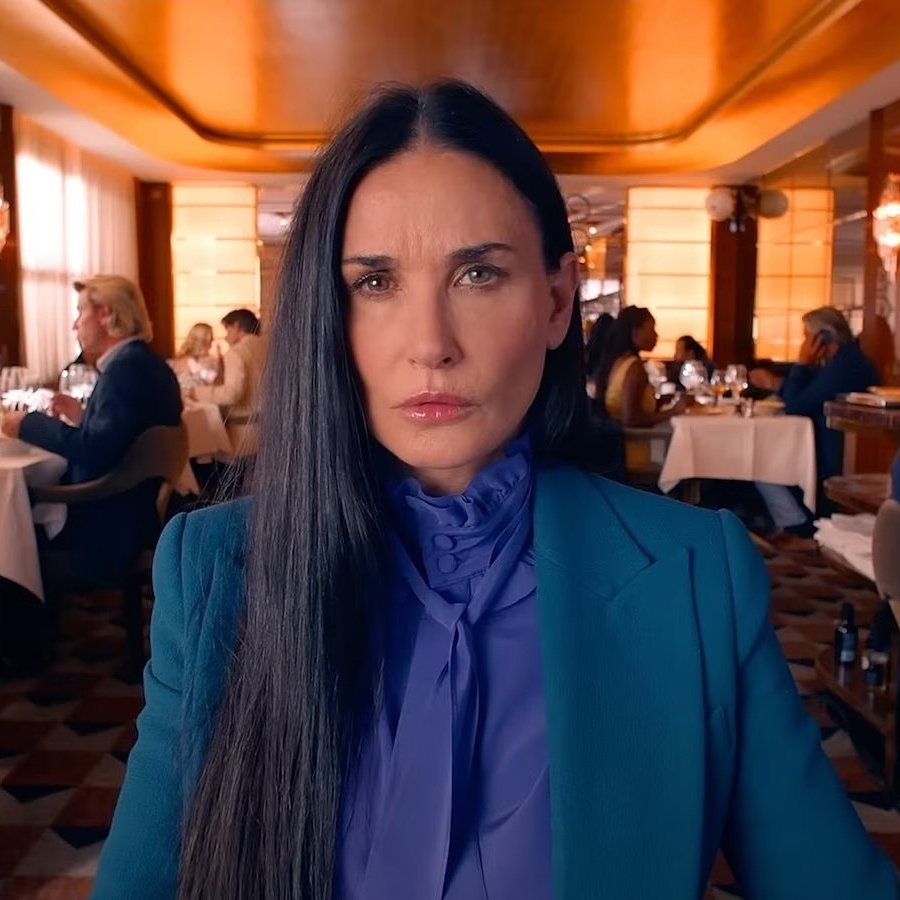
I didn’t like The Substance at first, likely because I was trying to avoid the reality that most women, indeed, are victims. That conversations around women’s bodies go beyond mere comments or jokes—they compose our being. They dictate how long others deem us worthwhile partners or employees. They tell us to spend our New Year’s at the gym instead of with our families. To spend that extra minute dawdling in front of the bathroom mirror. To gawk when we see a woman over 60 on our movie screen. And that no matter how good at your job you are, everyone is talking about your boobs.
I first argue for extending the class of common constructs for analyzing horror media to two more constructs: constraints and character responses. I then analyze horror films belonging to the Fourth Cinema, i.e. Indigenous cinema as described by Barry Barclay. I plan to argue that these films have a distinct conceptualization of these three constructs that stems from ideas about community.

There are few villains in cinema more iconic than Michael Myers. From his misshapen William Shatner mask to his trademark kitchen knife, mere suggestions of these images are enough to send chills down the spines of generations of Americans, even for those who haven’t seen the Halloween films. I’ll be honest with you from the start: I don’t like Halloween very much, but give me a chance to explain.
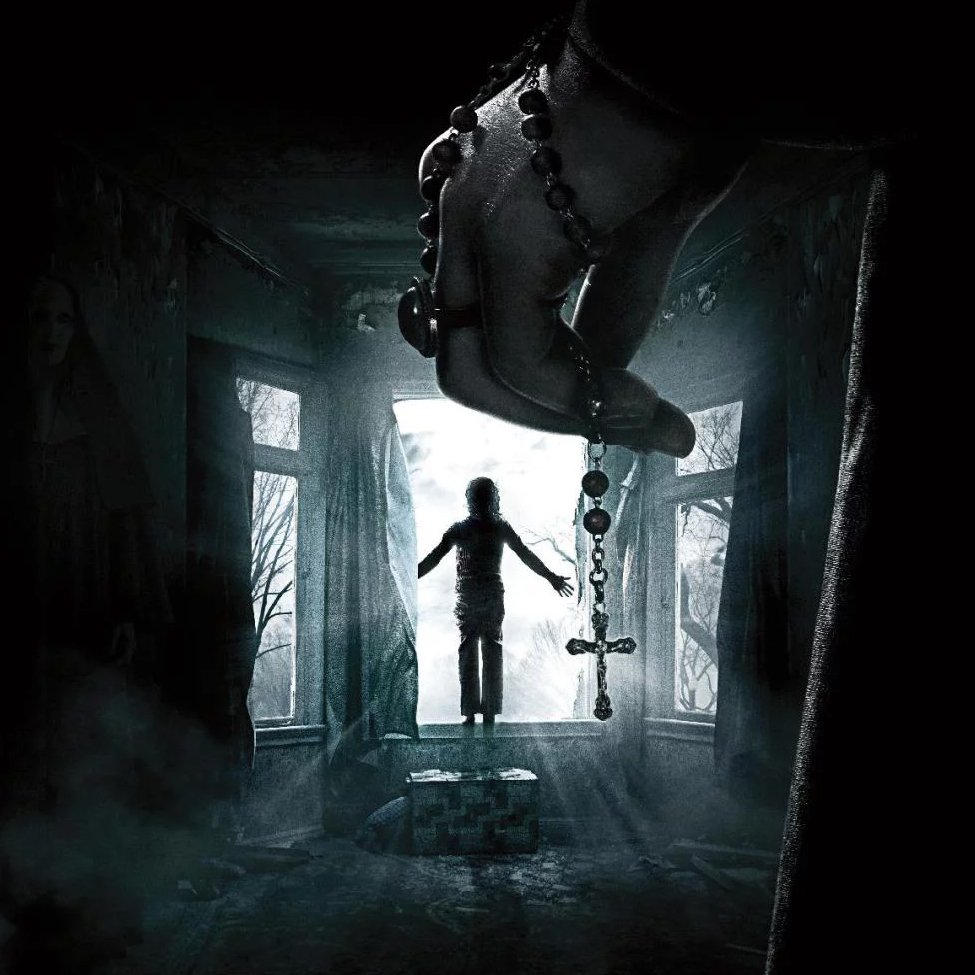

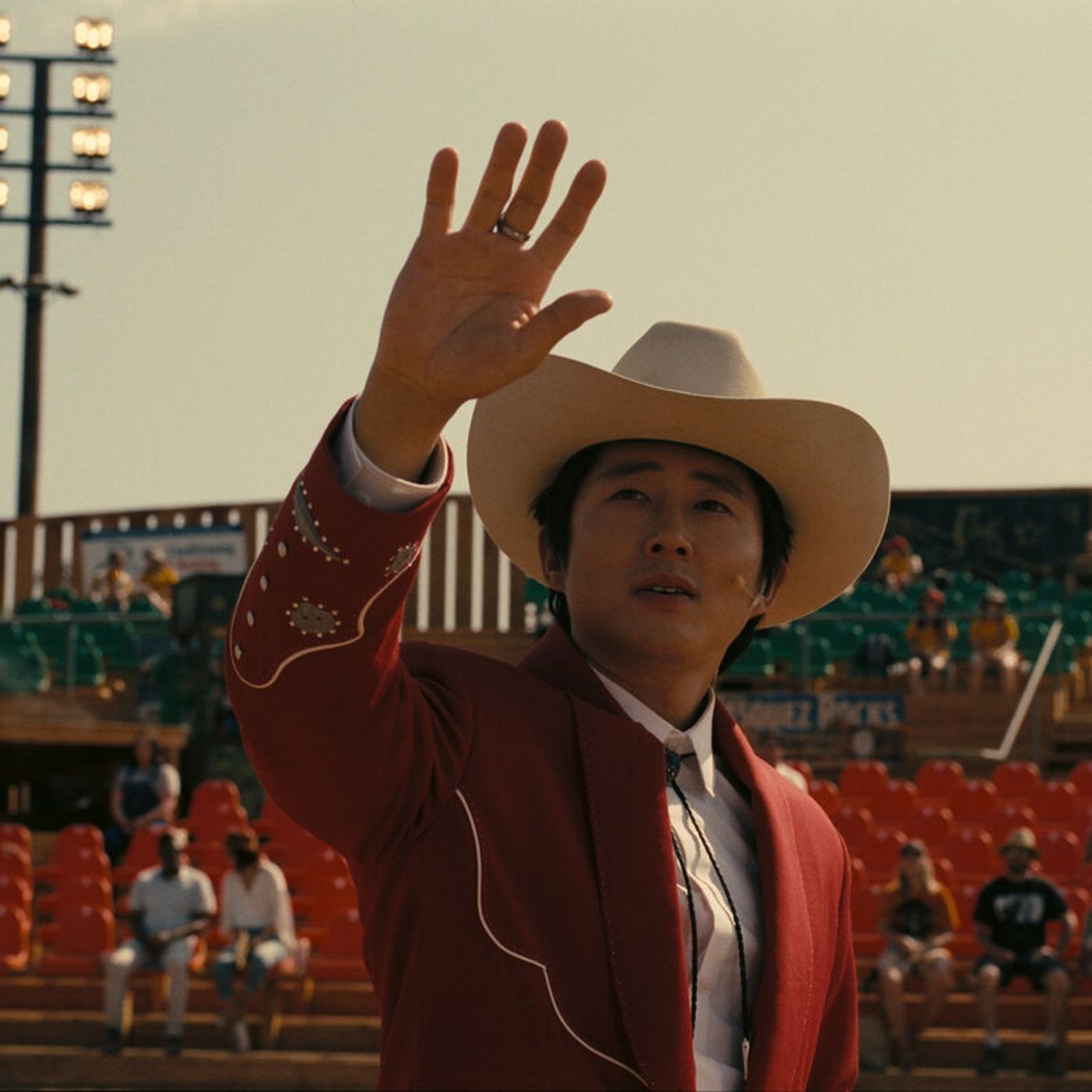
This visually striking film isn’t as scary as the trailers make it out to be, but instead it is a story about family bond, the history and importance of the black community in filmmaking, and of course, alien invasion.
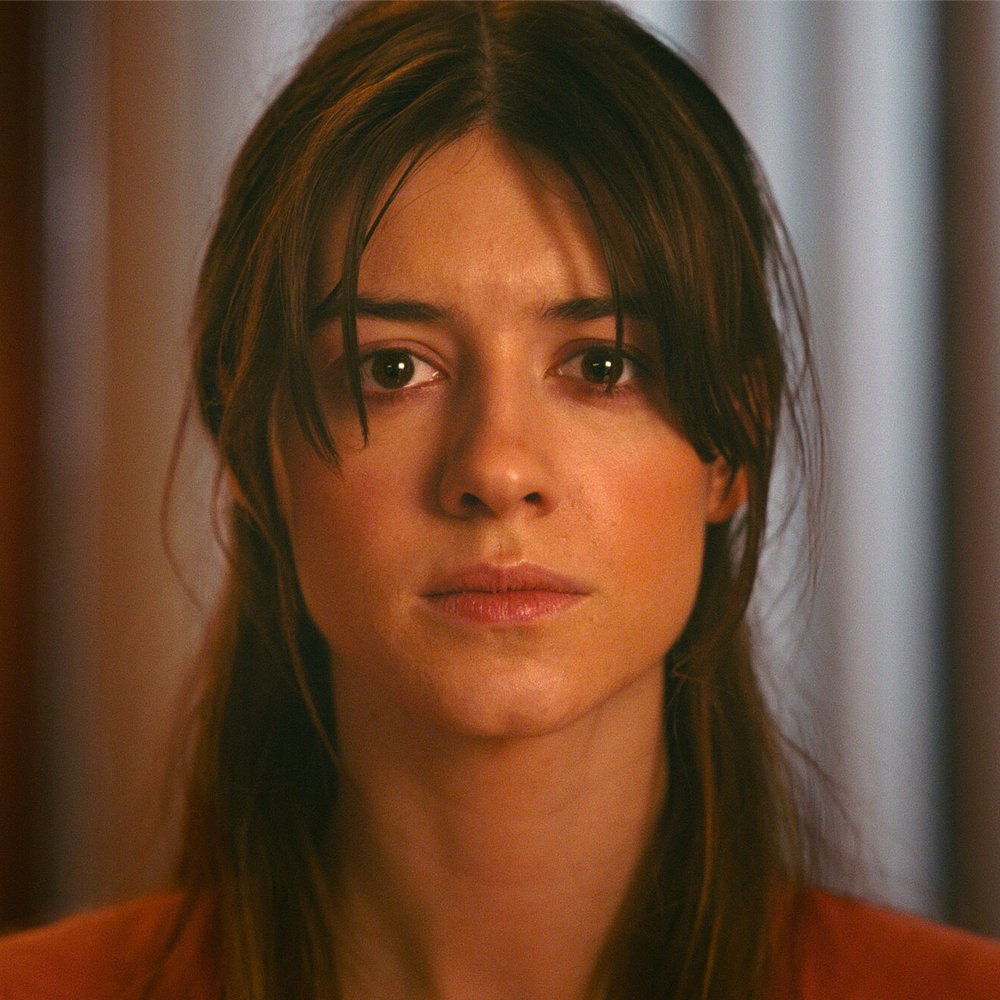
Fresh has all the ingredients to be the perfect modern thriller. It’s a black comedy about the horrors of modern dating starring Daisy Edgar-Jones and Sebastian Stan. There are plenty of mundane horrors to be had in the dating world, but Fresh ups the stakes and throws a cannibal into the dating pool.

Only the Scream franchise would introduce the word “re-quel” – a term so cinematically dense – into its already meta screenplay and premise. I expect nothing less from a series that has psycho-analyzed the totality of the horror genre while simultaneously creating its own expansive, trope-filled storyline. And in an age of tired reboots and sequels of once original and groundbreaking cinema, you would think that the new Scream would be equally as tired, especially with the franchise being in the state it was in prior to this installment. But 2022’s Scream proudly proclaims that this reboot is exactly what the franchise needed.

Of all the movies you’ve ever seen, how many of them can you specifically remember? Not just when and where you saw them, but who you were with, maybe even where you were sitting and what you chose to eat. For me there’s a lot of nostalgia tied up with doing this. I remember my life changing as a four year old being taken to see Star Wars in 1977 by my dad, as a special afternoon treat away from the hospital where I was undergoing long-term treatment for a collapsed lung.
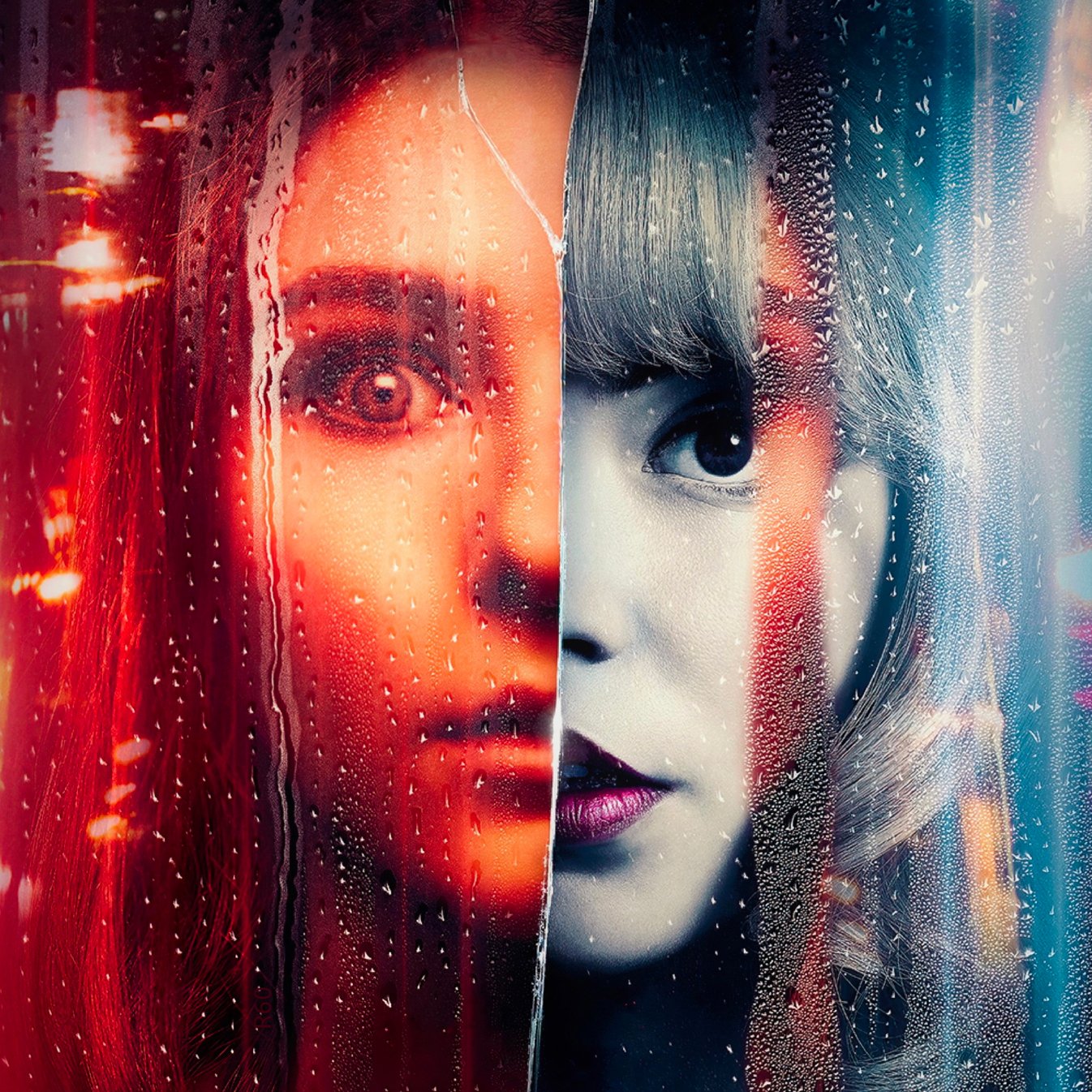
Last Night in Soho, a film directed by British filmmaker Edgar Wright, lives in between the 1960s and modern times in London, England. Starring staples of British stardom Anya-Taylor Joy (Sandie), Matt Smith (Jack), briefly Sam Claflin (Lindsey), and Thomasin McKenzie (Eloise/Ellie), this film follows the life of Eloise Turner, a young aspiring fashion designer with an infatuation with the swinging sixties of London as she navigates her extraordinary ability to body-jump into another young woman in her dreams.

When I was a kid, I used to lose myself in the Fighting Fantasy ‘choose your own adventure’ books. I’d map out the best paths through the story, making copious notes on optimal outcomes with deadly creatures trying to cut my reading short and my limbs shorter. I’d play along with dice, and unlike my reckless friends, try not to skip ahead to see if my choices were the right ones. If I died, I started over, and there was a tremendous sense of achievement in being able to successfully remember how to get to the end with one’s life intact.

What is the recipe for success for a half-hour comedy these days? Apparently, it's to take a beloved New Zealand mockumentary about vampires and adapt it to American television.
What We Do in the Shadows, helmed by Oscar-winning Taika Watiti and Jermaine Clement of the original 2014 film of the same name, is a vampire-centric mockumentary-style show entering its third season. For those unfamiliar with the show, the main premise is that a group of centuries-old vampires emigrate to Staten Island from Europe, hoping to conquer the New World, but end up just being roommates in a dilapidated manor, getting into weekly shenanigans.
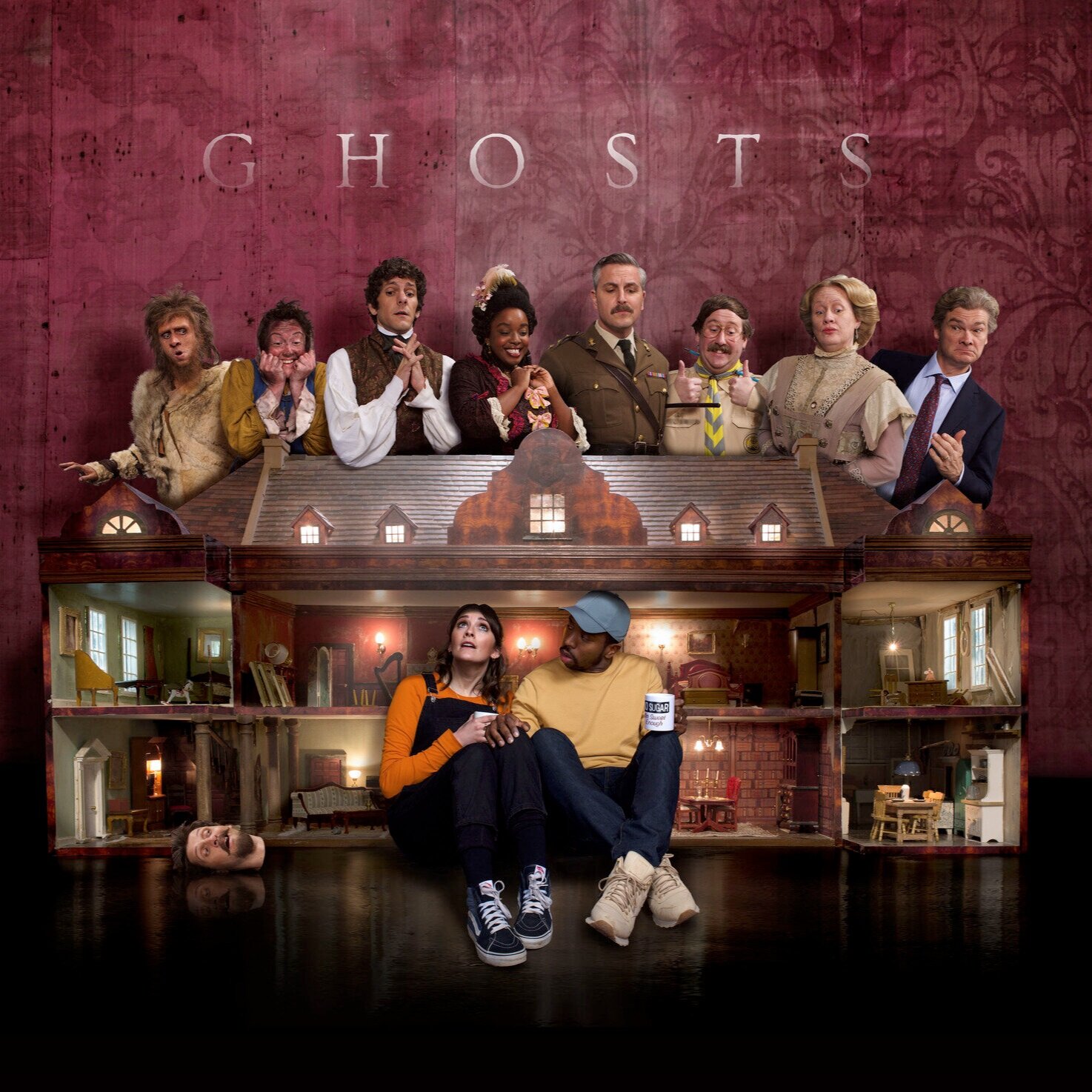
Not a fan of horror? Well, this is the perfect ghost-themed show for you. Full disclosure: I hate horror movies. Whether it’s because of the jump-scares, eerie music or avoidable bad choices made by the protagonist, horror movies have never been my style. I have, however, always been fascinated by the idea of spirits and ghosts and can’t help but ask the same question whenever I watch a horror movie: what happens to all the normal people who die? Are all ghosts really vengeful spirits or creepy kids?

I Blame Society is a terrifyingly brilliant satirical film that touches upon many important issues of our time: sexism, art, crime, and Hollywood disillusion. Directed by Gillian Horvat & co-written by herself and Chase Williamson, the semi-fictional story follows ‘Gillian’ (a semi-fictional character played by Horvat herself), as she works on a film based on a semi-compliment from a few of her friends that she would make a good murderer. Frustrated by the constant rejection and belittling of her talent, Gillian decides to take the film to the finish line completely on her own, exploring how far her character can go in planning murders, while taking a camera with her wherever she goes no matter how her friends or boyfriend feel about it.