Lyle Lyle The … Sexualized Crocodile?

From the first release of promotional materials, it was already unclear what the target audience would be for Lyle, Lyle, Crocodile. Based on the beloved children’s book, the film seemed to want to bring in too many people at once: adults with an affinity for big name actors like Javier Bardem, musical theater folks with an affinity for Benj Pasek and Justin Paul, kids with an affinity for CGI-ed crocodiles, and … the one person out there who thought the crocodile should be voiced by Shawn Mendes?
And indeed, upon watching the film, the chaos was all too apparent. In theory, the story should be a straightforward one: struggling magician finds a singing crocodile, struggling magician must abandon said crocodile to pay back some debts, new family moves into where struggling magician used to live, new family must learn to live with singing crocodile.
Yet, right off the bat, the timeline of the film is unclear. There is an opening musical number intended to show the development of the relationship between the magician, Hector P. Valenti (Javier Bardem), and Lyle the crocodile. They sing, dance, get dressed in nice costumes, and it seems as though alongside the growth of their friendship there’s also a growth of their success. Yet at the end of the number, Lyle freezes on stage and cannot perform – something we learn has always been his Achilles heel. If he has such horrible stage fright, why did it look like he was successfully serenading crowds for an entire musical number?
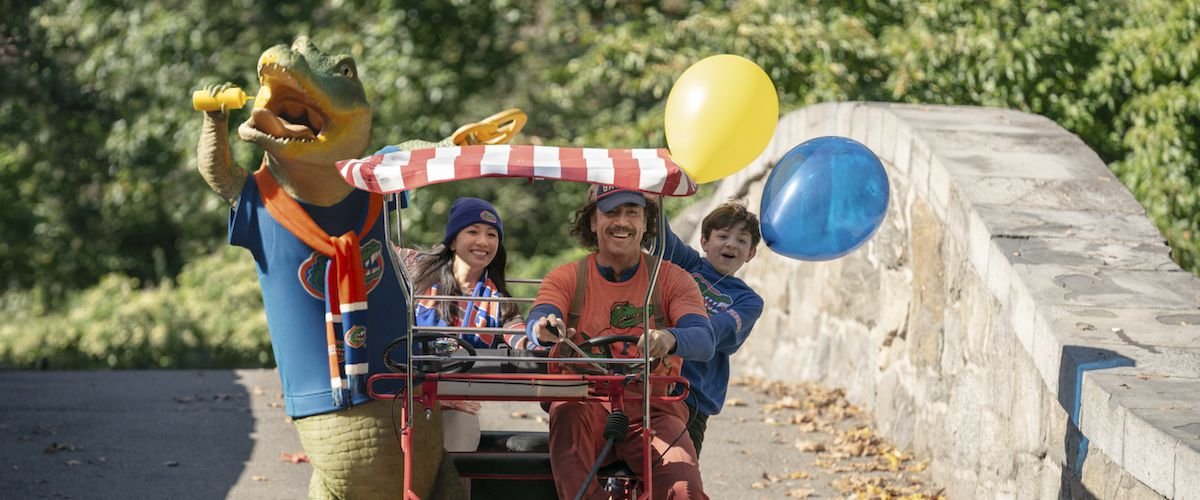
Additionally, Hector P. Valenti’s character development is slow and confusing. For much of the movie we’re not sure whether we should like him or not. Is he an opportunist looking to make a buck, or is he a struggling artist who we should genuinely pity? This question is exacerbated by the scene where he first comes back after abandoning Lyle. Lyle seems angry (or embarrassed – It’s unclear!), and so we join him in his hurt. But within seconds Lyle is … actually totally fine? Watching Lyle’s flip-flopping reactions to Valenti makes it hard to know what we, the audience, should think of him.
Lyle’s reactions also cause confusion more generally throughout the film. Because he only speaks in song, there isn’t a single response from Lyle that doesn’t feel sudden, choppy, and unearned. Josh (Winslow Fegley), the boy who moves in with whom Lyle strikes a friendship, follows Lyle through scary street corners and mysterious alleyways, until Lyle begins to sing on a New York City rooftop and all of the tension disappears. Mrs. Primm (Constance Wu), the mom of the house, hates Lyle – but when he suddenly sings about cooking, their relationship is repaired (perhaps a little too much, which we’ll get to). Without any dialogue to smooth over these moments, the film becomes a conglomeration of abrupt Lyle mood changes.
Yet even with all of this in mind, the most bizarre part of the film was the weirdly erotic depiction of Lyle. While this dynamic was present throughout the narrative, the most cringeworthy moment was in his musical number with Mrs. Primm. The two characters are all over each other in ways that were difficult to watch, and the scene culminates in them presenting us with a three-tiered wedding cake, with big figurines of Lyle and Mrs. Primm on top. (Tamar thinks Mr. Primm and Josh were in the figurines too, but Tzvi isn’t so sure.)
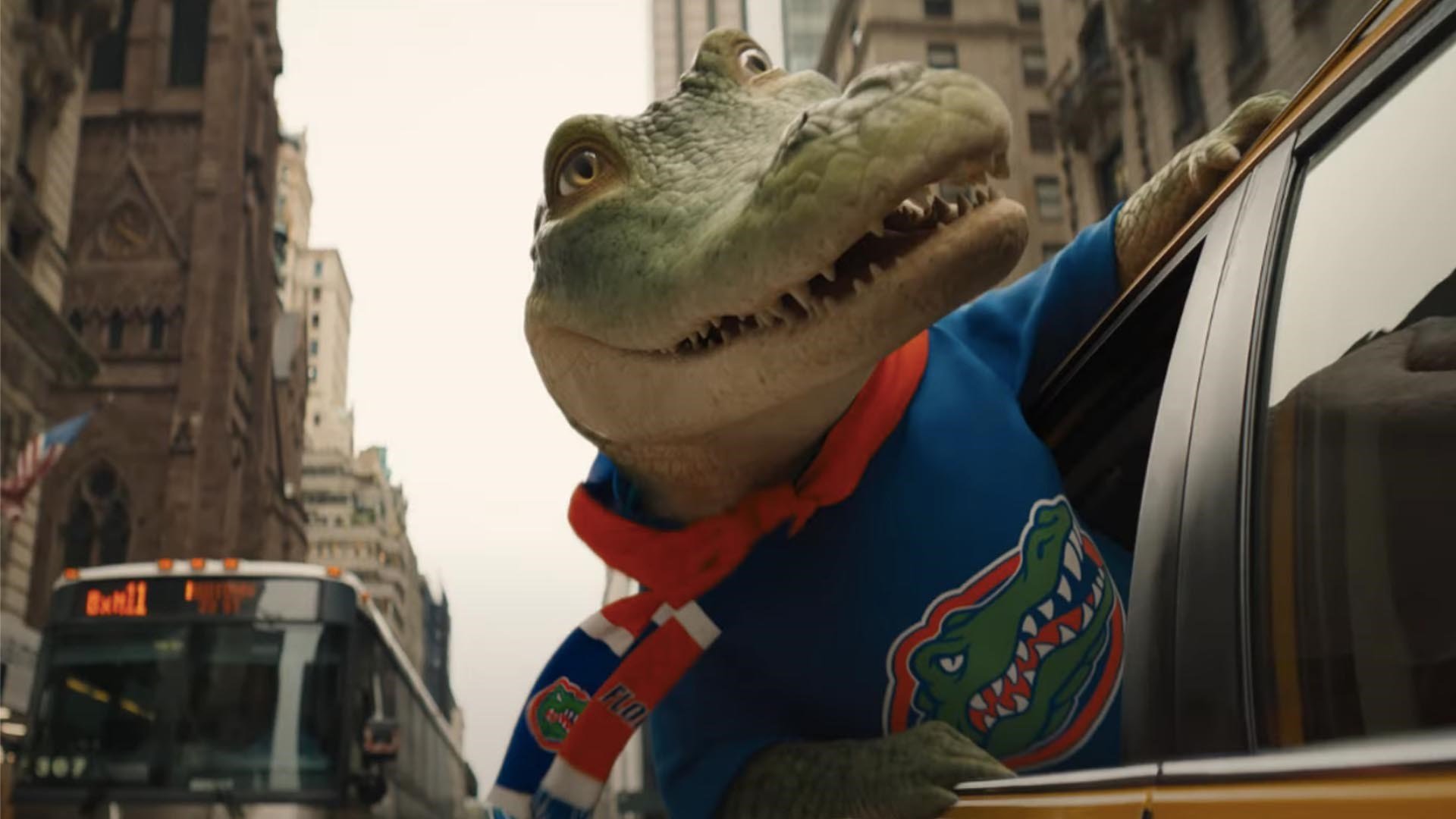
Perhaps the tension here lies in the fact that the voice of Lyle, Shawn Mendes, is a full-grown adult and pop culture icon with whom a romantic relationship would be perfectly plausible. Yet the film seemed to forget that it couldn’t have it all - the allure of Shawn Mendes with the innocence of a crocodile from a children’s story. In fact, the pairing was wrong from the start. Shawn has far too mature a voice, and a universally-recognized one at that, to seamlessly blend into the character of a fantastical crocodile. For most of the movie, it felt like the crocodile was one entity and Shawn Mendes was another.
Still, we gave the movie three stars, and that’s not for nothing. Pasek and Paul wrote catchy and enjoyable music, including songs like “Take A Look At Us Now” and “Top Of The World.” And when sung by the talented Shawn Mendes, who wouldn’t love them?
And when all is said and done, the film is ultimately a sweet one. We enjoyed watching Lyle’s journey from shy croc to reptilian superstar, and Javier Bardem’s Wonka-esque portrayal of Valenti added a ton of fun. This isn’t the movie for those looking for quality. But if you’re open to a few hours of a lot of insanity, even more laughter, and not a ton of coherence, give Lyle, Lyle, Crocodile a shot.
Lyle, Lyle, Crocodile is now playing in theaters.
Popular Reviews

It’s 2026. The AI arms race is fully underway, and all the major tech players are rolling out new and better generative products. You hear that Aaron Sorkin, the Academy-trophied Tiresias who wrote The Social Network, has penned (and directed) a sequel of sorts that continues the Facebook story.
Then you find out it’s about The Facebook Files, what turned out to be an explosive but less-than-apocalyptic episode in the company’s history, and something within you deflates.
No one reading this has to imagine that scenario, because it is, of course, what happened.The Social Reckoninghas just hit theaters—and it’s a colossal misfire.
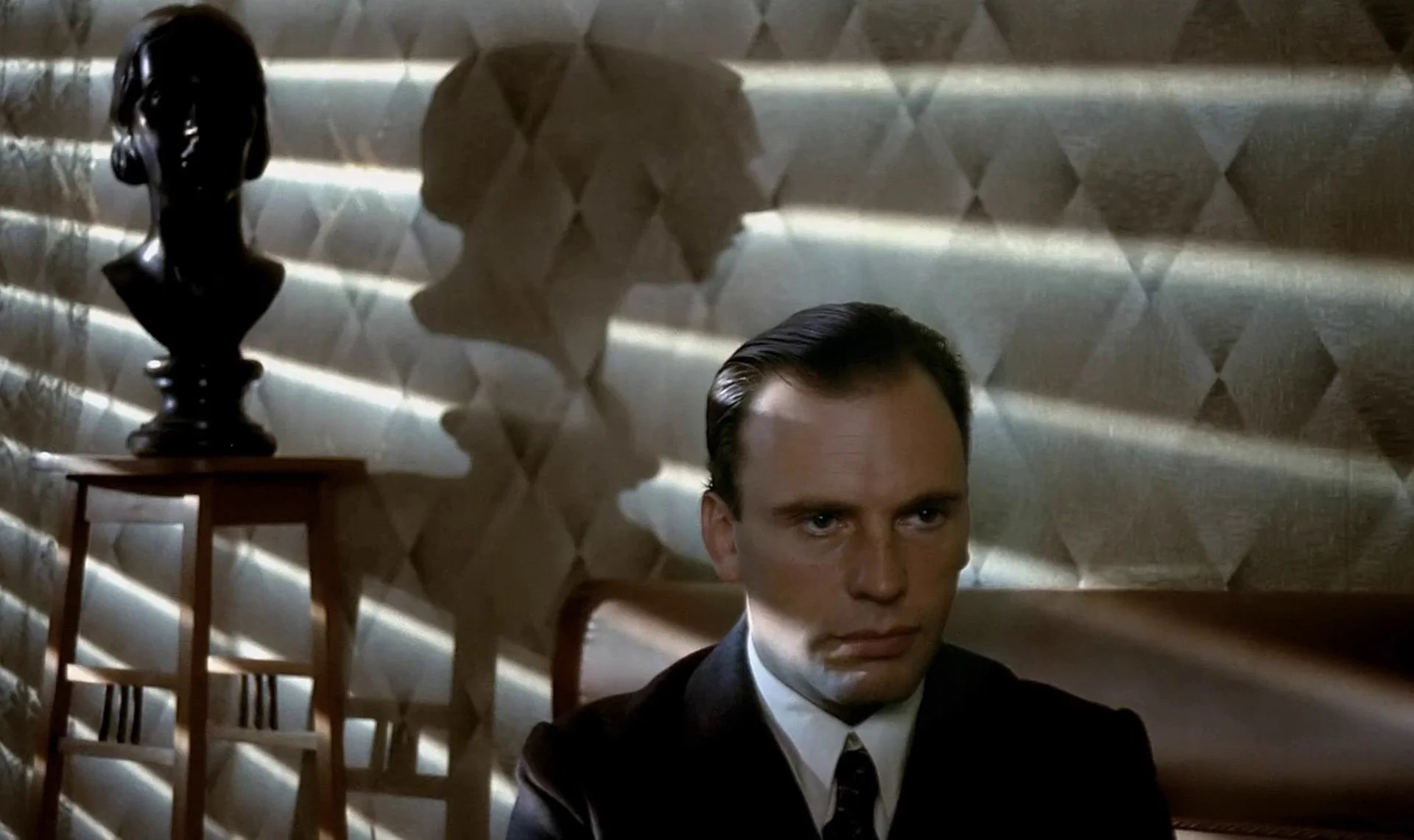
Bernardo Bertolucci’s Il Conformista tells the story of fascist spy named Marcello on an assassination mission, as memories from his past haunt him in the present. One of the film’s central ideas is Marcello’s faith in the image of fascist Rome. Bertolucci weakens this image through a distortion of time and space and powerful imagery
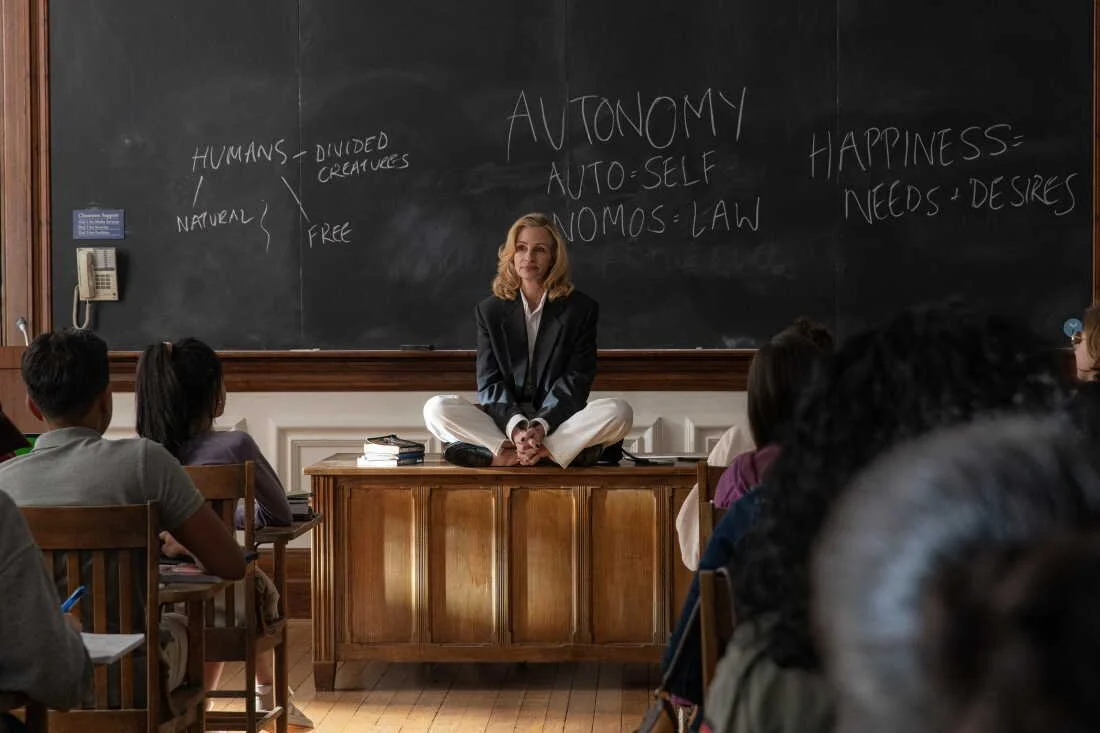
Summer is over once again, and to ring in the new season–and our new members–The Moviegoer lists the best and most iconic college movies (with special emphasis paid to the ones that are about the back to school season). The following fifteen classics are in no particular order.

Project Hail Mary is an adaptation of Andy Weir’s 2021 novel of the same name. It follows science teacher Ryland Grace (Ryan Gosling) after he wakes up on a spaceship with no memory of how he got there. As his memory returns, he also gains an unlikely friendship in Rocky the Eridian alien. The acting is great, the screenplay is charming and full of heart, and the visuals are striking.
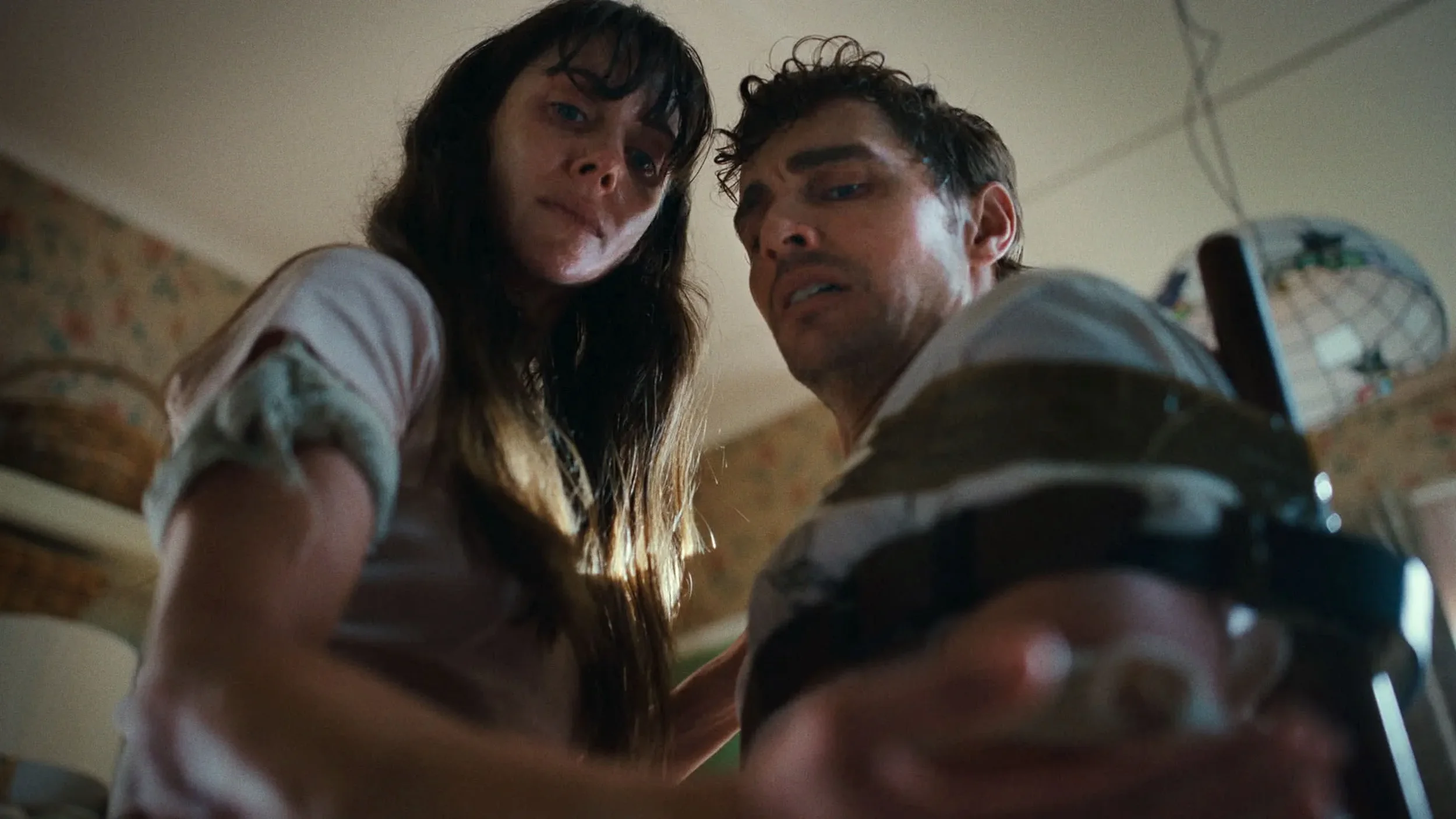
If you asked most people a few years ago who was “winning” indie horror, the answer would've been obvious: A24, of course. But between 2021 and now, something shifted. Not all at once and not always clearly, but deliberately. While A24 horror started to feel scattered, Neon built something more strategic.
What’s interesting is that Neon didn’t start with a clear horror identity at all. It was built over time, and I track that evolution in three distinct pseudo-phases: pre-Titane, post-Titane, and post-Longlegs. Each phase had a different strategy. First it was discovering talent, then experimenting with identity, and finally scaling into something that looks a lot like dominance.
More in Animation Reviews

From the first release of promotional materials, it was already unclear what the target audience would be for Lyle, Lyle, Crocodile. Based on the beloved children’s book, the film seemed to want to bring in too many people at once: adults with an affinity for big name actors like Javier Bardem, musical theater folks with an affinity for Benj Pasek and Justin Paul, kids with an affinity for CGI-ed crocodiles, and … the one person out there who thought the crocodile should be voiced by Shawn Mendes?

If you look at my track record of Moviegoer reviews, it should come as no surprise that I have been thrilled by the recent uptick in animated content across film and TV. Largely due to the COVID pandemic, studios and networks have begun investing in more animation projects due to their ability to be produced from home - and I certainly hope that the trend is here to stay! Not only because it means I might have more job options when I graduate (see, Penn? It’s possible to get a job that isn’t in consulting!), but because to me, there is nothing more joyous than watching an animated, family-friendly movie with everyone I love.

When I began learning more about the film industry in high school, I was surprised to learn that an artistic field–something I assumed would be stereotypically associated with women–was in fact dominated by white men. I remember reading about the hurdles that female screenwriters, directors, and producers faced to be given seats at the table, and being shocked that they had to overcome so much just to have their voices heard.
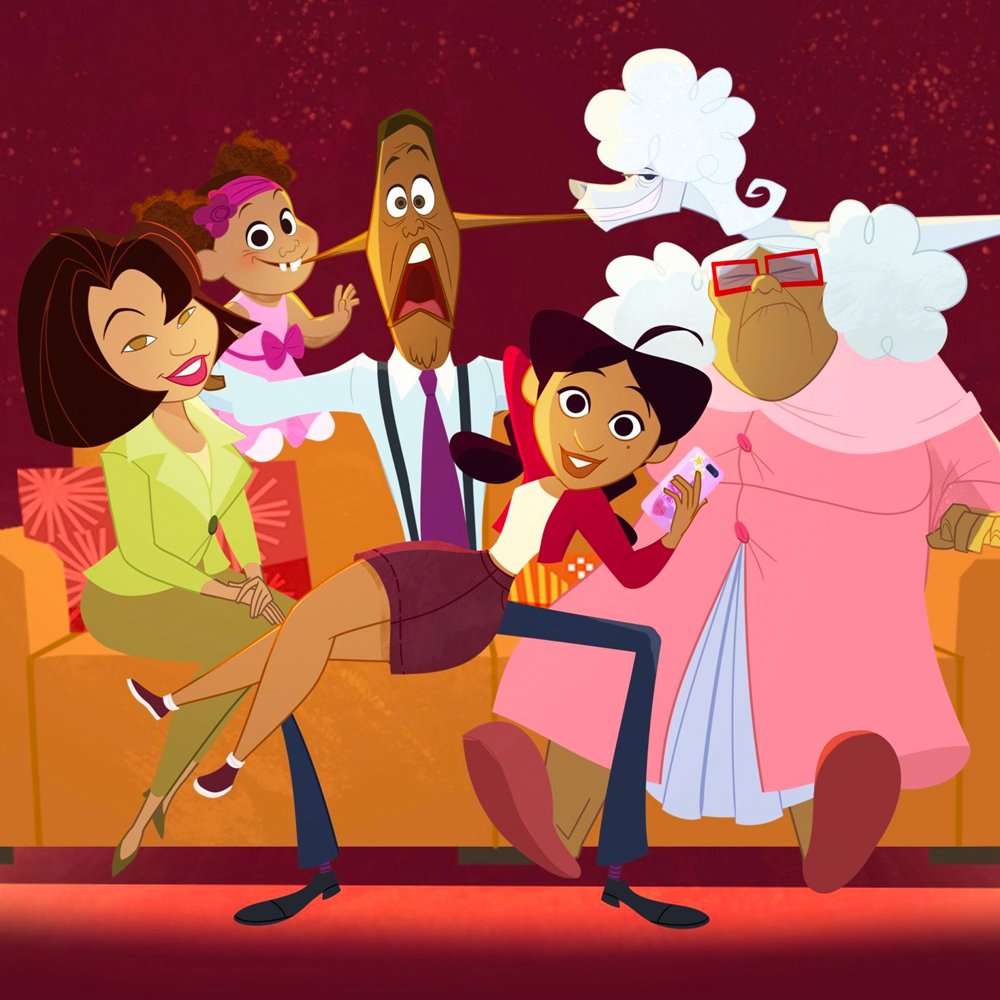
I’ll begin my review with the major caveat that I rarely, if ever, watched the original The Proud Family on Disney Channel. I was certainly too young to watch the first run of the show (I’m a baby, I know), and if I caught any later reruns, it was simply while flipping through channels. With that said, it didn’t curb my excitement when I received an invite to the virtual premiere of the new Disney+ revival, The Proud Family: Louder and Prouder. After all, who wouldn’t be excited to go to the premiere of a reboot of one of the most well-loved animated shows on Disney Channel? The event promised the showing of not just one but two episodes, and additional perks beyond the episodic content.
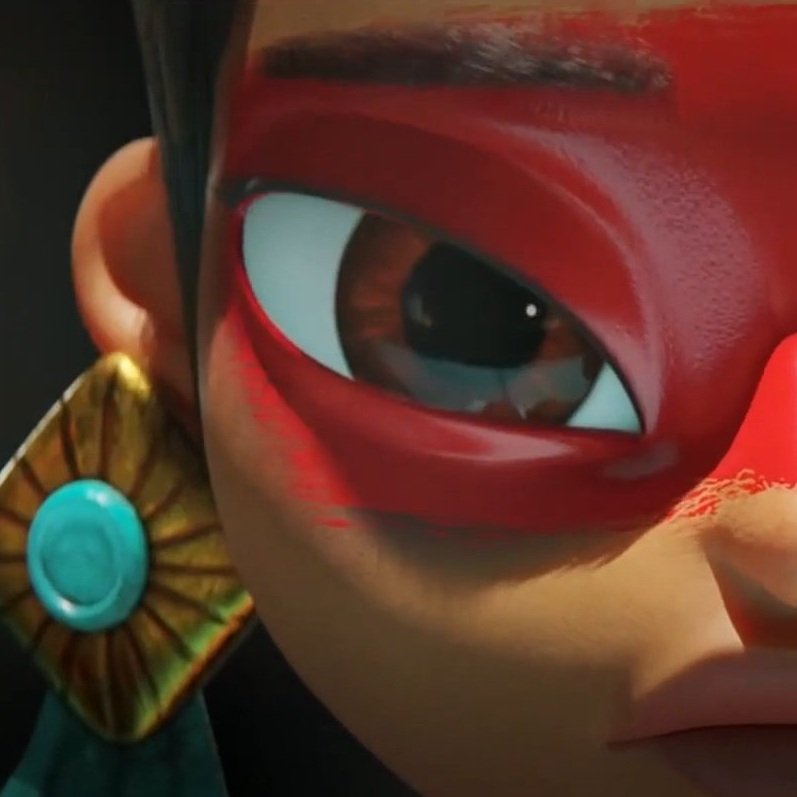
When I heard that Netflix was releasing an animated adventure series by Jorge Gutierrez, co-writer and director of Golden Globe-nominated movie The Book of Life, I thought it was destined to be a smashing success. Featuring an exciting story about a Mesoamerican warrior princess, and boasting a cast of some of the most famous Latino actors of our time, I couldn’t wait to see what this monumental animator had created.
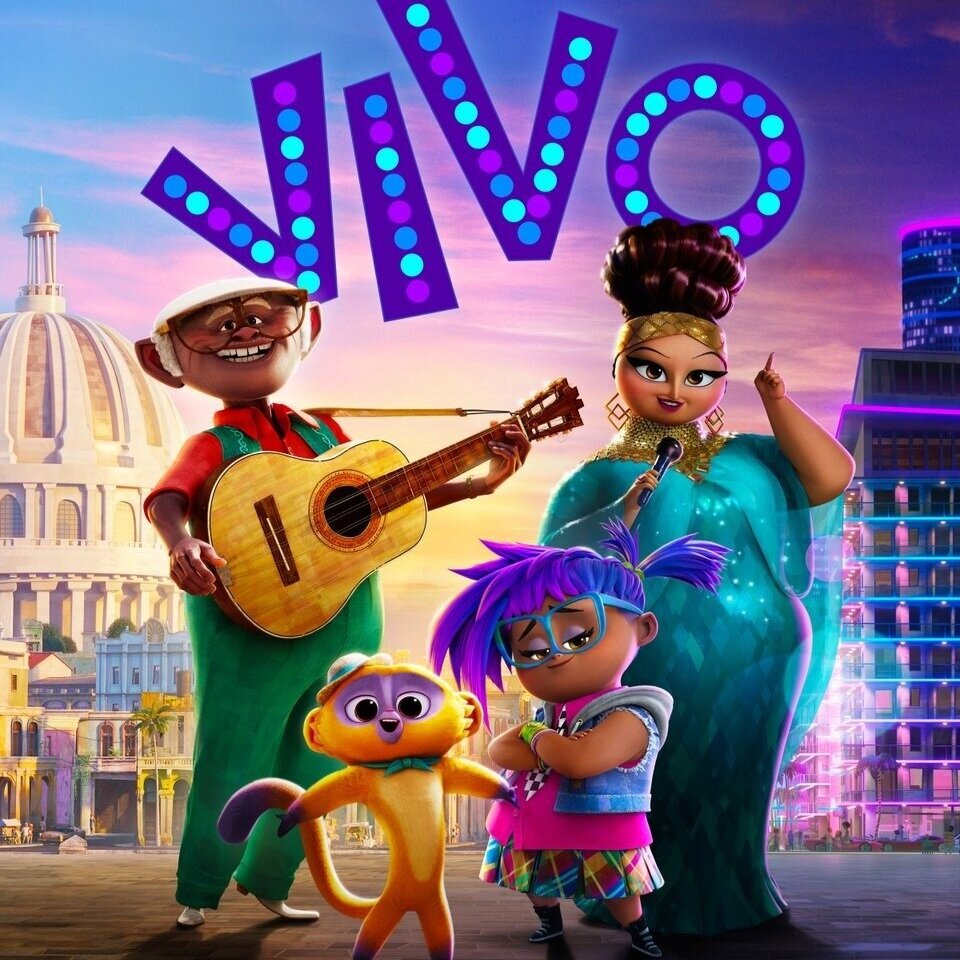
When I heard about Netflix and Sony Animation’s Vivo, I couldn’t wait to soak up more. The promise of music by Lin-Manuel Miranda added to my excitement. The film centers around adorable kinkajou Vivo (Don’t know what a kinkajou is? Turns out it’s a relative of the raccoon) who has grown up under the care of a kindhearted musician named Andrés. The two walk the streets of Havana, performing their music for all who will listen. When Andrés reveals that he never got to profess his love to his old music partner, Marta Sandoval, Vivo embarks on a journey to Miami with Andrés’ niece, Gabi, to deliver one last love song to Marta before her retirement concert.

When my roommates told me they wanted our next viewing project to be an animated superhero show, I was ... hesitant. An adult cartoon? Those aren’t really my thing. Eventually I gave in because, after all, I had forced them to watch Survivor with me.

Cultures throughout human history have been able to unite around a simple fact: Dragons. Are. Awesome. Raya and the Last Dragon takes inspiration from Southeast Asian culture to tell the story of Raya, a battle-hardened princess fighting to unite the divided land of Kumandra. The movie is Walt Disney Animation’s first original feature film since Moana in 2016.
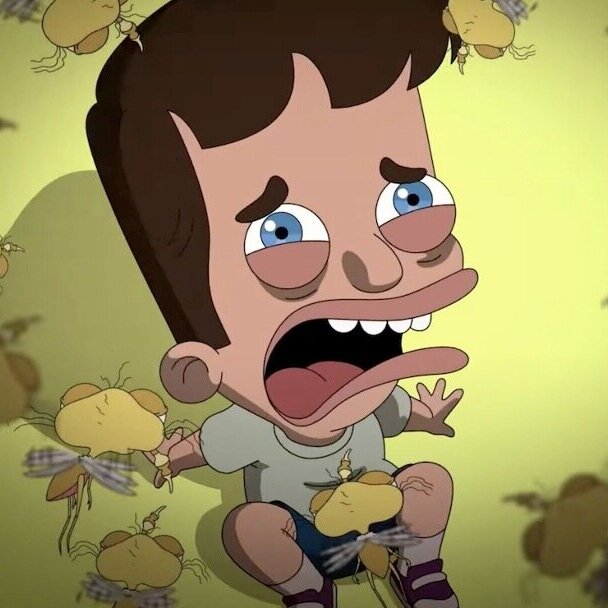
I’m convinced Big Mouth is written by hyper-self-aware 13 year olds. It’s unapologetic in portraying some of the most embarrassing parts of growing up and its characters feel like honest middle schoolers — “I don’t like movies. I prefer watching YouTube 2 inches from my face,” says Nick. Over its four-season run, the Netflix animated series has perfectly captured the woes and wonders of puberty through inventive storylines and a signature raunchy humor that only preteens (and me, and all the reviewers who’ve given three seasons a perfect 100% on Rotten Tomatoes, and probably you) find funny. In season 4, each of Big Mouth’s flawed and lovable tweens work on forging their identities as adolescents, a struggle all of us can empathize with.