Warning: this article contains spoilers.
After watching Rick and Morty S4E1, I wasn’t really sure what was happening. How was this any different from previous seasons. Surprise: everything still looks subtly phallic or testicular (we all missed the classic ballsack-for-nose look and, of course, penis fingers). And super shocking: in the past two years 2D animation has improved. Yay! But why should anyone want to watch Season 4? After all, haven’t we seen all of tremendously the blown-out-of-proportion scenarios and alternate realities we need to see in a lifetime?
I didn’t understand this after watching S4E1, but after episode 2, I understood (my partner, that ‘lil turdmuffin, knew this all along). Season 4 is, and will continue to be, entirely different from all the other seasons. Up until season 4, Rick was the center of attention. Rick was the man that, in some weird, drunken way, kept the family together.
Now, in Season 4, the family is more of a unit. They don’t need Rick’s antics to keep them entertained with one another. In fact, it seems as if they don’t really need Rick at all. The family won’t let Rick get away with being Rick anymore.

In episode 1, Rick dies shortly after Morty finds a crystal that will show him how he dies given the path he is currently following. If he holds the crystal just right, he can see Jessica (his high school crush) standing lovingly by his deathbed. However, if Morty decides to revive Rick, the image of he and Jessica disappears from the crystal. From then on, Rick chooses to live a life so he can certainly die by the side of Jessica, even if that means he won’t ever revive his grandfather. Clearly, Rick has been overthrown as the focal point of the family. He’s lost Morty’s love and admiration, and he’s lost all the power he previously held. I can only expect this season to be filled with tons of tense and somber moments where Rick feels himself being displaced.
While episode 1 was definitely subtle about this power struggle, episode 2 said out loud on tons of surround-sound loudspeakers mobbing around a toilet throne, “Rick, you’re the King of S***!!!!”

Episode two is centered around Rick’s luxurious toilet time and an app that makes people “fall in love.” When Rick finds that someone has been using his toilet, he bends over backwards to find the perpetrator and set him straight. However, upon being found and threatened by Rick, the crapping criminal suggests that Rick really wants a friend. Rick brushes this off, but when he learns of the recent death of his new frenemy, Rick grieves atop the toilet throne intended to harass his frenemy, knowing that he may have lost his only chance to have somewhat of a friend.
This is probably the first time the audience has seen Rick like this (except for maybe when Unity left him). He’s messed up. He’s lonely, maybe even apologetic. He’s been stripped of his pure badassery. And he knows it.

Back with the family, Jerry develops a dating app with an alien who comes from a colony that leverages the limitless desire for love to distract other planets as the colony steals their water. And, at least for a bit, it works. People are blinded by all the new soulmates they have, and the world turns to chaos. The world hated being alone so much that if an app told them there was a way to have a companion, they would believe it.
Just like Morty in episode 1, the world hates the thought of living (and dying alone) and will do anything to avoid it. Rick will likely spend the rest of the season regaining his previous status and the approval (and affection) of his family. For the rest of the aliens, bird people, and humans of the other realities, they too will spend Season 4 discovering new bonds and relationships. As for us, Season 4 is a reminder that love is weird, and while we all don’t want to be alone, our planet’s water is more important.
More in Animated Reviews
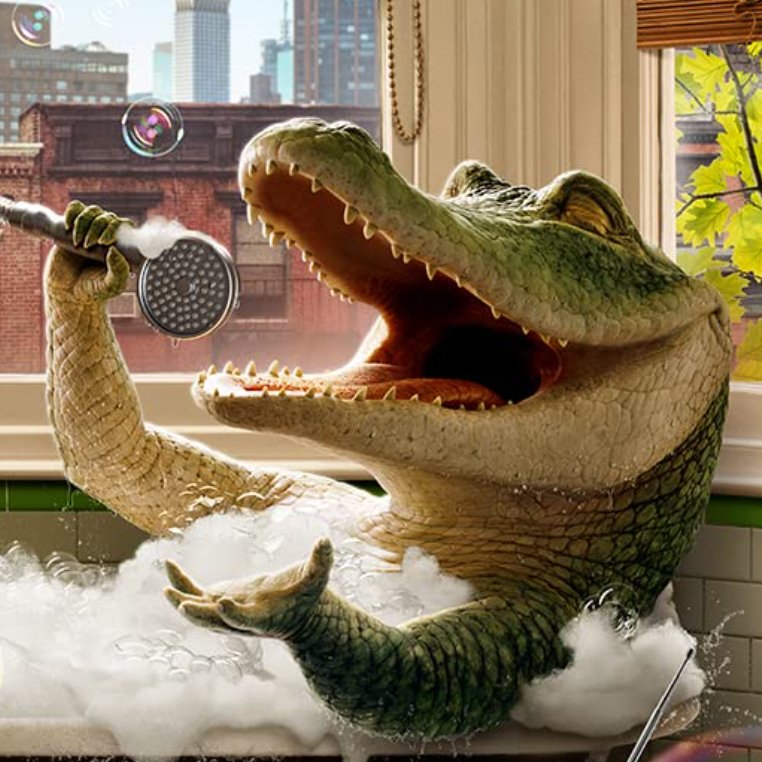
From the first release of promotional materials, it was already unclear what the target audience would be for Lyle, Lyle, Crocodile. Based on the beloved children’s book, the film seemed to want to bring in too many people at once: adults with an affinity for big name actors like Javier Bardem, musical theater folks with an affinity for Benj Pasek and Justin Paul, kids with an affinity for CGI-ed crocodiles, and … the one person out there who thought the crocodile should be voiced by Shawn Mendes?

If you look at my track record of Moviegoer reviews, it should come as no surprise that I have been thrilled by the recent uptick in animated content across film and TV. Largely due to the COVID pandemic, studios and networks have begun investing in more animation projects due to their ability to be produced from home - and I certainly hope that the trend is here to stay! Not only because it means I might have more job options when I graduate (see, Penn? It’s possible to get a job that isn’t in consulting!), but because to me, there is nothing more joyous than watching an animated, family-friendly movie with everyone I love.
When I began learning more about the film industry in high school, I was surprised to learn that an artistic field–something I assumed would be stereotypically associated with women–was in fact dominated by white men. I remember reading about the hurdles that female screenwriters, directors, and producers faced to be given seats at the table, and being shocked that they had to overcome so much just to have their voices heard.
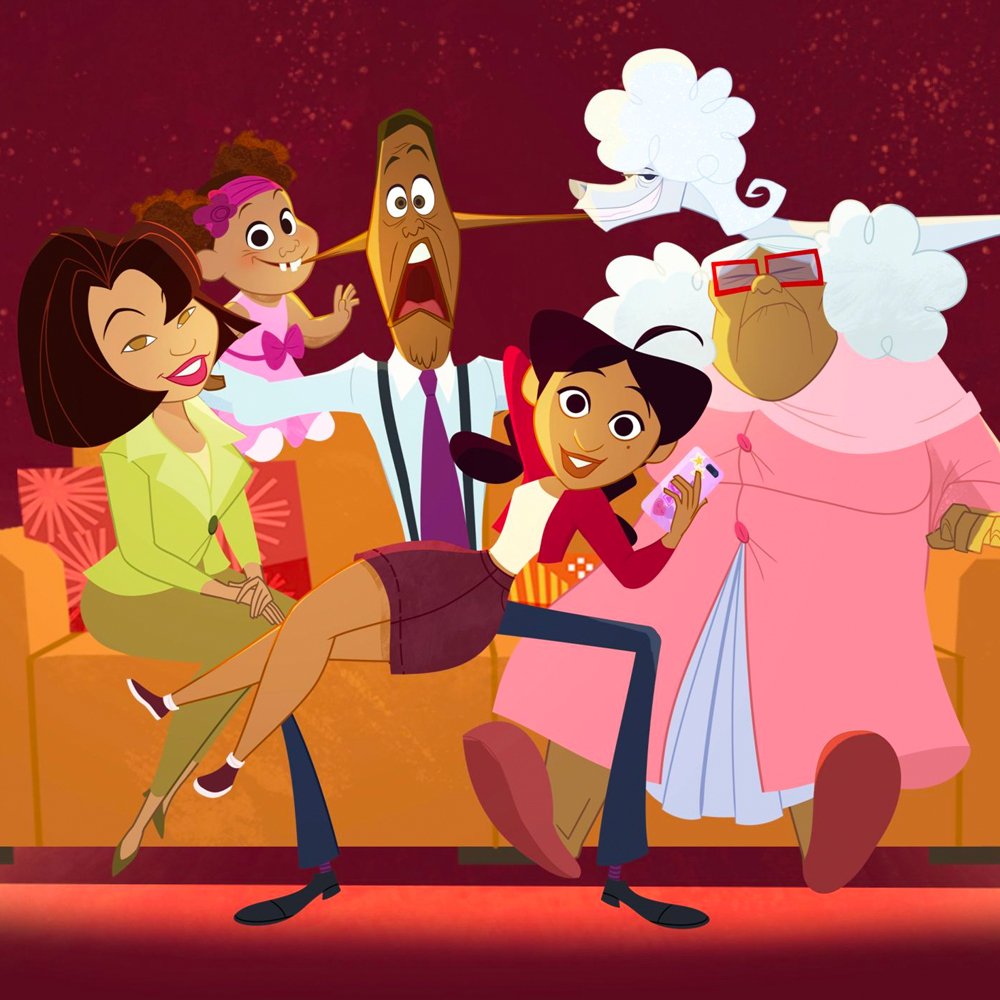
I’ll begin my review with the major caveat that I rarely, if ever, watched the original The Proud Family on Disney Channel. I was certainly too young to watch the first run of the show (I’m a baby, I know), and if I caught any later reruns, it was simply while flipping through channels. With that said, it didn’t curb my excitement when I received an invite to the virtual premiere of the new Disney+ revival, The Proud Family: Louder and Prouder. After all, who wouldn’t be excited to go to the premiere of a reboot of one of the most well-loved animated shows on Disney Channel? The event promised the showing of not just one but two episodes, and additional perks beyond the episodic content.
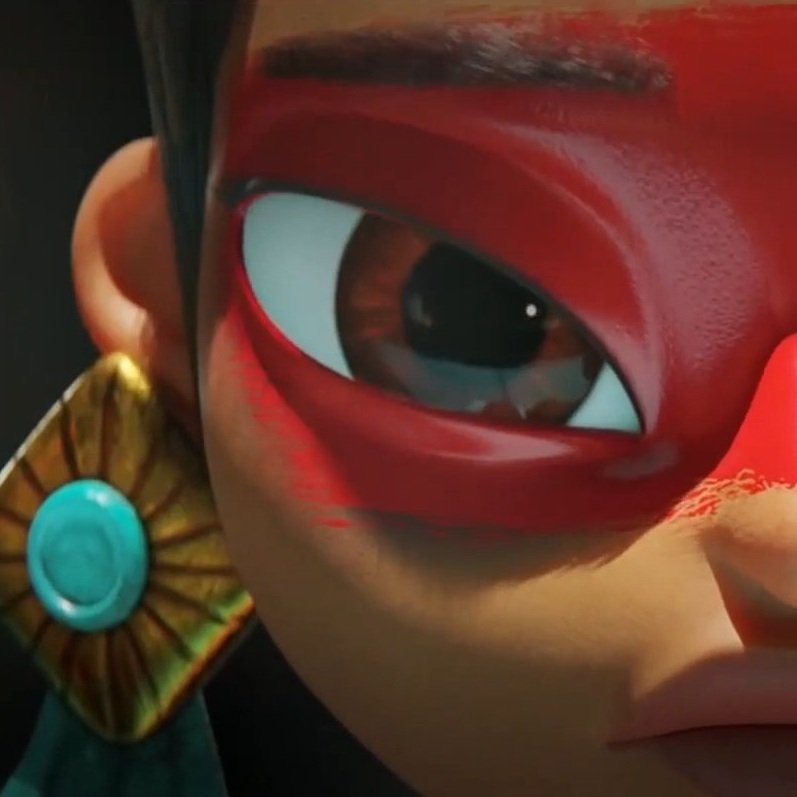
When I heard that Netflix was releasing an animated adventure series by Jorge Gutierrez, co-writer and director of Golden Globe-nominated movie The Book of Life, I thought it was destined to be a smashing success. Featuring an exciting story about a Mesoamerican warrior princess, and boasting a cast of some of the most famous Latino actors of our time, I couldn’t wait to see what this monumental animator had created.
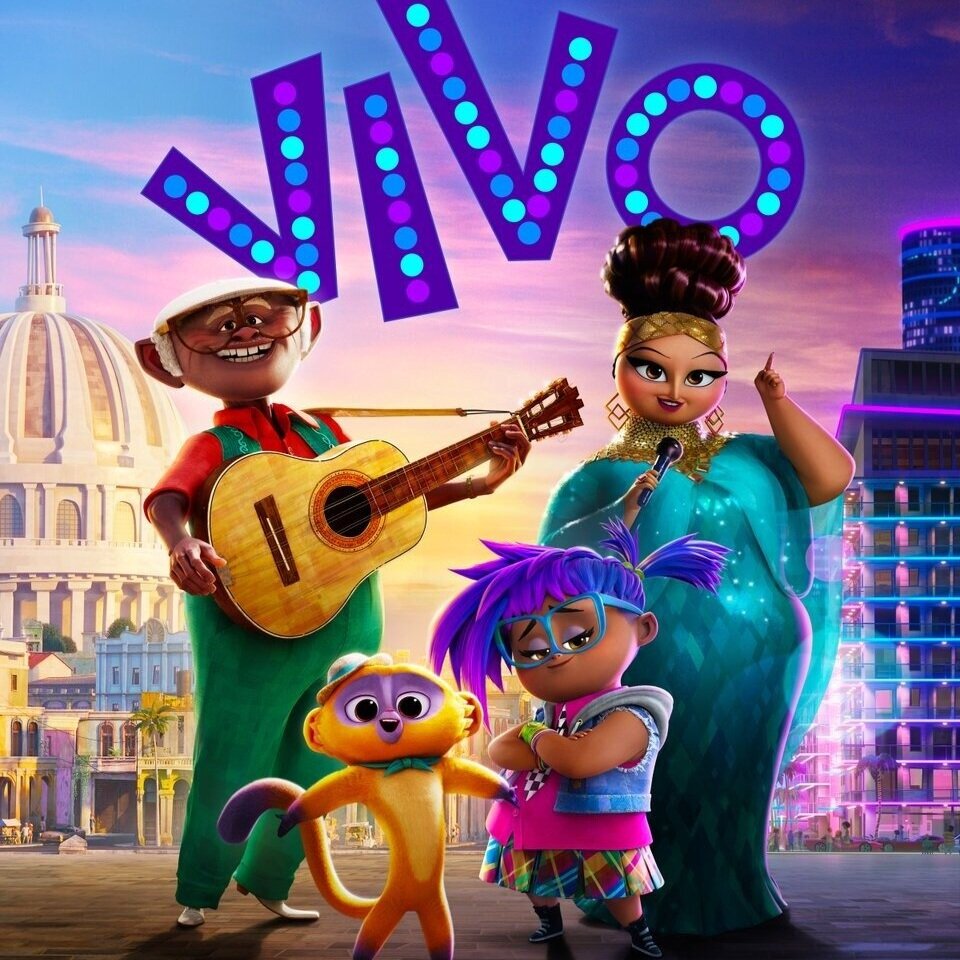
When I heard about Netflix and Sony Animation’s Vivo, I couldn’t wait to soak up more. The promise of music by Lin-Manuel Miranda added to my excitement. The film centers around adorable kinkajou Vivo (Don’t know what a kinkajou is? Turns out it’s a relative of the raccoon) who has grown up under the care of a kindhearted musician named Andrés. The two walk the streets of Havana, performing their music for all who will listen. When Andrés reveals that he never got to profess his love to his old music partner, Marta Sandoval, Vivo embarks on a journey to Miami with Andrés’ niece, Gabi, to deliver one last love song to Marta before her retirement concert.

When my roommates told me they wanted our next viewing project to be an animated superhero show, I was ... hesitant. An adult cartoon? Those aren’t really my thing. Eventually I gave in because, after all, I had forced them to watch Survivor with me.

Cultures throughout human history have been able to unite around a simple fact: Dragons. Are. Awesome. Raya and the Last Dragon takes inspiration from Southeast Asian culture to tell the story of Raya, a battle-hardened princess fighting to unite the divided land of Kumandra. The movie is Walt Disney Animation’s first original feature film since Moana in 2016.
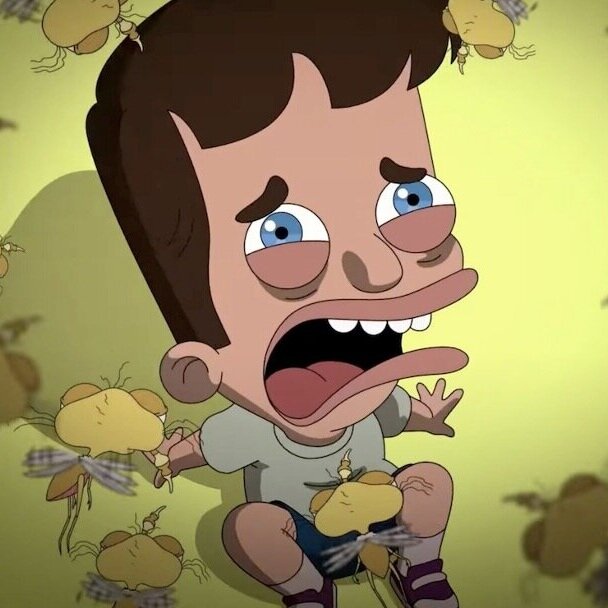
I’m convinced Big Mouth is written by hyper-self-aware 13 year olds. It’s unapologetic in portraying some of the most embarrassing parts of growing up and its characters feel like honest middle schoolers — “I don’t like movies. I prefer watching YouTube 2 inches from my face,” says Nick. Over its four-season run, the Netflix animated series has perfectly captured the woes and wonders of puberty through inventive storylines and a signature raunchy humor that only preteens (and me, and all the reviewers who’ve given three seasons a perfect 100% on Rotten Tomatoes, and probably you) find funny. In season 4, each of Big Mouth’s flawed and lovable tweens work on forging their identities as adolescents, a struggle all of us can empathize with.