Even the most devoted cinephiles rarely tune in to the nominees for the Academy Award for Best Documentary Short. Most film buffs, myself included, don’t make it to the short film programs or indie showcases where these films typically screen, and many of them quickly disappear into obscurity after their premieres. Perhaps because of this invisibility, documentary shorts have the potential to carry some of the sharpest political messages in today’s cinema. This year’s nominees certainly exemplify this potential, covering urgent topics like gun violence, war, protest, reproductive rights, and, um, wandering donkeys. Despite their small audiences, these films deserve a closer look. They are brimming with provocative voices, even if this year’s particular batch sometimes fails to stick the landing.
Let’s take a look at the nominees.
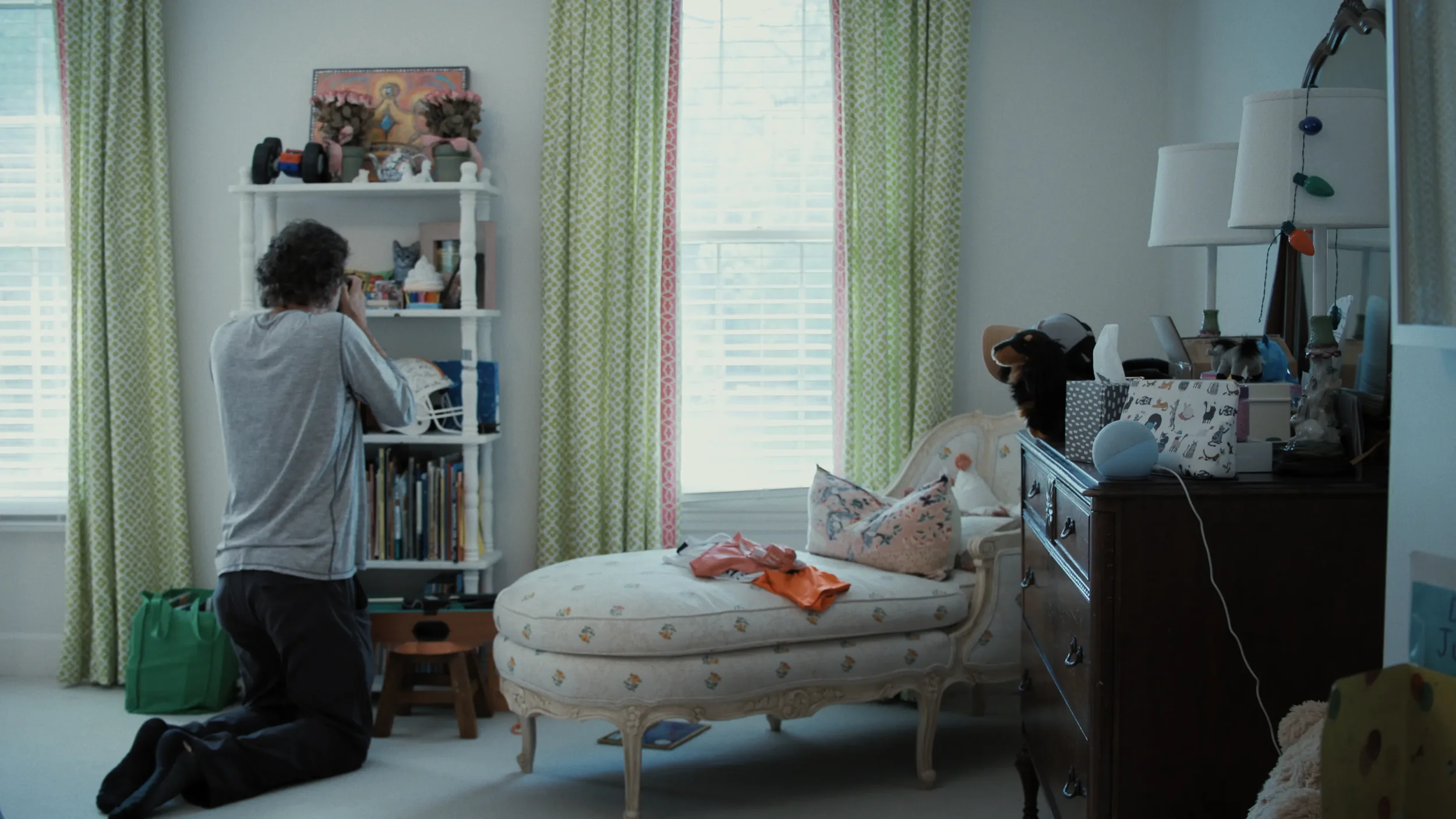
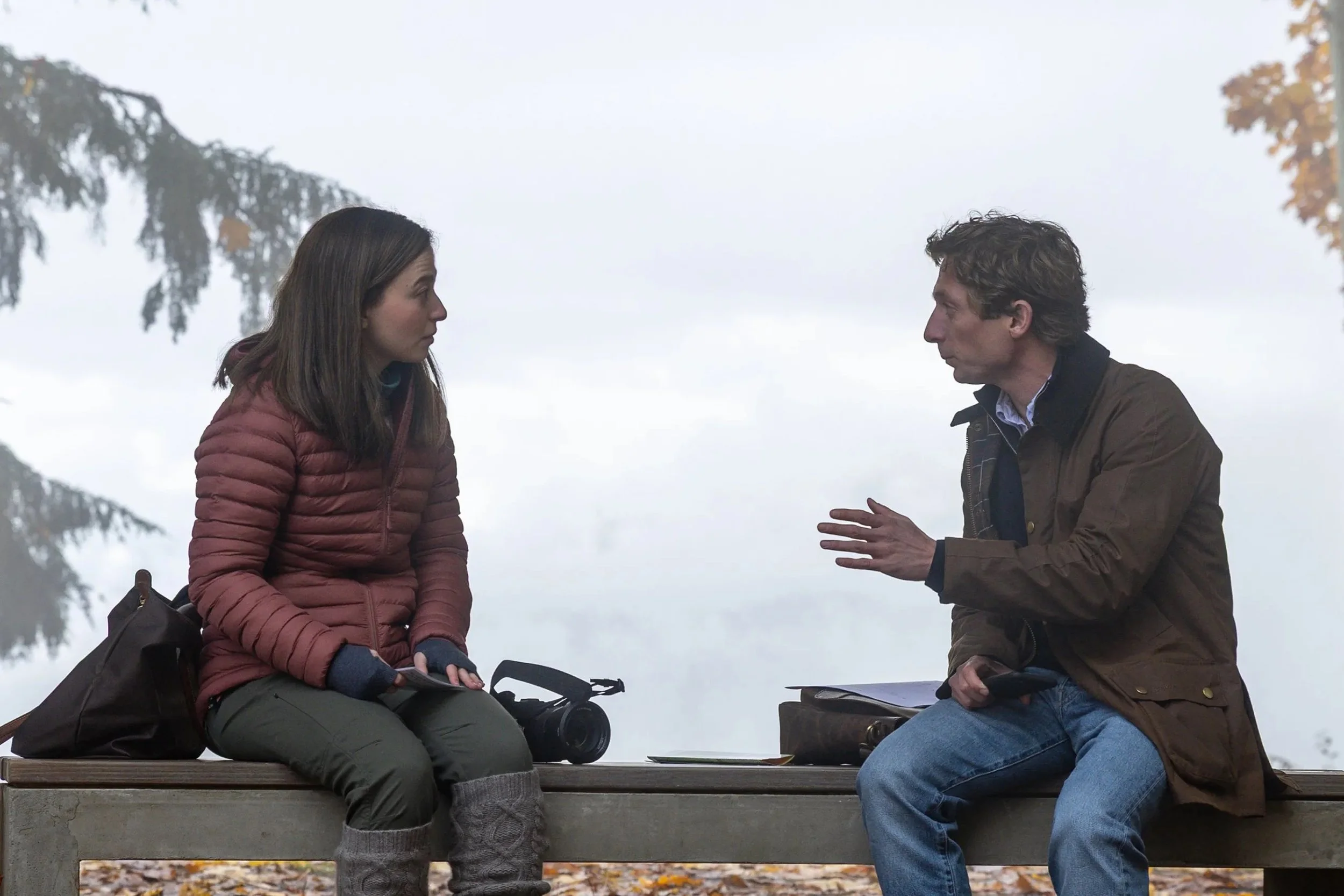
“All the Empty Rooms” - A journalist and photographer document the untouched rooms of children killed in U.S. school shootings.
What stands out in this film is its restraint. The film entirely resists sensationalism, instead letting the spaces and artifacts speak for themselves. The bedrooms are presented as silent memorials where each child’s absence becomes its own sort of presence, and the filmmakers let grief occupy space without any editing flourishes or technical wizardry, which is certainly appropriate for a film of this gravity. The observational conservatism keeps the effect grounded as the images carry their own weight. These are clear strengths of the film, along with its dignified and controlled humanization of its deceased subjects. However, the film does not lack flaws. The restraint on display can make the film feel more like a news segment than something worthy of an Academy Award nomination, and the focus can sometimes drift away from the victims and towards the life of the journalist (Steve Hartman), which leaves a bad taste in my mouth. Overall, though, it’s a solid nominee, even if it doesn’t break new ground.
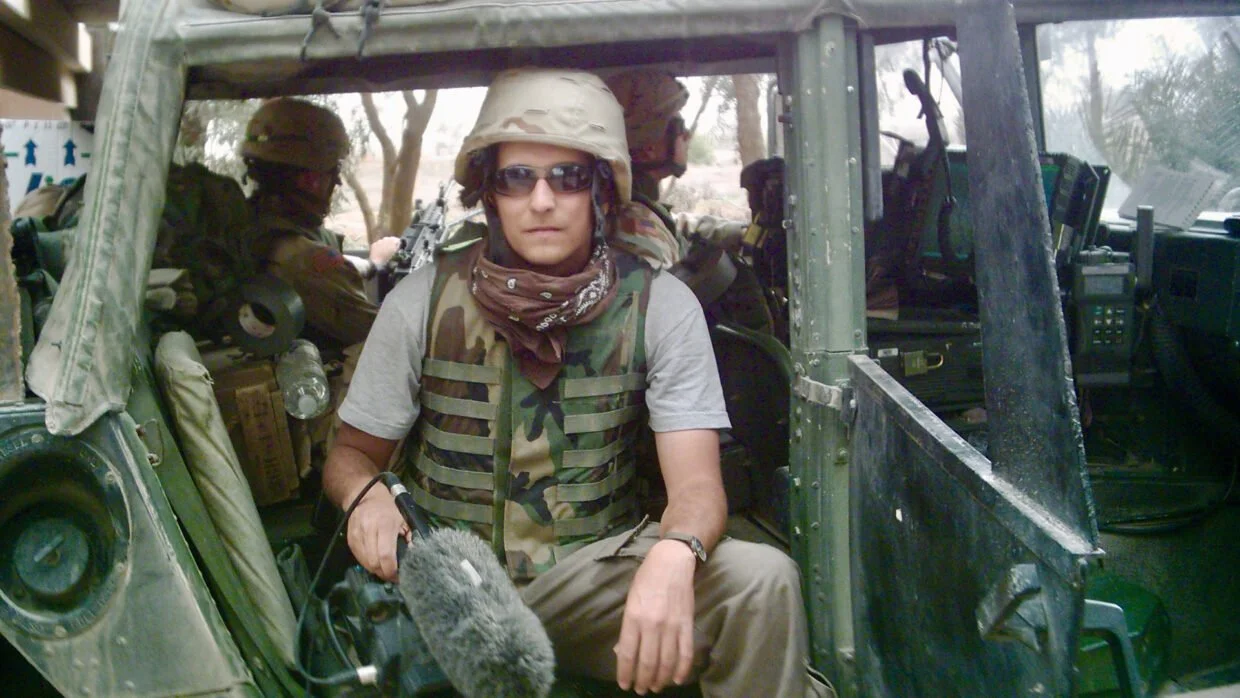
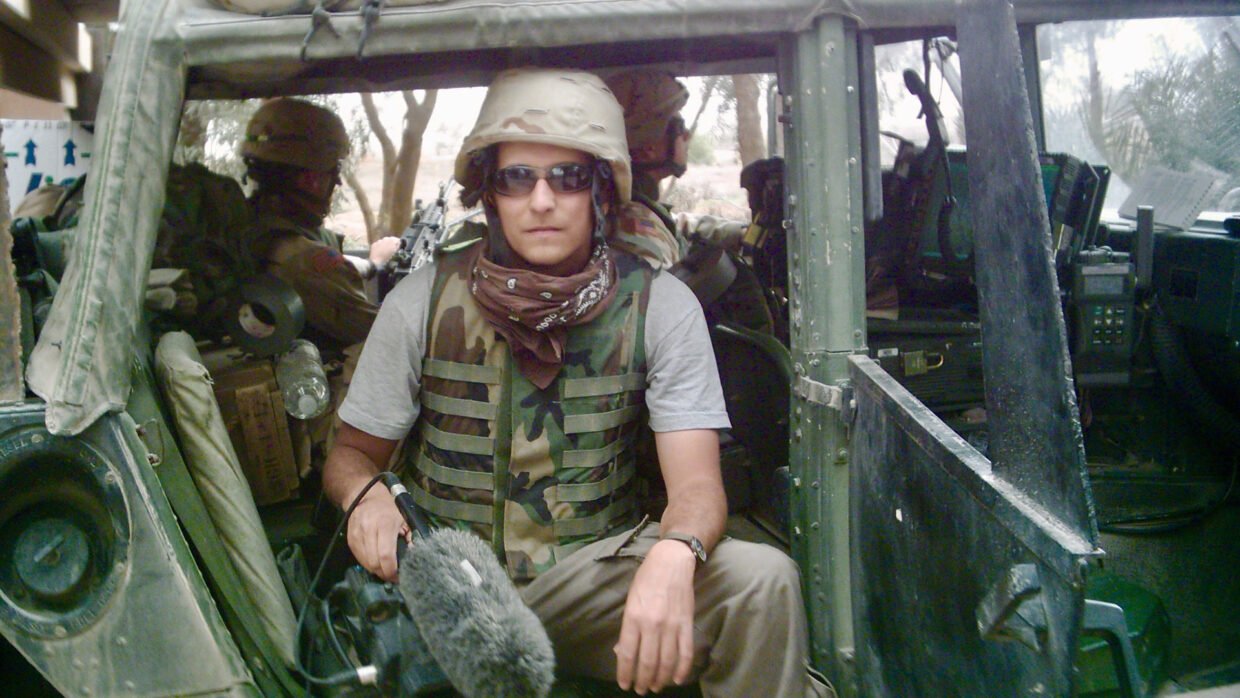
“Armed with Only a Camera: The Life and Death of Brent Renaud” - This film looks at the life of journalist Brent Renaud, who was killed while covering the Russo-Ukrainian War.
Armed with Only a Camera presents journalists as active participants in the stories they cover, but the film doesn’t interrogate what it means for the reporter to become part of the story. It aims instead to show the risks of nonfiction storytelling in active conflict zones, blending tribute with biography to document Brent Renaud’s life and tragic death. The film’s strengths are numerous and clear: It’s well-edited, clearly structured, and emotionally direct. An especially powerful moment is when Brent’s brother visits his friend (who was injured in the incident that killed Brent) in the hospital hospital, and the friend breaks down over not being able to save Brent. At the same time, the film occasionally veers into hagiography, presenting Brent as untouchable and perpetuating a “white savior” trope during the segments in which he travels to impoverished regions of the world. It’s still a compelling short, though, just a very Academy-friendly one.
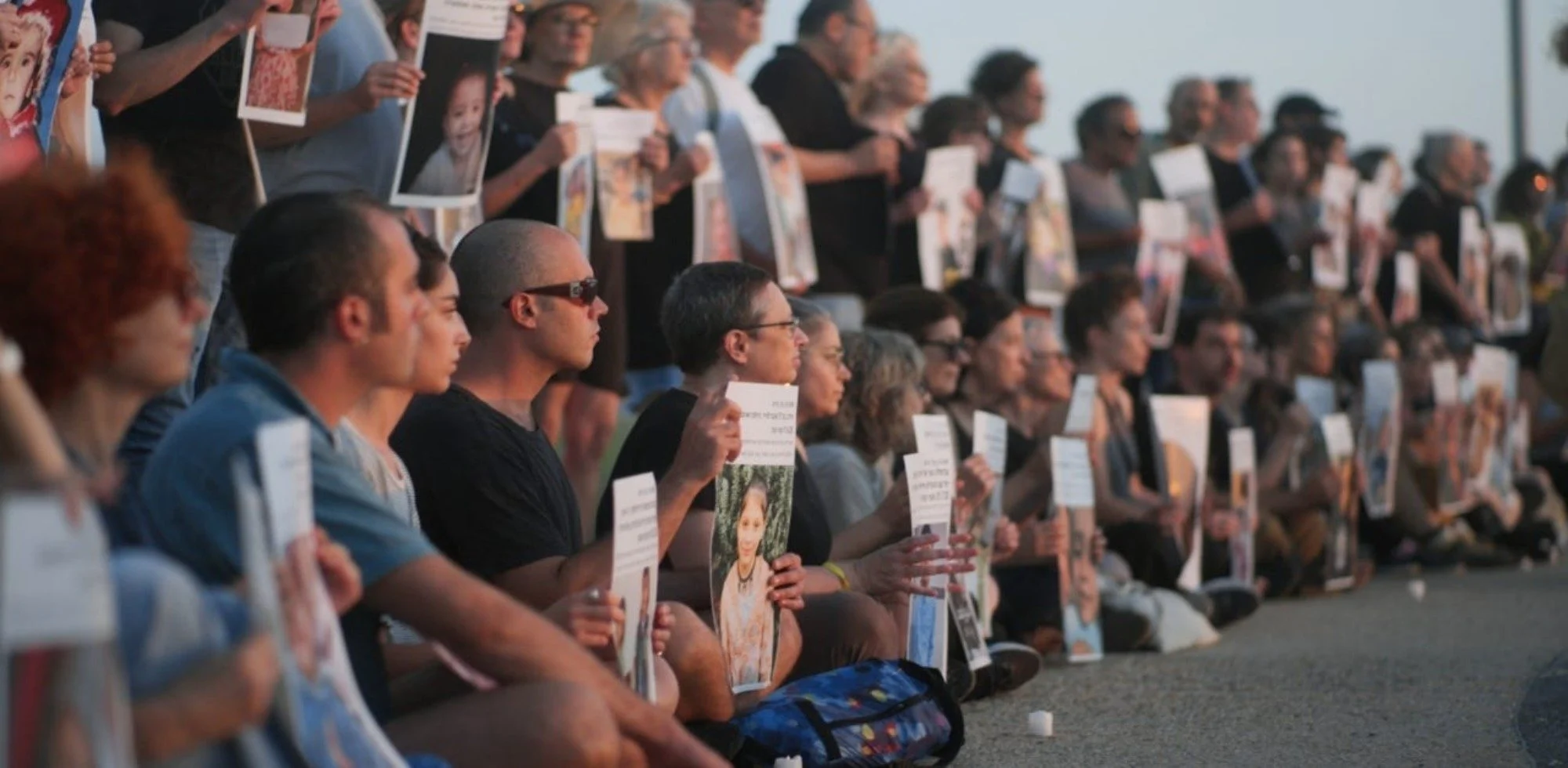
“Children No More: Were and Are Gone” - Silent weekly vigils in Tel Aviv honor children killed in Gaza, with still images serving as their memorials.
Children No More leans into the ritual of protest, letting the silent vigils carry the weight of memory without any voice-over narration. It’s a conceptually powerful premise and a timely meditation on loss and grief, but it feels distant in execution. The film undoubtedly aestheticizes the protestors’ sorrow, framing the vigils as political posturing, which puts the viewer at arm’s length from the emotion involved. Furthermore, the film seems to suggest that the ‘real’ victims here are the Israeli protestors faced with heckling passersby, rather than the murdered Palestinian children. It’s the weakest short of the bunch for me due to its political and thematic confusion, but it still features moments of thoughtfulness.

“The Devil is Busy” - A day-in-the-life of a woman’s healthcare clinic under siege from protest, capturing the tension within its walls.
This is easily the strongest of the nominees in my eyes because of its sense of urgency, which some of the others lack. From the opening moments of Tracii, the clinic’s head of security, searching the building for intruders, it sustains a high level of tension through the unfolding events, rather than trying to retroactively recreate a timeline. Though Tracii is the primary figure in the film, the rest of the clinic staff are presented as steady forces of resistance, navigating clear systemic pressures with determination. Apart from its urgency, what sets this short apart is its ability to maintain immediate focus on events as they happen without losing track of the human dimension. The stakes are high, but the filmmaking crew still allows for moments of nuance and frustration, resisting the urge to lapse into moralizing monologues. Structurally, it’s the most complete film in the lineup; it’s tight and immersive in a way that makes full use of its ‘day-in-the-life’ premise. The political and personal stakes are constructed skillfully, making it a standout in the Academy grouping as well as for short-form documentary in general.
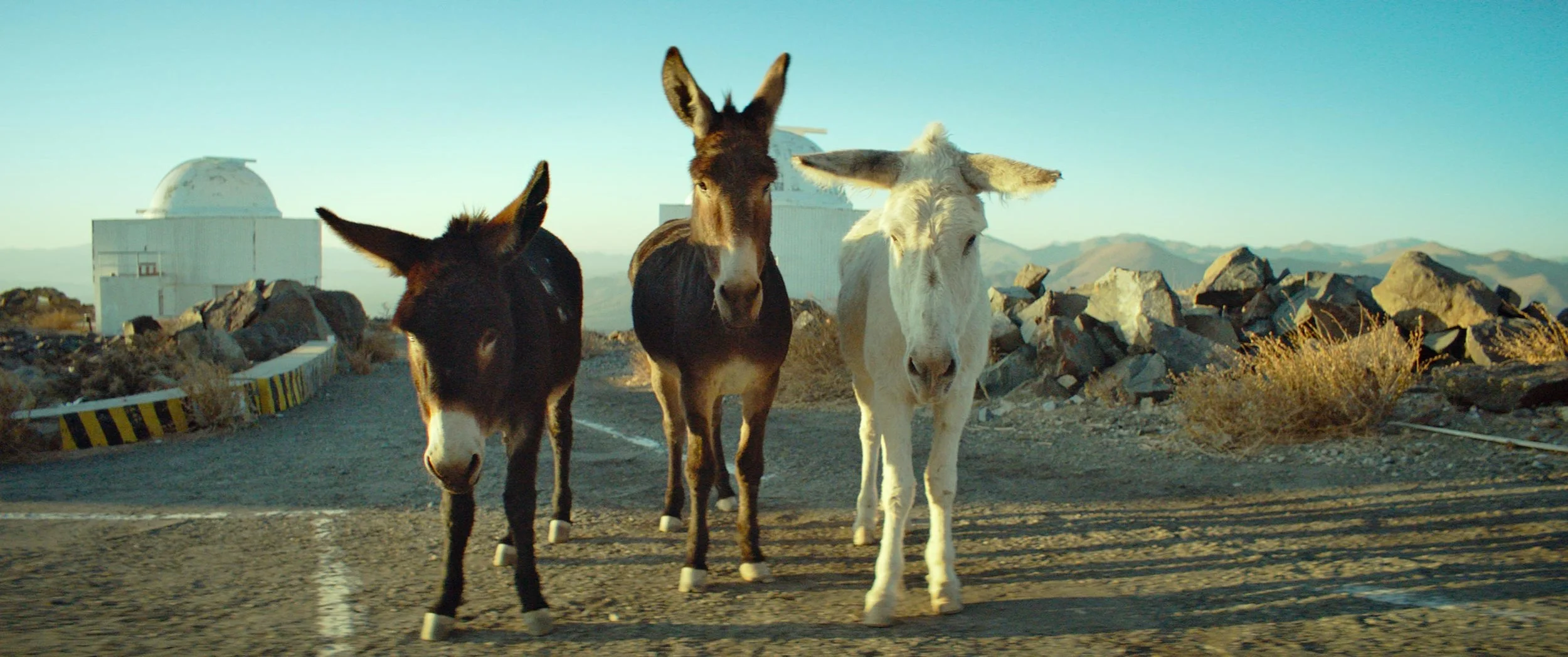
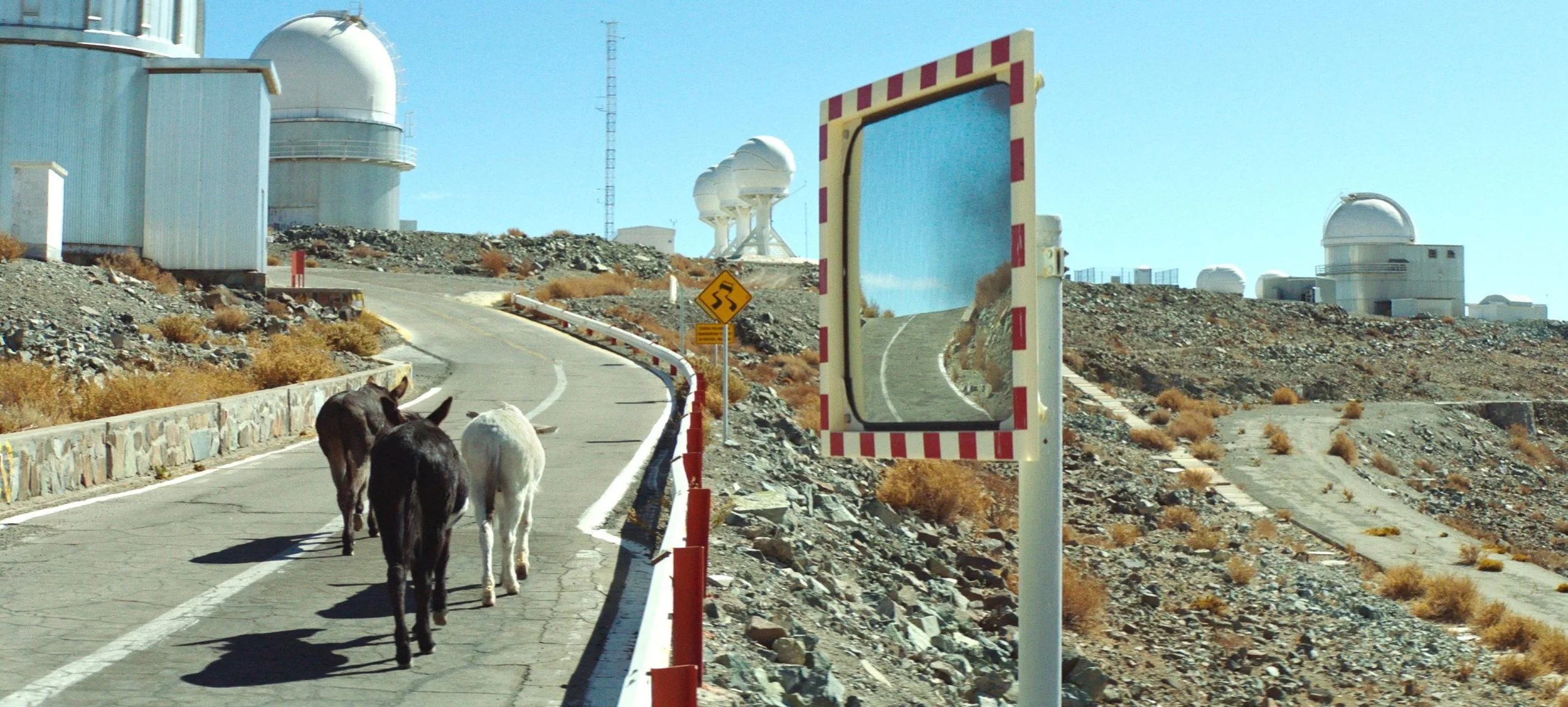
“Perfectly a Strangeness” - Three donkeys stumble upon an observatory, turning an ordinary encounter into something whimsical.
At less than half the length of the other nominees, “Perfectly a Strangeness” is already an outlier, and with the rest of the films confronting overt political crises, it is doubly so. Indeed, the film blurs the line between documentary and narrative fiction to the extent that I’m not sure its inclusion in the “Best Documentary Short” category is even appropriate. The premise is more akin to a fable than a non-fiction piece, and the film leans hard into that ambiguity. There is very little interest in explanation here. The film prioritizes natural textures and mood construction, providing no dialogue or semblance of directorial perspective. Some of the images are quite beautiful, I admit, but its ambition in embracing strangeness comes at the cost of impact. In a distinctly political lineup, “Perfectly a Strangeness”’s refusal to contextualize leaves it floating without much gravity. It’s certainly the most aesthetically daring nominee, but it’s also the one that has left the faintest impact on me.
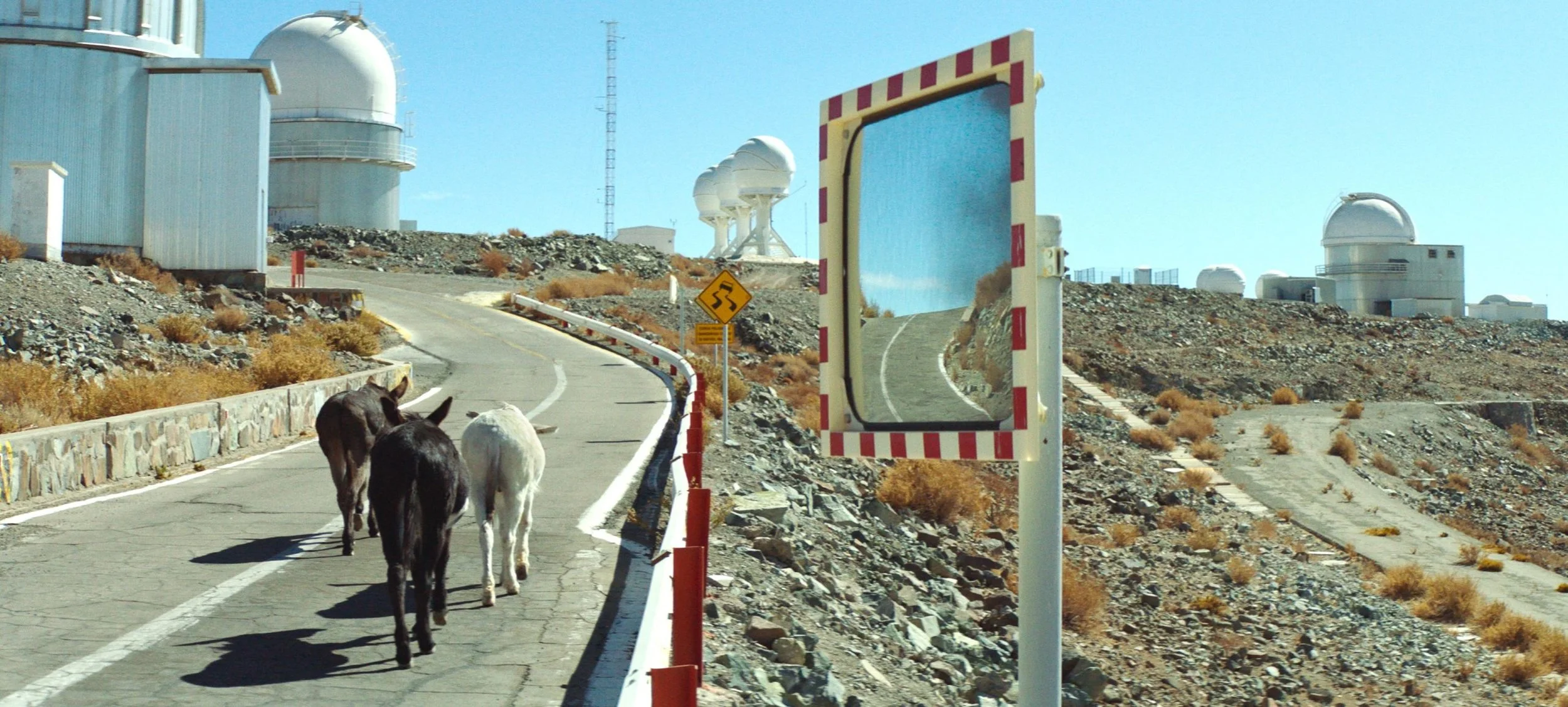
Overall, though, this year’s nominees are rather unified thematically. These films continually return to images of absence, whether it be empty bedrooms, silent protestors, or barren desert landscapes. Even when subjects are present, what often dominates still is what is not there in the form of lost children and fallen journalists. Similarly, these are all films about witnessing: journalists documenting tragedy, protestors presenting images of the dead, and clinic workers under surveillance. These documentaries position witnessing as an ethical duty, both through their subjects and their timeliness as political pieces.
There is, as well, a near-total rejection of spectacle in these shorts. The topics are politically contentious and, in other hands, may have been paired with dramatic soundtracks or flashy editing. In other hands, perhaps some may have been better films. However, what can be said about this grouping is that they are restrained – hushed filmmaking as a counterpart to thunderous politics. It is this tension that seems to define the nominees this year.
So, predictions? For my money, “The Devil is Busy” is the most complete film here and it should win. It balances urgency with restraint and is structurally sound, giving it narrative propulsion that never strays from the lives of the workers. It’s formally tight and emotionally immediate without drifting into sermonizing. It understands its stakes and trusts its audience, which cannot be said of all these shorts.
Who will win? Well, I’d have to guess “Armed with Only a Camera.” It fits comfortably with the kinds of biographical tributes that the Academy typically rewards, in that it’s direct, reverent of its subject, and anchored in a timely conflict. From a filmmaking perspective, it’s polished and traditionally structured. It’s a good film and especially Academy-friendly, given its relatively uncontroversial stance. Other films may appeal more to certain demographics, but I expect this to be the one that most voters will rally around.
Unfortunately, hardly anyone watches these films until the envelope opens, if at all. The Academy Award for Best Documentary Short remains one of the most overlooked prizes and seems to be handed out in front of a room that has hardly seen the films in contention. And yet, year after year, the category hosts some of the most politically potent filmmaking around, often far more urgent and immediate than the Best Picture nominees which themselves claim to be politically bold– looking at you, Sinners and One Battle After Another.
These shorts lack star power and marketing, but they feature some of the year’s most relevant political statements, filmmaking quality aside. They wrestle directly with grief and war without the benefit of studio prestige, but they remain resonant. So seek them out. You’ll find a group of films that, while mixed in impact, all have something to say.
Popular Reviews