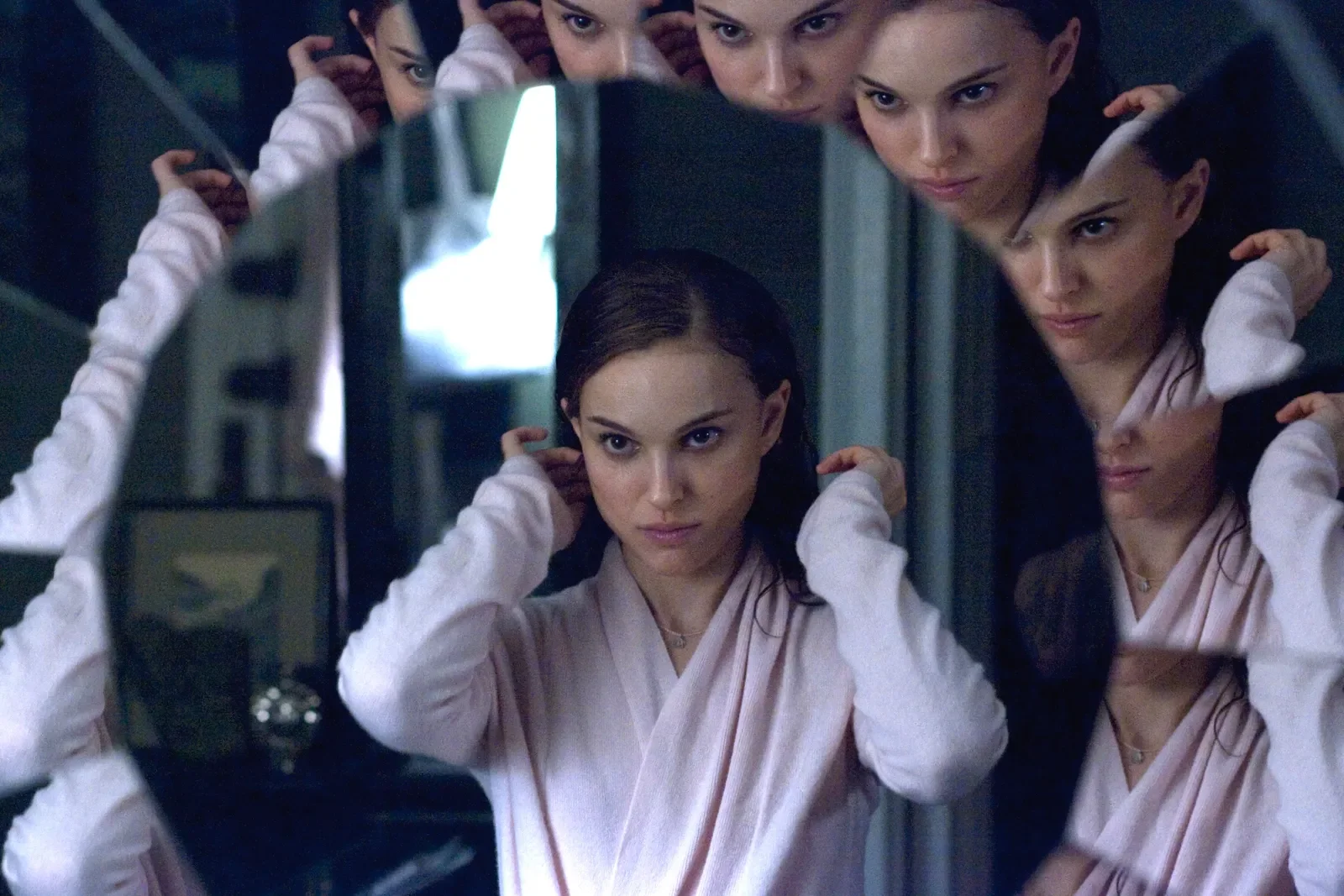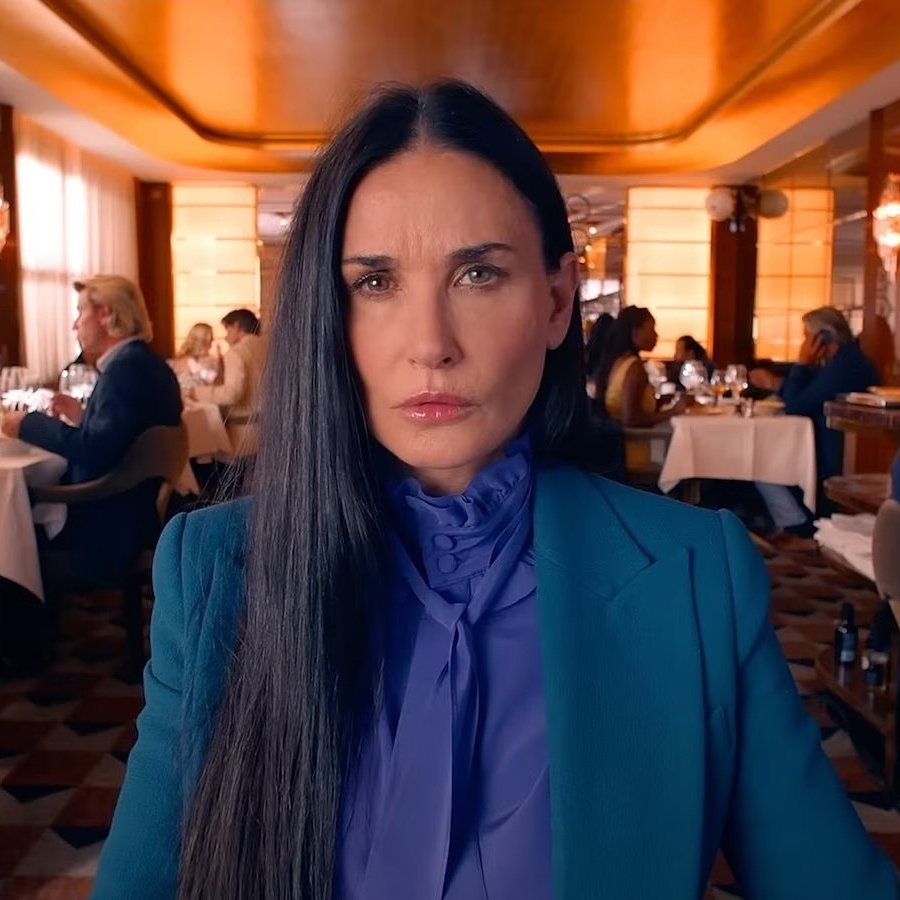
If you asked most people a few years ago who was “winning” indie horror, the answer would've been obvious: A24, of course. But between 2021 and now, something shifted. Not all at once and not always clearly, but deliberately. While A24 horror started to feel scattered, Neon built something more strategic.
What’s interesting is that Neon didn’t start with a clear horror identity at all. It was built over time, and I track that evolution in three distinct pseudo-phases: pre-Titane, post-Titane, and post-Longlegs. Each phase had a different strategy. First it was discovering talent, then experimenting with identity, and finally scaling into something that looks a lot like dominance.
Pre-Titane (2016-2021)
Before Neon had a horror brand, it had a taste for potential. What stands out in this early phase is how often Neon picked up directors who already had indie credibility and tried to push them toward something bigger.
Take The Bad Batch. Director Ana Lily Amirpour came off A Girl Walks Home Alone at Night, a black-and-white Iranian vampire western that made over ten times its budget. That was a very specific kind of success, something you see generate a lot of festival buzz and a cult following. It’s the kind of film with a distinct visual and tonal identity. Neon saw that and said, “What happens if we scale this up?” The results didn’t fully land, but the strategy is what matters.
You see the same thing with The Lodge. Veronika Franz and Severin Fiala had already broken through internationally with Goodnight Mommy, which I’ll just say I really liked, definitely recommend (the 2014 Austrian version, not the 2022 American remake!). Neon picked them up, gave them a wider platform, and raked in the higher receipts at the box office, even though The Lodge was arguably less critically acclaimed. Again, exposure over purity.
Then there was Possessor, which feels like Neon leaning into something a little different, a recognizable lineage. Brandon Cronenberg isn’t just another indie director. He’s the son of David Cronenberg, the closest thing there is to horror royalty. The film premiered at Sundance, stirred up attention, and Neon capitalized on both the buzz and the name. Watching it, you can feel the influence of his father, honestly, to an uncanny level if you look back at his debut Antiviral, but Possessor is where his own identity started getting sharper.
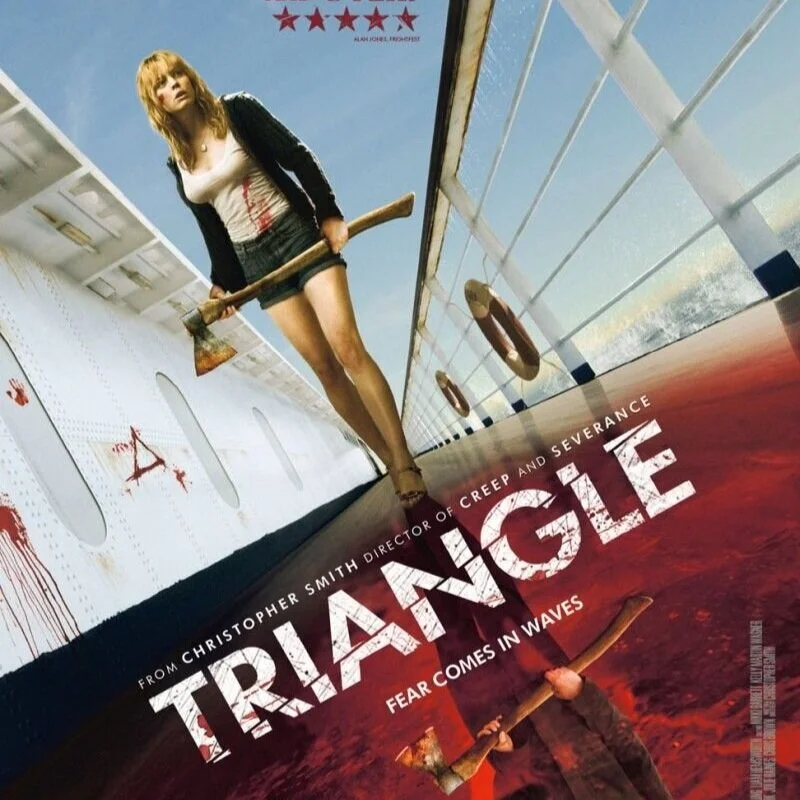
And maybe the most impressive part of this phase is that Neon kept picking directors who went on to become huge. Revenge introduced Coralie Fargeat, who later made The Substance, Cannes Best Screenplay, multiple Oscar nominations, you know the rest. Assassination Nation was directed by Sam Levinson, which he did before creating his hit show Euphoria. In the Earth, the first narrative film Neon actually produced, came from Ben Wheatley, who somehow went from that to directing Meg 2: The Trench.
That last one still surprises me, especially considering Wheatley just made that pretty bad Rebecca remake for Netflix. I don’t even know why I watched it. But that was kind of the point. Neon wasn’t chasing perfection. It was building a pipeline. This phase was Neon searching around and creating a system for future filmmakers.

Titane (2021)
Then Titane happened.
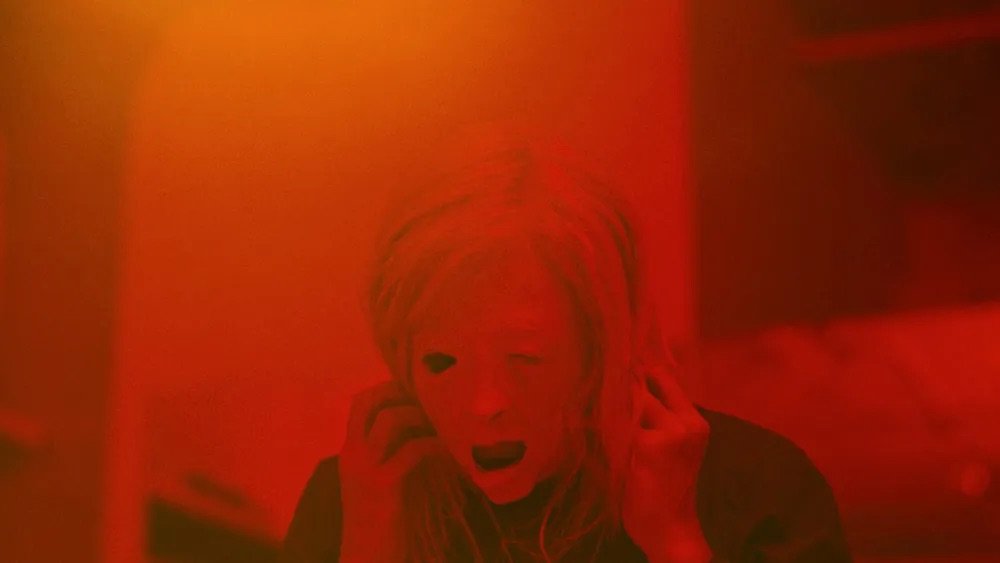
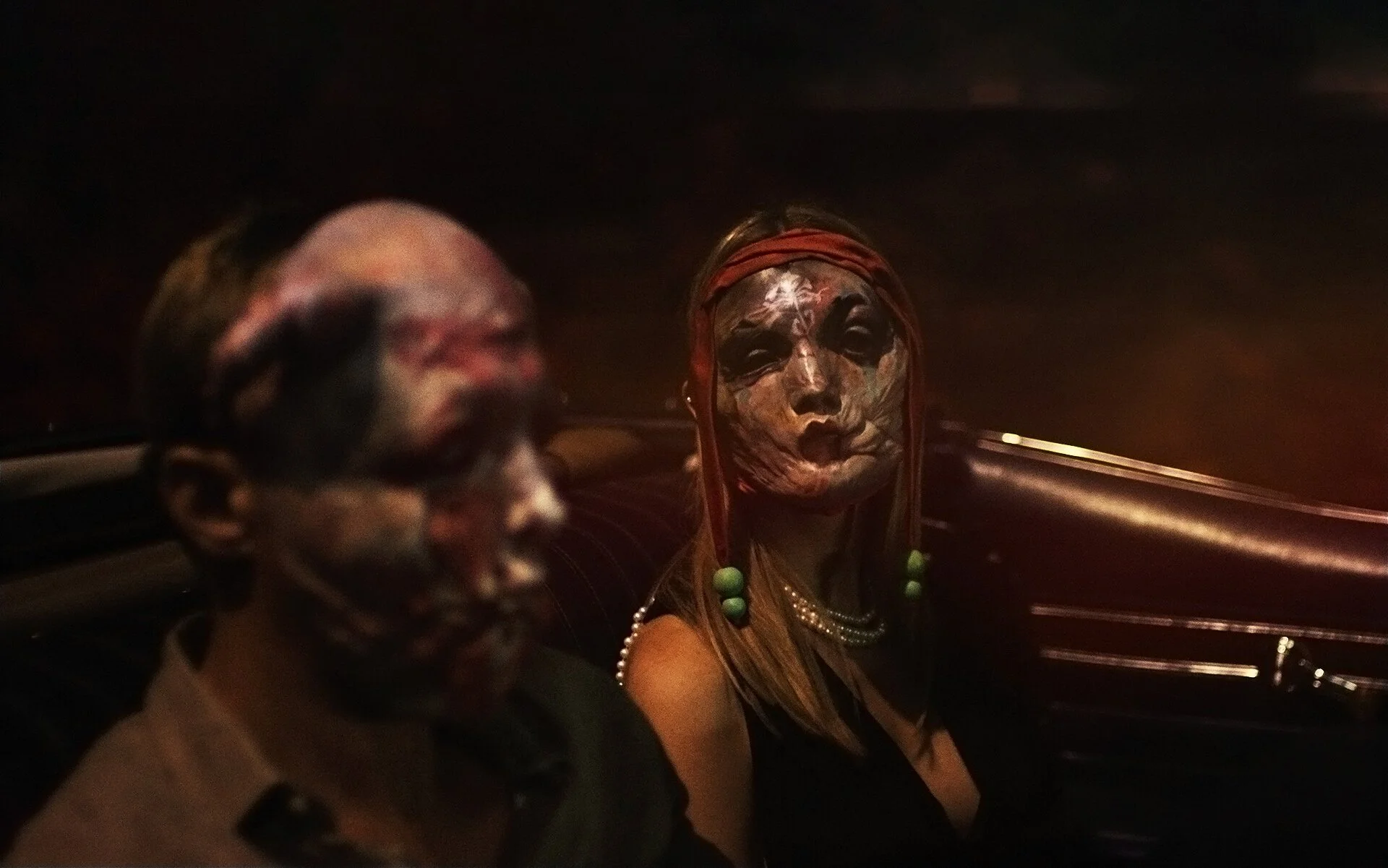
Directed by Julia Ducournau, the film won the Palme d’Or at Cannes, still the only outright horror film to do so (and no, I’m not counting Parasite).
This was the turning point. Not because it suddenly made Neon successful, they were already on the map with films like Portrait of a Lady on Fire, I, Tonya, and Palm Springs, but because it legitimized horror as a prestige genre under Neon’s banner.
And Titane is not an easy movie. It’s messy, extreme, kind of convoluted, very Cronenberg-adjacent, and with a little Frankenstein in there. It’s a lot. It doesn’t have a clearly identifiable audience or a straightforward meaning. But that’s exactly why it matters.
It proved that Neon can take something completely unhinged and have it be recognized as serious cinema.
After that, everything changed.
Post-Titane (2022-2024)
This is easily the weirdest phase, and honestly, the most interesting. Neon didn’t double down on one type of horror. It tried everything at once.
First, there was an experiment with Enys Men. Almost no dialogue, experimental folk horror, abstract, and made like $600k. Neon took a swing at something they never really attempted again. They had to test the limit.
Then they went to prestige again, bringing in David Cronenberg himself for Crimes of the Future. His first film in years, and it completely bombed at the box office. (Probably should’ve kept making movies with Viggo…) But still, Neon was clearly chasing credibility here.
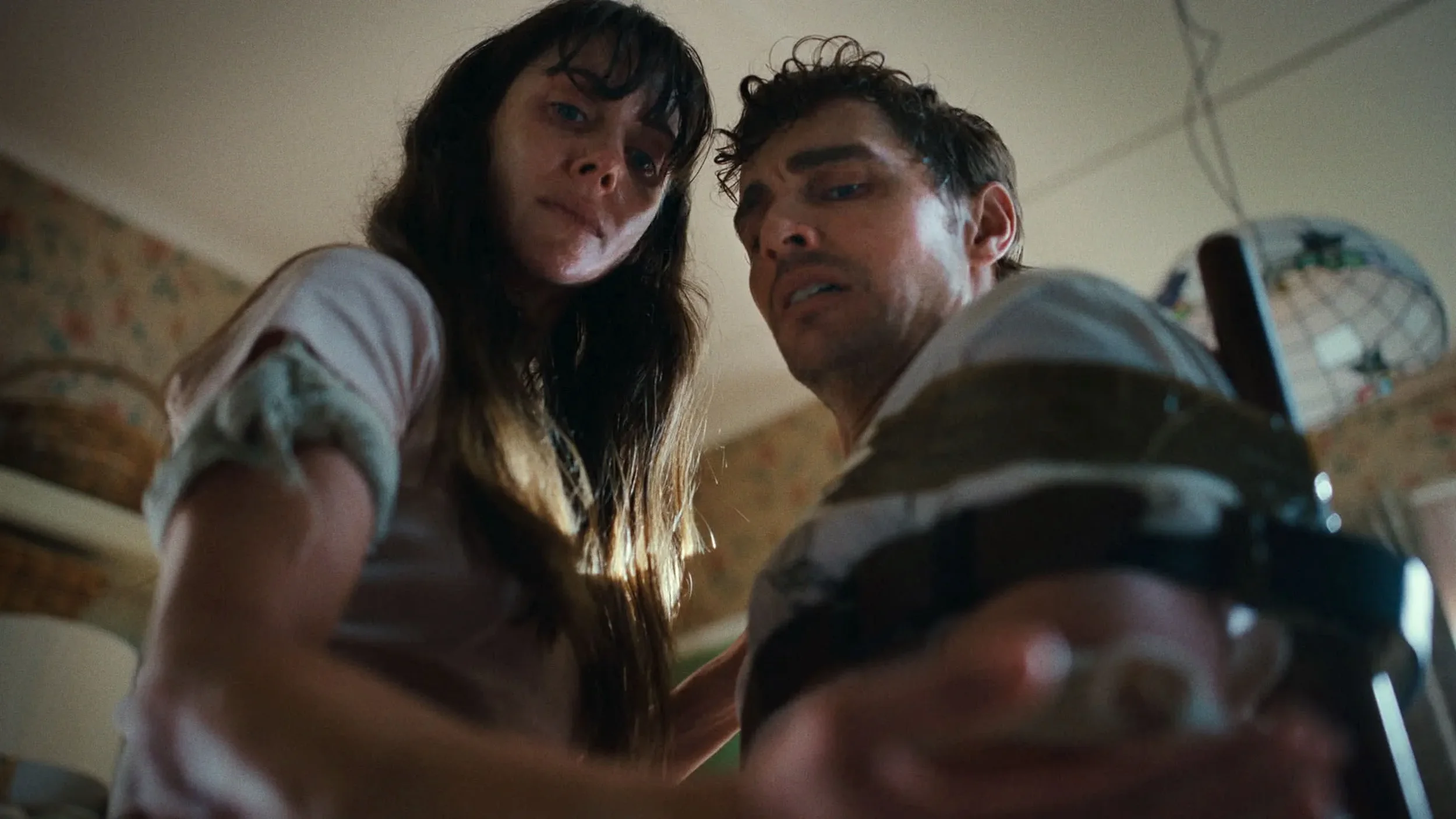
Then the prodigal son returned. Infinity Pool saw Neon actually produce another horror film, this time with Mia Goth coming off her A24 run (X, Pearl). This was actually the first Neon horror I saw in theaters. That cross-pollination between studios is interesting, almost competitive.
But the most surprising shift to me was Neon starting to chase a younger audience. First, you have It Lives Inside. It’s their first PG-13 horror film, a whole six years after the company’s founding. It’s interesting to note that this film was also produced by Neon itself. It stars Megan Suri, fresh off the final season of Never Have I Ever, a hit teen-targeted Netflix TV show. There’s also Hell of a Summer. Directed by Finn Wolfhard (yes, “Mike” from Stranger Things), it’s a fun Gen Z-coded horror comedy film. I actually saw this film with a Q&A following the showing with Finn Wolfhard, Billy Bryk (co-director), and Fred Hechinger (actor). What stood out in the Q&A was how much it felt like a passion project, Hechinger and the directors were joking around, taking jabs at each other, not taking themselves too seriously. The audience reflected that energy, both during and after the film. To no surprise, the audience ranged from high schoolers to people in their late 20s.
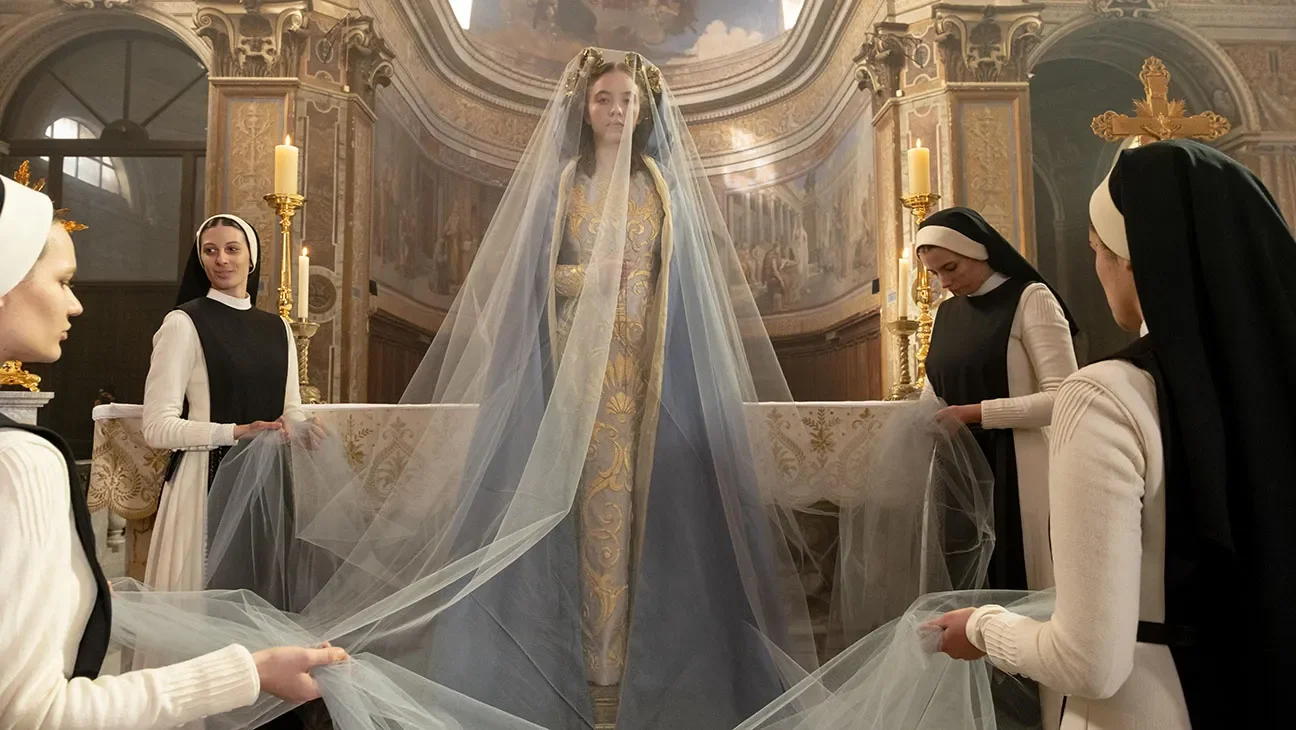
And then there’s what I’ll call the Euphoria pipeline. Whether intentional or not, the pattern is hard to ignore. I mentioned earlier Sam Levinson and his series Euphoria and his earlier connection to Neon through Assassination Nation. Soon after, Neon began working with several of his stars: Cuckoo, starring Hunter Schafer, and Immaculate, starring Sydney Sweeney. The more likely explanation isn’t a coincidence, but a strategy of Neon deliberately tapping into a younger, online audience through recognizable TV faces. Immaculate especially performed well and feels like a clear pre-Longlegs stepping stone in building box office momentum.
Neon even brought in someone like Steven Soderbergh (director of the Ocean’s trilogy), not a horror guy, for Presence, a twist on a haunted house movie. That’s another pattern: Neon didn’t just get horror directors but directors willing to experiment with horror.
This whole phase feels chaotic, but it’s actually strategic. Neon was testing prestige horror, experimental horror, teen horror, and celebrity-driven horror. They were figuring out what sticks.
Longlegs (2024)
Then Longlegs happened, and suddenly, everything clicked.
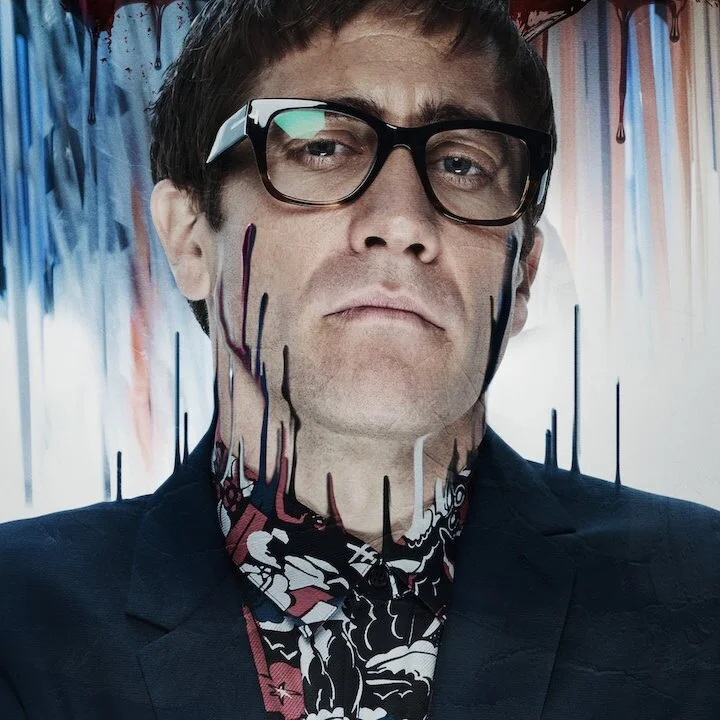
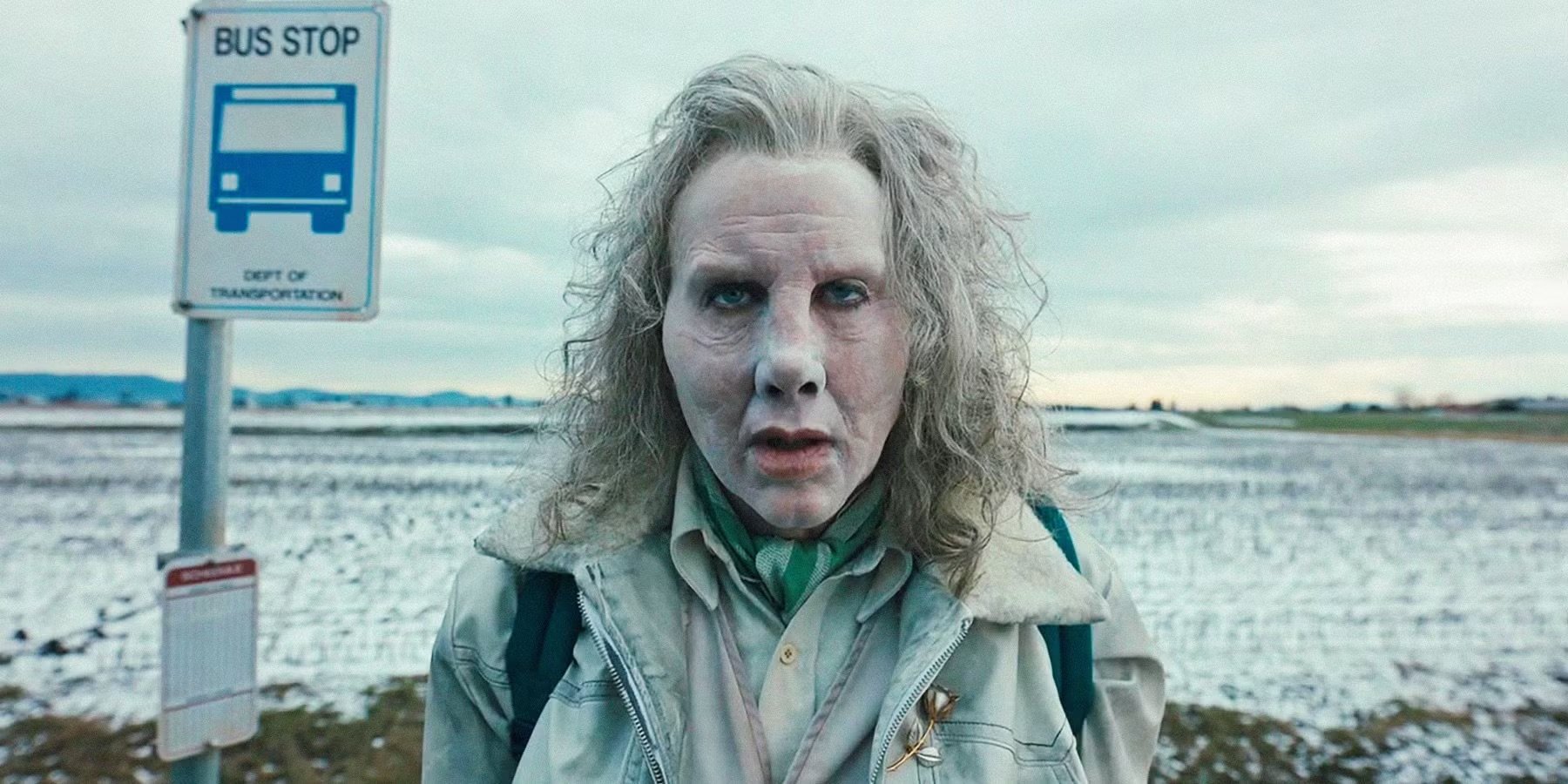
Directed by Osgood Perkins and starring Nicolas Cage as the titular occult serial killer, it became Neon’s highest-grossing film domestically, and pulled in around $128 million worldwide. And what’s wild is Perkins had previously made The Blackcoat’s Daughter with A24 and basically made nothing. Same director, completely different outcome.
Why? The marketing.
Neon completely ditched the traditional playbook. Instead of showing Cage everywhere, they did the opposite and hid him. Like Jaws, don’t show the monster.
They rolled out cryptic images, cipher codes, and anonymous clips. No title, no faces, just vibes. Horror fans on Reddit and social media started piecing things together like a true crime case. Neon fed into that, dropping breadcrumbs instead of trailers.
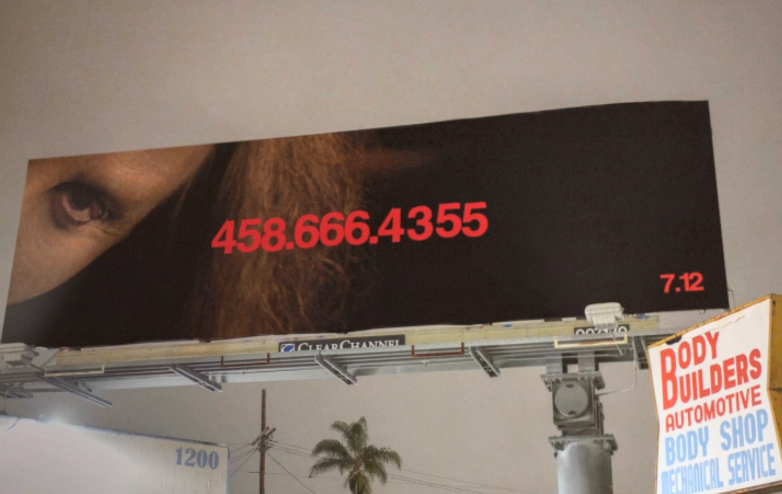
They even put up billboards with just a phone number. Call it, and you’d hear Cage in character. That one stunt got over a million calls globally.
And the craziest part? The marketing budget was under $10 million.
What Neon understood, and what most studios didn’t, is that horror fans don’t want to be sold to. They want to participate. They turned the audience into marketers.
That was Neon’s real breakthrough. Not the film, the method.
Post-Longlegs
After Longlegs, Neon didn’t slow down. It started scaling.
The Monkey came next, pulling in around $70 million globally and quickly became one of Neon’s biggest hits. This time, Neon added another layer, IP. A Stephen King adaptation was a smart move, with a built-in audience and recognizable name, but still flexible enough to keep that weird tone Perkins brings. It’s indie sensibility with mainstream hooks.
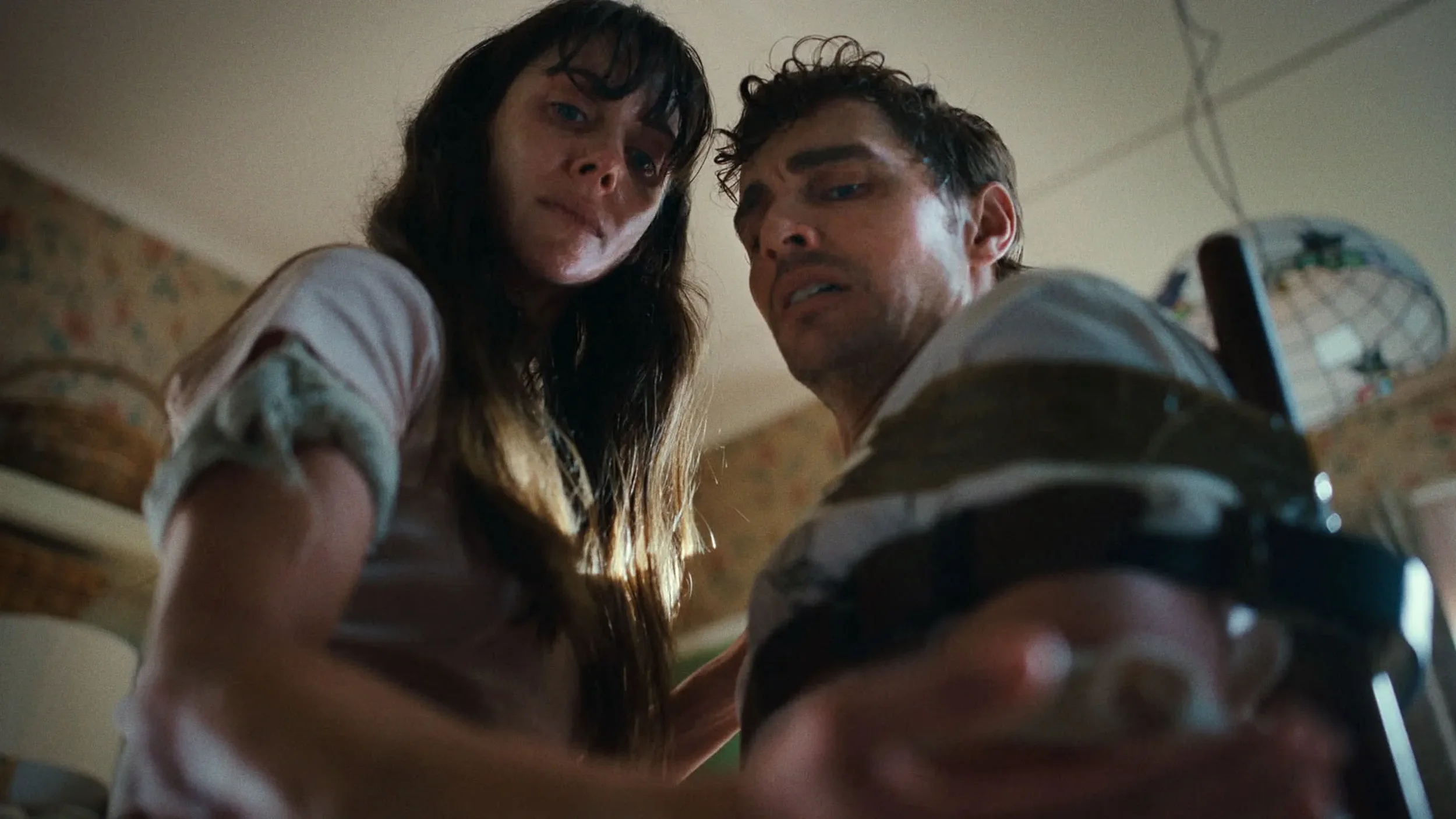
Then there was Together, which honestly feels like the more interesting signal of where Neon could go next. It leaned into horror-comedy, and it worked very well. It was one of my favorite movies to come out last year. It worked so well, in fact, pulling in about $34.5 million domestically, it outperformed Anora (Neon-distributed Best Picture winner) in North America, which is kind of wild. Horror-comedy is accessible and clearly profitable.
On the smaller end, Shelby Oaks quietly pulled in around $8 million. Not a breakout, but still solid. A mid-budget and sustainable film, directed by Chris Stuckmann, a Youtuber known for movie reviews, another interesting strategy that essentially guaranteed an audience of fans.
And then you got Keeper, another Perkins collaboration (the third one), and the first real stumble, bringing in about $5 million against a much larger budget. Neon seemed willing to double, even triple down on the same filmmaker, trusting that the overall relationship will pay off, even if one project doesn’t land.
Neon had figured out what works, or at least what can work, and now they were iterating on it. Not every film hit, but the model itself was starting to stabilize.
The Future
Looking ahead, it’s pretty clear Neon isn’t slowing down. If anything, the upcoming slate suggests they’re trying to lock this model in long-term.
The return of Julia Ducournau with Alpha is huge. This is her first film since Titane, and while it didn’t get the same applause at Cannes, it’s a return to what essentially legitimized Neon horror in the first place. Neon still values that auteur prestige lane, even as it expands commercially.
Then there’s They Follow (it’s in development), a sequel to It Follows, directed by David Robert Mitchell. This is exactly the kind of project that could become another Longlegs-level hit: recognizable, already loved, but still in that same indie horror space. Neon is producing and distributing the film, which is a big deal.
At the same time, in Neon’s upcoming slate (some may have already been released by the time you’re reading this) they’re continuing to push into younger and more niche audiences.
The Young People, another Perkins project, potentially targeting a teen demographic with star Lola Tung from the series The Summer I Turned Pretty.
Exit 8, based on a video game, which feels like a direct play for Gen Z and online horror communities.
Leviticus, stepping into LGBTQ+ horror, an area Neon has been relatively late to but clearly can be successful (e.g., A24’s I Saw The TV Glow), and should be explored.
Hokum, bringing in Damian McCarthy, coming off Oddity, which is a great pickup.
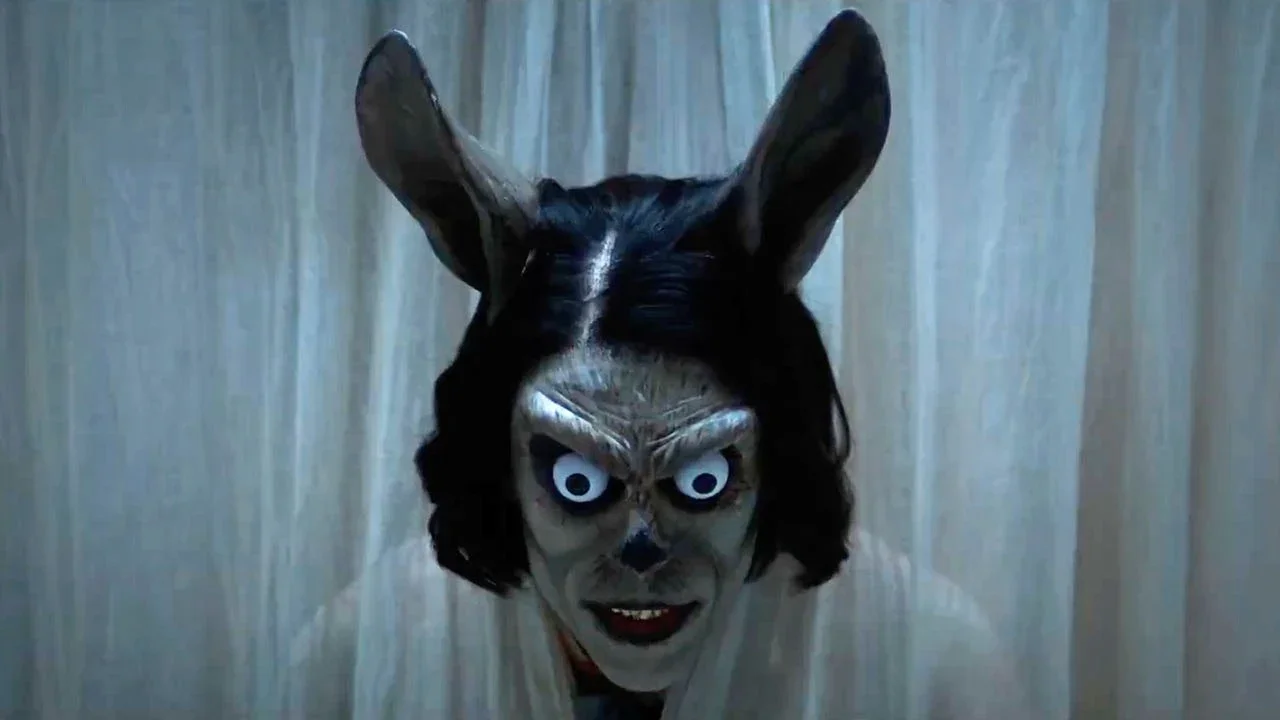
There’s also Brides, directed by Chloe Okuno, who previously made Watcher with Maika Monroe, who is a certified scream queen and also becoming a Neon horror icon, between They Follow, and, of course, Longlegs.
What all of these point to is something bigger than a slate of films.
Neon crafted a modern studio system specifically for horror. A blend of auteur credibility (Ducournau, Cronenberg), internet-native marketing (Longlegs), Gen Z and streaming-era audience targeting (Euphoria actors, video game adaptations, teen films), and consistent box office success.
If A24 defined indie horror in the late 2010s, Neon is defining it now, but in a very different way.
Where A24 built a strong identity and eventually started to feel oversaturated, Neon took the opposite path. It started scattered, picking up random auteurs, testing different tones, not really having a clear brand, and slowly refined itself into something much more precise.
It learned from failures. It tracked what audiences responded to. It built relationships with directors and brought them back. And most importantly, it figured out how to speak directly to horror fans.
From Titane to Longlegs, this wasn’t luck. It was a build.
And at this point, it’s hard to argue otherwise.
Neon isn’t just a part of the horror conversation anymore. It’s running it.
Popular Reviews