Ranking the Films of Pasolini
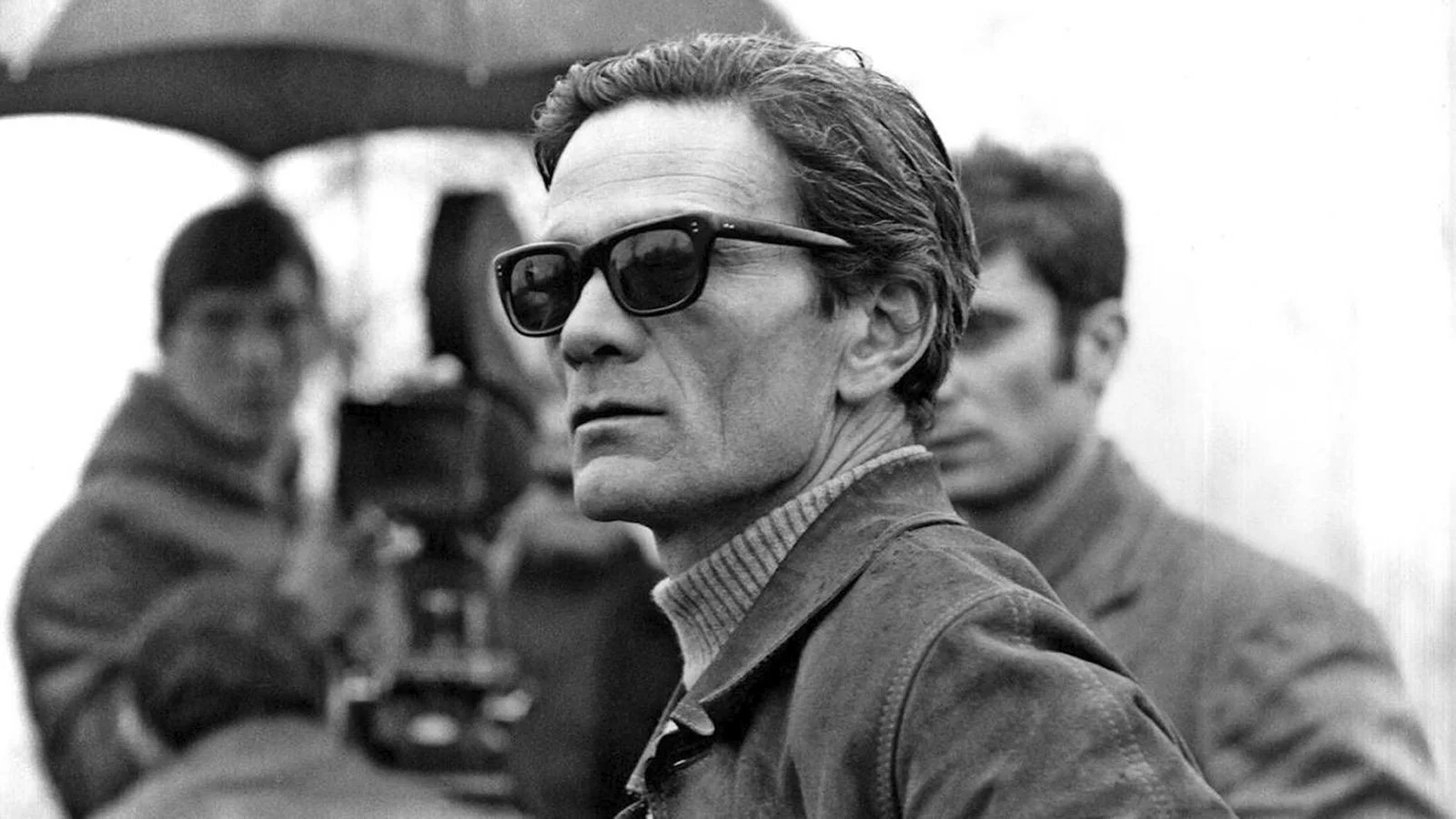
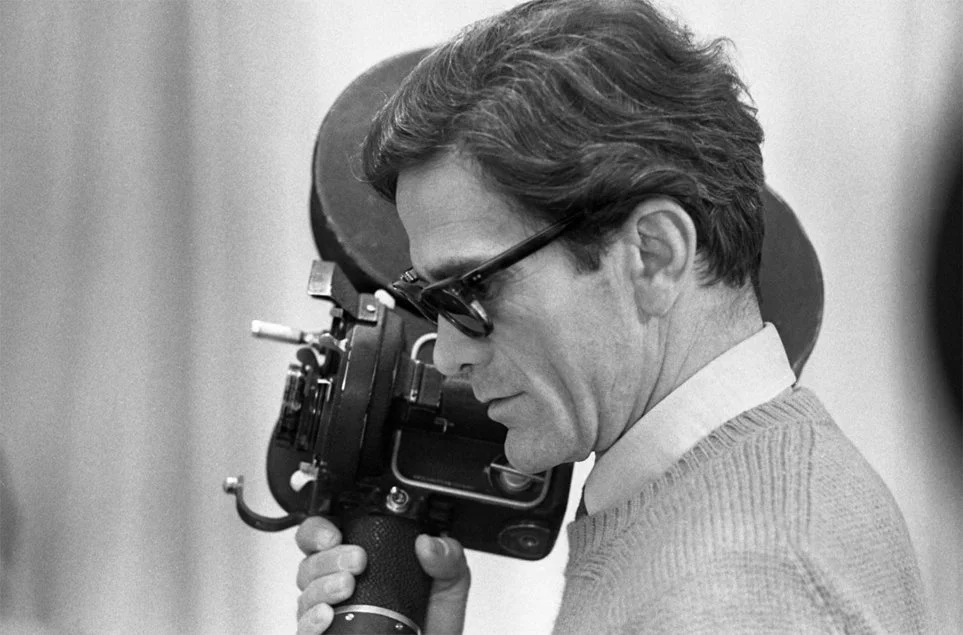
Last year marked the fiftieth anniversary of the death of one of the most important filmmakers of all time. In early November 1975, Pier Paolo Pasolini was murdered. Perhaps the killing was carried out by the militant right-wing group Banda della Magliana–or maybe by an overzealous fan. The case remains open in Rome after the original suspect retracted his confession more than twenty years ago.
Pasolini began his career as a poet and novelist, before becoming a more serious public intellectual in the 1960s. From Northern Italy and growing up with instruction in the Friulian dialect, Pasolini argued for the plurality of Italian culture throughout his life—making him a staunch enemy of nationalism and what he saw as the reintroduction of fascism by the Christian Democrats and, later, the liberal establishment.
A gay man, a Marxist, and a fiery social critic—chiefly writing for the Milanese newspaper Corriere della sera—Pasolini rarely retreated from his position of intellectual otherness. And this spirit of rebellion and introspection is plainly visible in all of his films.
I undertake to rank all twelve of Pasolini’s feature films. Of course, the scope of his oeuvre extends beyond these; I recommend in particular his street documentary Love Meetings and his excellent meta short film La Ricotta.
12. Porcile (1969)
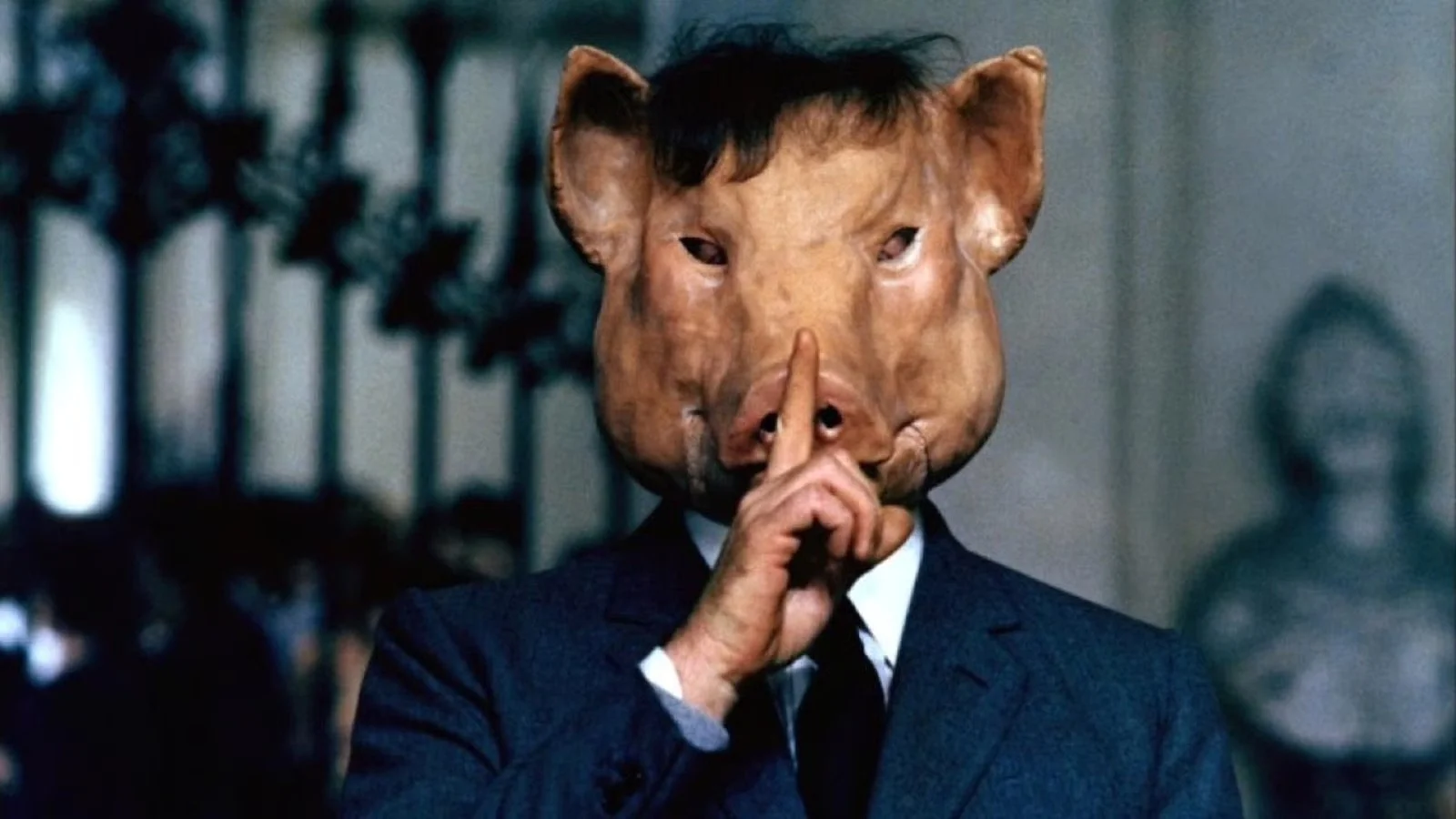
A seminal year for American and European film, 1969 saw a variety of filmmakers look back on the social upheaval of the prior year—and Pasolini, for one, was unimpressed. His apathy to the nominal reforms in Italy is apparent in Porcile (“Pigsty”), which weaves together two allegorical stories: In the first, a wealthy Northern Italian industrialist brokers a deal with a German businessman, until his son’s sexual perversion threatens it, and in the other a vagabond in an unspecified prehistoric era resorts to cannibalism to survive in a wretched volcanic wasteland. If these episodes seem disconnected, it’s because they are. Pasolini, usually so comfortable working in an allegorical space, fails to draw the necessary thematic parallels to stitch the film together. The pace suffers for the attempt—and sequences frequently fizzle out and bring on the next segment without intelligent transition.
Porcile contains plenty of compelling images, but the overall experience is compromised. Pasolini clearly comments on the absurdity of the bourgeoisie (his characters make sure to say as much), but his appeal to some paleo ur-consciousness in the opposing segment is both baffling and incongruous. The film marks a meaningful inflection point in Pasolini’s career, if nothing else: Never again would he make a film dull for the sake of ideology.
11. The Hawks and the Sparrows (1966)
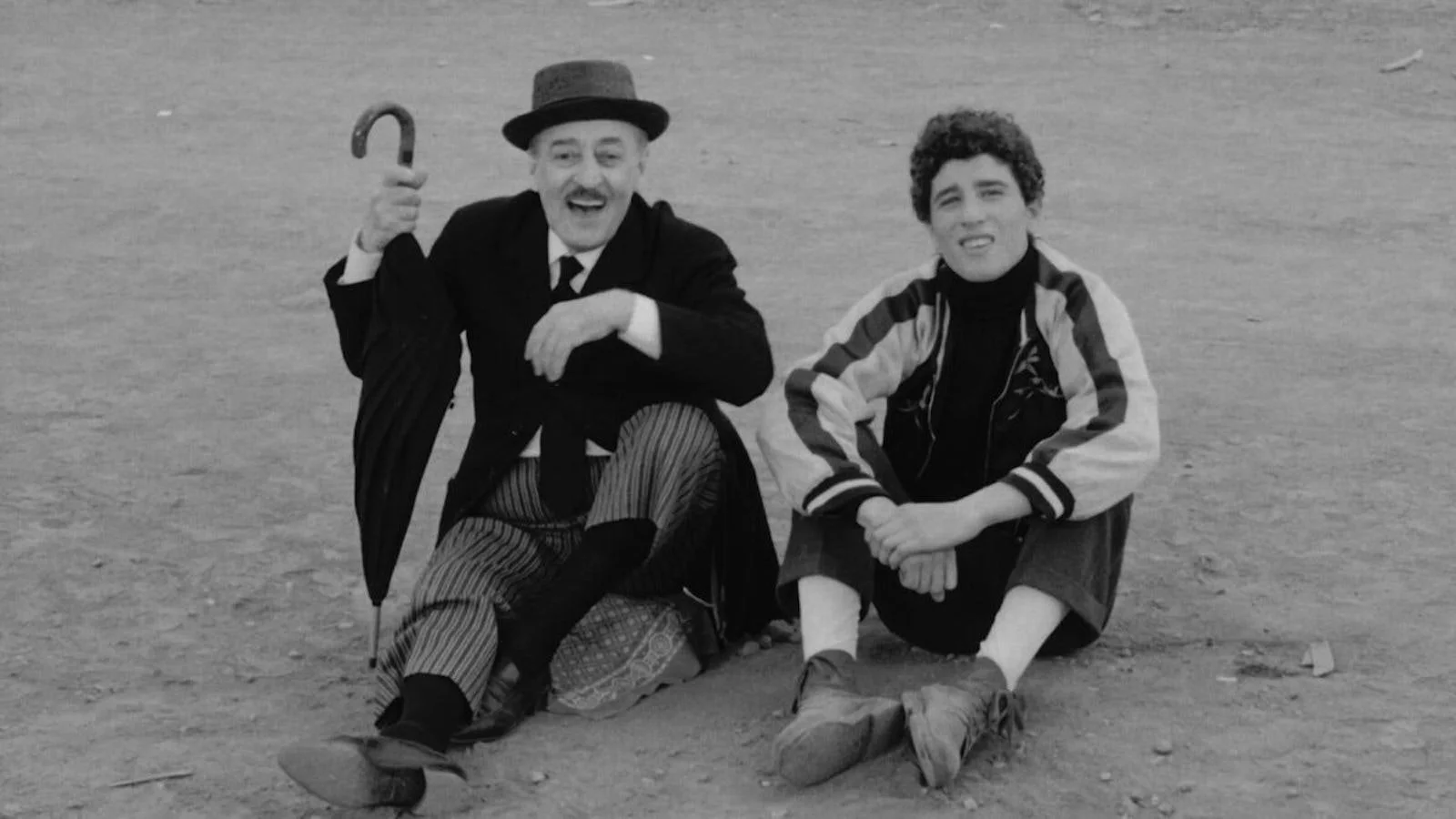
Like Porcile, The Hawks and the Sparrows (an imperfect translation of “Uccellacci e uccellini”) is overtly ideological. It concerns the foot journey of two peasants (played by Ninetto Davoli, many-time actor and one-time lover of Pasolini, and Totò—perhaps the greatest Italian comedian of his era) who encounter a talking, Marxist crow. Pasolini’s last film in black-and-white, Uccellacci e uccellini straddles a line between the filmmaker’s early and late work: It is at once a simple document of rural, underprivileged Italy and an elaborate farce aimed at unrealistic left-wing intellectuals.
Scored by the maestro, Ennio Morricone, Uccellacci e uccellini opens with a terrific dance sequence. This is, however, where Pasolini’s comment on youth culture ends; he is far more concerned with the allegorical journey of the peasants and the nattering crow—who, in the end, is literally consumed. The motivation for eating him is less a function of hunger and more a plea to shut him up. The film is lighter and more frivolous than Pasolini’s other works, perhaps explaining its achievement in the festival circuit at the time. Today, though, I find it too inoffensive and meandering to be compared favorably with Pasolini’s better films.
10. Medea (1969)
While sick with a stomach ulcer in 1966, Pasolini read and reread many of the great Greek tragedies, producing his own Italian translations in some cases. He was seduced by the ancient world and felt compelled to reinterpret classic drama for the modern age. His first of these was Oedipus Rex—naturally, as the play was a crucial text for most intellectuals of the 1960s.
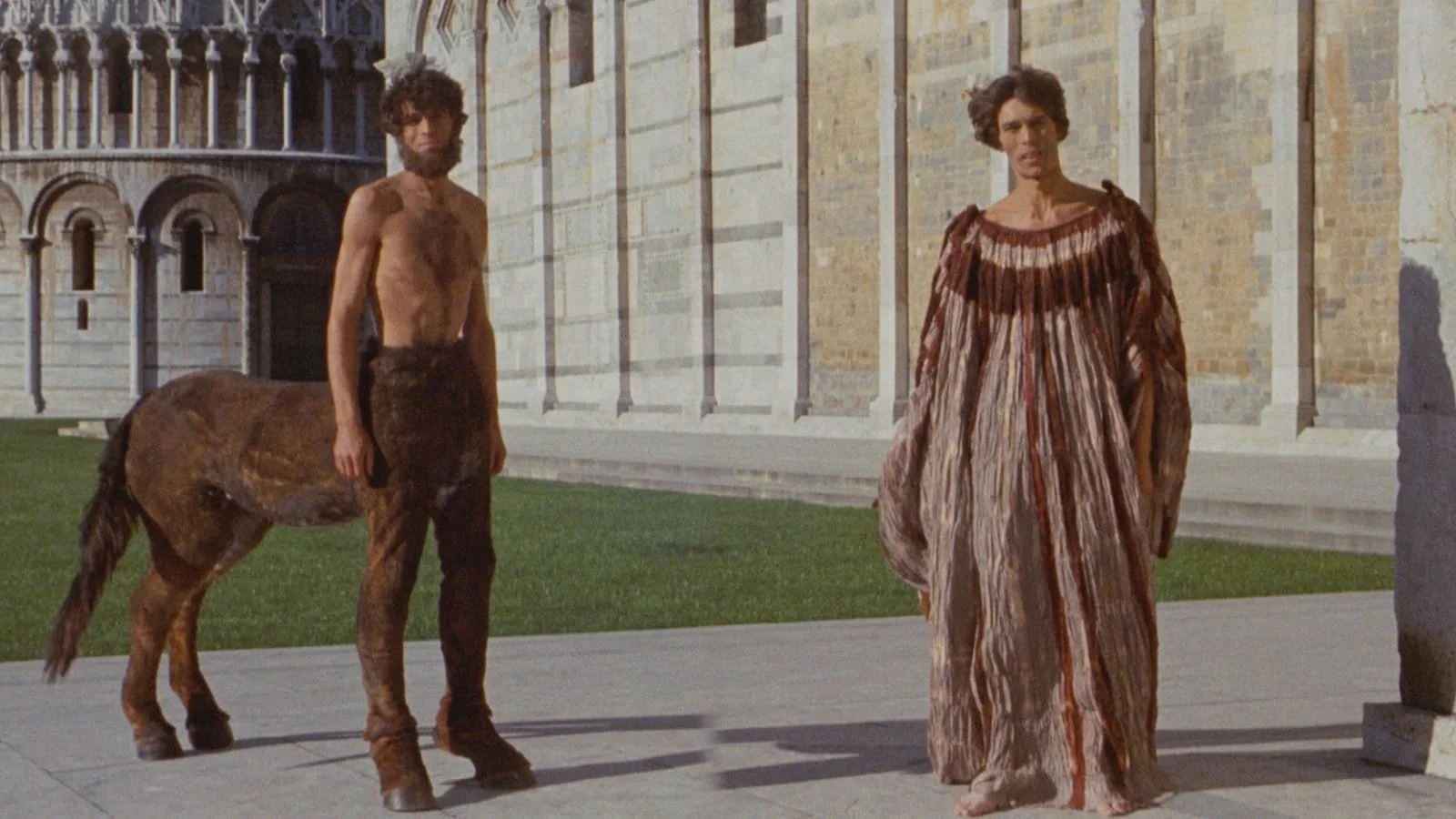
Medea is a less conventional choice. As in Oedipus Rex, Pasolini closely follows the myth, to include not cultivating great sympathy for Medea herself. He is instead content to let the audience live with the source’s moral complexity. Unlike his other mythological film, however, Pasolini sticks closely to the classical aesthetic; he does not infuse the myth with a unique visual style. Even the centaur—which one might consider too outlandish even for Pasolini—is rendered just as the mythology dictates. Though technically accomplished (many of the compositions in this film rank among the director’s most conventionally beautiful) the lack of an authorial stamp in Medea prevents it from standing out in Pasolini’s body of work.
9. The Canterbury Tales (1972)
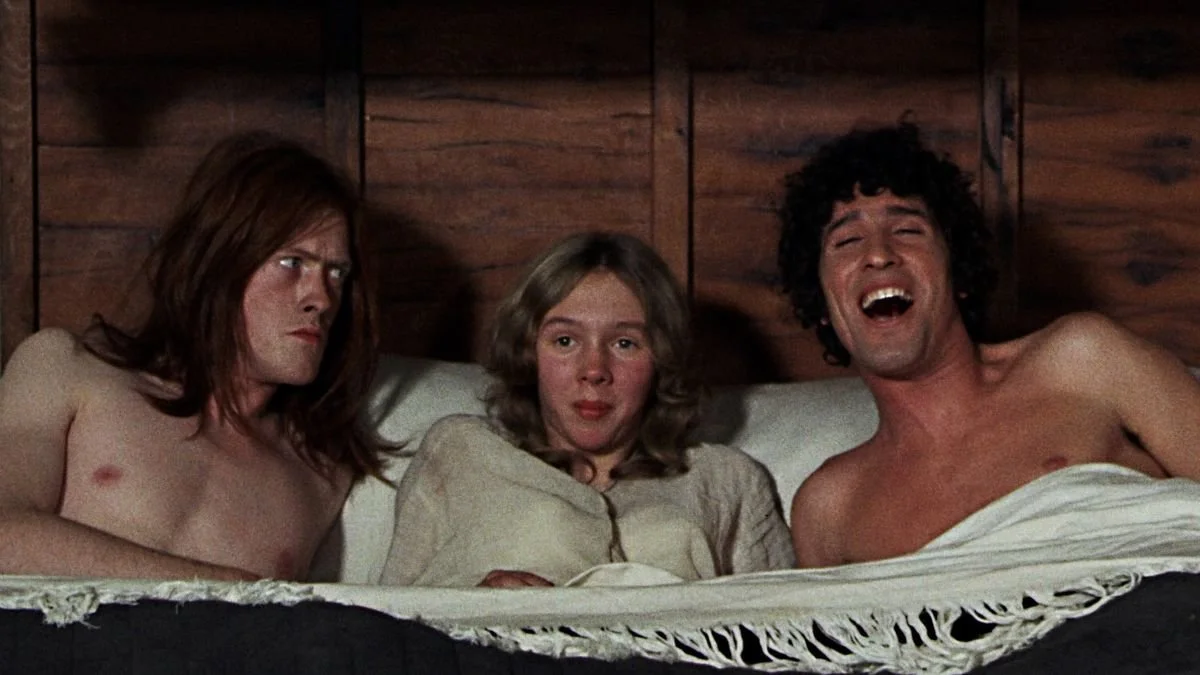
After his Greek series, Pasolini transitioned to the literature of Medieval Europe (another period he demonstrates an odd nostalgia for, perhaps out of contempt for the market system). In The Canterbury Tales Pasolini found a winning formula: All of his Medieval films, collectively called “The Trilogy of Life,” were commercially and critically successful. They gave him the greatest honors he would receive—in the case of The Canterbury Tales, Pasolini won the Golden Bear at the Berlin Film Festival, its highest prize.
The Canterbury Tales is a loose adaptation of Chaucer’s classic anthology; Pasolini substitutes much of the cunning social observation for light-hearted gags. As with the other films in the trilogy, Pasolini includes extensive nudity—pushing the boundaries for what was acceptable to audiences in a non-pornographic film. This excess highlights the director’s interest in an “unrestrained” precapitalist period, one that celebrated itinerant regional culture and relatively tolerant ideas about sex. Moreover, Pasolini’s approach often objectifies male bodies, on account of his own sexual leanings, but also as a reversal of the male gaze so frequent in erotic cinema. However, The Canterbury Tales does not reach the heights of its siblings in the trilogy; the different segments feel largely disconnected and the humor often undermines the more compelling passages.
8. Oedipus Rex (1967)
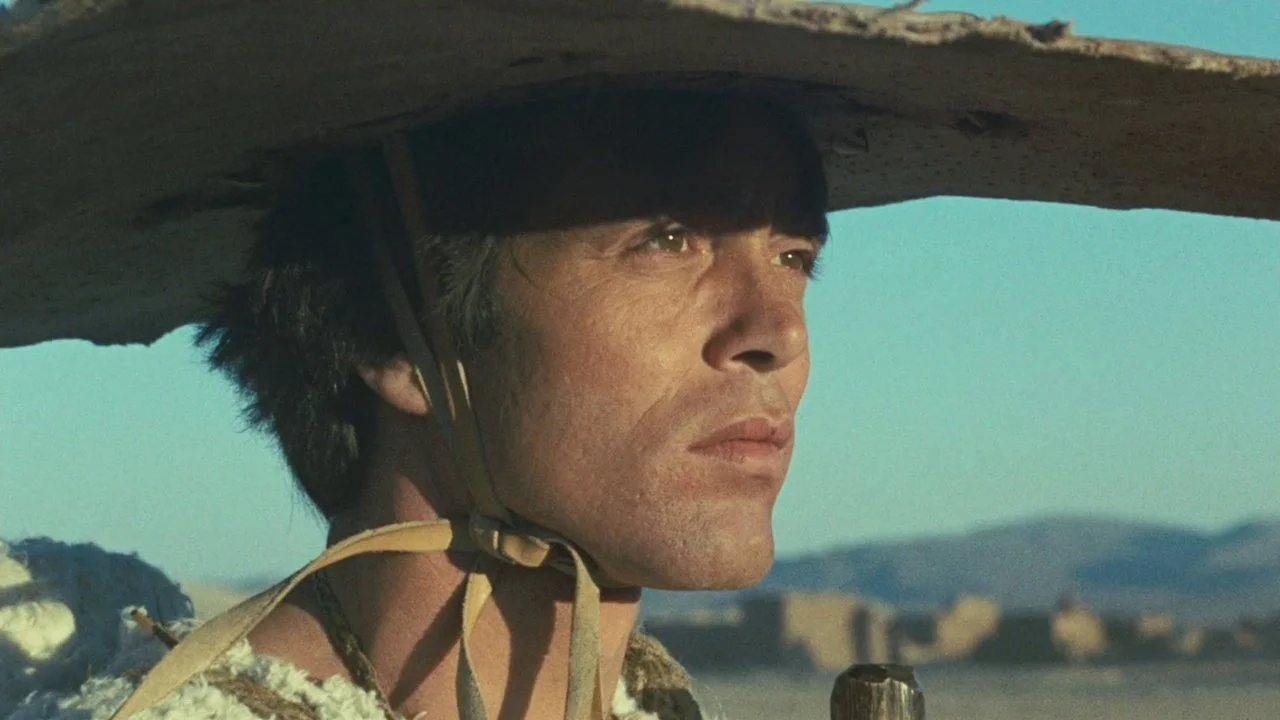
Unlike Medea, Oedipus Rex is almost universally compelling. It was his first feature shot in color, and watching it, one half-expects the characters to break out into song—so zealous is the set design and direction. Crucially, Pasolini reinterprets the text: the oracles appear much like African priestesses, and the design of the armor, weaponry, and other objects reflects this larger interest in “primitivism.” By combining the ancient story with his modern ideas of the Third World, Pasolini makes Oedipus Rex more accessible—or at least more interesting.
The film stars Franco Citti, one of Pasolini’s long-time collaborators, and the more well-known Italian actress Silvana Mangano. Their presence distinguishes the film as a classic Pasolini production; though he often worked with the same cast and crew, Oedipus Rex is Pasolini at his most essential. He would produce more moving, intellectually rigorous, and more formally refined films, but Oedipus Rex remains one of his most revealing.
7. Accattone (1961)
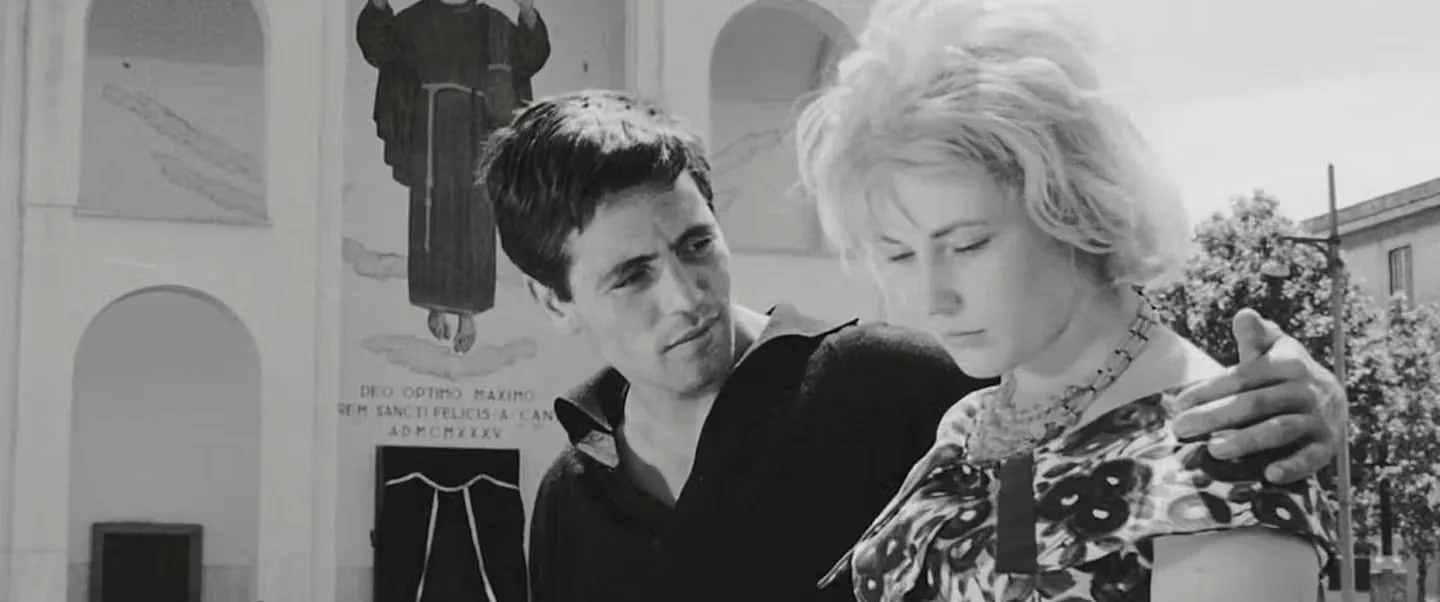
His first film, Accattone, holds up as one of Pasolini’s best. It documents the tumultuous hand-to-mouth existence of a pimp living in the Roman periphery, played exceptionally by Franco Citti. Pasolini began his film career as a dialogue specialist for Fellini, in particular for the lower-class dialects of Rome. This was Pasolini’s first great interest: The subproletariat. He was deeply compelled by the linguistic and cultural diversity of Italy and especially those living beneath even the urban workers, the people forgotten—or otherwise disadvantaged—by capitalism.
Accattone, the character, is an intentionally imperfect representation of this disadvantaged class. He is a menace to the women in the film and a bully to many of the men. Only when contrasted with the more successful pimps—who try to get him on their side—does he seem likeable. But it is not Pasolini’s ambition to further the stereotype of the scrappy urban hustler. He depicts the Roman subproletariat precisely as it is. And his fidelity makes Accattone memorable.
6. The Gospel According to St. Matthew (1964)
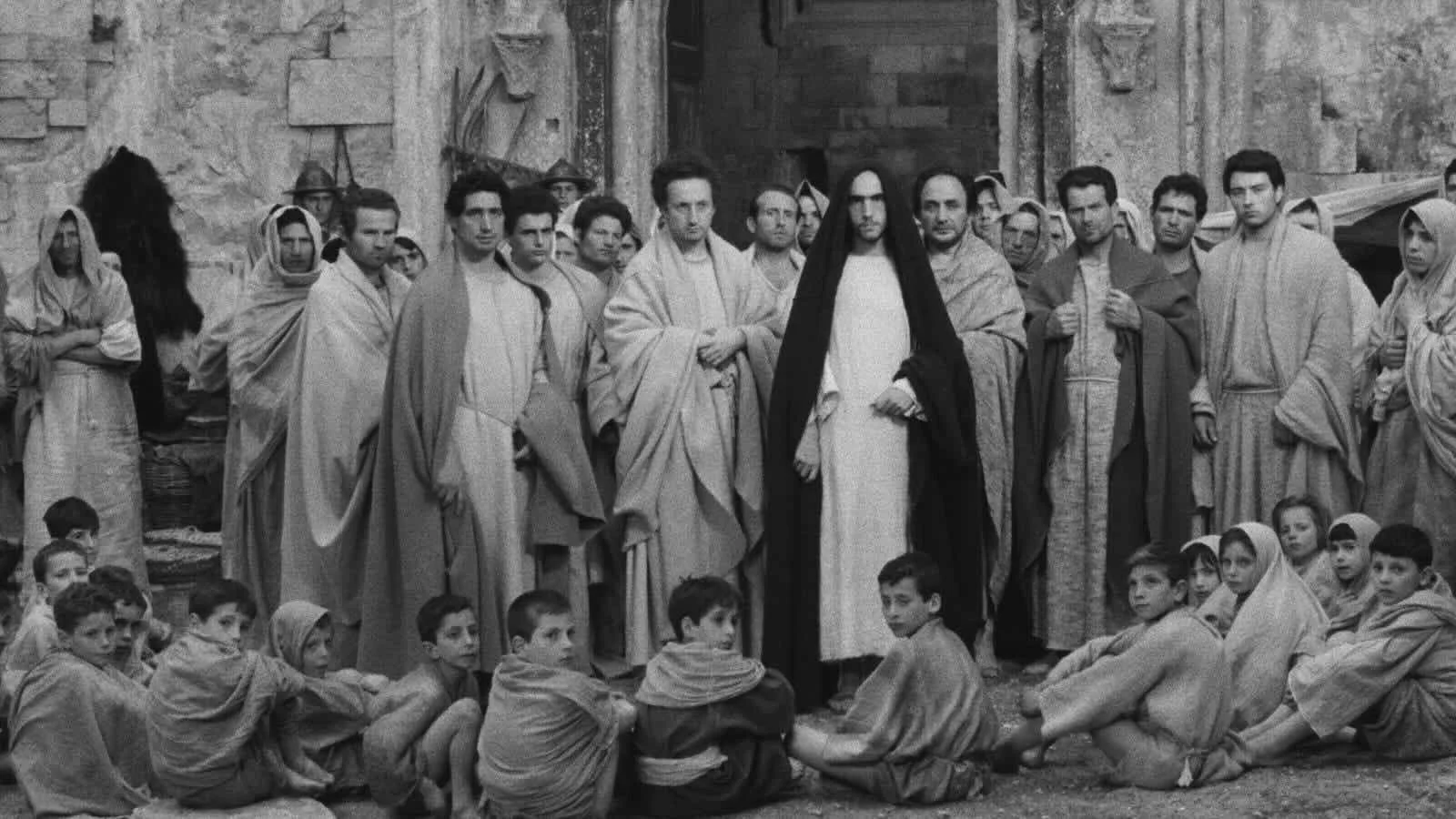
Among the most critically acclaimed of Pasolini’s films in his own time was The Gospel According to St. Matthew. It remains today perhaps the premier film depiction of the life of Christ, a bizarre task for a filmmaker as irreverent as Pasolini. Yet paradoxically, his iconoclast character lends the film a certain honesty. This honesty is aided by Pasolini’s literal approach; almost every line comes directly from the New Testament. And likewise the vistas (captured in Italy after Pasolini’s trip to the Holy Land convinced him that the real locations were too compromised by modern encroachments) are humble. Pasolini’s Mary is very plain and the Jews have a simple, almost paleolithic society.
Perhaps most amazingly, Jesus appears in the film to us like a counter-cultural figure—even though his every word is lifted from the text. In Pasolini’s hands he becomes a nonviolent protestor, and though Pasolini cuts out most of the miracles (he chose the Book of Matthew for its believability) Christ is still clearly supernatural. It is a difficult tonal and thematic balancing act, but the film sustains it.
I have trouble ranking Matthew any higher, though, in large part because of its fidelity to the source. Though empathetically photographed, it is ultimately hollow: The spirituality Pasolini appeals to is unspecific. Which isn’t to say I’d prefer the film in the hands of a Christian but more that I would prefer a different story altogether.
5. Mamma Roma (1962)
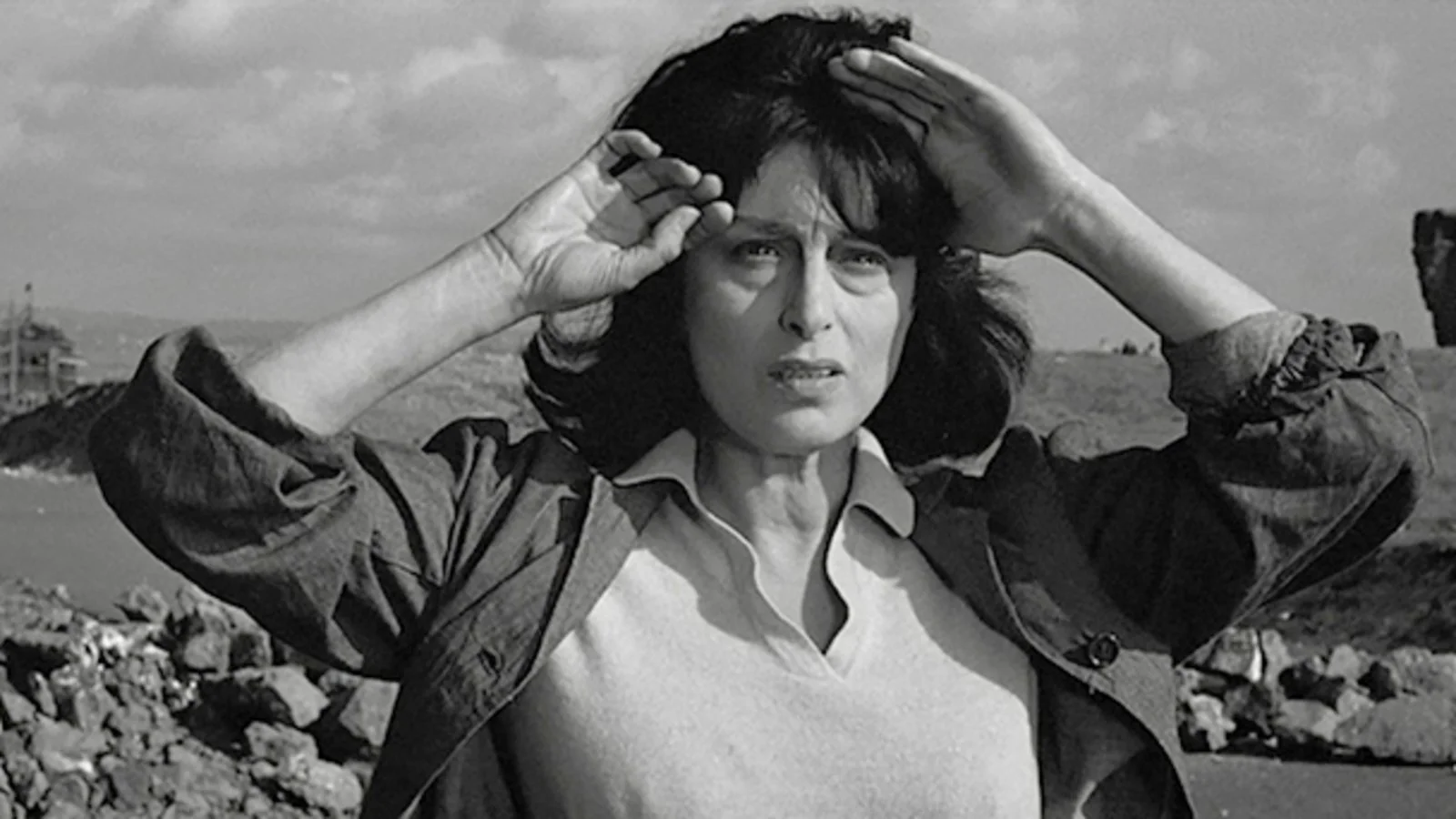
Mamma Roma returns to the Roman periphery of Accattone but focuses instead on a single mother and her son. The results are, naturally, more emotional than the previous; Mamma Roma is simply devastating. Though controversial for comparing a young hooligan with Christ in its final moments, Mama Roma is probably Pasolini’s most accessible film today. It expertly retrofits the tenants of Italian Neorealism with the cynical power structures of the post-WWII era. Its characters, unlike many in the Neorealist tradition, are not content to wallow in their squalor. They have aspirations for a comfortable life, but their attempts end in tragedy.
Though bleak, Mamma Roma contains moments of incredible beauty—of tender motherly love and sophisticated interpersonal relations. It is a film of extreme optimism and cynicism. And it sees Pasolini’s view of the subproletariat fully developed, modeled in three dimensions and ripe with drama.
4. Arabian Nights (1974)
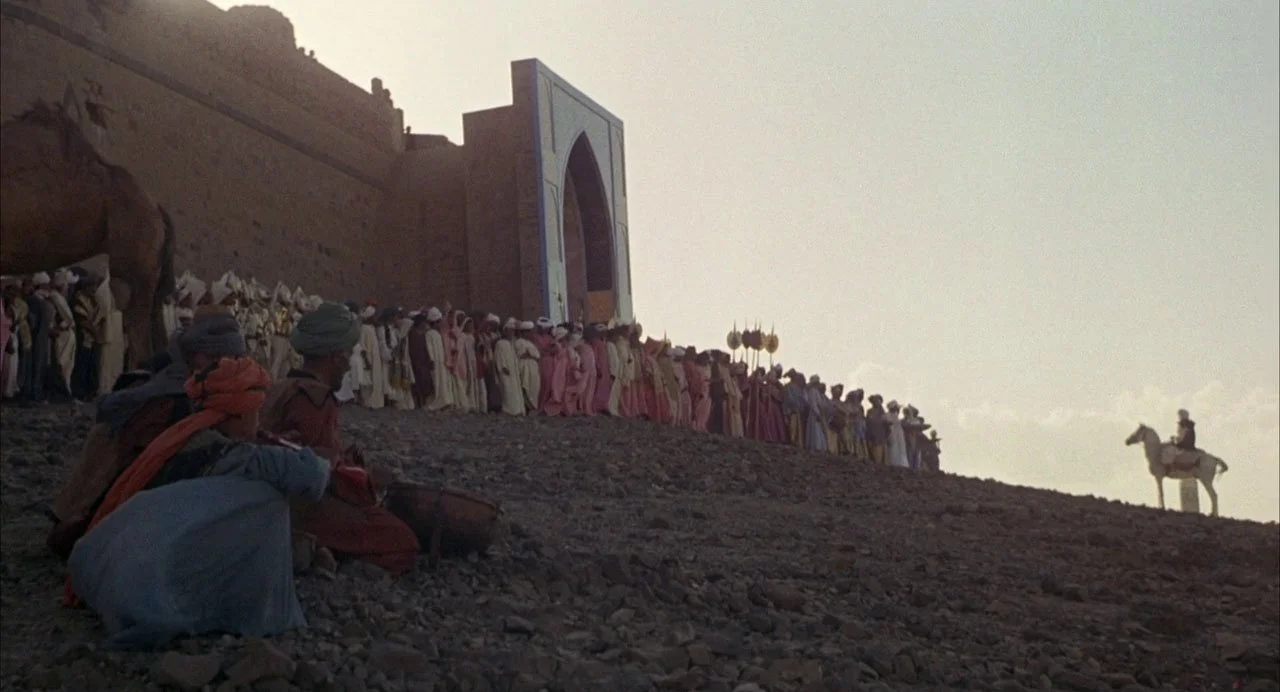
The final film in Pasolini’s Trilogy of Life, Arabian Nights is distinct from the others, both because of its source material, itself divorced from the western Medieval tradition, and its unique aesthetic. Pasolini combines many of his long-standing thematic instruments: Myth, the aesthetics of Third World, precapitalist society, and laissez-faire sex. Arabian Nights is bigger, more colorful, and more sprawling than any of Pasolini’s other films. It is necessarily episodic (that comes from the text), but instead of shoring the fault lines, Pasolini embellishes them. The “protagonist” is absent for much of the middle of the film—his journey is repeatedly derailed by the appearance of new characters and locations.
Its disregard for structure actually makes Arabian Nights more joyous. Despite depictions of violence and torture, the film frequently emphasizes the imaginative and symbolic potential of the stories. Like a lurid dream, the film skips from episode to episode, concerned chiefly with affect. It is a complex and vital film and unequivocally one of Pasolini’s best.
3. The Decameron (1971)
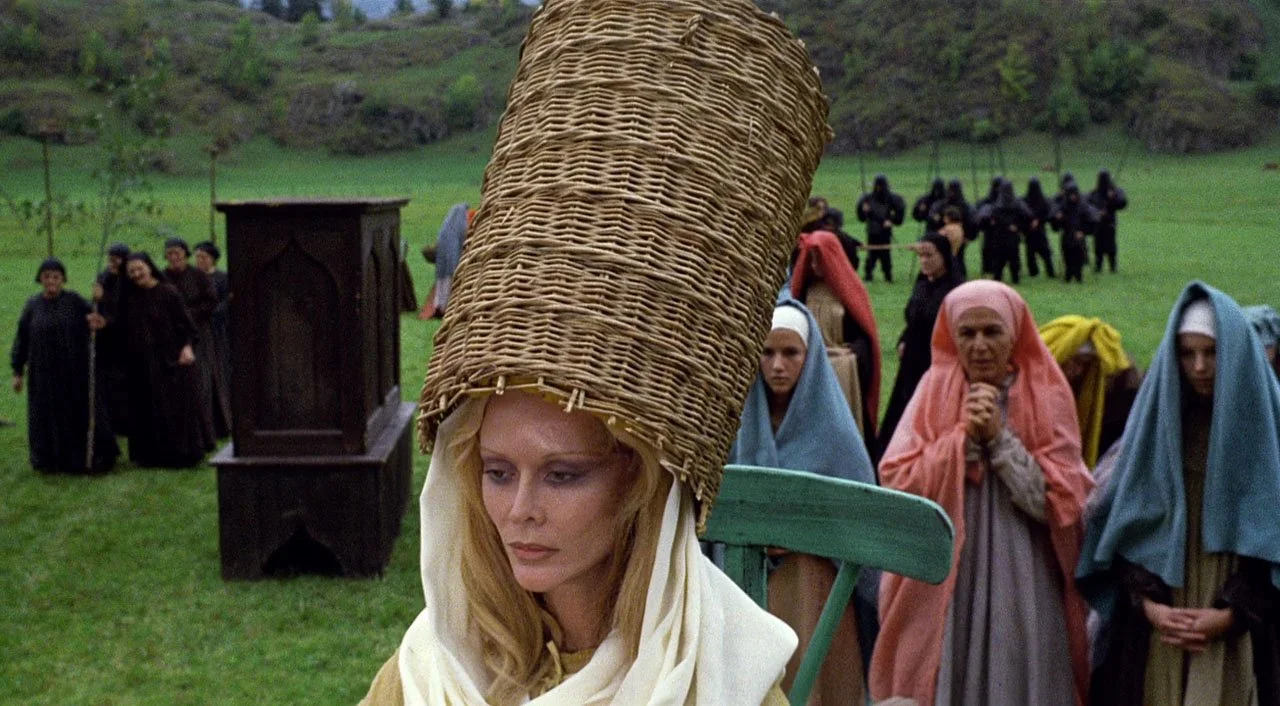
The first entry of the Trilogy of Life, The Decameron is also the most successful. Though lacking the sheer scope of Arabian Nights, it makes better use of the anthology format—and contains more compelling commentary. The humor is more deftly applied here than in The Canterbury Tales and originates from irony and situational gags, rather than cheap physical stunts. Moreover, the pacing is tighter, especially since each vignette is visually distinct, uniquely cut and composed, and intelligently situated in the bigger story.
Pasolini acts in the film himself as a student of the early Renaissance painter Giotto. His character works to complete an enormous fresco, which we see nearly finished in the film’s last scene. Unlike his self-insert in The Canterbury Tales as Chaucer, this appearance imbeds an interesting meta-critique: The artist (Pasolini) painted very little himself, given the scale of the piece, and mostly relied on his helpers from the village. These men go off drinking when the painting is finished, and the artist is left to admire the image, no longer observed by the people who made it. Art—and especially film—is collaborative. Given this, can you ever truly own what you produce? And who is it for if the real artists don’t care to look at it?
2. Teorema (1968)
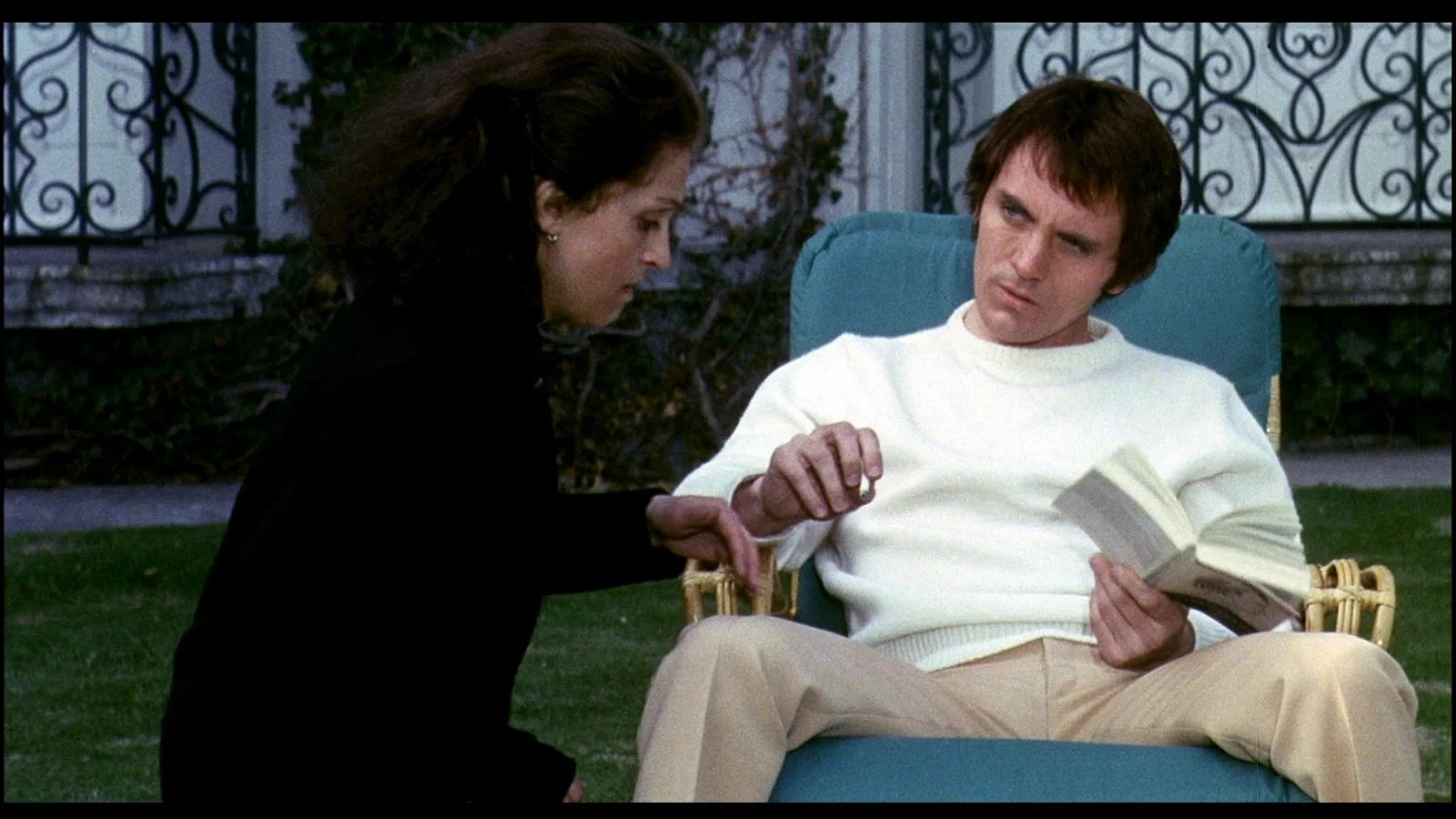
Teorema (“Theorem” in English, though the film’s title is rarely translated) is unique in Pasolini’s filmography. It does not comfortably fit into any of the larger patterns in his work—if anything it is most similar to Porcile, his least successful film to me.
Teorema is overtly allegorical: In it, a mysterious visitor (Terrence Stamp) arrives in a Milanese bourgeois household and seduces them, one-by-one. His presence upsets the social and economic relations between the members of the family (and their maid), and upon his abrupt departure, they each spiral out of control. The film seems designed to articulate the profound emptiness of the bourgeois class, that the control they exercise is really a phantom. The Visitor is not a specific or identifiable figure; rather, he represents both a kind of taboo eros and a calculating social observer.
The puzzling nature of Teorema makes it a favorite with scholars, but more importantly, it is a masterfully constructed thriller. From the opening moments, Pasolini’s command of technique is apparent. He transitions from sepia to color and from the family patriarch returning home to faux-documentary footage of workers outside his factory. We learn that this is a flash forward with the film’s ending, which is equally perfect visually and sonically. Unlike Porcile, Teorema is open-ended; no character parrots Pasolini’s thoughts and the viewer is left to interpret the remainder. But the intrigue is never dampened by the ambiguity.
1. Salò, or the 120 Days of Sodom (1975)
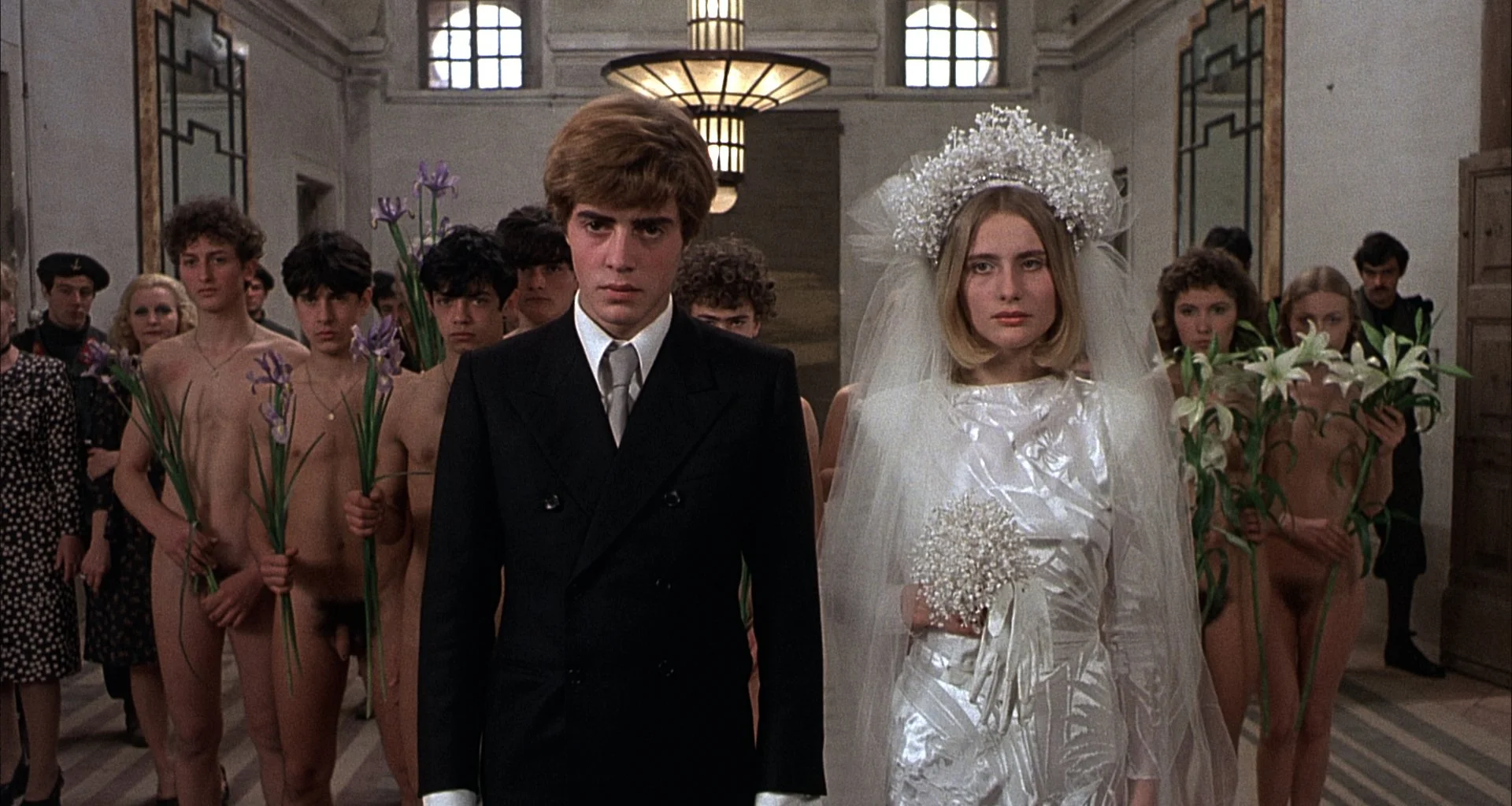
Any discussion of Pasolini inevitably returns to his swan song: Salò, or the 120 Days of Sodom. The film is at once his most acclaimed and reviled. Based loosely on the novel by the Marquis de Sade, Salò is set in fascist Italy and follows a group of libertines who abduct teenagers from the village of Salò and subject them to physical, mental, and sexual torture.
Salò is one of the most controversial films of all time. Which is perhaps the least controversial observation one could make about it. Banned in most countries upon release and something of a perverted unicorn for hardcore cinephiles until the advent of home video, Salò carries a mystique because of its subject matter and stomach-churning execution. Pasolini designed Salò to be graphic beyond consumption. Never content with the praise of the establishment, he went back on the positivity of his Trilogy of Life to craft a work of supreme brutality. Salò is an evil film; it depicts fascism at its most naked and representative—a system that reeducates the young to be bodies for the slaughter.
The skepticism with which the critical establishment views Salò (despite the considerable academic interest it has generated in the past half century) cannot be understated. I took a course on Pasolini, and Salò, the film I would probably call his opus, was optional viewing. It is my belief that Salò ought to be viewed for what it is: A work of art. In many ways, the film represents the pinnacle of Pasolini’s technical craft. The impeccable compositions, chillingly geometric to represent the standardized and industrial operation of fascism, along with the expert writing and performance distinguish it as the director’s masterwork.
Whenever it is argued (as it, tragically, frequently is today) that films are just products, I cite Salò. It is not a fringe film; it was made on a proper budget with total financing. No relevant expense was spared, and the film received a theatrical release in its native country. And yet the purpose was never to turn a profit. Salò is likewise not an exploitation film in the traditional sense. Unlike the titillating exploitation fare that the Americans were used to—which merely dared the audience to consume—Salò actively repels consumption. Perhaps there is something self-defeating about the fact that Salò can be purchased on Blu-Ray from the Criterion Collection—or streamed anywhere in the world from any number of questionable websites. But regardless of these peripheral means of distribution, it remains a noncommercial film. It is miserable by design, which is a brilliant (and brave) decision for a filmmaker to make at the height of his power and influence.
Salò was released only a few weeks after Pasolini was killed. And as a result, it is hard not to read the film under that grim context. Salò bears the stench of death. It is wicked and vile—and also one of the greatest films ever made.
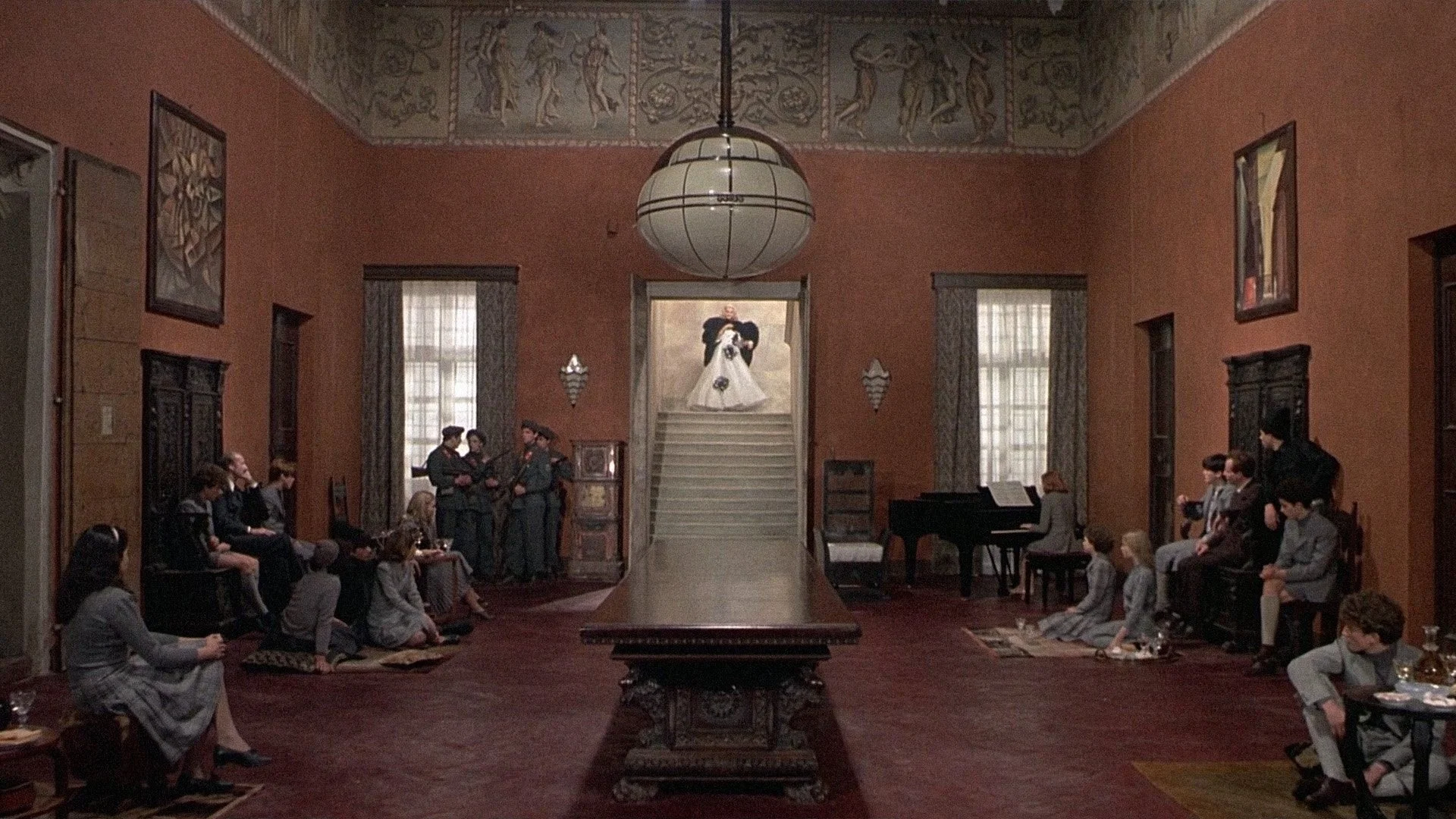
Pier Paolo Pasolini’s filmography is incomplete. Many of his most compelling ideas never made it to the screen, and indeed, he was working on several film projects at the time of his death. Like an ancient writer whose corpus must be reconstructed from fragments, the real Pasolini resides imperfectly in his films. But even still, his unique and fearless character emerges in every one.
Popular Reviews