A Brief Defense of "Wuthering Heights"
Court of Literary Judgment
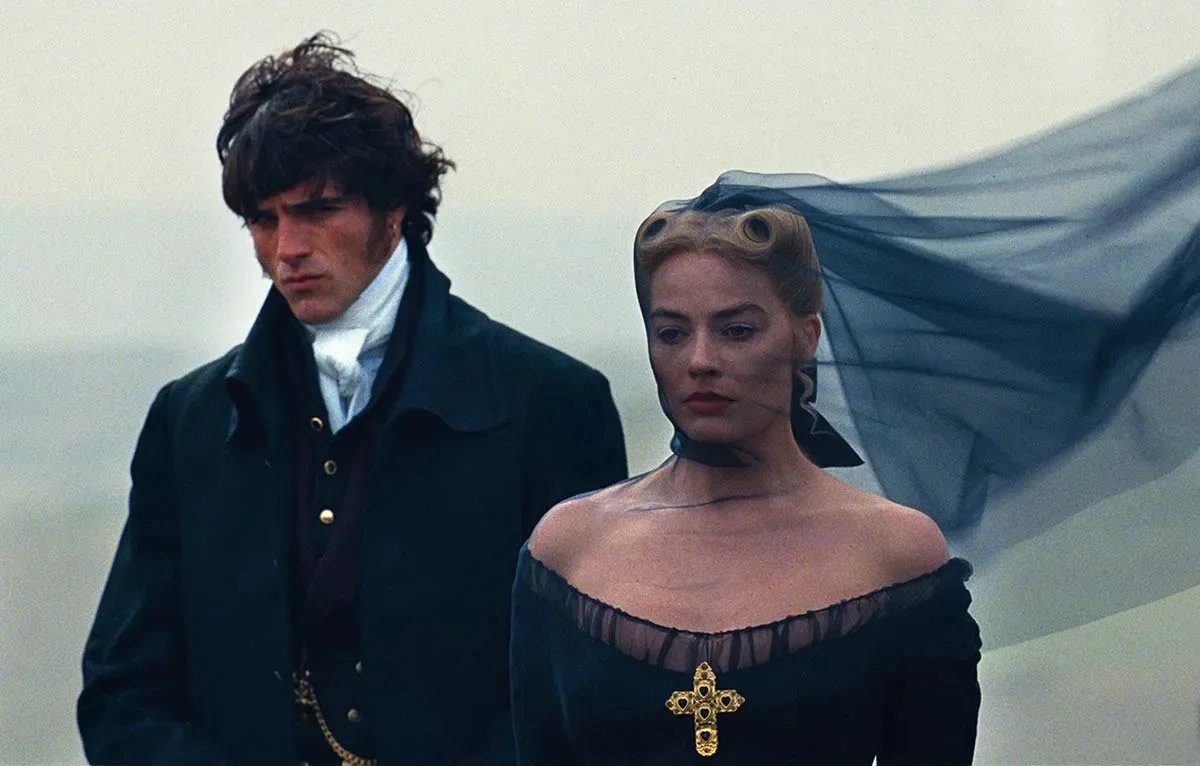
Case No. 2026-02: The People vs. Emerald Fennell’s “Wuthering Heights”
Charge: Artistic Malpractice
Presiding: The Honorable Judge Morah L. Istik
Court Clerk: All rise. The defendant will be represented today by an English major who has never read the book in question. Proceed.
The Honorable Judge Istik: Defendant, you may approach. State your name and qualification.
Defendant: Your honor, my name is Luke Weidemoyer. I am an English major. I have read Pride and Prejudice four times. I have an annotated copy of Evelina. I have strong opinions on Daniel Defoe and Samuel Richardson. But I have never read Wuthering Heights. Not a single page.
The Honorable Judge Istik: So you come before this court to defend an adaptation of a work you have never before read?

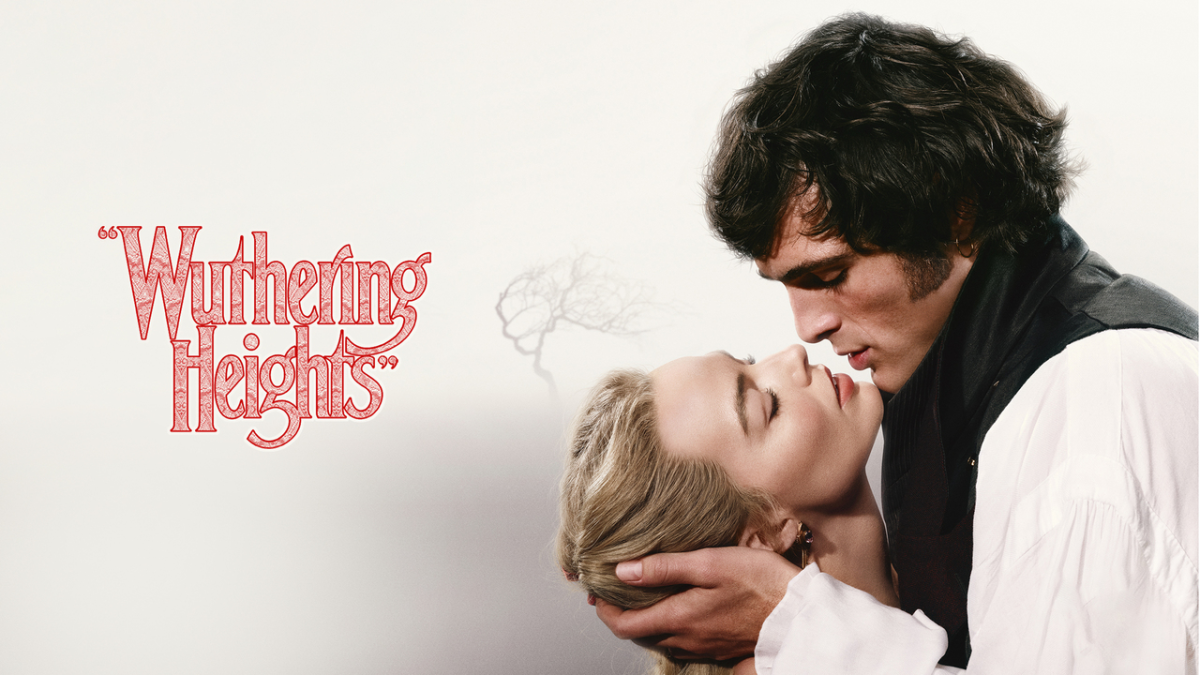
Defendant: Precisely, Your Honor. In fact, that is why I am qualified to speak. Emerald Fennell said as much herself: "The thing for me is that you can't adapt a book as dense and complicated and difficult as this book. I can't say I'm making ‘Wuthering Heights.’ It's not possible. What I can say is I'm making a version of it." She put the title in quotation marks intentionally, providing a disclaimer that this film is not the classic text. Every adaptation imposes a vision, turning the source material into something else. We don’t pretend otherwise with Shakespeare and Austen, so why do so with Brontë? Why do we treat fidelity as a legitimate metric when we know that no film can be perfectly faithful to its source, especially one as dense and jagged as a Gothic novel? The New Critics might tell us to ‘say yes to the text,’ as it stands in front of us, not how we wish it had been or as some platonic ideal of what we imagine Emily Brontë’s ghost demanding. Take Fennell’s film as it is: Big, shameless, and emotional. You don’t have to like it, but this is where we have to start. Any criticism that boils down to “But that’s not how it was in the book” can be left outside the courtroom, even the politically thorny ones and those about liberties taken with tone and atmosphere. This is not a fidelity hearing. This is a movie.
The Honorable Judge Istik: Bold opening, Defendant, if underread. The plaintiff may now proceed with their opening salvo. Know that the court has heard the quotation marks.
Plaintiff: Your Honor, the defense is hiding behind the adaptation shield. They claim that because the director added quotation marks to the title, she is immune to the charge of artistic malpractice. But let’s look at the testimony from the production. I’d like to enter Exhibit A into the record, an article from The Atlantic that captures the style-over-substance ethos of this production. The review quotes Margot Robbie from an interview with Vogue Australia: “I believe you should make movies for the people who are going to buy tickets to see the movies. It’s as simple as that. I love working with Emerald because she always prioritizes an emotional experience over a heady idea.”
The Honorable Judge Istik: “An emotional experience over a heady idea.” That sounds like a polite way of saying “We don’t want to think.”
Plaintiff: Indeed, Your Honor. The prosecution’s argument is that this film treats Brontë’s masterpiece like a TikTok trend. To quote the critic in question: “‘Wuthering Heights’ is simply giving the people what they want. And the people are twelve.”
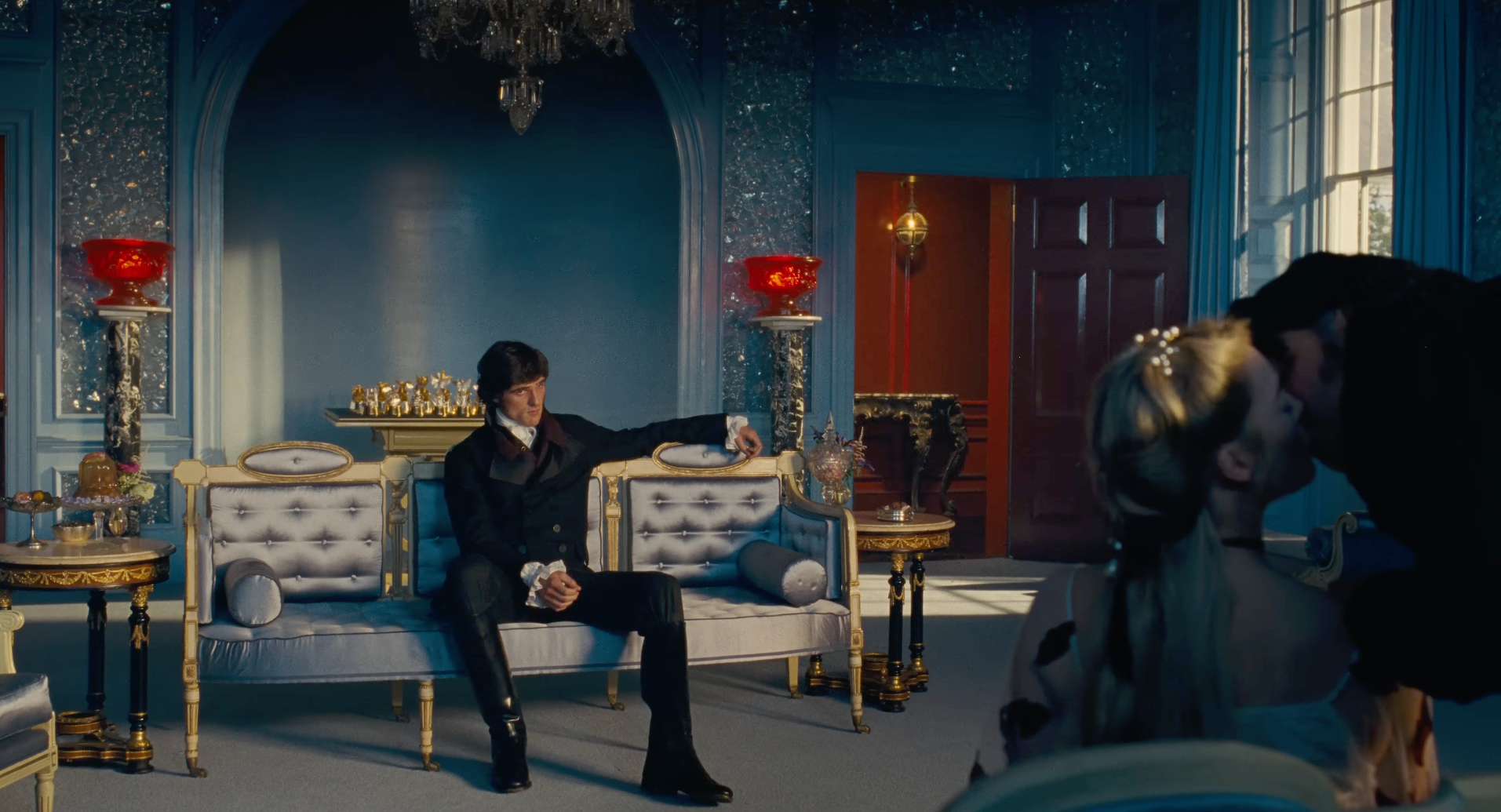
Defendant: Objection, Your Honor! This is a blatant display of elitist disdain for the general audience. Since when did fun become a felony?
Plaintiff: It’s about the erasure of depth. The critic argues that by stripping the heady ideas of obsession and class warfare, you’re left with a perfume commercial featuring two very attractive people.
Defendant: I have read the article you refer to and wish to point out that the very same author admits a double standard; they acknowledge that men are allowed to make “big, unserious epics” all the time without being hauled into court. But the moment a woman decides to make one, she is met with the demand that her work must be a Statement.
Plaintiff: So, your defense is that men get to be mediocre, so women should too?
Defendant: My defense is that in these - and I apologize to the court - fucked-up times, why must we be so hostile to a film just because it doesn’t remind us how much the world sucks? No one is claiming this movie is a masterpiece for the ages, but does every piece of art need to be a grueling exercise in critical consciousness?
The Honorable Judge Istik: Order! The Defendant makes a compelling point regarding the gendered burden of significance, but the Plaintiff suggests that emotional experience is being used as a mask for intellectual laziness. Well, if the Court is to decide whether this is good art, we must determine if the emotional experience offered is an honest one or merely a mimicry designed to sell tickets to those who find the Victorian era ‘aesthetic.’
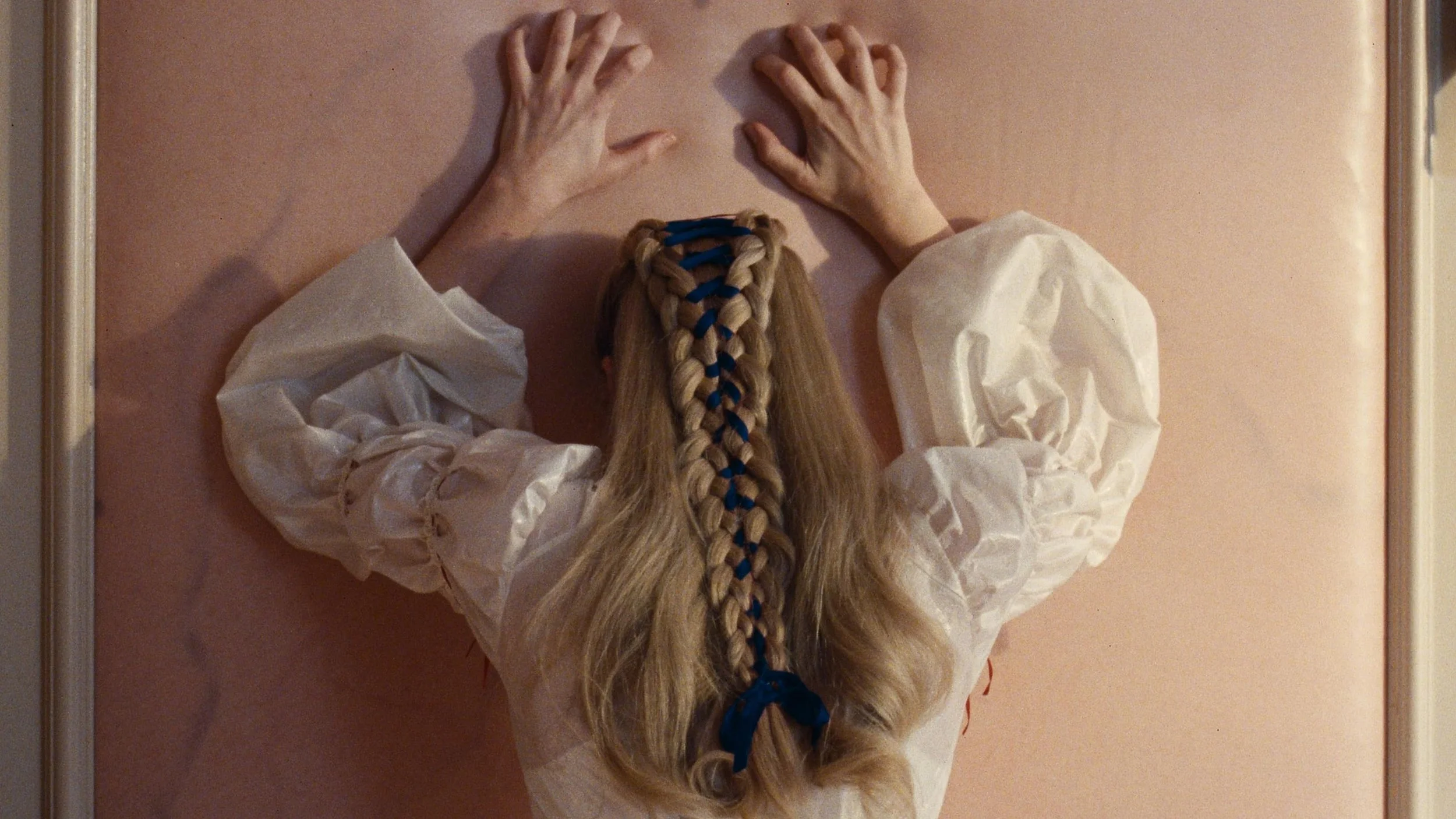
Plaintiff: It is the latter, Your Honor! This film takes a classic piece of literature and turns it into a horny mess for adolescents and young adults who still haven’t gotten over BRAT Summer. It strips away the profound themes of law and generational rot to focus on skin and sweat.
Defendant: Get over yourself, Counsel! If we’re playing this game, I might note that, even from a cursory glance, the book is considerably more perverse than many would like to admit. We’re talking about incestuous undertones and suggested necrophilia. Brontë certainly wasn’t writing a Sunday School lesson.
Plaintiff: There is a difference between the dark Eros of the original and the sanitized eroticism of this adaptation.
Defendant: Is there? Because this seems symptomatic of a general disdainment for sex in movies today. We’ve become so obsessed with purity that when a director leans into the messy heat of a story, we cry foul because it isn’t heady enough. One criticism I will tolerate from the prosecution, though, is that it did not click with you. Of course, that would require the Counsel to admit that art is subjective, which I doubt will be conceded, But that’s fine. Taste is subjective, of course. Just don’t dress up your personal boredom as a moral crusade.
Plaintiff: It isn’t boredom! It’s a defense of the soul of the work!
Defendant: This is melodrama, through and through, Your Honor. It is shameless in its attempts to make you shed a tear. It’s grand and it’s loud, and if you did not cry, then the film failed for you. But it worked for me, and it worked for the “twelve-year-olds” the Plaintiff so clearly despises. Since when did we decide that the only way to respect the canon was to make it boring?
The Honorable Judge Istik: The court will take a recess to consider the arguments.
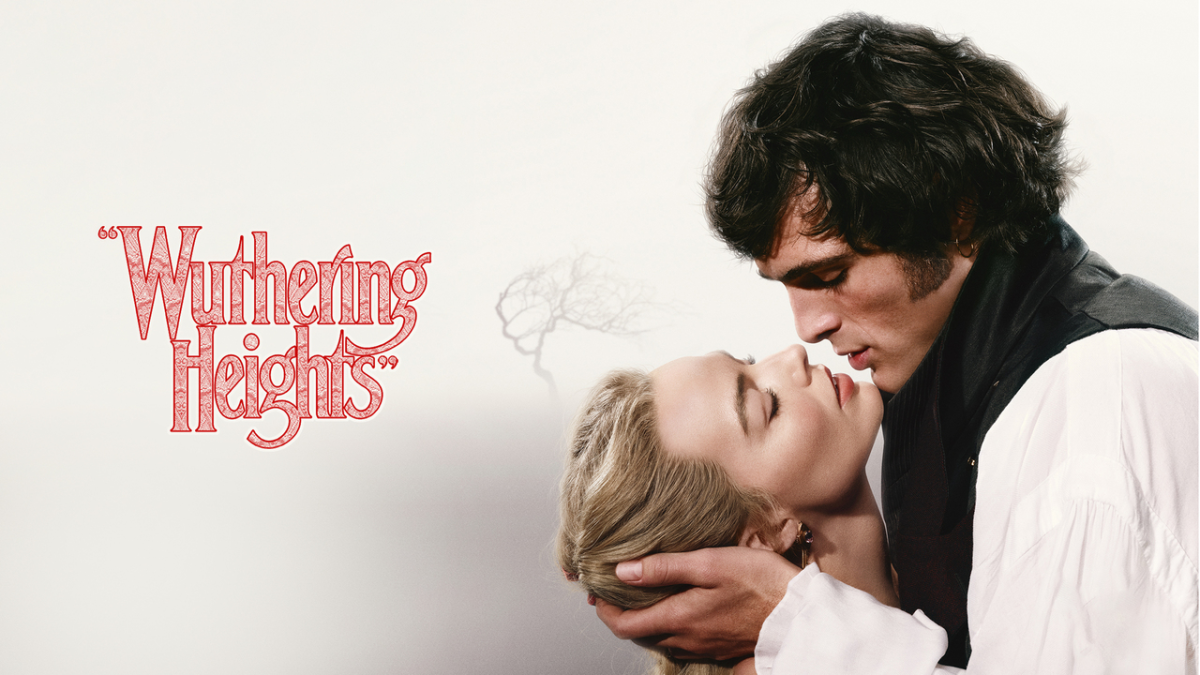
The Honorable Judge Istik: After reviewing the arguments, the Court finds the Defendant not guilty of artistic malpractice.
Plaintiff: Your Honor, you cannot be serious! This is a betrayal of the entire Western canon!
The Honorable Judge Istik: Sit down, Counsel. The court finds that the Defendant’s arguments hold water. By explicitly stating that she is making a “version” rather than a one-to-one adaptation, Emerald Fennell has avoided the charge of fraud. Art is living, breathing, and horny. It is not a museum where each piece remains untouched behind velvet ropes. If we punish every director who takes a new stance towards their subject, we’d never have an original idea again. The Defendant is free to go.
Defendant: Thank you, Your Honor. I suppose the court finally agrees with Roland Barthes’s claim that “The author is dead!” Sixty years late isn’t too bad, I suppose.
Popular Reviews