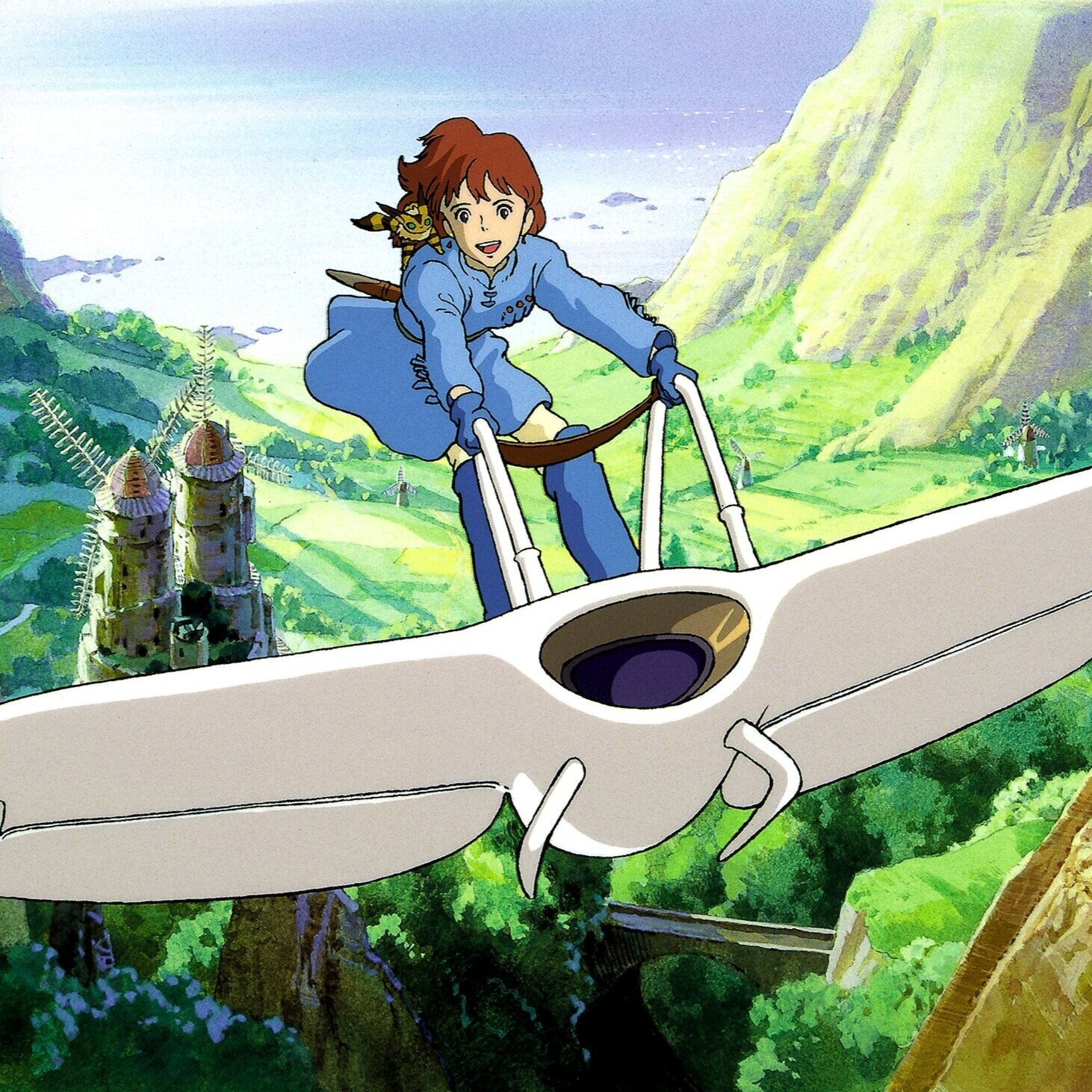
Throughout the decades, Hayao Miyazaki–co-founder of Japan’s famed Studio Ghibli–has gifted us masterpieces like My Neighbor Totoro, Kiki’s Delivery Service, Spirited Away, and Howl’s Moving Castle, among many others. These movies were the quintessential gateway into animation for most millennial kids and are now considered a cultural staple for Gen Z. These playful, imaginative fables include bright-eyed, adaptable female protagonists who navigate through magical realms designed to foster emotional growth, bright-eyed and adaptable female protagonists who navigate external conflicts resolved through balance, and morally grey figures driven by human self-preservation rather than pure malice. Even amid environmental decay and human greed, classic Ghibli offered a comforting ending: Balance can be restored, nature and humanity can coexist, and innocence can cleanse a fractured world.
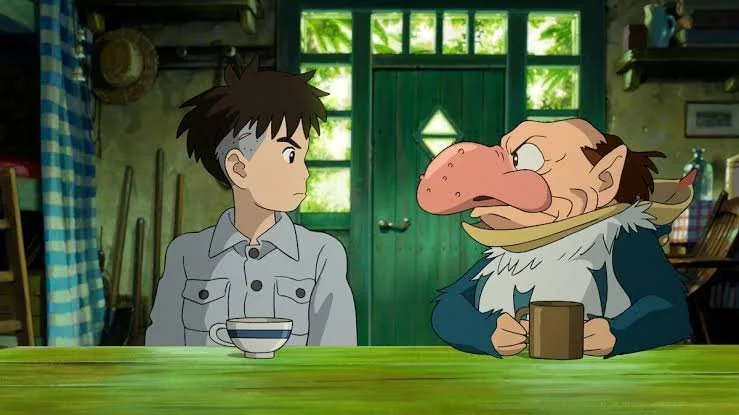
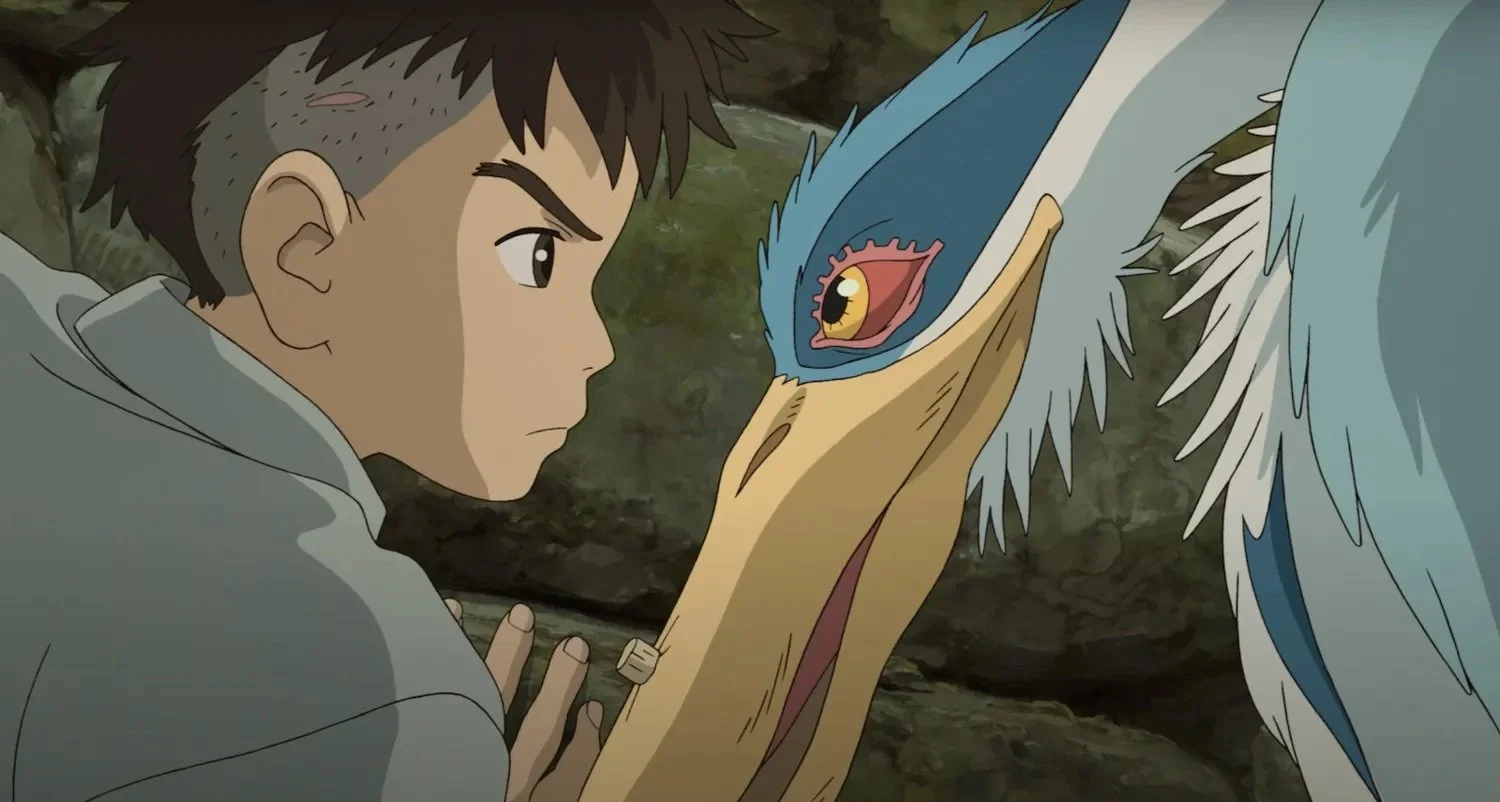
Yet with Miyazaki’s The Boy and the Heron, everything we have come to trust in Ghibli movies is turned upside down. Rather than returning to comforting magic, Miyazaki delivers a deeply personal, dark, self-reflective interrogation of his own career. He moves away from the enchanting escapism that defined his peak eras, turning toward a darker view of society and making the viewer question whether art can truly fix a broken world.
In his classic period, Miyazaki told stories about a female protagonist, typically with a happy ending: She always solves her problem, usually created by a morally grey villain. In Spirited Away, Chihiro enters a spirit world, but her journey is defined more by her courage, perseverance, and ultimate redemption than by the world's magic. The world is ultimately structured as a site of moral instruction. Even the spirits and witches, from Yubaba to No-Face (Kaonashi) to Madame Suliman in Howl’s Moving Castle, operate under recognizable human motivations. Even when Nature suffers from human violence, as in Princess Mononoke and Nausicaä, the narrative insists on a cyclical restoration of that balance.
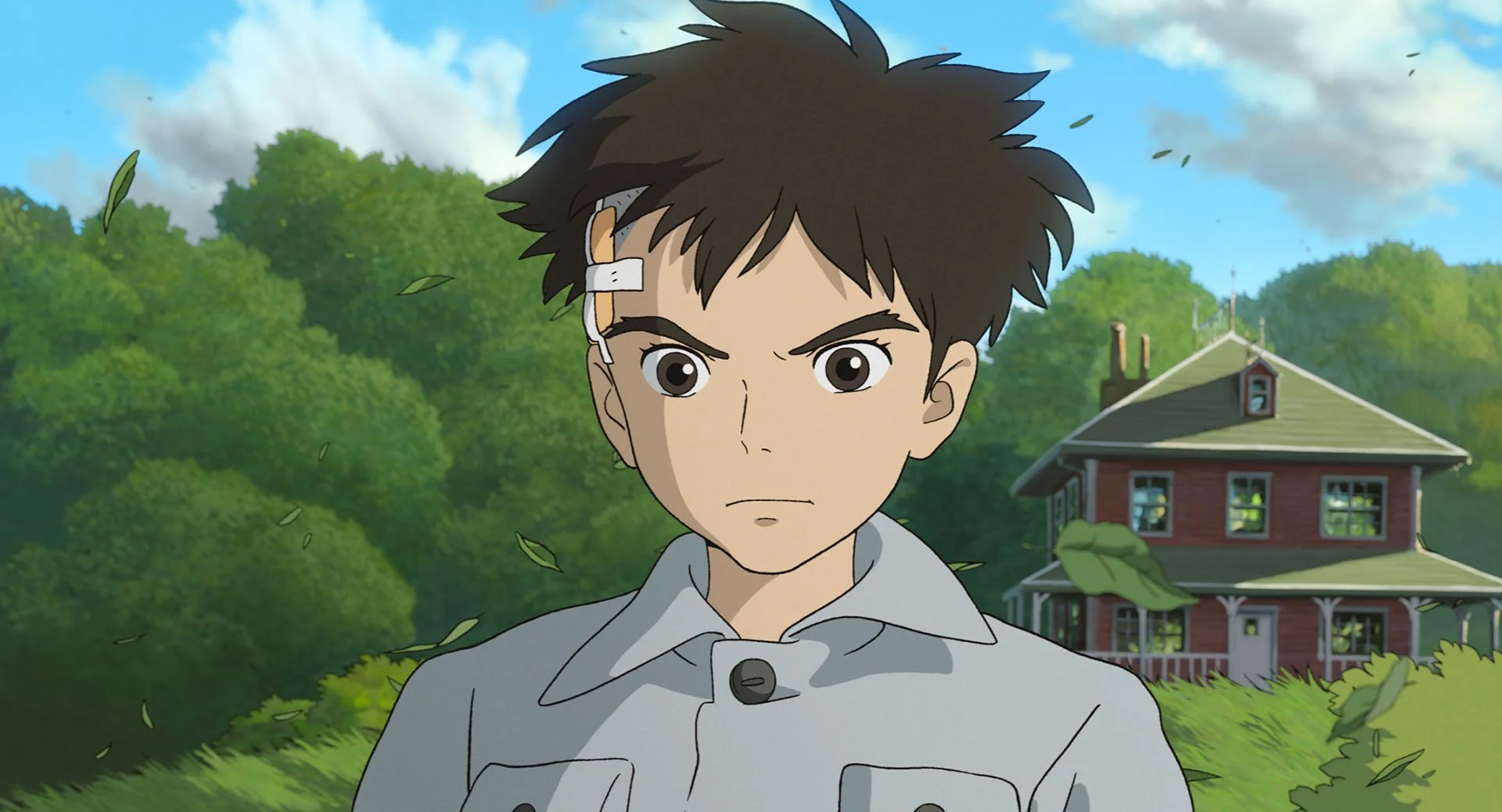
In The Boy and the Heron, however, Miyazaki abandons this balance and instead creates a surreal dreamscape where the goal isn’t to save someone, as in Spirited Away, or restore balance, as in Nausicaä, but to confront unresolved trauma. We could compare Mahito’s grief to Kiki’s Delivery Service, where Kki loses her powers due to depression and must rediscover her purpose. However, Kiki’s struggle is softened by the warmth of her supportive companions like Ursula and Osono. In contrast, Mojito’s journey offers no such comforting relief. Still, we can't fully rely on anything in this film, as it can feel confusing and disorienting if you don't watch it with an open mind. The film’s protagonist, Mahito, is not a buoyant, inquisitive heroine like Kiki or Satsuki. He is a grieving boy hollowed out by WWII air raids, the death of his mother, and a self-inflicted head wound meant to punish himself and manipulate those around him. When Mahito crosses into the spirit world, he finds neither Totoro’s lush, vibrant forest nor Laputa's awe-inspiring majesty. Instead, he discovers a bizarre, decaying realm built by his Great-Granduncle, an aging, god-like architect desperately stacking pristine, uncorrupted building blocks to maintain an artificial universe that is literally collapsing in on itself. This realm isn’t reliable; unlike other films, we don’t know the rules of magic, leaving viewers uncertain for the entire runtime, wondering what could happen next. This could be Miyazaki’s last and most personal feature, which may explain why he doesn’t feel the need to explain or please the audience. The movie is meant to be jarring. It shifts between settings: Wartime Japan, an old estate, a mysterious tower hole, a pelican-dominated maritime wasteland, a fiery kitchen run by older women and parakeets, and a cosmic flying stone. Written this way, it’s easy to see why the film can feel so surreal and bewildering!
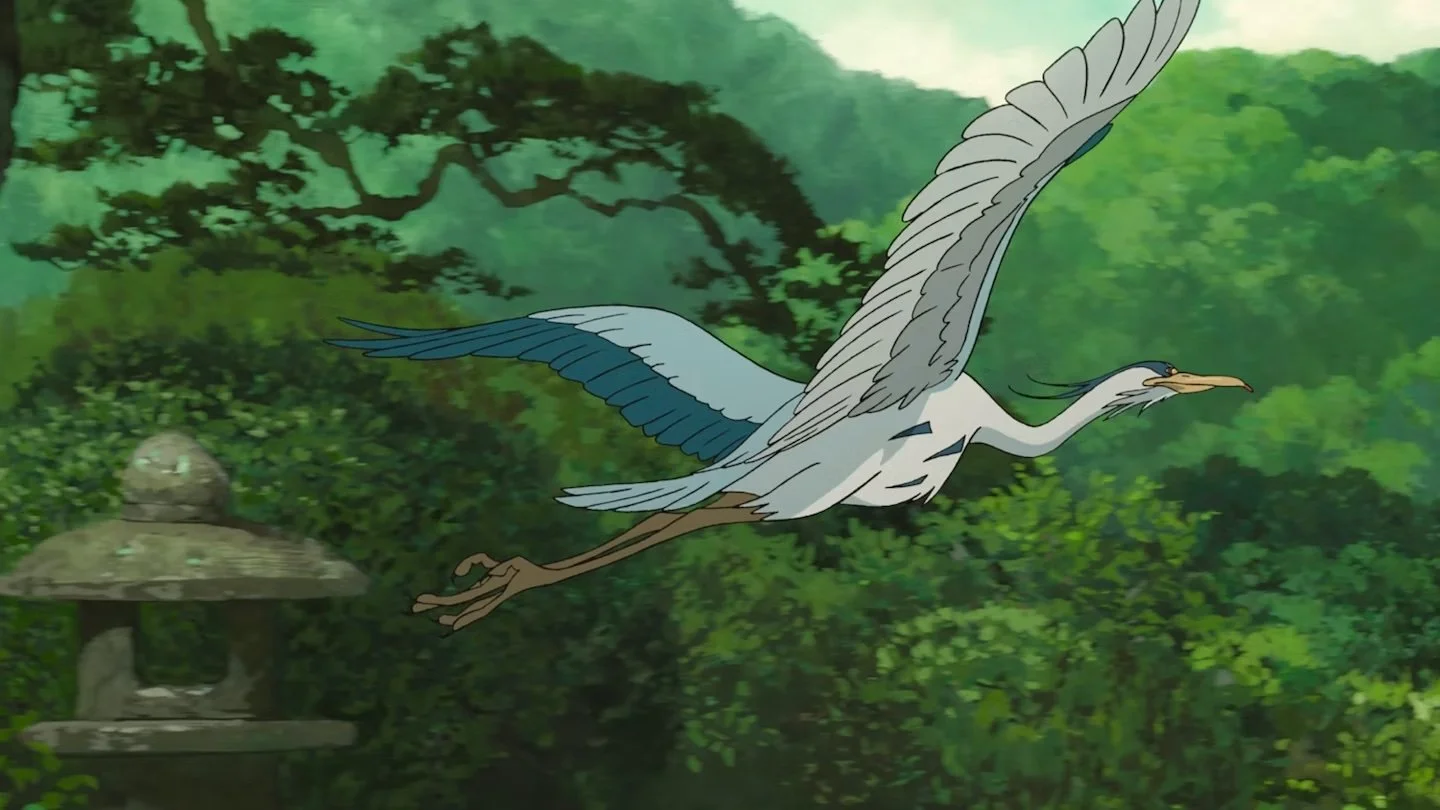
The Great-Granduncle realizes that his utopian world cannot survive his own departure. Grotesque, militaristic parakeets and a monstrous Grey Heron embody this decay, their deceitful guidance mirroring the absurdity and ugliness of a dying mind. When the Great-Granduncle offers Mahito the chance to take over the tower, inherit his pristine blocks, and keep on building a world free from malice, Mahito refuses. Pointing to his own head, Mahito admits that he, too, carries malice, trauma, and imperfection. He chooses to return to a flawed, war-torn reality rather than hide in his predecessor’s dying fantasy.
This scene represents Miyazaki’s final thesis and is the biggest departure from his classic era and Ghibli. While classic Ghibli films offer art and reassurance, The Boy and the Heron mourns that no fantasy world can replace the real one, no matter how flawed and painful it may be. This is one of the few Ghibli movies that leave you with a bittersweet ending. We Ghibli fans tend to highlight the beauty of the classics, ignoring the ones that left us feeling empty, like The Wind Rises and Isao Takahata’s devastating WWII film, Grave of the Fireflies. Miyazaki faces the viewers and confesses that his legendary films were temporary shelters from the real world. Returning from retirement to create what may become his last cinematic statement, the 83-year-old artist projects himself through the figure of the Great-Granduncle. This aging creator finds himself left alone with doubts about who will carry on his legacy. Rooted in Miyazaki’s childhood memories of wartime Japan, the tower’s collapse mirrors his real-life fate with his life’s work. By turning our exhilarating fantasy to dust at the end of the film, Miyazaki shows us that the tower must fall and that our generation must start living in this world, scars and all.
Popular Reviews