Review: A Quiet Place

Horror is a strange and sometimes frustrating genre of film. It’s probably the hardest to get right, since, if the story and characters aren’t believable, then it’s hard to get fully immersed in the atmosphere and be scared by the events happening on screen. Bad horror movies are a nitpicker’s dream, and a lot of people find joy in pointing out the characters’ stupid decisions and detailing how illogical the film’s scenarios are, particularly with friends. When horror films work, on the other hand, they can reveal humanity’s hidden or repressed anxieties to the viewer better than any other genre can, keeping viewers up late at night as they hope to never experience what the characters just did. Hence, whenever I hear about an upcoming, well-advertised horror movie, I tend to get excited, even if it doesn’t seem like a deep or complicated experience – sometimes, just being scared is enough for me. This is how I felt watching the trailer for A Quiet Place. Ultimately, the film somewhat lived up to the trailer, though I believe the sum of its parts was much greater than the whole.
For context, A Quiet Place is set in world where aliens who are very sensitive to sound have invaded Earth. As a result, the surviving humans have to stay as silent as possible. The film focuses on a rural American family’s experiences living in this world, and the measures they take to remain quiet in their everyday lives. Specific scenes of A Quiet Place are quite phenomenal, making fantastic use of music, cinematography, and silent acting to further emphasize the tension of the situation. Every loud noise made in the film immediately dials up the tension, and while I wasn’t necessarily scared all the time, I was anxiously eating my popcorn and hoping the characters survive throughout the majority of the film. It helps that the monsters themselves are brought to life with great special effects and fantastic designs. I really liked how there was close to no spoken dialogue beyond American Sign Language, so the only means of endearing the audience to the characters is through facial expressions and actions, which the actors did fairly well. While specific characteristics are not portrayed, and individual names are rarely featured, I got a sense that they are a real family that’s desperately trying to survive an impossible situation, and I felt for them as a result.
Where the film falls short, in spite of its many good elements, is the actual world building and story. While the characters do make reasonable decisions most of the time, the times they don’t are very distracting and odd. I don’t want to spoil anything, but if you think about a few of the plot points in the film for too long, you start asking way too many questions, and then your overall enjoyment of the film becomes hampered. It becomes frustrating when you realize a few of these issues could have been resolved a simple shifting of dates. Without spoilers, the film begins 89 days into the invasion, and then there’s a time skip to around 480 days into the invasion. If the film had begun more like 30-40 days into the invasion, and then skipped to around 200 days, quite a few plot points would be stronger and make more sense. If this observation is confusing, my advice would be to watch the movie and then do the math. The film also runs for a bit too long, and it feels like there are three climaxes that aren’t stitched together enough to be considered a cohesive whole. It isn’t Lord of the Rings: Return of the King bad, but it’s noticeable. Additionally, the actual resolution was rather anti-climactic, and makes you wonder why the characters didn’t think of it before.
Overall, the plot holes and contrivances outweighed what was good about the movie, because they hampered my immersion into this film’s atmosphere and world. It has some amazing scenes, good acting, solid directing and music, and definitely got me tense more than a few times, but the script and plotting desperately needed some reworking. I do not recommend this film if you’re prone to nitpicking, but if you’re not, then I think you will have a good time watching A Quiet Place. Despite its flaws, the good parts are definitely worth witnessing, and I’m interested in seeing what John Krasinski does next with a better script.
More in Horror Reviews
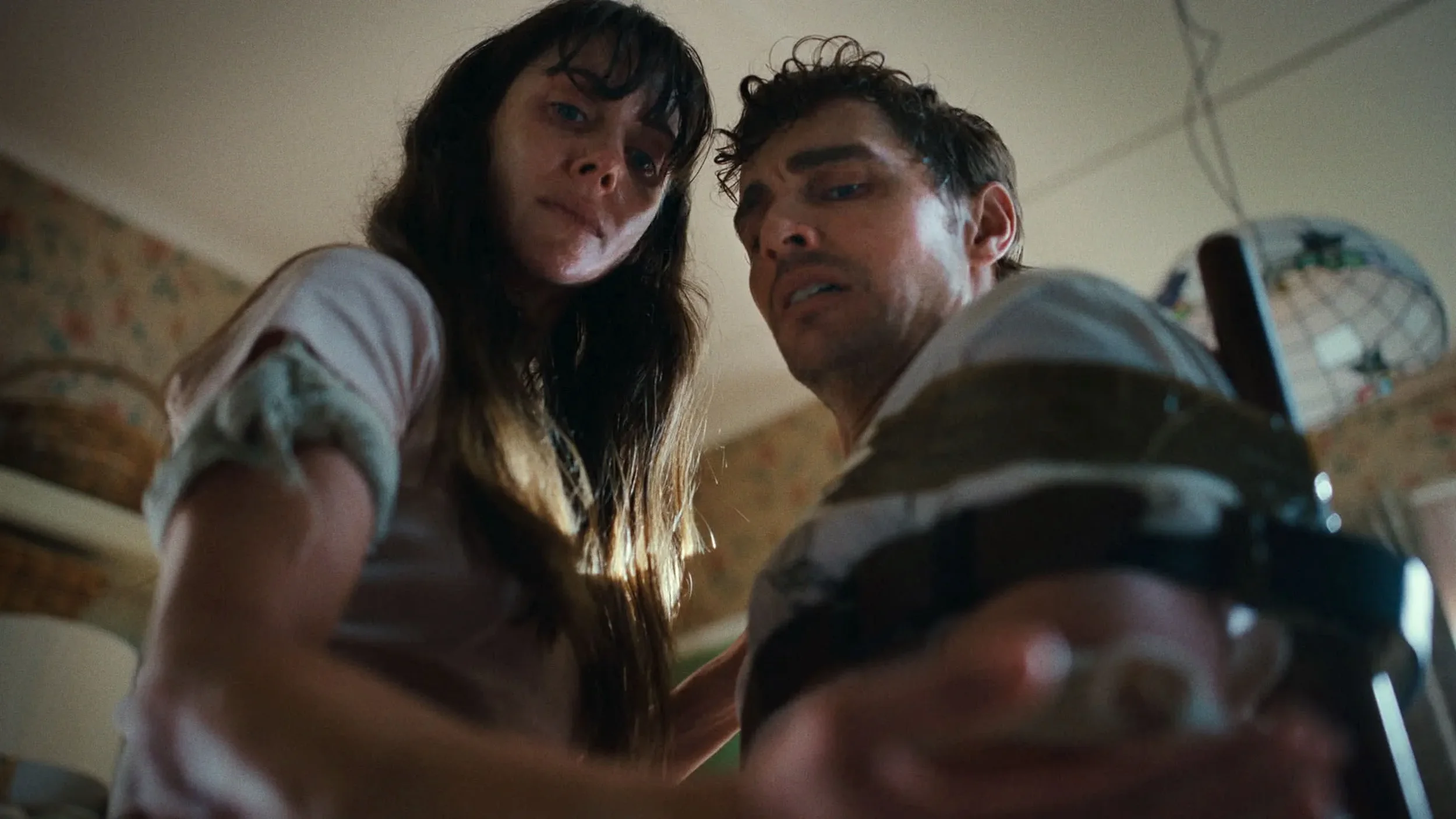
If you asked most people a few years ago who was “winning” indie horror, the answer would've been obvious: A24, of course. But between 2021 and now, something shifted. Not all at once and not always clearly, but deliberately. While A24 horror started to feel scattered, Neon built something more strategic.
What’s interesting is that Neon didn’t start with a clear horror identity at all. It was built over time, and I track that evolution in three distinct pseudo-phases: pre-Titane, post-Titane, and post-Longlegs. Each phase had a different strategy. First it was discovering talent, then experimenting with identity, and finally scaling into something that looks a lot like dominance.
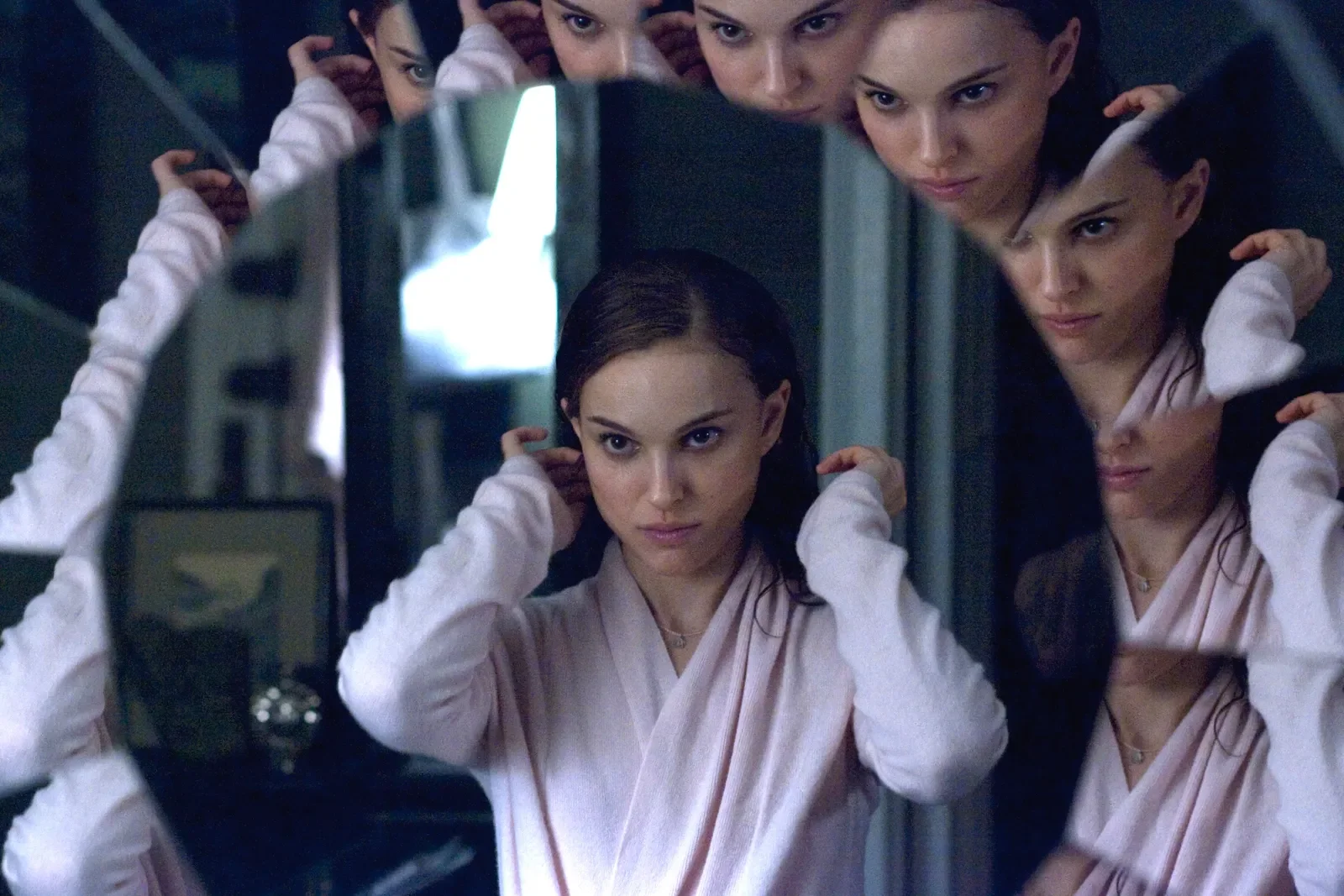
15 years ago today, Daren Aronofsky’s psychological thriller Black Swan hit theaters for the first time. The film was seen as a return to form for the director, bringing back much of the neurotic style that his infamous 2000 film Requiem for a Dream had–now dressed in the suffocating clothes of ballet instead of drug induced paranoia. In the time between these two films, Aronofsky released the oddball sci-fi film The Fountain (2006) to mixed reviews, and the quiet and candid The Wrestler (2008) to slightly better reception. Both of these films were a stark departure from Aronofsky’s Requiem for a Dream and Aronofsky’s affinity for reveling in his audience's misery. Now 15 years since its release, Black Swan has seen continued life in the misguided discourses of social media comment sections. Before I critique these discourses however, I would like to critically discuss the film detached from its legacy and reception.
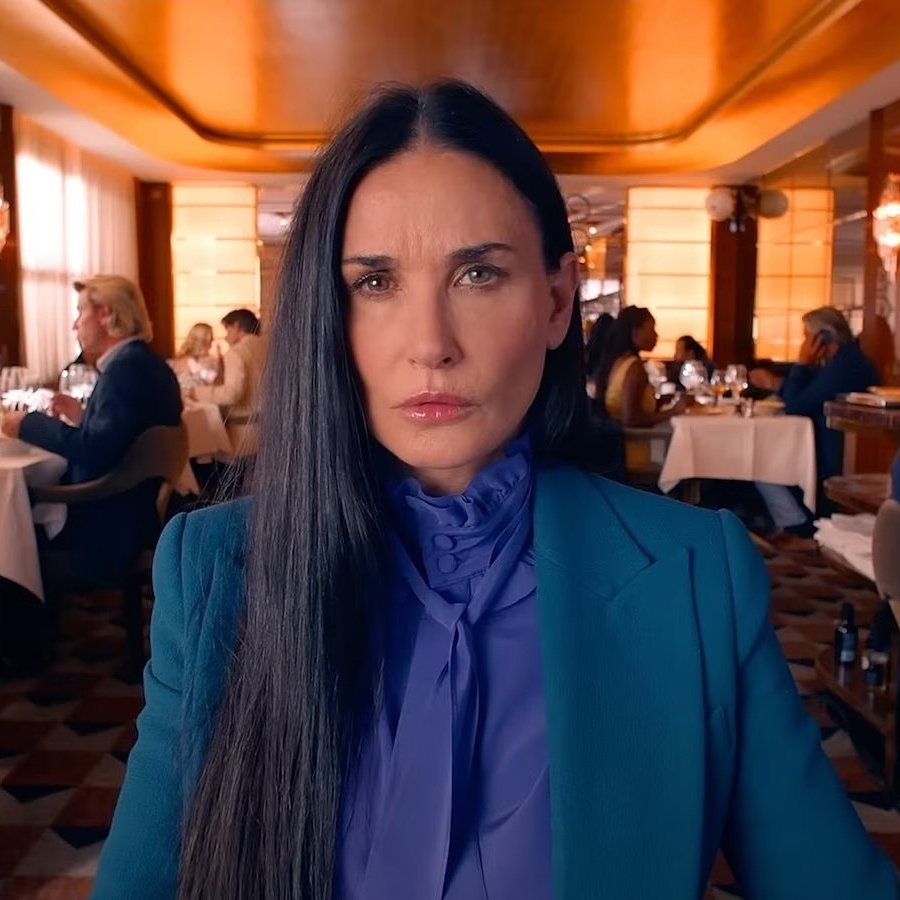
I didn’t like The Substance at first, likely because I was trying to avoid the reality that most women, indeed, are victims. That conversations around women’s bodies go beyond mere comments or jokes—they compose our being. They dictate how long others deem us worthwhile partners or employees. They tell us to spend our New Year’s at the gym instead of with our families. To spend that extra minute dawdling in front of the bathroom mirror. To gawk when we see a woman over 60 on our movie screen. And that no matter how good at your job you are, everyone is talking about your boobs.
I first argue for extending the class of common constructs for analyzing horror media to two more constructs: constraints and character responses. I then analyze horror films belonging to the Fourth Cinema, i.e. Indigenous cinema as described by Barry Barclay. I plan to argue that these films have a distinct conceptualization of these three constructs that stems from ideas about community.

There are few villains in cinema more iconic than Michael Myers. From his misshapen William Shatner mask to his trademark kitchen knife, mere suggestions of these images are enough to send chills down the spines of generations of Americans, even for those who haven’t seen the Halloween films. I’ll be honest with you from the start: I don’t like Halloween very much, but give me a chance to explain.
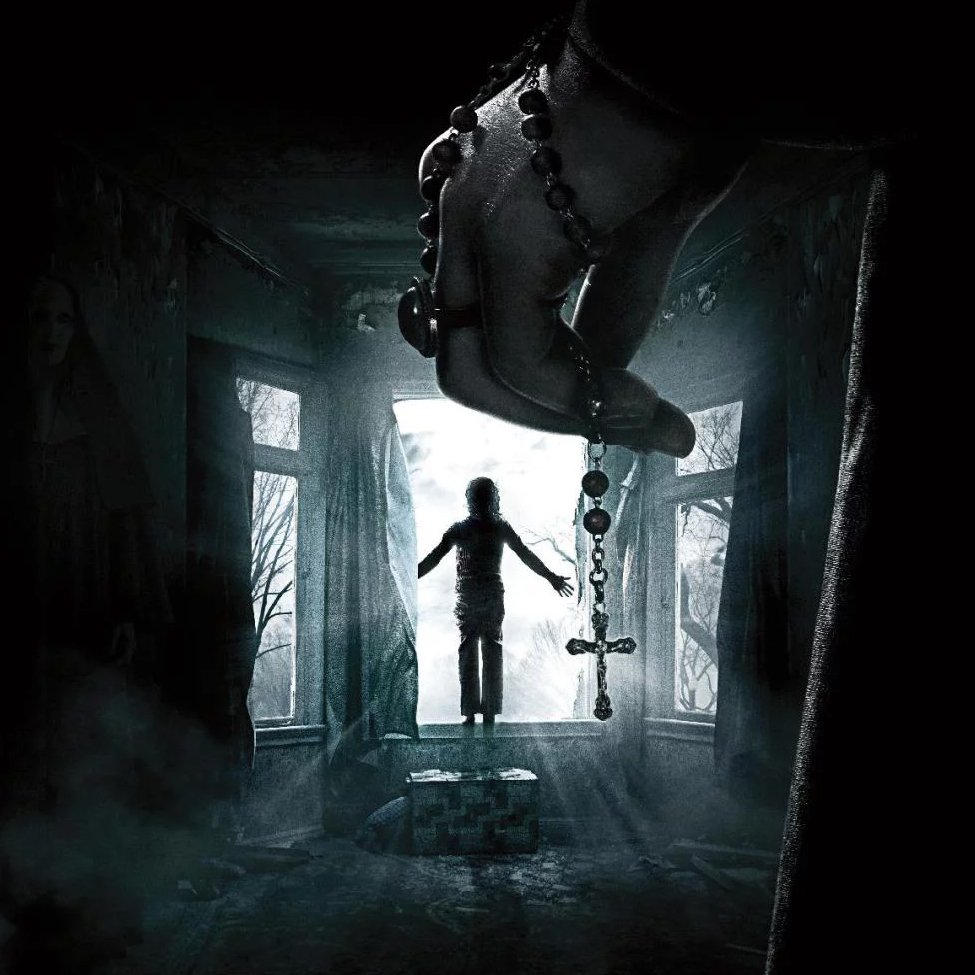

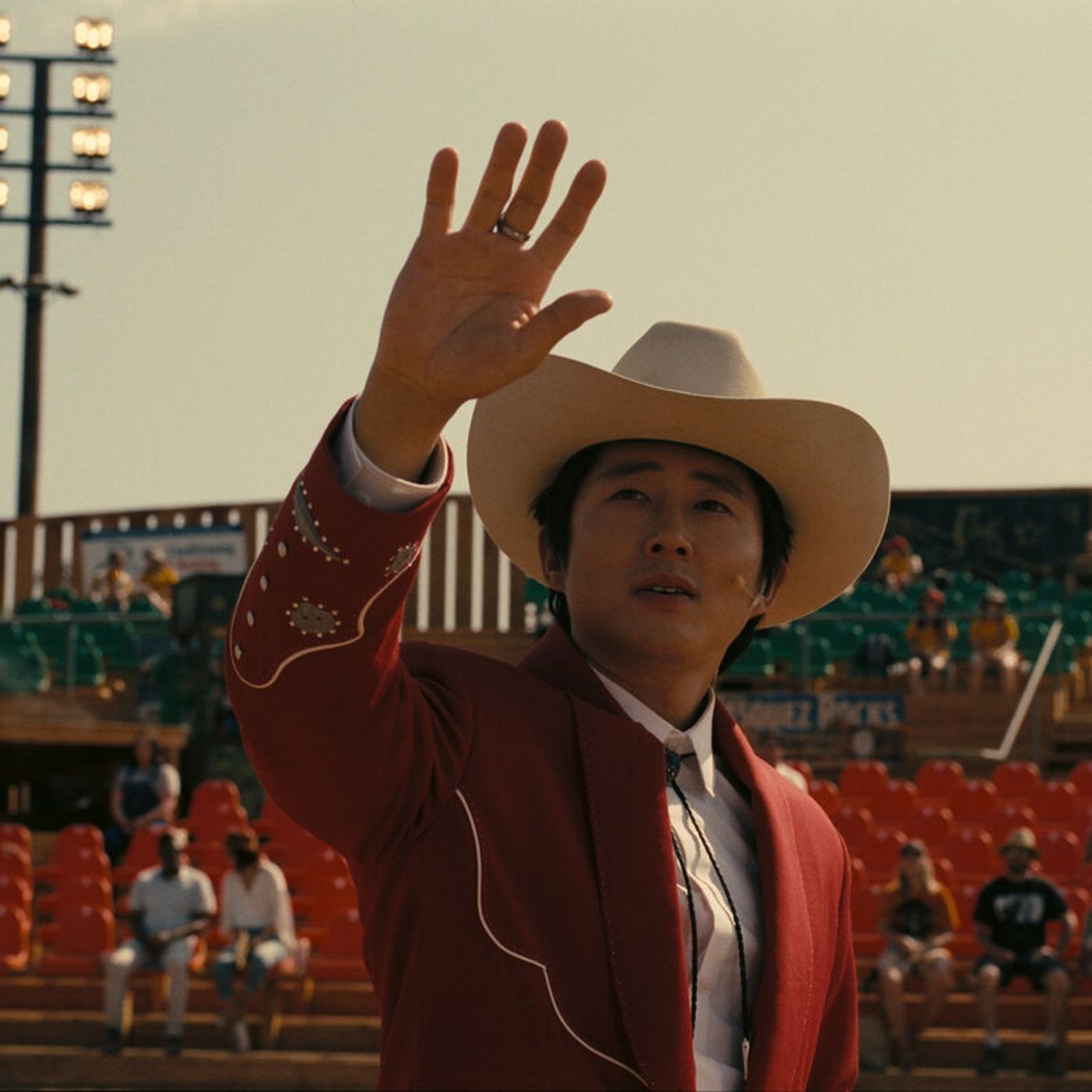
This visually striking film isn’t as scary as the trailers make it out to be, but instead it is a story about family bond, the history and importance of the black community in filmmaking, and of course, alien invasion.
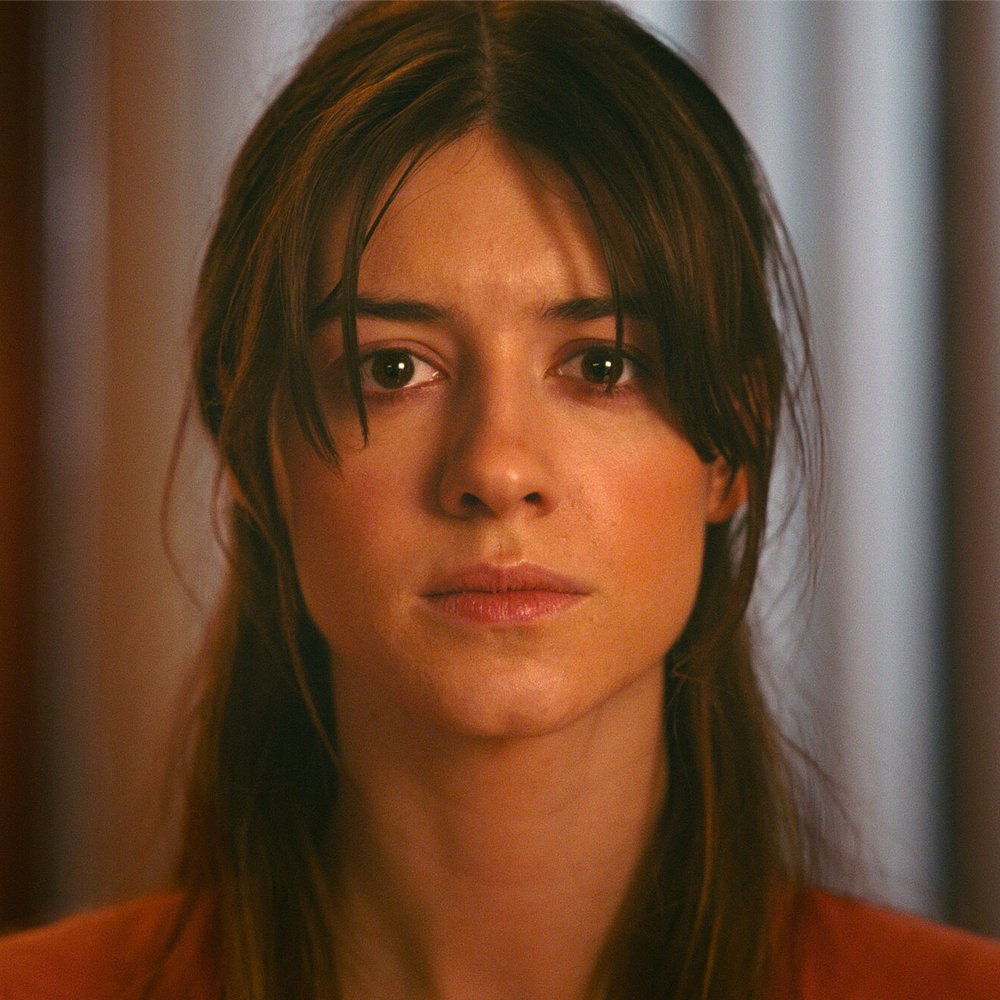
Fresh has all the ingredients to be the perfect modern thriller. It’s a black comedy about the horrors of modern dating starring Daisy Edgar-Jones and Sebastian Stan. There are plenty of mundane horrors to be had in the dating world, but Fresh ups the stakes and throws a cannibal into the dating pool.

Only the Scream franchise would introduce the word “re-quel” – a term so cinematically dense – into its already meta screenplay and premise. I expect nothing less from a series that has psycho-analyzed the totality of the horror genre while simultaneously creating its own expansive, trope-filled storyline. And in an age of tired reboots and sequels of once original and groundbreaking cinema, you would think that the new Scream would be equally as tired, especially with the franchise being in the state it was in prior to this installment. But 2022’s Scream proudly proclaims that this reboot is exactly what the franchise needed.

Of all the movies you’ve ever seen, how many of them can you specifically remember? Not just when and where you saw them, but who you were with, maybe even where you were sitting and what you chose to eat. For me there’s a lot of nostalgia tied up with doing this. I remember my life changing as a four year old being taken to see Star Wars in 1977 by my dad, as a special afternoon treat away from the hospital where I was undergoing long-term treatment for a collapsed lung.
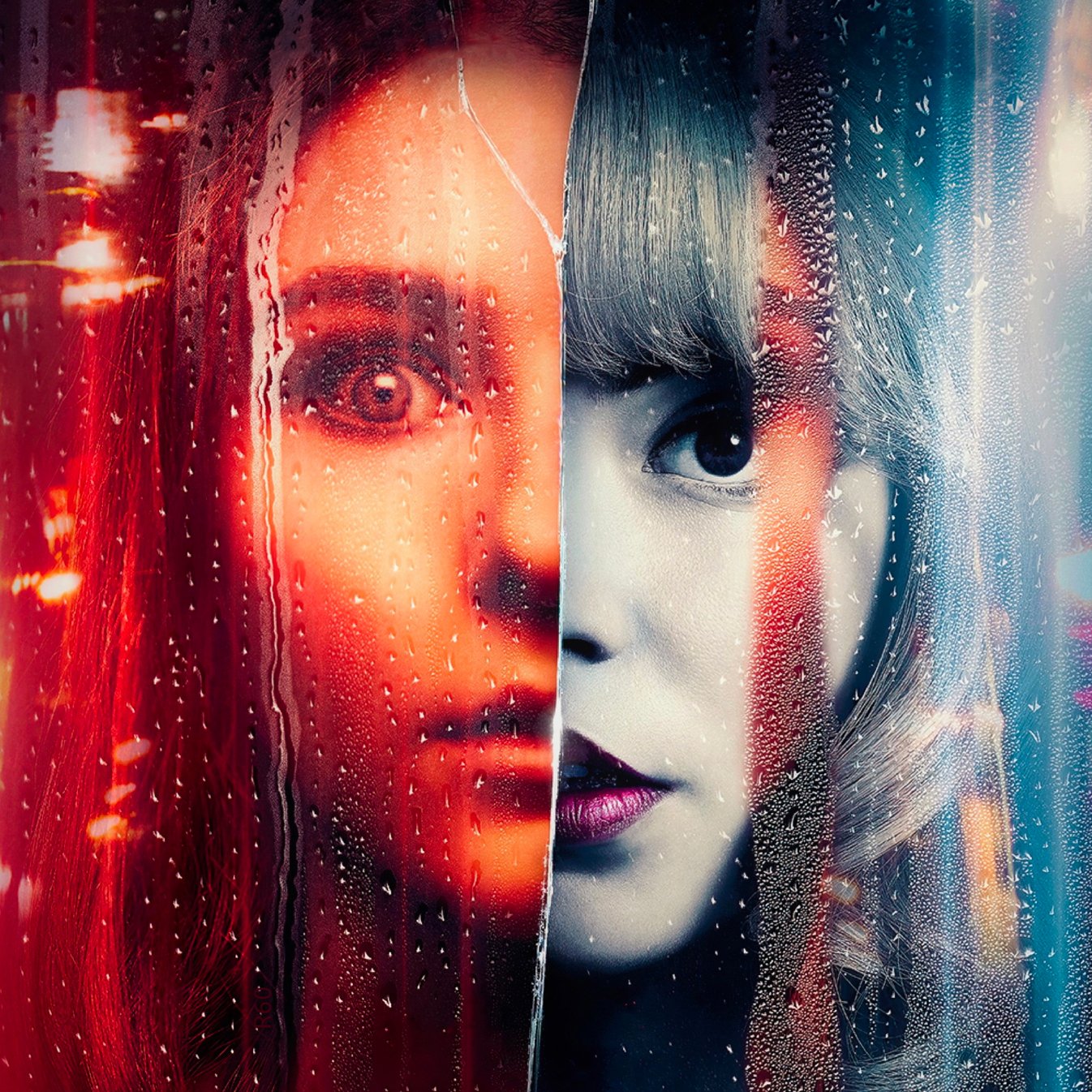
Last Night in Soho, a film directed by British filmmaker Edgar Wright, lives in between the 1960s and modern times in London, England. Starring staples of British stardom Anya-Taylor Joy (Sandie), Matt Smith (Jack), briefly Sam Claflin (Lindsey), and Thomasin McKenzie (Eloise/Ellie), this film follows the life of Eloise Turner, a young aspiring fashion designer with an infatuation with the swinging sixties of London as she navigates her extraordinary ability to body-jump into another young woman in her dreams.

When I was a kid, I used to lose myself in the Fighting Fantasy ‘choose your own adventure’ books. I’d map out the best paths through the story, making copious notes on optimal outcomes with deadly creatures trying to cut my reading short and my limbs shorter. I’d play along with dice, and unlike my reckless friends, try not to skip ahead to see if my choices were the right ones. If I died, I started over, and there was a tremendous sense of achievement in being able to successfully remember how to get to the end with one’s life intact.

What is the recipe for success for a half-hour comedy these days? Apparently, it's to take a beloved New Zealand mockumentary about vampires and adapt it to American television.
What We Do in the Shadows, helmed by Oscar-winning Taika Watiti and Jermaine Clement of the original 2014 film of the same name, is a vampire-centric mockumentary-style show entering its third season. For those unfamiliar with the show, the main premise is that a group of centuries-old vampires emigrate to Staten Island from Europe, hoping to conquer the New World, but end up just being roommates in a dilapidated manor, getting into weekly shenanigans.
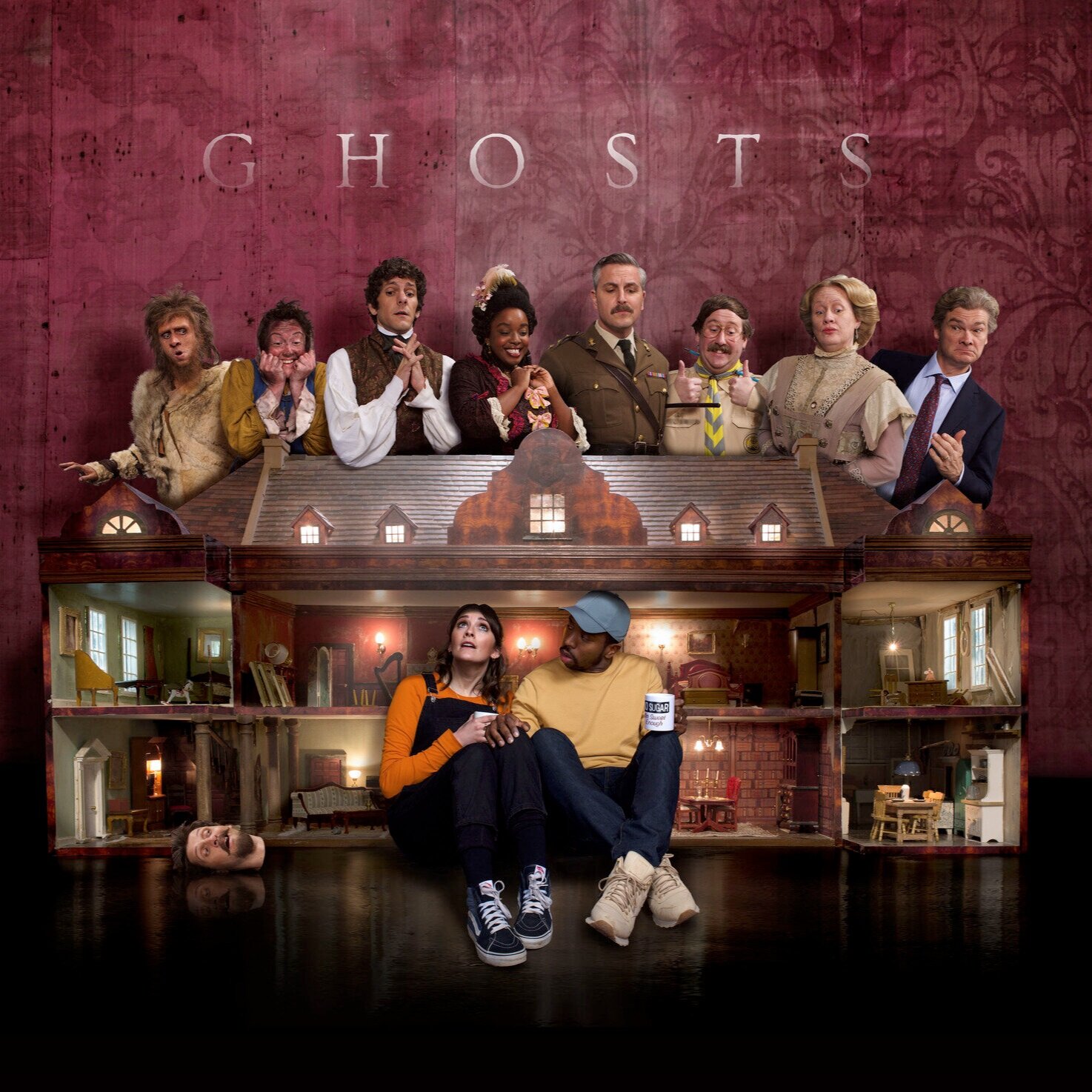
Not a fan of horror? Well, this is the perfect ghost-themed show for you. Full disclosure: I hate horror movies. Whether it’s because of the jump-scares, eerie music or avoidable bad choices made by the protagonist, horror movies have never been my style. I have, however, always been fascinated by the idea of spirits and ghosts and can’t help but ask the same question whenever I watch a horror movie: what happens to all the normal people who die? Are all ghosts really vengeful spirits or creepy kids?

I Blame Society is a terrifyingly brilliant satirical film that touches upon many important issues of our time: sexism, art, crime, and Hollywood disillusion. Directed by Gillian Horvat & co-written by herself and Chase Williamson, the semi-fictional story follows ‘Gillian’ (a semi-fictional character played by Horvat herself), as she works on a film based on a semi-compliment from a few of her friends that she would make a good murderer. Frustrated by the constant rejection and belittling of her talent, Gillian decides to take the film to the finish line completely on her own, exploring how far her character can go in planning murders, while taking a camera with her wherever she goes no matter how her friends or boyfriend feel about it.