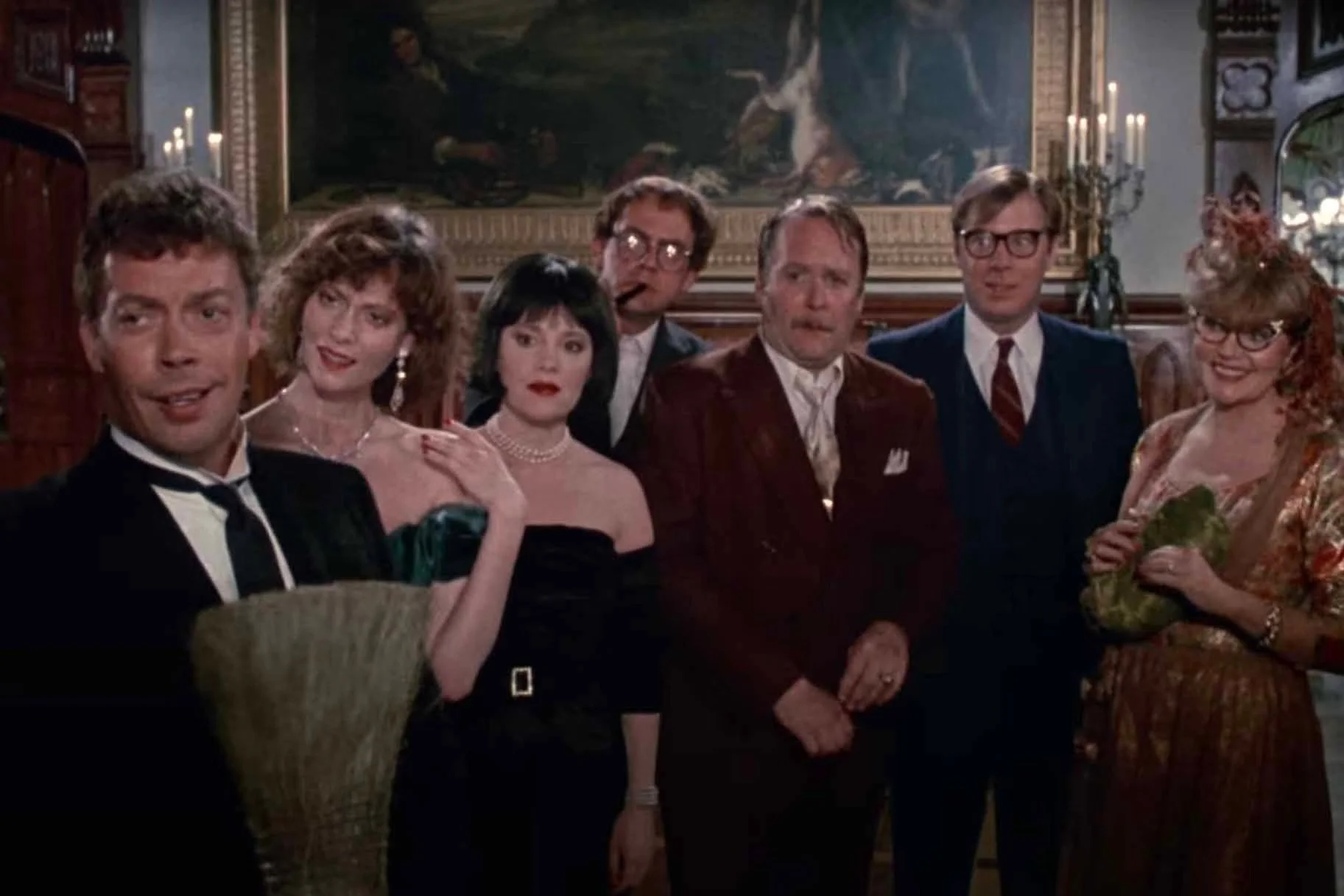
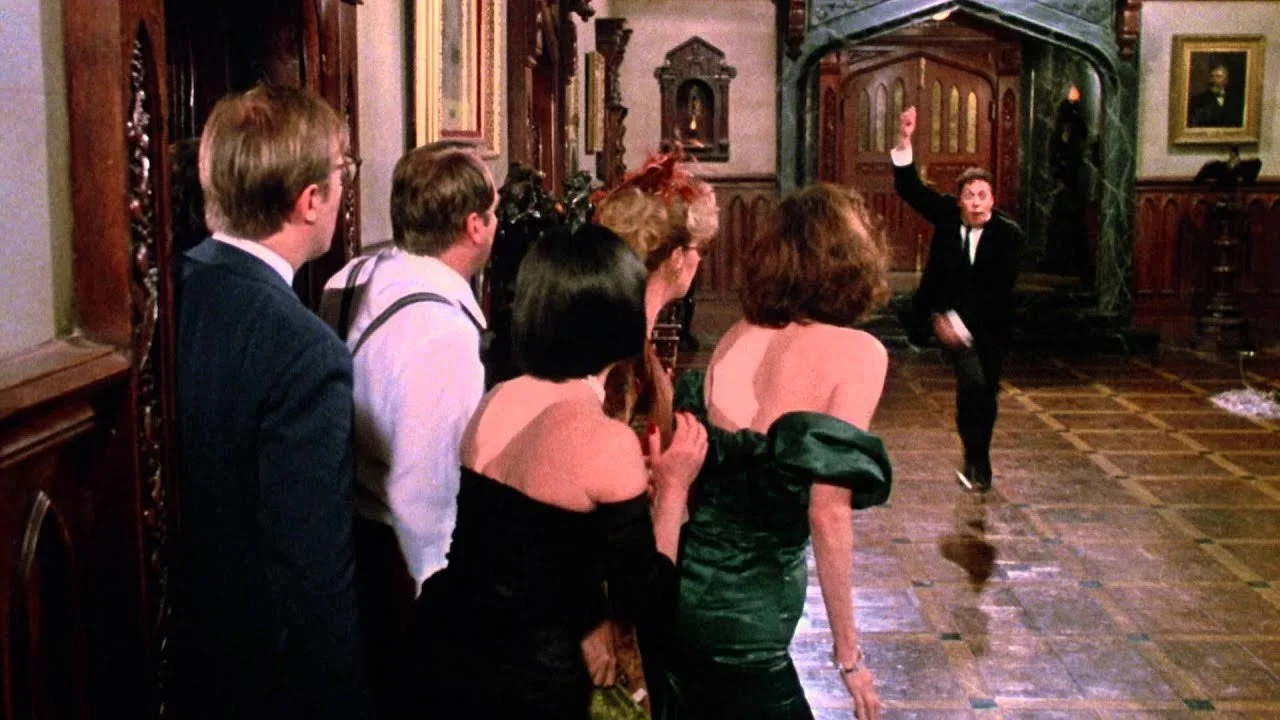
In Clue (1985), based on the board game of the same name, a colorful assortment of bumbling and secretive government workers in the middle of the Cold War era get mysteriously invited to dine at a secluded mansion, with murder, hijinks and lots of chaotic running around to ensue. The movie spawned many notable quotes and is a standout of the cinematic parody genre, turning a murder mystery into a comedic farce where the bodies pile up without much investigation. However, one of the most unique parts of the movie is also what hurt it at the box office.
Clue was released with three endings, each revealing a different killer. Endings A and B give singular culprits, while Ending C, which is labeled as the “true ending,” turns the insanity up to a maximum, with almost every guest having killed someone–a very unexpected twist. When the film was playing in theaters, the filmmakers decided to split the endings up between screenings. At every movie theater, one ending was selected at random to play as the only ending shown at that theater. Later, all three endings were compiled and played one after the other in home video and streaming releases of the movie. These different endings then caused a lot of confusion for audiences and contributed to many negative reviews of the movie when it was first released.
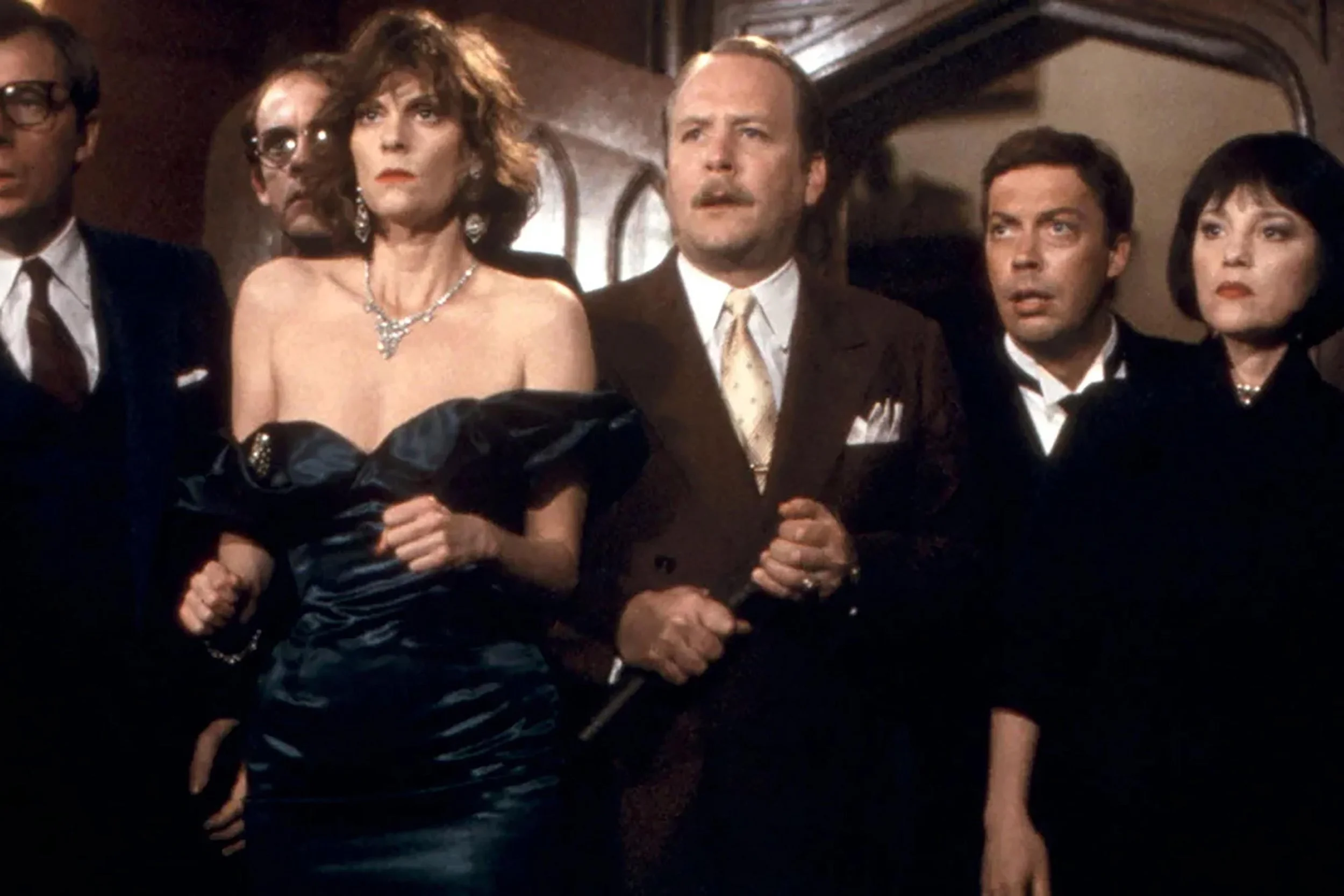
There is a good reason for that confusion: Clue doesn’t work as well as it does without all three endings to bookend it. The movie’s way of parodying the murder mystery genre is by removing the aspect of certainty from it. Classic murder mysteries follow a typical formula: a large cast, a genius detective, obvious red herrings and most importantly, the definitive grand reveal of the killer at the end. Despite each investigation turning out differently with different tropes and characters, there is a comfort in knowing that everything will be wrapped up neatly by the last scene.
Clue laughs in the face of this certainty. There is no detective among the houseguests; the closest we get to a central deductive figure is Tim Curry’s Wadsworth, the nosy butler who is just as much of a hapless participant and suspect as the other characters. Very little time is spent trying to discover clues, with more focus on hilarious verbal misunderstandings between the guests and hiding the growing number of corpses from outsiders who keep showing up at the mansion doors. Instead of being mostly dramatic and tight-lipped, the characters are over-the-top and spend most of their time “investigating” by running around while loudly exclaiming their fears, tampering with what could be legitimate evidence and participating in loads of sexual innuendo.
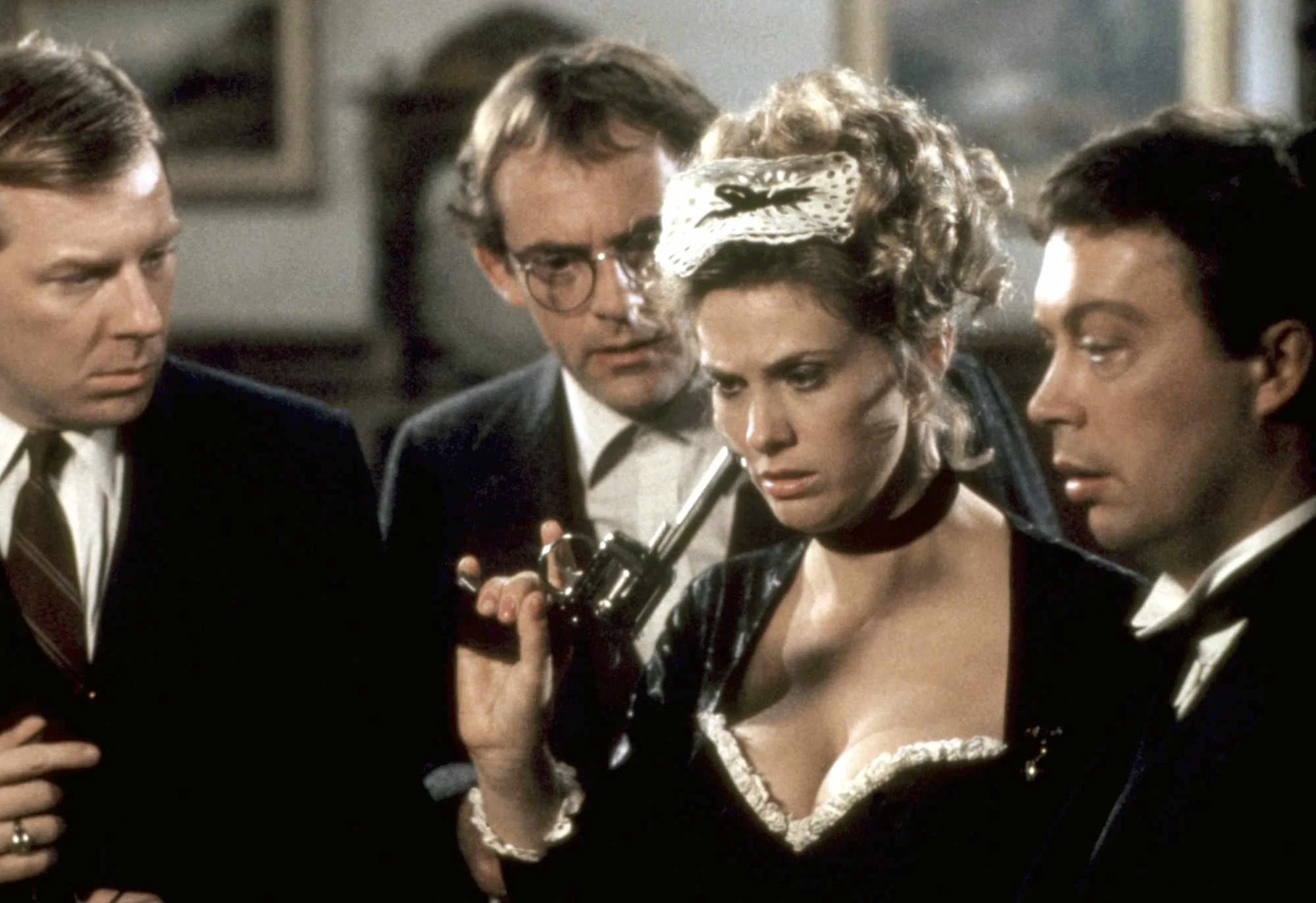
The endings, when watched all together, are the climax of this zany ride. It caps off the breakneck and flailing tone of the movie by having viewers watch Wadsworth run around explaining the solution three different times, each time using different clues to explain the different true culprits. Most importantly, the different endings upend the most important scene of any murder mystery: the definitive reveal. The audience is simultaneously given three reveals and no definitive answer, as every ending–even the “true” one as designated by a blatant title card–has random leaps in logic. The progression from Ending A to C both escalates the ridiculousness to a maximum while still ending in a satisfying way. The point is that there is no definitive killer, as the movie is about lampooning a murder mystery formula rather than actually fulfilling it.
Watching only one ending, like audiences did in the initial theatrical release, feels unsatisfying because the previously zany and all-over-the-place plot wraps up with a decently conventional ending. Furthermore, getting either Endings A or B make the ending too generic and without the ridiculous final twists of Ending C gives. For a movie that smashes every other major trope of the genre it parodies, a single conclusive ending doesn’t fit with the rest of it at all.
Ultimately, these three endings provide the capstone to Clue’s witty parody of a usually conventional and predictable genre. The movie maintains its consistent comedic genius with these endings and takes a hammer (or rather a lead pipe) to the ultimate trope of the murder mystery. Give it a watch this dreary cold season as the solution(s) to liven up a dark and stormy day.
Popular Reviews
In Clue (1986), based on the board game of the same name, a colorful assortment of bumbling and secretive government workers in the middle of the Cold War era get mysteriously invited to dine at a secluded mansion, with murder, hijinks and lots of chaotic running around to ensue. The movie spawned many notable quotes and is a standout of the cinematic parody genre, turning a murder mystery into a comedic farce where the bodies pile up without much investigation. However, one of the most unique parts of the movie is also what hurt it at the box office.

Yet with Miyazaki’s The Boy and the Heron, everything we have come to trust in Ghibli movies is turned upside down. Rather than returning to comforting magic, Miyazaki delivers a deeply personal, dark, self-reflective interrogation of his own career. He moves away from the enchanting escapism that defined his peak eras, turning toward a darker view of society and making the viewer question whether art can truly fix a broken world.
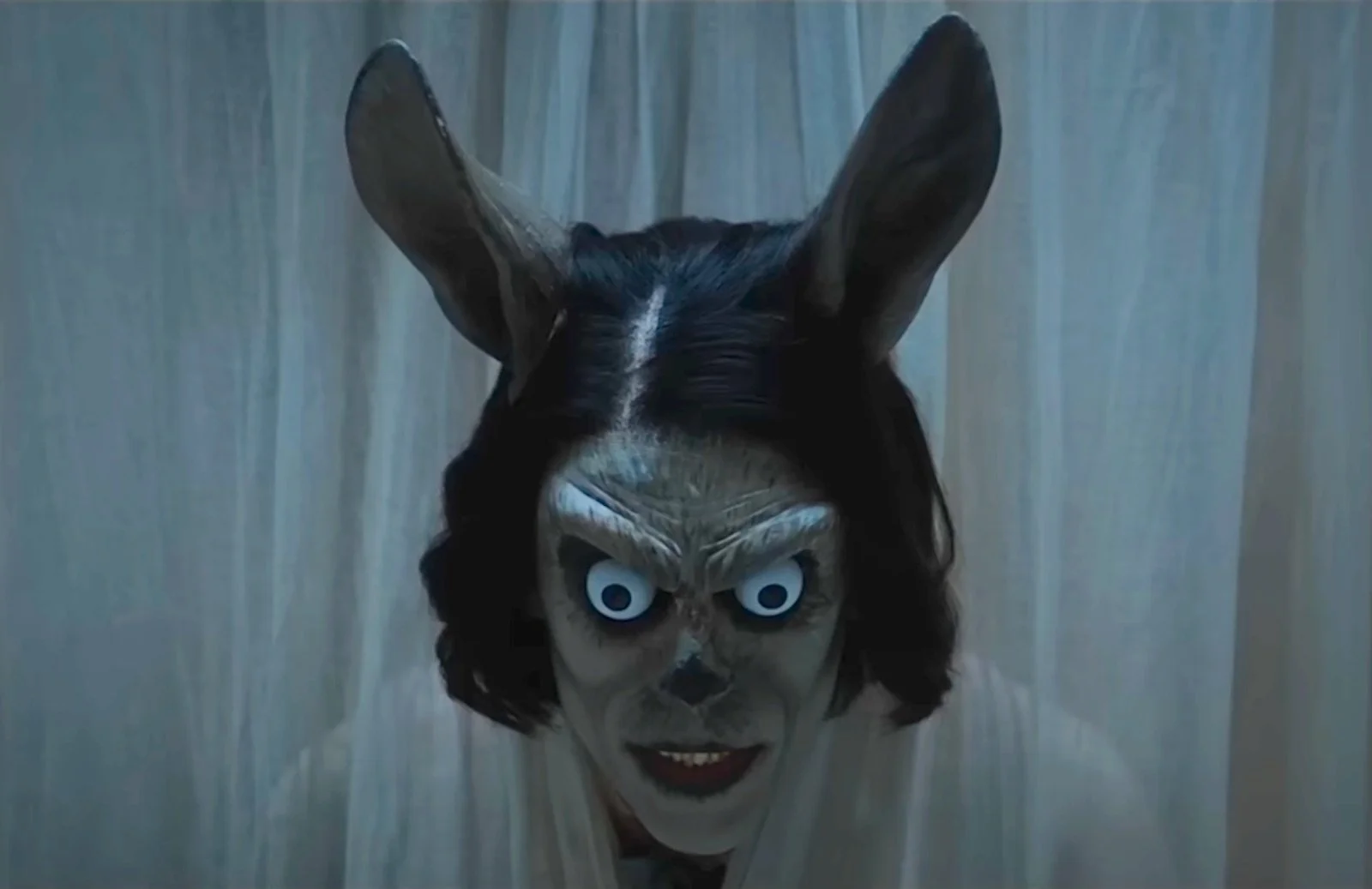
There are three things you should never do in a Damian McCarthy movie: Accept an odd job offer, touch an antique object, and most importantly, never go into a building that seems even remotely interesting. Damian McCarthy, the Irish horror director behind Caveat (2020), Oddity (2024), and Hokum (2026), has a very special talent for constructing physical spaces that feel fundamentally wrong. Watching his three movies provides a vivid illustration of how McCarthy has grown as a director and how he has mastered the art of the haunted house.
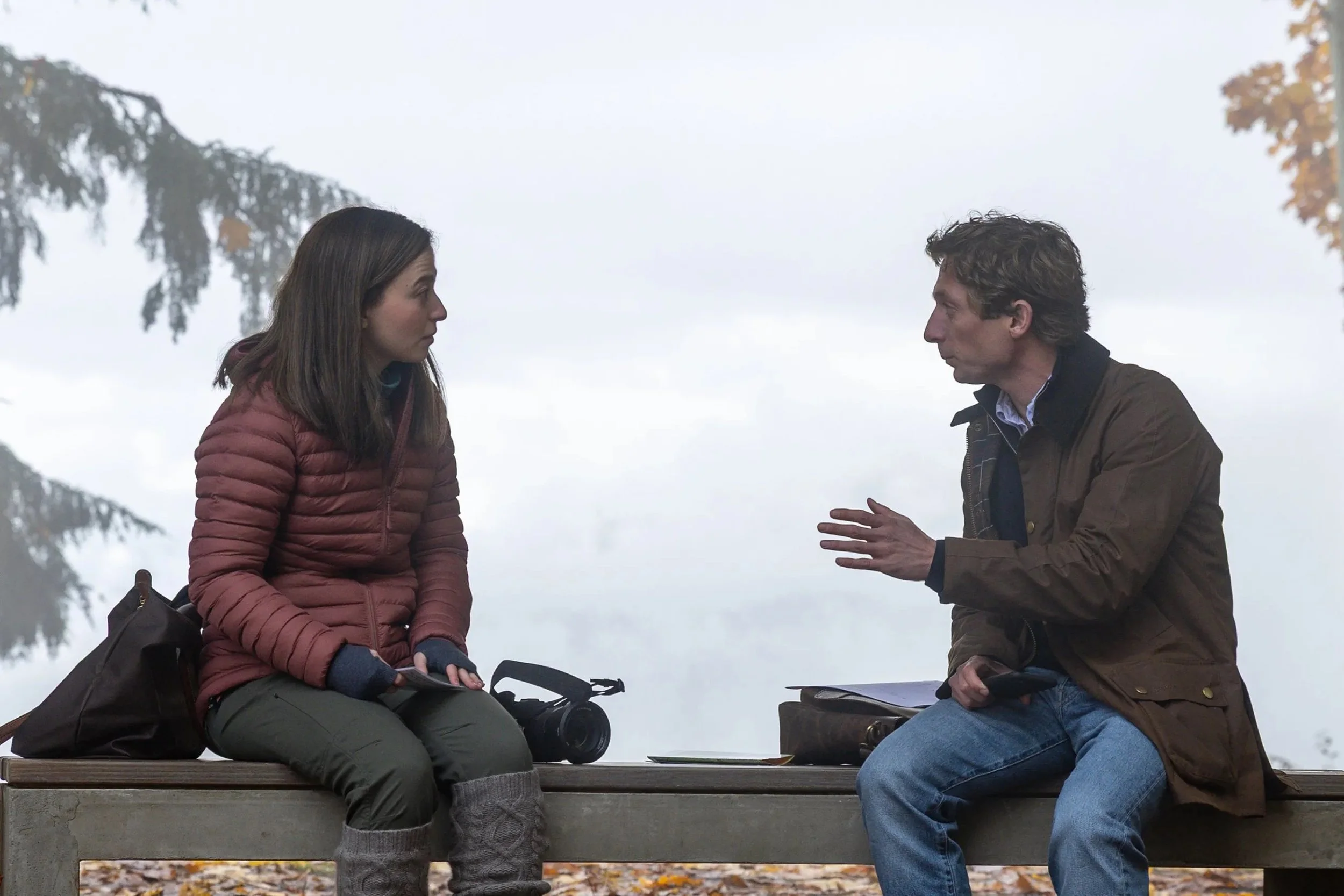
It’s 2026. The AI arms race is fully underway, and all the major tech players are rolling out new and better generative products. You hear that Aaron Sorkin, the Academy-trophied Tiresias who wrote The Social Network, has penned (and directed) a sequel of sorts that continues the Facebook story.
Then you find out it’s about The Facebook Files, what turned out to be an explosive but less-than-apocalyptic episode in the company’s history, and something within you deflates.
No one reading this has to imagine that scenario, because it is, of course, what happened.The Social Reckoninghas just hit theaters—and it’s a colossal misfire.
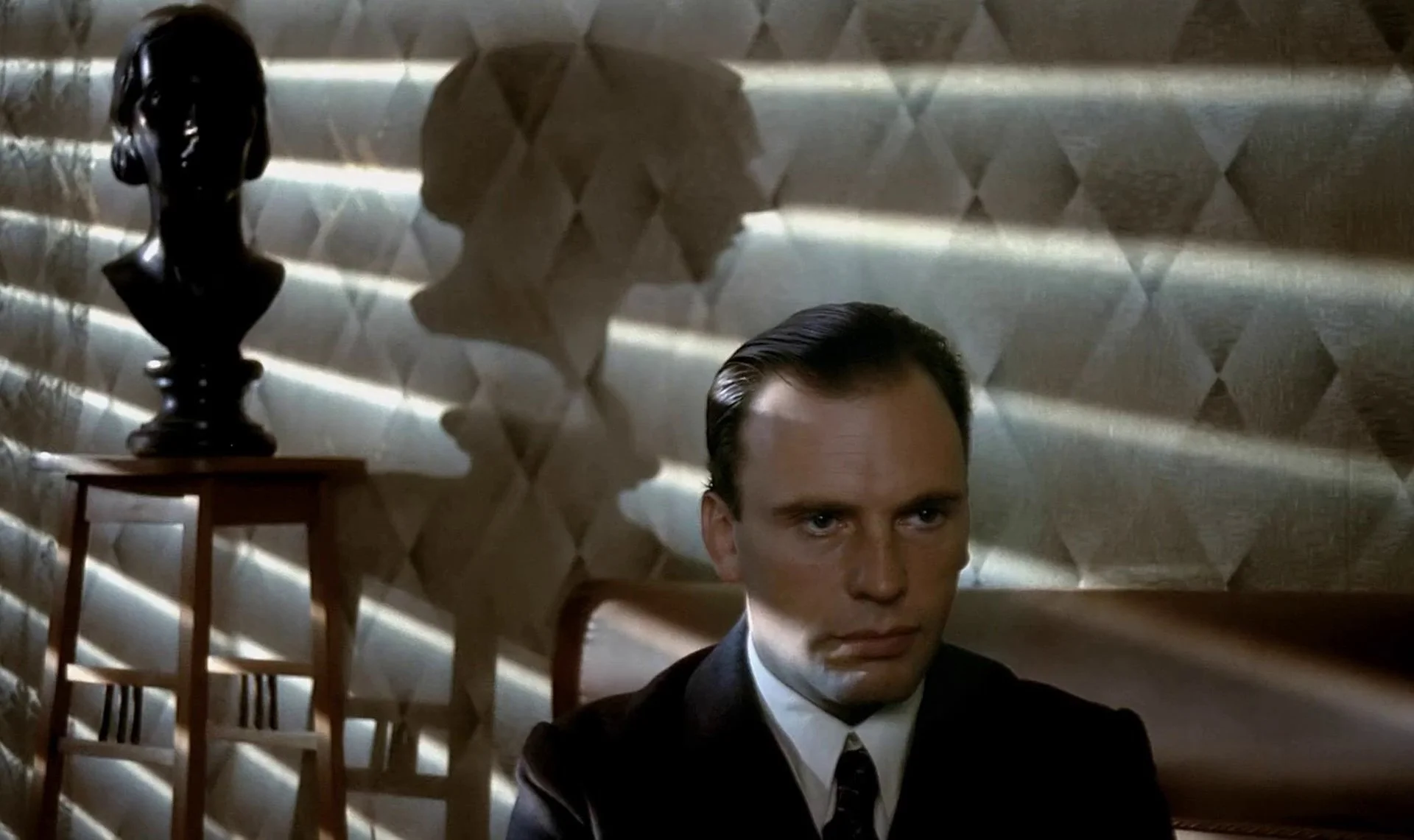
Bernardo Bertolucci’s Il Conformista tells the story of fascist spy named Marcello on an assassination mission, as memories from his past haunt him in the present. One of the film’s central ideas is Marcello’s faith in the image of fascist Rome. Bertolucci weakens this image through a distortion of time and space and powerful imagery
More in Comedy Reviews
In Clue (1986), based on the board game of the same name, a colorful assortment of bumbling and secretive government workers in the middle of the Cold War era get mysteriously invited to dine at a secluded mansion, with murder, hijinks and lots of chaotic running around to ensue. The movie spawned many notable quotes and is a standout of the cinematic parody genre, turning a murder mystery into a comedic farce where the bodies pile up without much investigation. However, one of the most unique parts of the movie is also what hurt it at the box office.

Is This Thing On? stars Will Arnett as a middle-aged father going through a divorce who finds solace in stand-up comedy. And while, yes, Alex (Arnett) may not be particularly great at stand-up (to begin the film, anyway), the movie is surprisingly very funny. I walked in with relatively low expectations, assuming I’d get a laugh here or there, but I was laughing constantly through the movie.
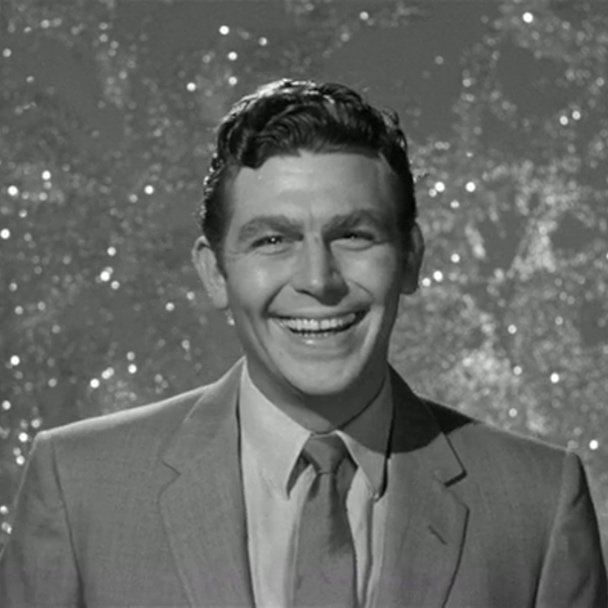
There is one film, though, that I believe deserves the modern parallels it often invokes: A Face in the Crowd. Released in 1957 to moderate acclaim, the film is the work of Hollywood envelope-pusher Elia Kazan and screenwriter and novelist Budd Schulberg, whose eponymous collection of short stories the film is based on. A Face in the Crowd focuses on the meteoric rise of a jailbird from Arkansas.
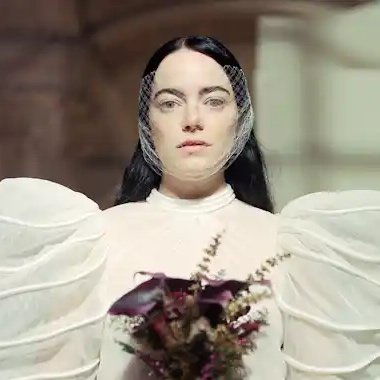
Lanthimos’s strength, to me, seemed to lie in crafting thought-provoking concepts, even when his execution was markedly wanting in depth. Poor Things continues this trend, featuring an intriguing set-up (based off the novel by Alasdair Gray) and a resulting film that is underwhelming eye-candy at best and morally transgressive at worst.
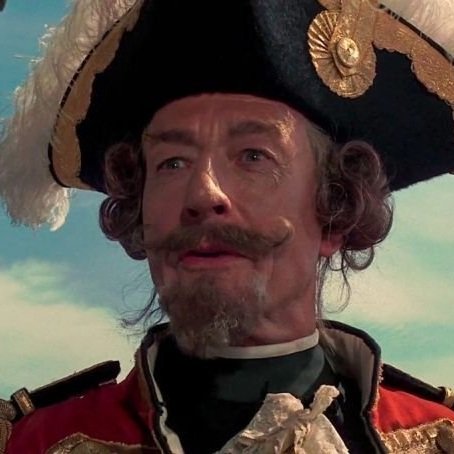
I was one of those kids at school who needed the crayons to be taken away from them. My mom tells the story of my first day of school, and how I cried at the end of the day when I wasn’t able to bring the picture I’d drawn home with me. I was the artsy kid in high school, even more artistic kid by the time I got to enrolling into a Fine Art degree in college. For as long as I can remember, I’ve always made things. But when I think about the kinds of things which have influenced me along the way, one of the earliest memories I have is of gloomy Sunday afternoons growing up in the bleak seventies of rural England, and watching the sketch comedy series, Monty Python’s Flying Circus with my Dad.


There is something so utterly ridiculous and yet so completely sweet about Billy Eichner’s Bros. Only Eichner could write a movie about a podcast host, working as one of the museum curators at a new LGBTQ+ museum, falling in love with an estate attorney/aspiring chocolatier. Bobby Lieber (Eichner) must navigate not only the complex world of modern dating but also the nuances and changing discourse around gay culture. And it all works just about perfectly.
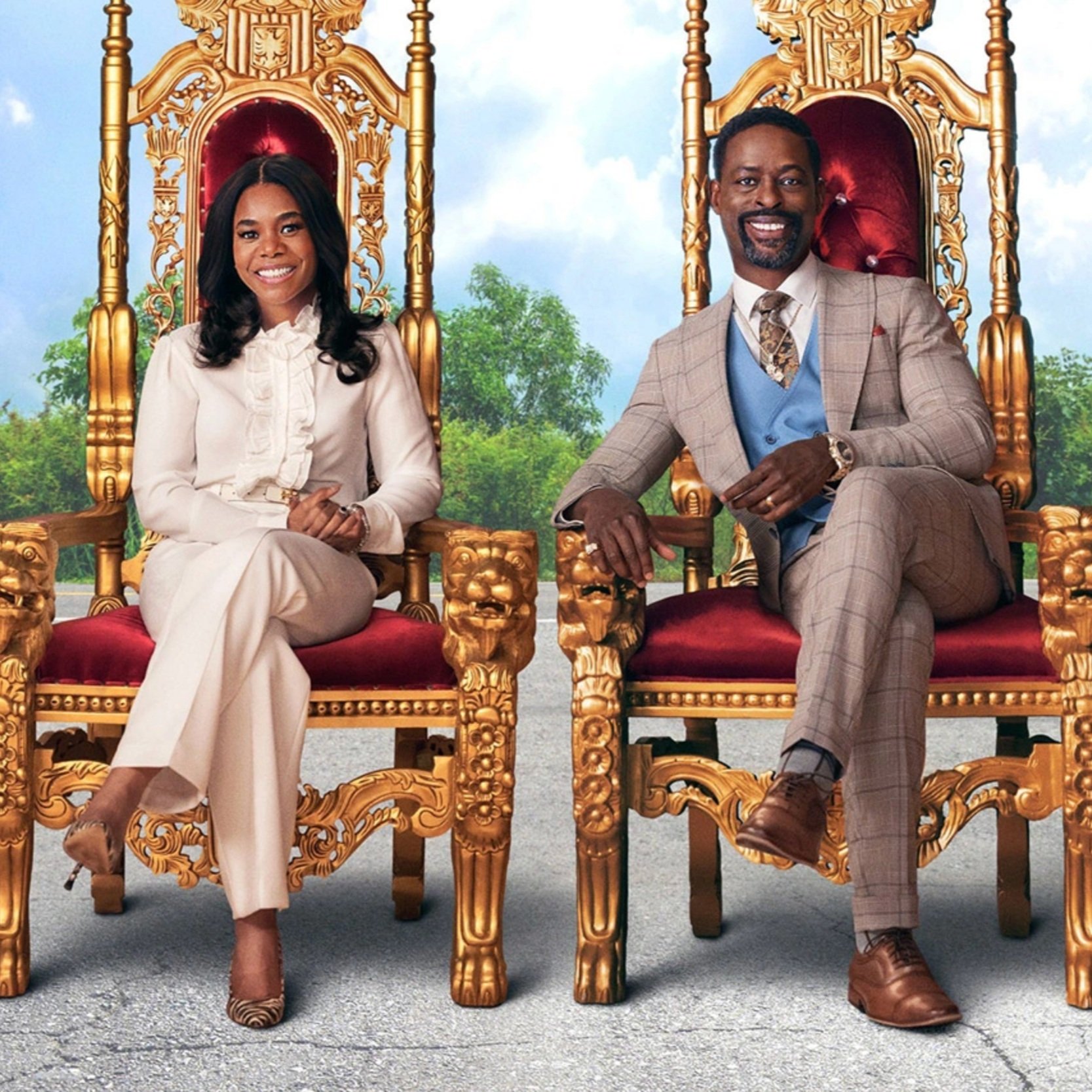
If you were driving down a highway and saw a sign that said “Honk for Jesus” would you honk? Would you go to a church that advertised itself? Would you even go to a church that was located on a highway? Despite being non religious, I considered these questions while watching the climax of Honk for Jesus, Save Your Soul, directed by Adamma Ebo, as Trinitie Childs practically begs the passersby to honk for her sanity (and Jesus).

And just like that… I watched every episode of Sex and the City. I must be a really good judge on how to spend my time!
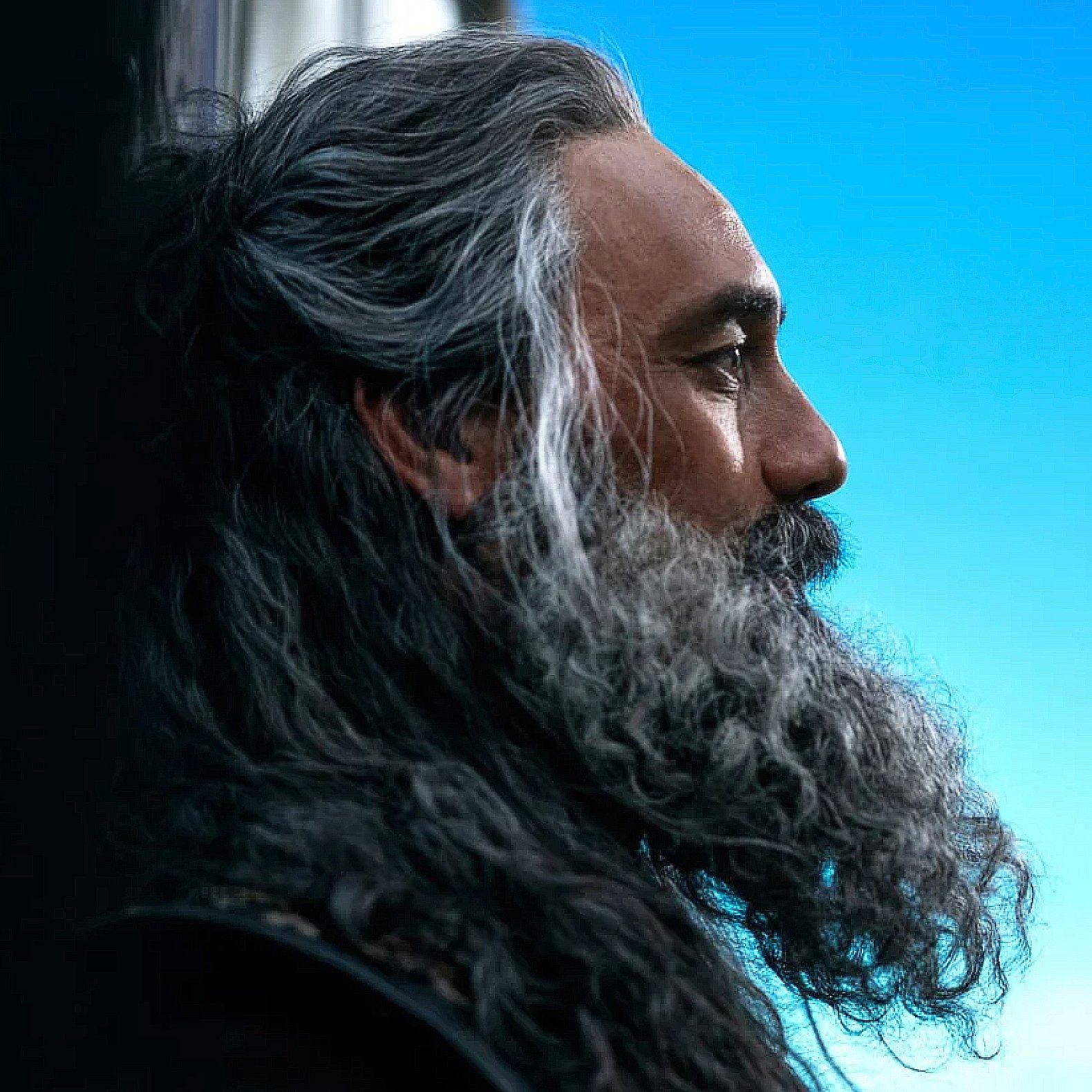
The best show of the year is an LGBTQ+ pirate rom-com. Our Flag Means Death tells the story of real-life pirate Stede Bonnet, the 18th-century aristocrat who gave up his luxurious life for an adventure on the seas. He earned the name “The Gentleman Pirate'' for his peculiar approach to piracy, building his ship the Revenge rather than seizing one by mutiny and paying his crew in wages.
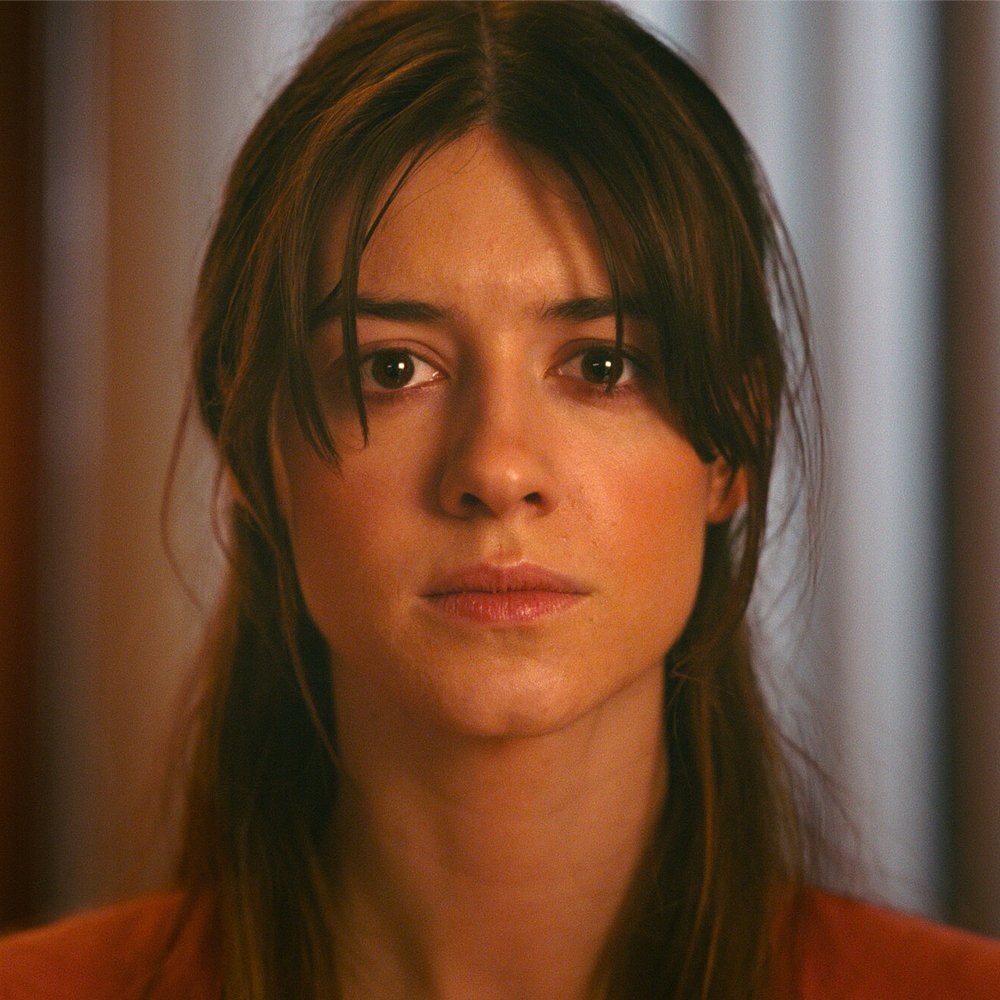
Fresh has all the ingredients to be the perfect modern thriller. It’s a black comedy about the horrors of modern dating starring Daisy Edgar-Jones and Sebastian Stan. There are plenty of mundane horrors to be had in the dating world, but Fresh ups the stakes and throws a cannibal into the dating pool.
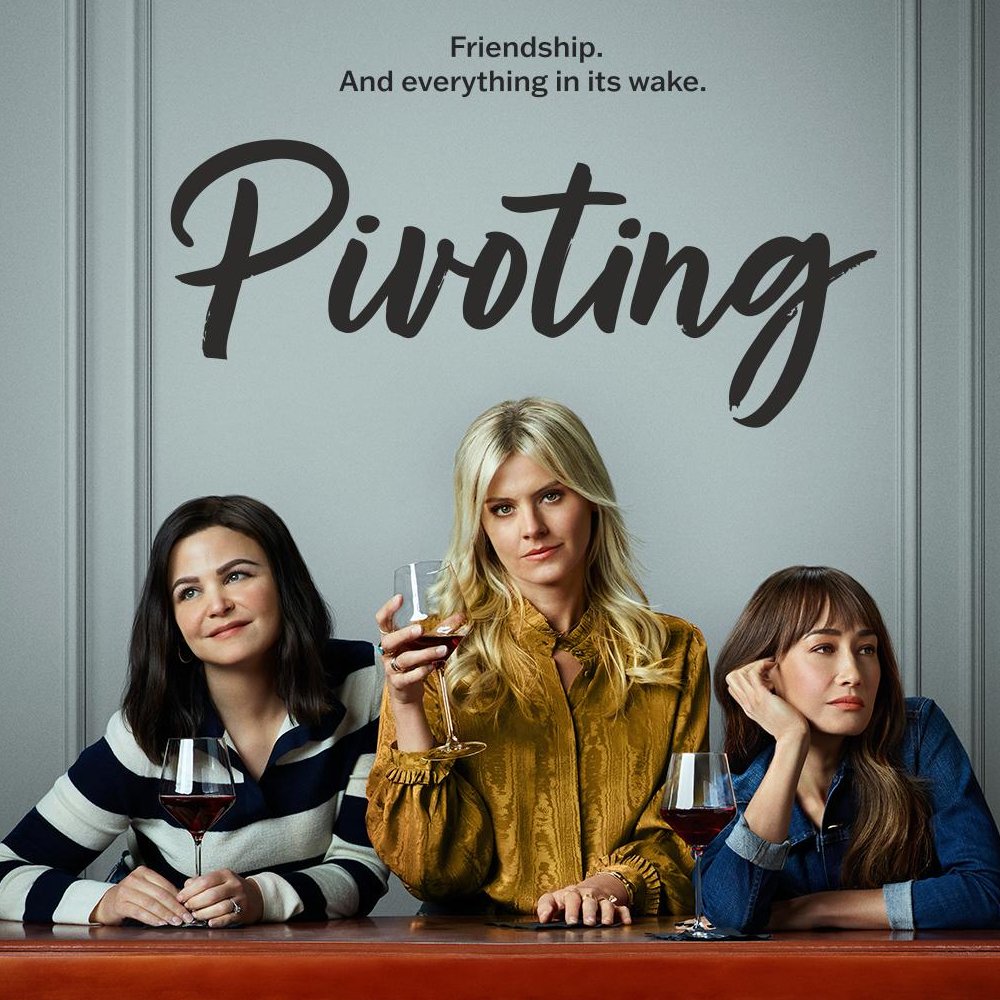
FOX’s newest comedy Pivoting, tells the story of three women in their thirties whose best friend Coleen, has just died. Awakened by the realization that life is short, they each decide to make big life changes.
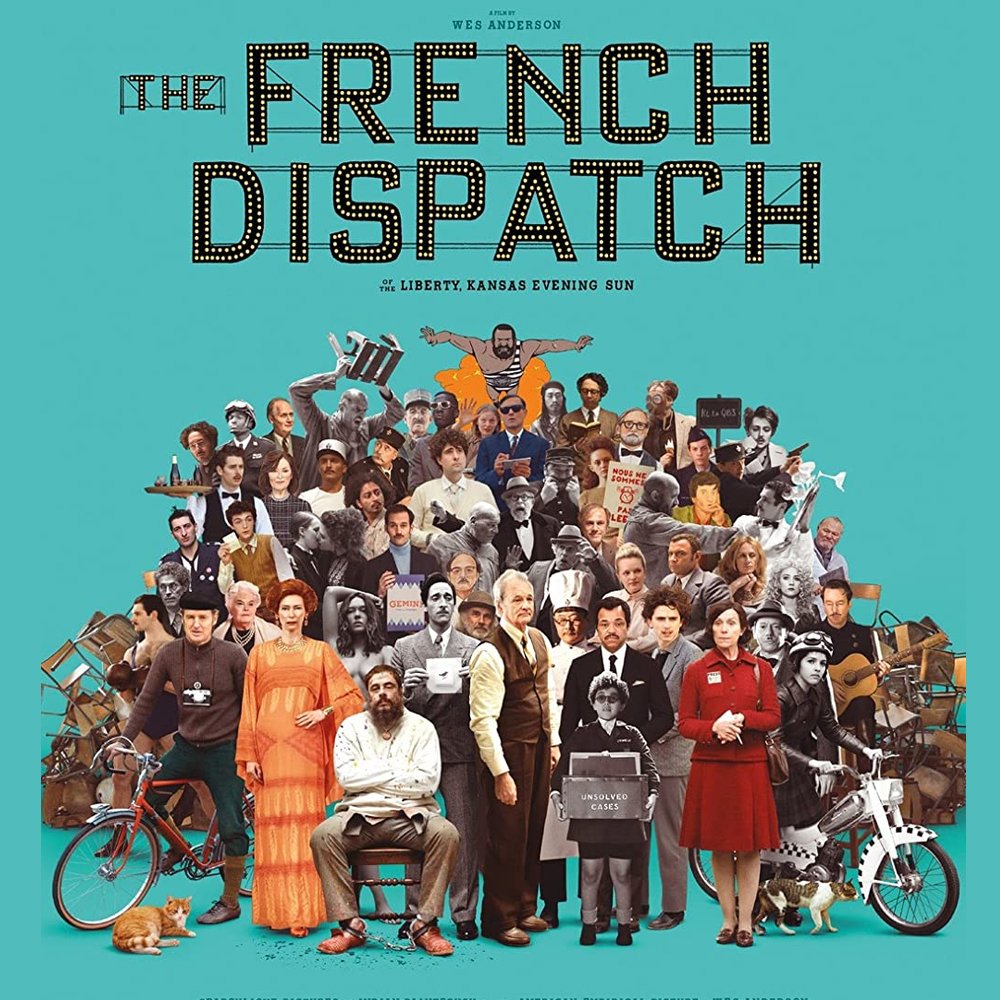
Wes Anderson is capable of more than his usual fantastical endeavours. In his newest film, he creates something entirely different, even from his nine other films of similar style. The French Dispatch, written, directed, and produced by Wes Anderson, is an anthology of several shorter stories tied together through a writer’s room of the fictional newspaper, Liberty, Kansas Evening Sun. Seemingly inspired by The New Yorker, this film is a tribute to journalism and eccentric storytelling.
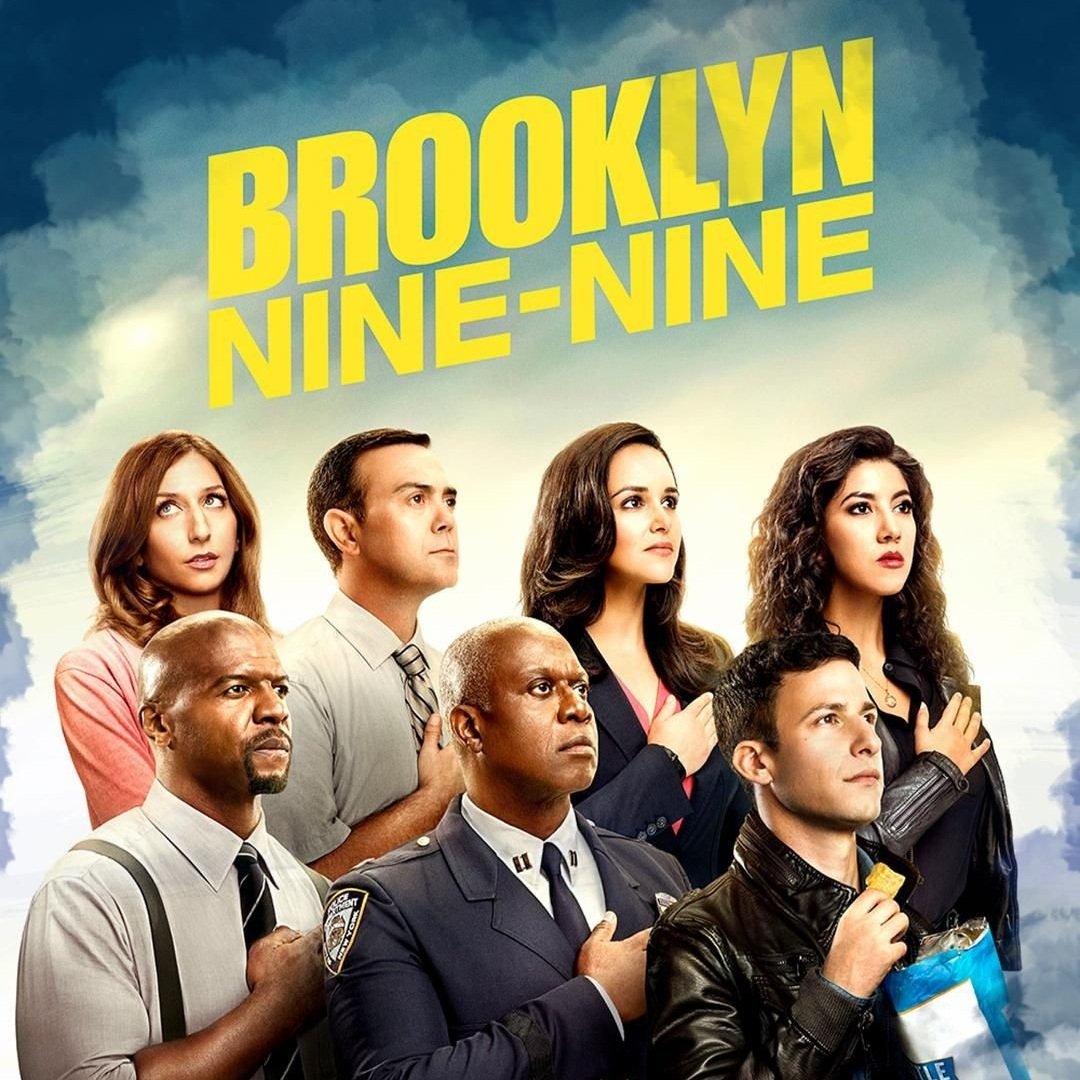
Nothing good can last forever -- including Brooklyn 99. Since the very beginning, I have always been a fan of the 99. From watching it when I was younger with my family, to finishing the final season amongst friends, it has been a constant in my life. I was devastated when Fox cancelled the show but ecstatic when NBC decided to give it another chance. When I heard the news that Brooklyn 99’s eighth season would be the show’s finale one, I understood that all good things must come to an end.
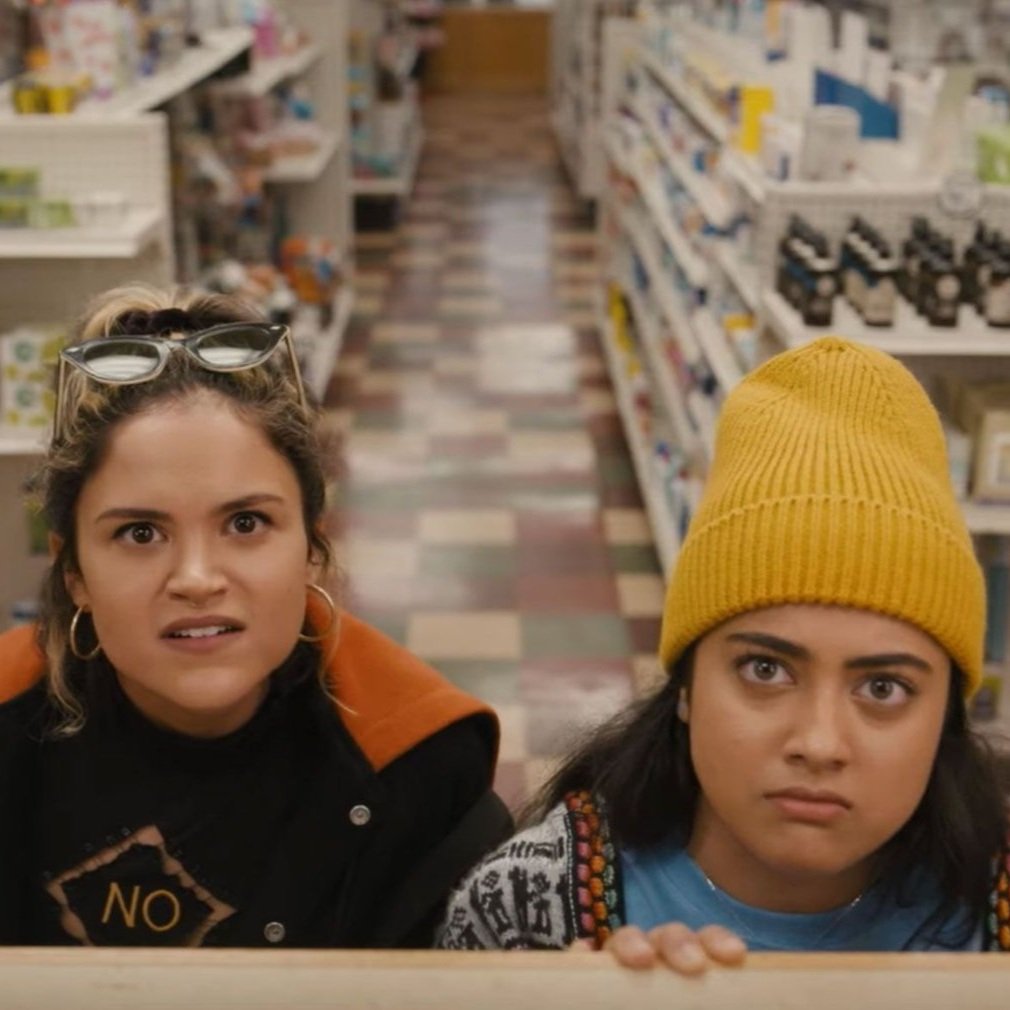
In 108 minutes, Plan B, directed by Natalie Morales, perfectly sums up the utter panic and chaos that is teenagerhood. The film follows two girls on an epically hyperventilating and winding road-trip to find the Plan B pill within their 24-hour window. There is not a ticking clock on the screen, but through the hyperactive dialogue and split-second decisions gone wrong, viewers can feel the powders of the Plan B pill disintegrating grain by grain.

Everyone loves a whodunit — or at least that’s what the steady growth of murder mysteries à la Knives Out and the true-crime rage I’ve written about for nearly 3 years tells me. The newest hit of the sort, stacked with stars from both screen and stage, finds favor across generations and genres. Only Murders in the Building, created by Steve Martin and John Hoffman, follows three unlikely friends as they create a podcast investigating, well, a murder in their building.

What is the recipe for success for a half-hour comedy these days? Apparently, it's to take a beloved New Zealand mockumentary about vampires and adapt it to American television.
What We Do in the Shadows, helmed by Oscar-winning Taika Watiti and Jermaine Clement of the original 2014 film of the same name, is a vampire-centric mockumentary-style show entering its third season. For those unfamiliar with the show, the main premise is that a group of centuries-old vampires emigrate to Staten Island from Europe, hoping to conquer the New World, but end up just being roommates in a dilapidated manor, getting into weekly shenanigans.
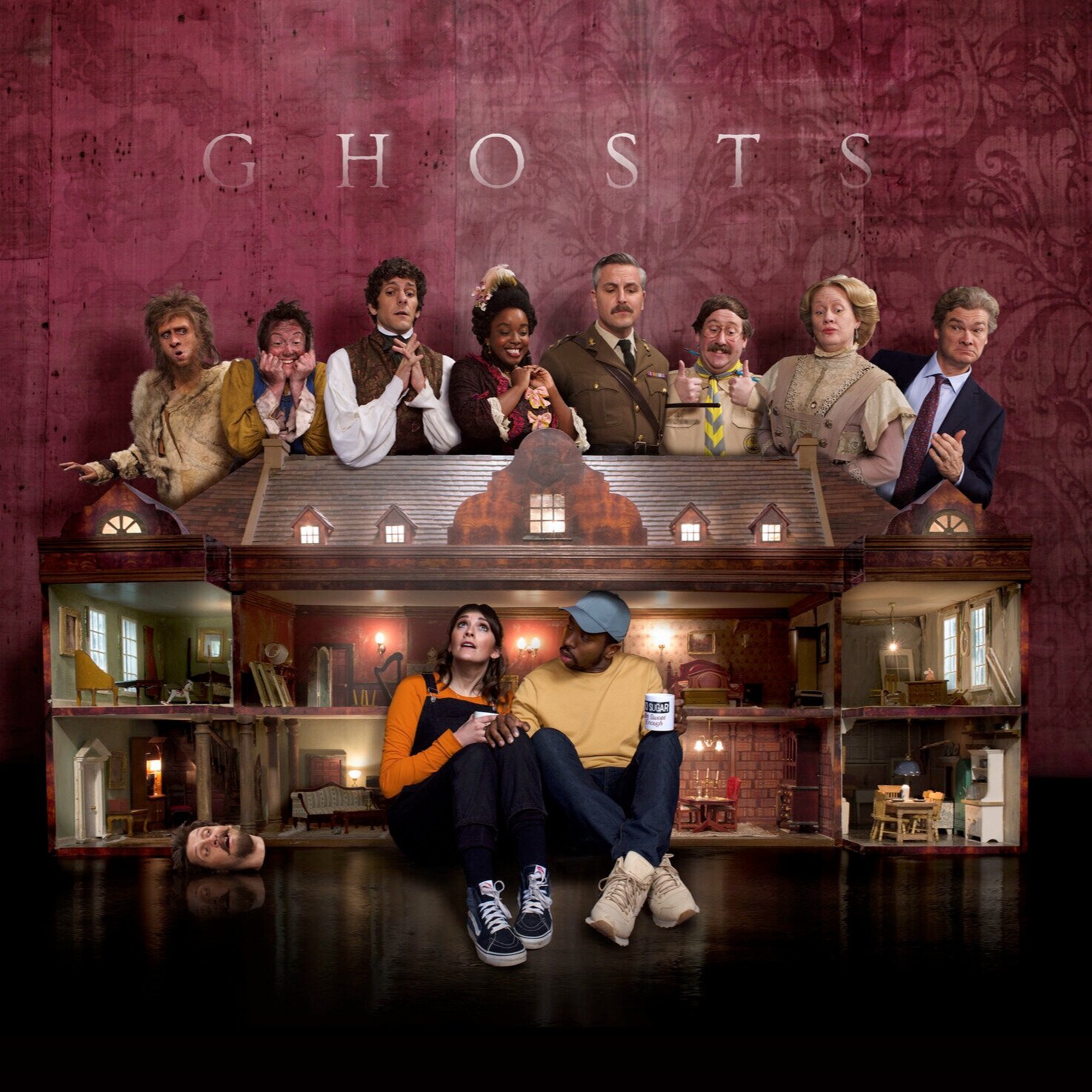
Not a fan of horror? Well, this is the perfect ghost-themed show for you. Full disclosure: I hate horror movies. Whether it’s because of the jump-scares, eerie music or avoidable bad choices made by the protagonist, horror movies have never been my style. I have, however, always been fascinated by the idea of spirits and ghosts and can’t help but ask the same question whenever I watch a horror movie: what happens to all the normal people who die? Are all ghosts really vengeful spirits or creepy kids?
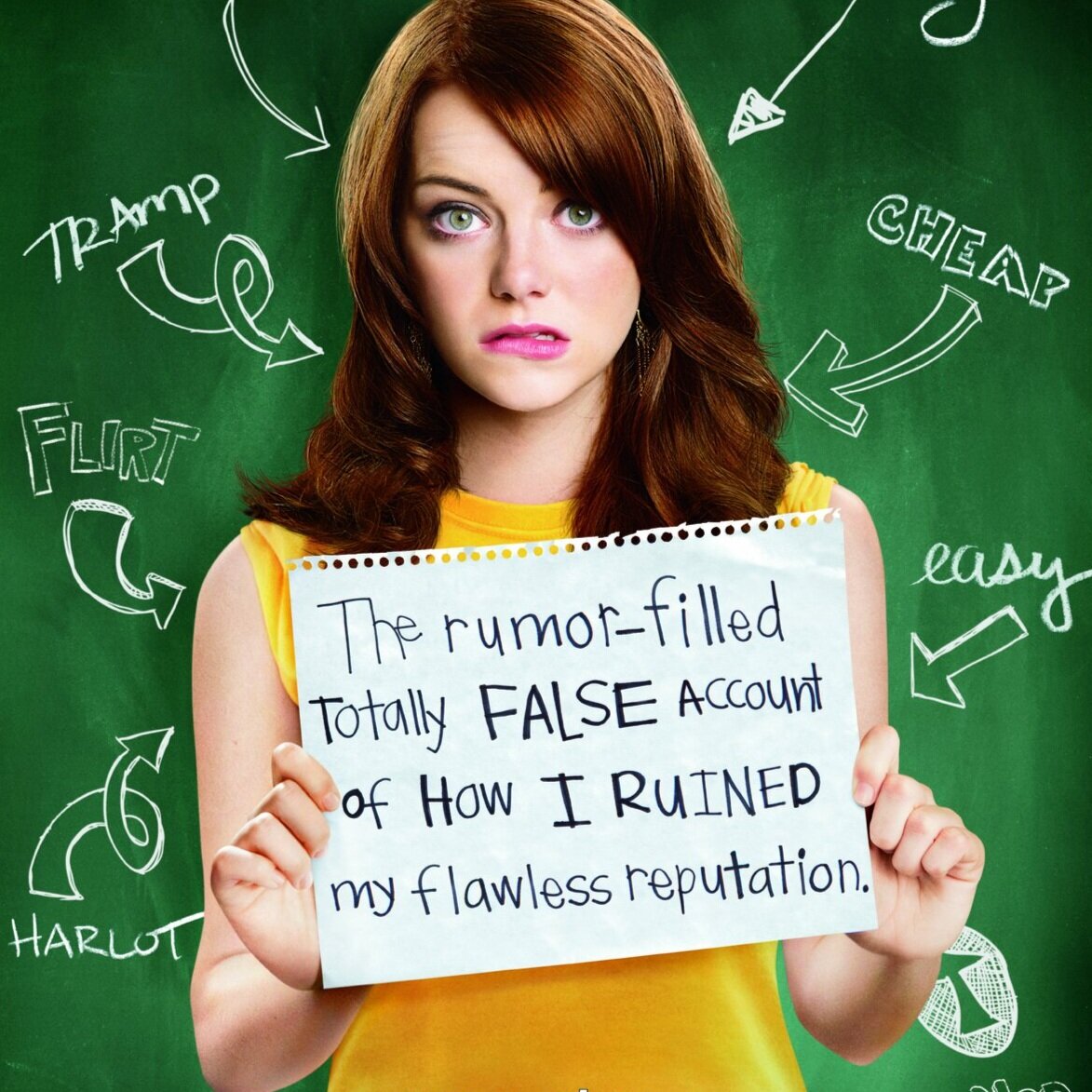
Let me start by acknowledging how unusual the plot is. The movie centers around a lonely teenage girl becoming an outcast after being shamed and bullied about losing her virginity. Not exactly Ferris Bueller's Day Off material. With that said, Emma Stone brings a certain sense of perky wit and sarcasm that makes the journey enjoyable and pleasant.
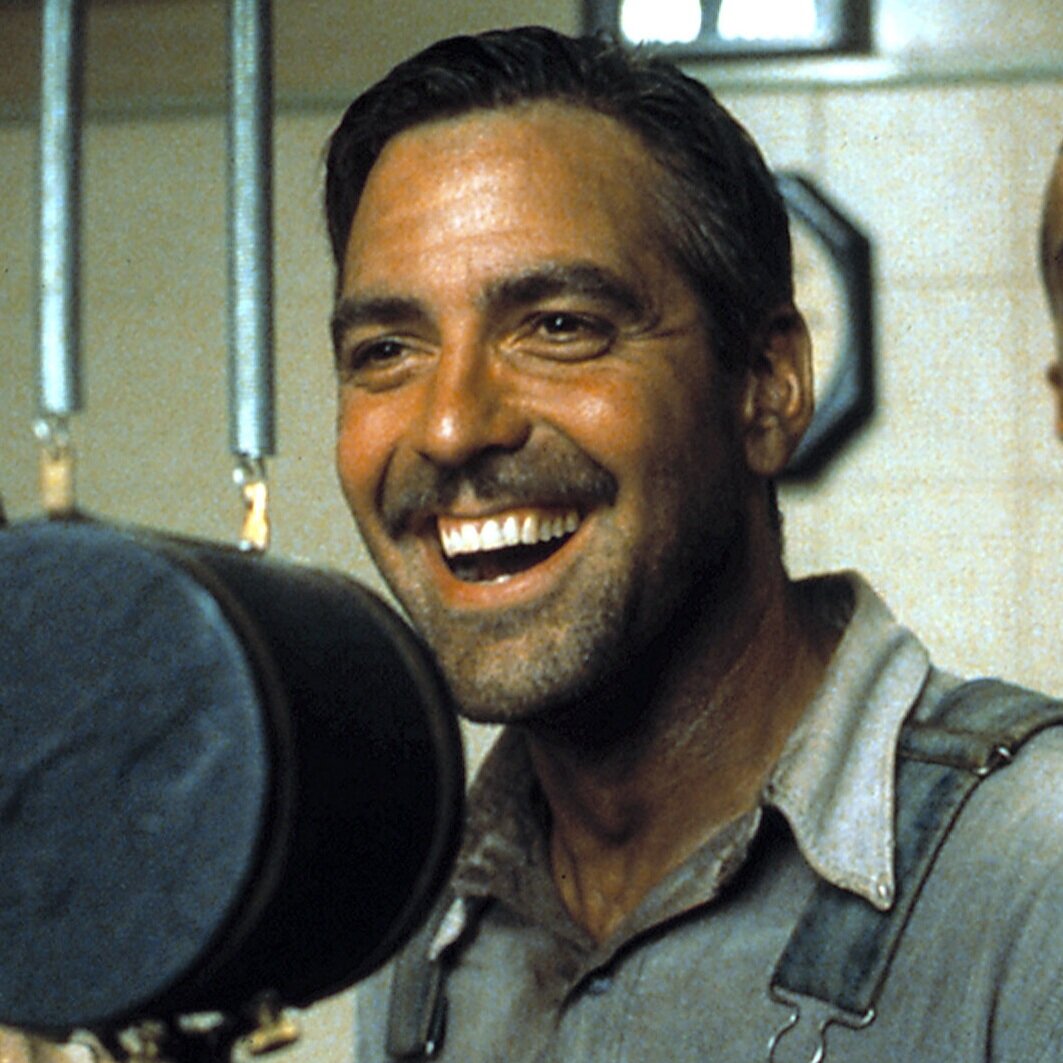
I think we can all agree that there’s something uniquely, well, peculiar about the Coen brothers’ movies. And yet, Joel and Ethan Coen are considered two of the greatest writers and directors of American cinema -- and for good reason. Their films combine quirky and lovable characters, laugh-out-loud humor, and an intriguing aesthetic. O Brother, Where Art Thou? presents all of these and more. Still, our modern understanding of race and representation require us to examine it with a critical lens.